How Deep are Wall Kitchen Cabinets: Ultimate Size Guide Revealed
Have you ever wondered how deep your wall kitchen cabinets should be? Choosing the right depth can make a big difference in how your kitchen looks and works.
If your cabinets are too shallow, you might struggle to fit your dishes and spices. Too deep, and you could waste valuable space or make it hard to reach items at the back. You’ll discover the ideal cabinet depths, practical tips for maximizing storage, and how to create a kitchen that feels both spacious and organized.
Keep reading—you’re about to unlock the secret to kitchen cabinets that truly fit your needs.
Credit: expresskitchens.in
Standard Depths Of Wall Kitchen Cabinets
Understanding the standard depths of wall kitchen cabinets is key to planning your kitchen layout. Depth impacts how much storage you have and how your kitchen feels when you move around. Choosing the right depth can make your space more functional and comfortable.
Common Depth Measurements
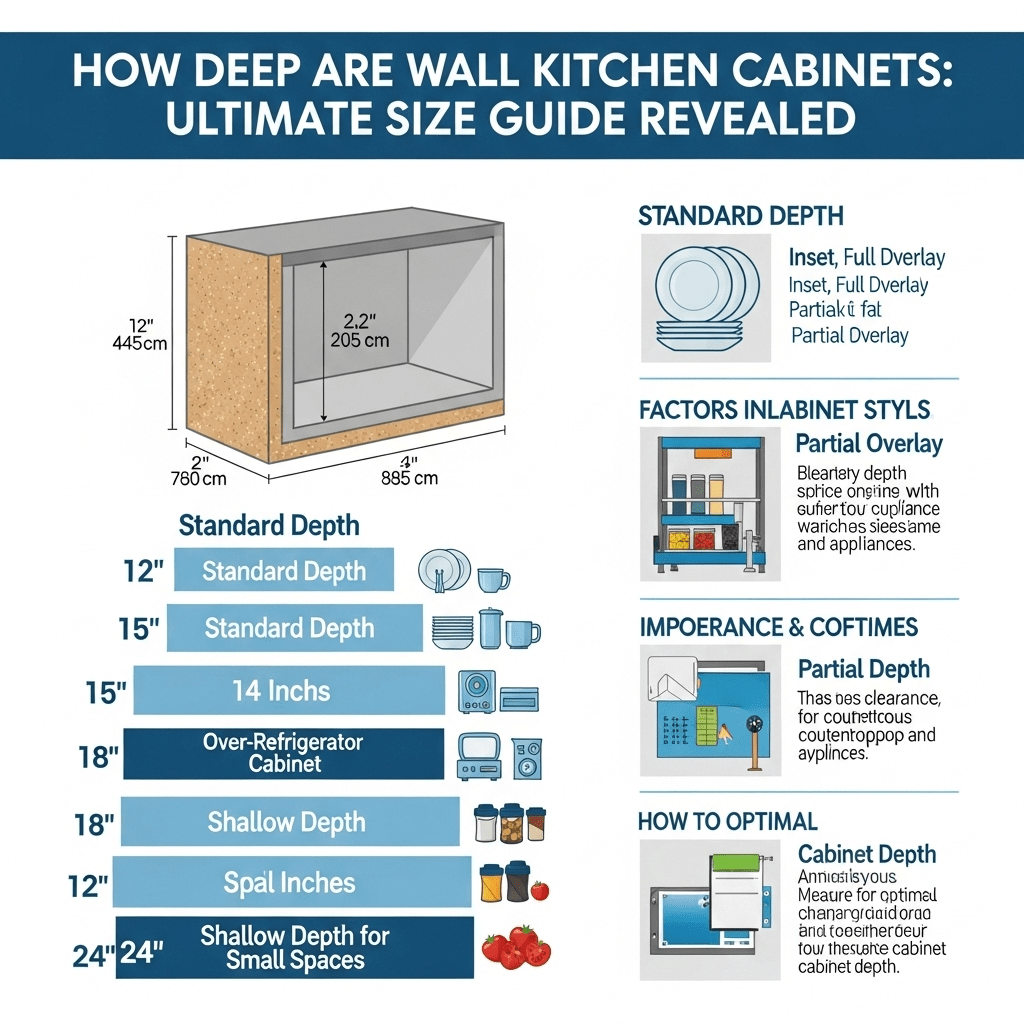
Most wall kitchen cabinets come in standard depths designed to fit typical kitchen needs. The most common depth is 12 inches, which keeps cabinets shallow enough to avoid crowding the countertop area. This size is perfect for storing plates, glasses, and spices without sticking out too far.
Some cabinets are available in 15 inches or even 18 inches deep. These deeper options give you more storage space but can make your kitchen feel tighter. Think about your kitchen’s size and how much stuff you need to store before choosing a deeper cabinet.
Variations By Manufacturer
Keep in mind that not all manufacturers stick to the same standards. Some brands offer custom depths or slightly different measurements to match modern design trends or specific needs. For example, you might find a cabinet that’s 14 inches deep or one designed to fit a particular appliance.
If you’re mixing cabinets from different brands, check their depths carefully. Mismatched cabinet depths can disrupt the flow of your kitchen and create awkward gaps. Have you checked your kitchen’s measurements recently to see what depth fits best?
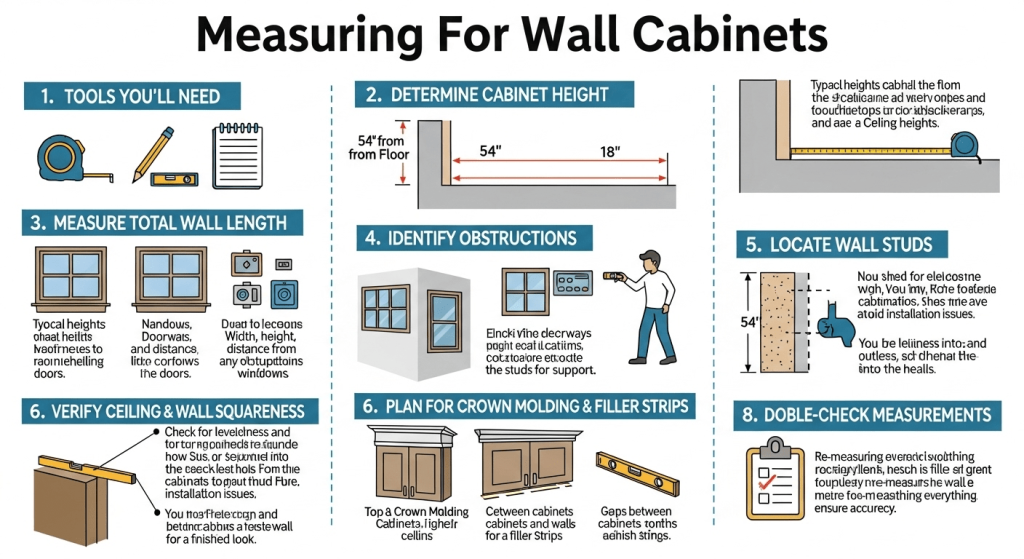
Image: Depths Of Wall Kitchen Cabinets
Factors Affecting Cabinet Depth
Understanding the factors that affect the depth of wall kitchen cabinets can help you make smarter choices for your space. Cabinet depth isn’t just about fitting storage; it also impacts the overall kitchen flow and functionality. Let’s look at the key elements that shape how deep your cabinets should be.
Kitchen Layout Considerations
Your kitchen’s layout plays a major role in deciding cabinet depth. In smaller kitchens, deeper cabinets can make the space feel cramped and reduce countertop area. On the other hand, in larger kitchens, you might want deeper cabinets to maximize storage without worrying about crowding.
Think about how you move around your kitchen. Cabinets that stick out too far can block walkways or interfere with doors and drawers. Have you noticed how some kitchens feel open and easy to work in, while others feel tight and awkward? That’s often because of cabinet depth choices.
Appliance And Fixture Placement
The position of appliances and fixtures affects how deep your wall cabinets should be. For example, if you have a stove or microwave under the wall cabinets, they should be shallow enough to clear these appliances comfortably. Otherwise, it can create a tight squeeze or awkward angles when cooking.
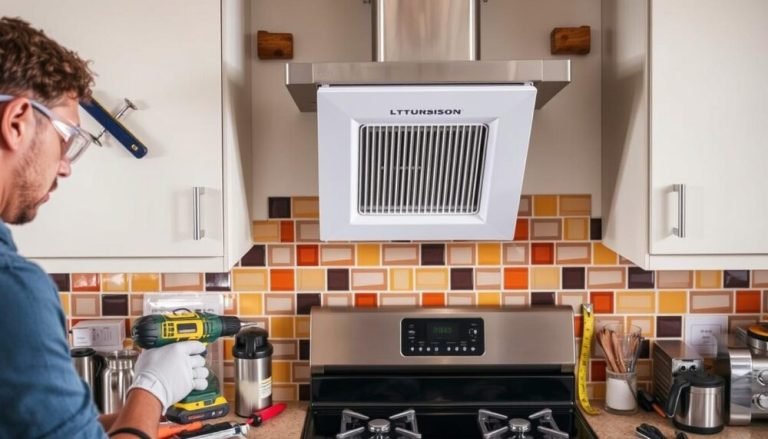
Certain fixtures, like vent hoods or lighting, also need space. Cabinets that are too deep can block vents or prevent light from reaching your work surfaces. So, measuring the height and depth of your appliances before selecting cabinet depth can save you from costly adjustments later.
Custom Cabinet Depth Options
Custom cabinet depth options let you tailor kitchen wall cabinets to fit your space perfectly. Standard depths may not suit all kitchens. Choosing custom depths improves storage and design. It helps create a balanced look and maximizes kitchen functionality.
Custom sizing adapts the cabinets to your kitchen’s unique needs. It offers flexibility beyond standard measurements. This choice suits small kitchens, large kitchens, or unusual layouts.
Benefits Of Custom Sizing
- Optimizes storage for your kitchen items
- Fits cabinets into tight or unusual spaces
- Creates a seamless, built-in appearance
- Improves kitchen flow and usability
- Allows matching with other kitchen elements
Popular Custom Depth Ranges
| Depth Range | Use Case |
|---|---|
| 10 to 12 inches | Small kitchens or narrow spaces |
| 13 to 15 inches | Standard for many wall cabinets |
| 16 to 18 inches | Extra storage for large kitchens |
Impact Of Depth On Storage And Accessibility
The depth of wall kitchen cabinets greatly affects both storage capacity and ease of use. Deeper cabinets offer more room but can make items harder to reach. Shallower cabinets improve accessibility but limit what you can store. Finding the right balance is key for a functional kitchen space.
Maximizing Storage Space
Deeper cabinets provide extra shelf space for larger or more items. They fit bulky kitchenware like pots, pans, and small appliances. This depth allows stacking and organizing with less clutter. You can store multiple layers of dishes or canned goods. It helps keep countertops clear and kitchens tidy.
Standard cabinet depth is usually 12 inches, but going up to 15 or 18 inches adds valuable room. Use organizers or pull-out shelves to fully use the extra space. Keep heavier items on lower shelves for safety and easy access.
Ease Of Reach And Use
Shallower cabinets make it easier to see and grab items quickly. Items do not get lost in the back or require moving other things first. This reduces frustration and saves time during cooking. Cabinets deeper than 15 inches may need additional lighting or step stools.
Consider your kitchen height and who uses it most. For children or elderly, shallower cabinets improve comfort and reduce strain. Use clear containers and labels to improve visibility in deeper cabinets. Accessibility also depends on cabinet layout and door type.
Measuring For Wall Cabinets
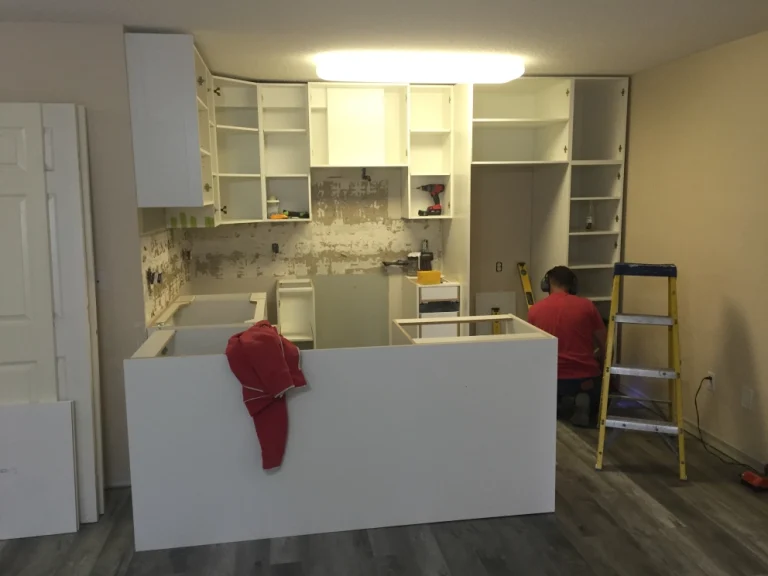
Measuring for wall kitchen cabinets is a key step before installation. Accurate measurements ensure the cabinets fit perfectly and look great. Taking the right dimensions helps avoid costly mistakes and saves time during setup.
Wall cabinets vary in depth, so knowing the exact space is important. Measure carefully to match your kitchen layout and appliances. This process is simple with the right tools and method.
Tools Needed
- Tape measure – for precise length and depth
- Step stool or ladder – to reach higher areas
- Notepad and pen – to record measurements
- Level – to check straightness of walls
- Helper – optional but useful for holding tools or notes
Step-by-step Measurement Guide
- Start by measuring the width of the wall where the cabinet will go.
- Measure the height from the countertop or base cabinet to the ceiling.
- Check the wall depth to know how far the cabinet can extend.
- Note any obstacles like windows, outlets, or pipes on the wall.
- Use a level to ensure the wall surface is even and flat.
- Record all measurements clearly to avoid confusion later.
- Double-check measurements before ordering or installing cabinets.
Trends In Cabinet Depth
Trends in cabinet depth are changing kitchen design and function. Deeper or shallower cabinets affect space, style, and storage. Today’s kitchens balance appearance with practical needs. Designers focus on making cabinets that fit modern lifestyles and smaller spaces.
Modern Design Preferences
Modern kitchens often favor shallower wall cabinets. Cabinets around 12 inches deep create a sleek, open look. They avoid crowding the room and make countertops feel larger. Flat-front doors and minimal hardware add to the clean style. Many homeowners prefer uniform cabinet depths for a balanced feel. This trend suits open-plan kitchens and smaller homes well.
Space-saving Innovations
Space-saving cabinet designs help maximize every inch. Pull-out shelves, vertical dividers, and corner units use cabinet depth smartly. Some wall cabinets come with adjustable depths. This flexibility adapts to different kitchen sizes and needs. Compact kitchens benefit from shallower upper cabinets combined with deeper base units. These innovations keep kitchens organized without overwhelming the space.
Tips For Choosing The Right Depth
Choosing the right depth for your wall kitchen cabinets is more than just a measurement task. It affects how much you can store, how your kitchen looks, and how comfortable it feels to use daily. Getting this balance right means thinking about both practical needs and your style preferences.
Balancing Function And Style
Think about what you store most often. Deeper cabinets give you more room for large pots, pans, and appliances, but they can make your kitchen feel cramped if the space is small.
Shallower cabinets keep things light and open but might limit your storage options. Ask yourself: Do you prioritize easy access or maximum capacity? Sometimes, mixing depths works well—deeper cabinets where you need them, and shallower ones for display or lighter items.
Consulting With Professionals
Experts like kitchen designers or contractors see what works best in your space. They consider your kitchen’s layout, workflow, and even your habits.
Professionals can suggest clever solutions you might not think of, like pull-out shelves or custom depths tailored to your needs. Have you ever felt frustrated reaching into a cabinet only to find things buried at the back? A pro can help avoid that.
Frequently Asked Questions
What Is The Standard Depth Of Wall Kitchen Cabinets?
The standard depth of wall kitchen cabinets is typically 12 inches. This size allows for efficient storage without overwhelming the kitchen space. It fits most kitchen layouts and accommodates common kitchen items comfortably.
Can Wall Cabinet Depth Vary In Custom Kitchens?
Yes, custom wall kitchen cabinets can vary in depth. Homeowners often choose depths from 12 to 24 inches. Custom sizes help maximize storage and fit unique kitchen dimensions or specific storage needs.
How Does Cabinet Depth Affect Kitchen Space?
Cabinet depth impacts kitchen space by influencing storage capacity and room openness. Deeper cabinets offer more storage but can reduce countertop workspace. Balancing depth ensures functional storage without crowding the kitchen area.
Are Deeper Wall Cabinets Harder To Reach?
Deeper wall cabinets can be harder to reach, especially for shorter individuals. Items placed at the back may be less accessible. Proper organization and step stools can help improve accessibility.
Conclusion
Wall kitchen cabinets vary in depth to meet different needs. Standard depths range from 12 to 24 inches. This range provides flexibility for storage and design. Choose the right depth based on your kitchen space and storage needs. Consider what items you’ll store.
Shallow cabinets suit smaller items. Deeper cabinets hold larger cookware. Balance is key for functionality and style. Proper depth enhances kitchen organization. Make informed choices for a practical and stylish kitchen. Understanding cabinet depth helps maximize kitchen efficiency. Happy designing!

Ethan Cole is a kitchen innovation enthusiast and food technology writer at DiningGadgets.com. With over 8 years of experience reviewing cookware, smart kitchen tools, and design trends, he helps readers discover gadgets that make cooking easier and dining more enjoyable. When he’s not testing the latest kitchen appliances, Ethan enjoys experimenting with recipes and sharing practical tips for modern homes.