Tools Needed to Replace Kitchen Faucet: Essential DIY Guide
Are you ready to upgrade your kitchen but worried about the tools needed to replace your faucet? Don’t let the thought of complicated equipment hold you back.
With the right tools in hand, you can tackle this project yourself and save time and money. You’ll discover exactly what you need to get the job done smoothly. Keep reading, and you’ll feel confident stepping into your kitchen to make that change happen today.
Faucet Replacement Basics
Replacing a kitchen faucet is a common home project that refreshes your kitchen’s look. Knowing the basics helps you prepare and complete the task smoothly. Understanding the types of faucets and identifying when to replace them can save time and money. This section covers essential information about faucet replacement to guide you through the process.
Types Of Kitchen Faucets
Kitchen faucets come in several styles, each with unique features. Choosing the right type affects installation and function. Here are common types:
- Single-handle faucets:Control water temperature and flow with one lever.
- Double-handle faucets:Separate handles for hot and cold water control.
- Pull-out and pull-down faucets:Sprayer head extends for flexible use.
- Touchless faucets:Use sensors to turn water on and off without touching.
- Bridge faucets:Traditional style with two handles connected by a horizontal bar.
Signs You Need A Replacement
Knowing when to replace your faucet prevents leaks and water waste. Look for these signs:
- Persistent leaks despite tightening or repairs.
- Rust or corrosion on faucet parts.
- Low water pressure or irregular flow.
- Cracks or damage to the faucet body.
- Difficult to operate handles or sprayers.
- Outdated style that no longer fits your kitchen design.

Credit: www.magnushomeproducts.com
Essential Tools List
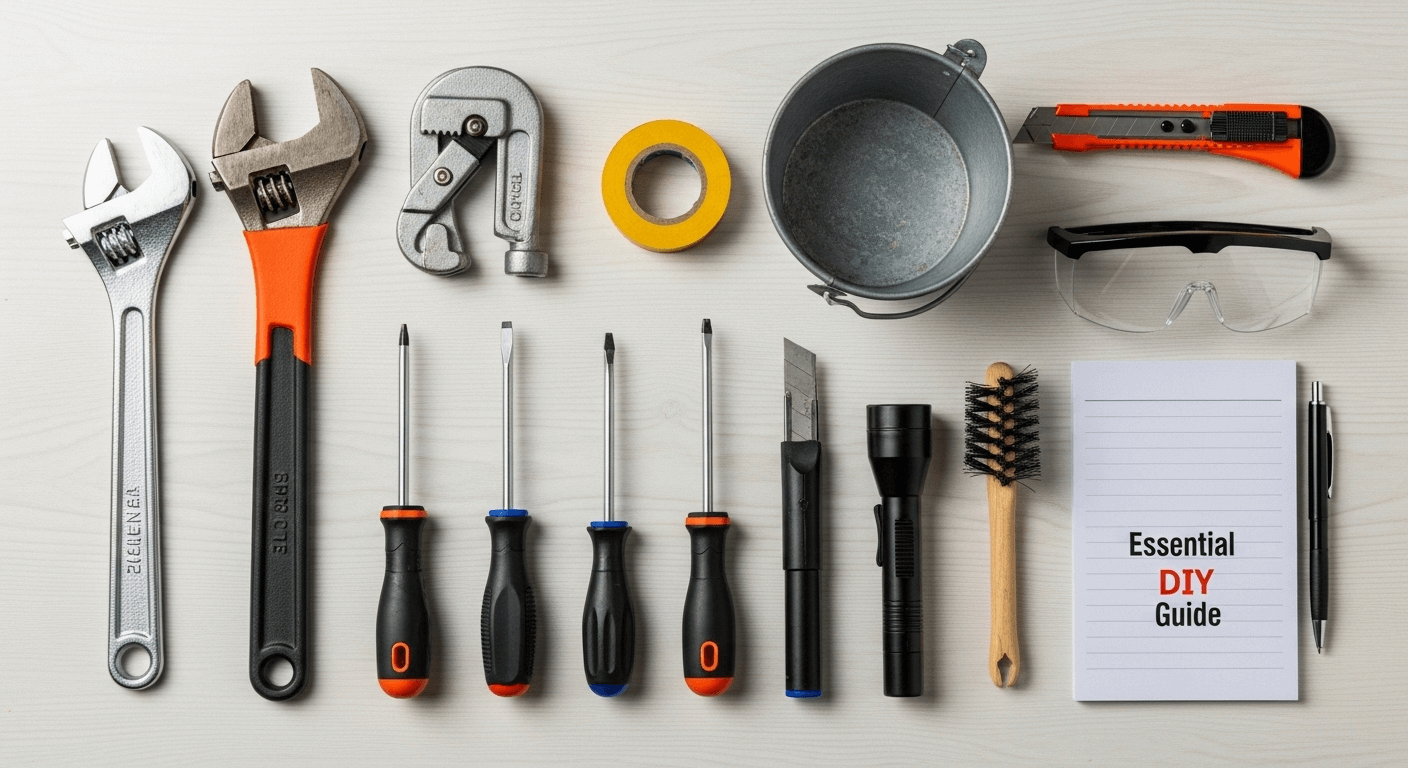
Replacing a kitchen faucet requires having the right tools on hand. Without these, the job can become frustrating and slow. Preparing your workspace with essential tools ensures a smooth and efficient process. Below is a list of must-have tools for faucet replacement.
Wrenches And Pliers
Adjustable wrenches help loosen and tighten nuts of different sizes. Basin wrenches are perfect for hard-to-reach faucet nuts under the sink. Slip-joint pliers provide a firm grip on small parts and fittings. These tools reduce the risk of damaging pipes or fittings.
Screwdrivers And Allen Keys
Flathead and Phillips screwdrivers are needed to remove screws from faucet handles. Allen keys (hex keys) fit small set screws found on many modern faucets. Having a set of different sizes covers all types of screws you might face.
Plumber’s Putty And Tape
Plumber’s putty seals the base of the faucet and prevents water leaks. Teflon tape wraps around threaded connections to ensure a tight seal. These materials help stop water leaks and keep connections secure.
Bucket And Towels
A bucket catches water that drains from pipes during removal. Towels clean up drips and protect your cabinet surfaces. Keeping the area dry prevents slips and water damage.
Preparing For Replacement
Preparing to replace your kitchen faucet is more than just gathering tools. It sets the tone for a smooth, stress-free project. Taking a moment to plan and organize can save you frustration and time.
Shutting Off Water Supply
Before you touch anything, make sure to shut off the water supply. Locate the valves under your sink and turn them clockwise until they stop. If you don’t have individual shut-off valves, you may need to turn off the main water supply to your home.
Have you ever started a plumbing task only to have water spraying everywhere? Avoid that mess by double-checking the valves. After shutting them off, open the faucet to drain any leftover water and relieve pressure.
Clearing The Workspace
Clear everything out from under the sink and around the faucet area. A clutter-free space gives you room to work and prevents tools or parts from getting lost. Plus, it keeps your kitchen clean and avoids accidental damage to other items.
Consider putting a small bucket or towel beneath the pipes to catch drips. Organize your tools nearby so you can grab them easily without having to step away. How much easier will your job be when everything you need is right at your fingertips?
Removing The Old Faucet
Removing the old kitchen faucet is the first task in replacing it. This step requires careful handling to avoid damage. You need to prepare the area and gather the right tools before starting. The process breaks down into two main actions: disconnecting water lines and unscrewing the faucet itself. Each step must be done with care to ensure smooth removal.
Disconnecting Water Lines
Locate the water shut-off valves under the sink. Turn them clockwise to close and stop water flow. Use a wrench to loosen the nuts connecting the water lines to the faucet. Have a towel ready to catch any water left in the pipes. Gently pull the water lines away from the faucet once loose. Check for any leaks before moving on.
Unscrewing The Faucet
Look under the sink to find the mounting nuts holding the faucet. Use a basin wrench or adjustable wrench to loosen these nuts. Turn the nuts counterclockwise until they come off. Some faucets have clips or screws that also need removal. Lift the faucet straight up and out from the sink once free. Clean the area before installing the new faucet.
Installing The New Faucet
Installing the new kitchen faucet is where your effort really starts to show. This step requires careful attention to detail to ensure everything fits and functions perfectly. Taking your time here will save you from leaks and loose fittings later on.
Positioning The Faucet
Start by placing the faucet into the mounting holes on your sink or countertop. Make sure the spout faces the sink basin and the handles are easy to reach.
Check that the faucet sits flush with the surface. If it wobbles, adjust the gasket or mounting hardware until it feels secure. Have you noticed how a slight misalignment can cause water to splash outside the sink?
Securing And Tightening
Once positioned, secure the faucet underneath using the mounting nuts or brackets provided. Tighten these by hand first, then use a wrench for a firm hold.
Be careful not to overtighten; this can damage the faucet or sink. A snug fit is enough to keep the faucet stable when in use.
Connecting Water Lines
Attach the hot and cold water supply lines to the faucet’s connectors. Hand-tighten each connection, then use a wrench to gently secure them without overdoing it.
Check for any washers or seals in the connectors to prevent leaks. After connecting, turn on your water supply slowly and watch for drips—this can save you a lot of cleanup and frustration.
Testing And Final Touches
After installing your new kitchen faucet, the job isn’t quite done. Testing and final touches ensure everything works perfectly and your kitchen looks neat. These last steps can save you from future headaches and unexpected repairs.
Checking For Leaks
Turn on the water supply slowly and watch every connection point closely. Even a tiny drip can cause water damage over time, so don’t rush this step.
Look under the sink and around the faucet base for any signs of moisture. If you spot a leak, tighten the connections gently or reapply plumber’s tape where needed.
Have you ever ignored a small leak only to find a puddle days later? Catching leaks early protects your cabinets and flooring from costly damage.
Cleaning Up
Once you’re sure there are no leaks, wipe down the faucet and surrounding area. Use a soft cloth and mild cleaner to avoid scratching the faucet’s finish.
Remove any tools, leftover parts, or debris from your workspace. A clean area helps you spot any issues later and keeps your kitchen tidy.
Taking a moment to clean up also gives you a chance to admire your work and feel confident in your DIY skills. Isn’t it satisfying to see a sparkling new faucet installed and ready to use?
Troubleshooting Tips
Replacing a kitchen faucet can sometimes bring unexpected challenges. Troubleshooting helps solve these issues quickly. It saves time and prevents damage.
Understanding common problems during installation helps you avoid mistakes. It also guides you through simple fixes. Knowing when to seek professional help ensures safety and a proper setup.
Common Installation Issues
- Leaking connections due to loose fittings or worn-out washers.
- Low water pressure caused by clogged aerators or supply lines.
- Misaligned faucet holes leading to unstable faucet placement.
- Dripping water from the spout even when the faucet is off.
- Difficulty tightening nuts in tight spaces under the sink.
Check each connection carefully. Tighten nuts without overdoing it to avoid damage. Clear aerators by soaking them in vinegar. Align the faucet properly before securing it.
When To Call A Professional
- Persistent leaks after tightening connections.
- Damaged water supply lines or pipes.
- Unusual noises or water pressure issues.
- Complex plumbing setups or unfamiliar tools.
- Difficulty turning off the water supply.
Hiring an expert ensures the job is done safely. Professionals prevent costly mistakes and water damage. Call a plumber if unsure about any step.

Credit: www.amazon.com

Credit: www.reddit.com
Frequently Asked Questions
What Basic Tools Are Required To Replace A Kitchen Faucet?
You need an adjustable wrench, basin wrench, plumber’s tape, screwdriver, and bucket. These tools help remove old parts and install the new faucet efficiently.
How Do I Choose The Right Wrench For Faucet Replacement?
A basin wrench is ideal for tight spaces under the sink. An adjustable wrench is useful for loosening nuts and fittings.
Is Plumber’s Tape Necessary When Replacing A Kitchen Faucet?
Yes, plumber’s tape ensures a tight seal on threaded connections. It prevents leaks and improves faucet durability.
Can I Replace A Kitchen Faucet Without A Screwdriver?
Most faucet replacements require a screwdriver to remove mounting screws. It’s essential for loosening and securing parts properly.
Conclusion
Replacing a kitchen faucet? You’ve got the tools now. It’s easier with the right gear. Pliers, wrench, and basin wrench are essential. Don’t forget plumber’s tape for secure fittings. A towel keeps the area clean and dry. These tools make the task straightforward and manageable.
With patience and care, you’ll succeed. Ready to tackle the task? Confidence grows with every step. Happy plumbing!

Sophia Martinez is a culinary lifestyle writer and product reviewer for DiningGadgets.com. Passionate about blending style with functionality, she explores the latest dining essentials, kitchen décor, and cleaning hacks that transform everyday cooking spaces. With a background in home organization and design, Sophia brings readers expert advice on creating beautiful, practical kitchens that truly feel like the heart of the home.