Top Serving Utensil Problems—and Simple Fixes for Each
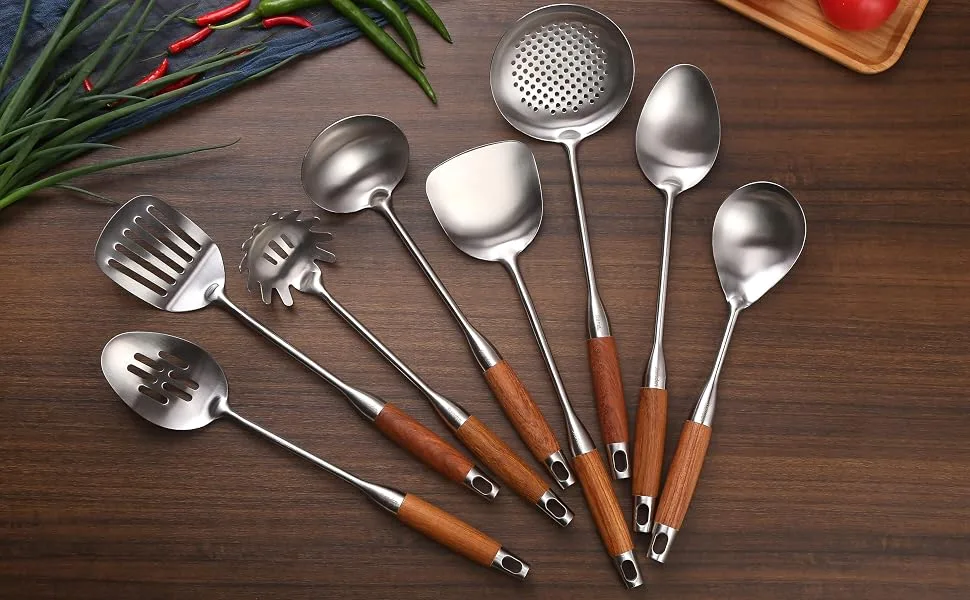
Image source: Web (Bing) / amazon.com (Web image (fair-use with source credit))
Most people grab the nearest spoon when they need to serve food. They don't think about whether that tool fits the dish. A salad tong will tear apart a roasted chicken.
A tiny spoon will splash soup every time. You might be frustrated for reasons you haven't connected to your tools yet. That changes today.
Our research on kitchen tool failures shows these problems follow predictable patterns. The FDA maintains guidelines on food-contact materials, so knowing what touches your food matters. Let's walk through each common problem and the fix that actually works.
Quick Answer: Fix These 5 Most Common Serving Utensil Problems Now
What is the simplest way to stop serving utensil disasters? Match the tool to the food before you ever lift it. Here are the fixes you need right now.
Slotted spoons drain liquids efficiently when serving soups and vegetables. Switch to silicone spatulas if you use non-stick pans daily. Bamboo cutting boards resist scratches and bacterial growth better than plastic.
Use long-handled utensils to keep hands away from deep hot pots. Oil wooden spoons monthly to prevent cracks and warping over time.
Each fix targets a specific failure pattern. Pick the one that matches your problem and apply it today.
How to Choose the Right Serving Utensil: A Problem-Based Decision Guide
Instead of browsing random product pages, you diagnose your kitchen pain points first. Then you match each problem to its corresponding solution. This saves money, reduces frustration, and helps you build a set that actually covers your needs.
Problem One: Slippery Foods Keep Sliding Off
Soft-cooked eggs, fish fillets, pancakes, these foods defy standard serving spoons. Gravity pulls them away before you can transfer them safely. Your options depend on how delicate the surface is.
| Food Type | Best Utensil | Why It Works |
|---|---|---|
| Fried eggs, fish fillets | Fish spatula | Thin blade slides under fragile surfaces |
| Pancakes, crepes | Wide-offset spatula | Broad surface supports full food item |
| Tender vegetables | Slotted spoon | Slots drain liquid while retaining food |
| Soft cheeses | Cheese wire or knife | Slices cleanly without crushing |
A fish spatula is thin, flexible, and designed specifically for delicate proteins. A slotted spoon lets liquid escape while keeping solid food on board. Avoid regular dinner forks, they puncture fragile surfaces and ruin presentation.
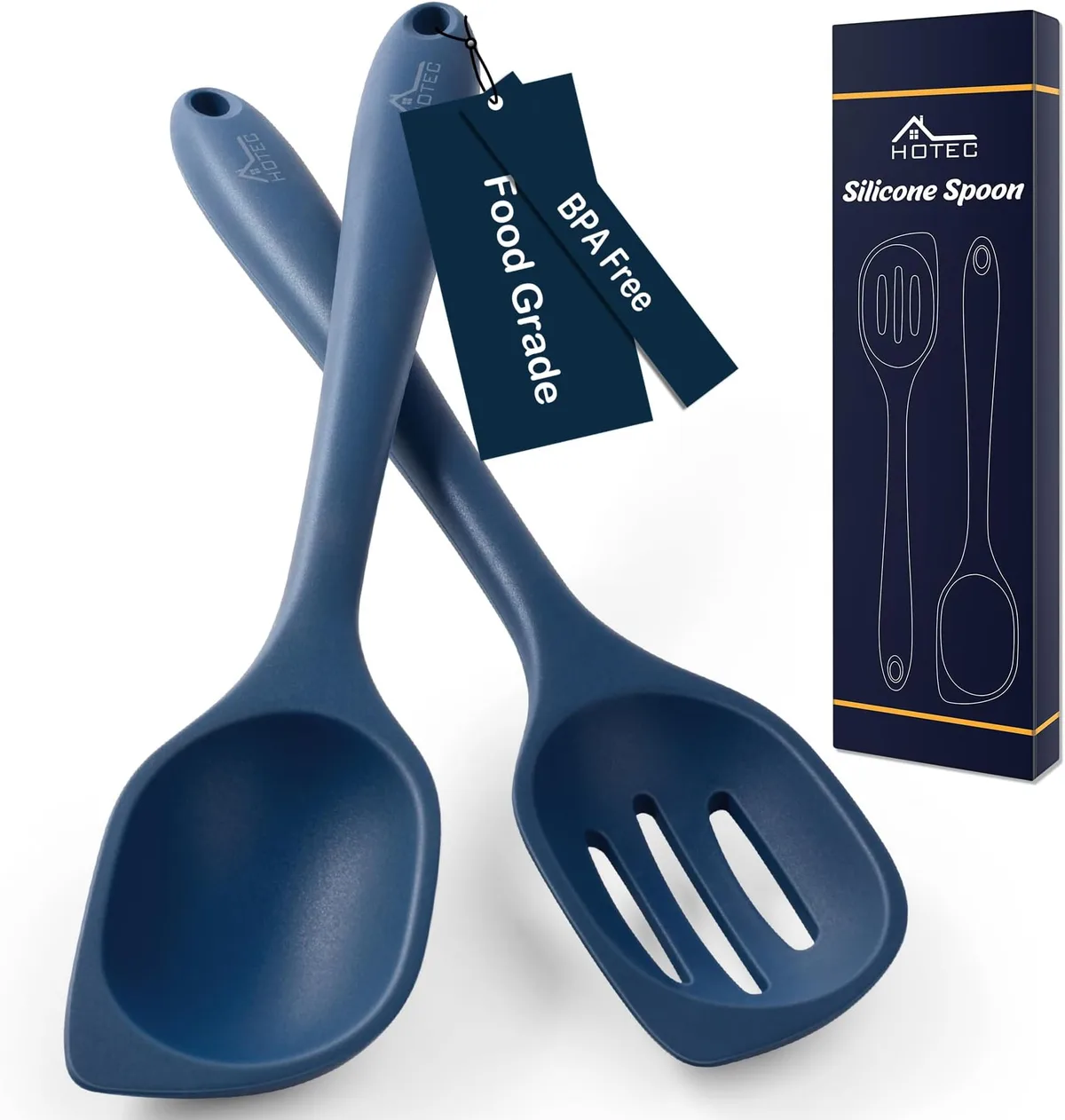
This side-by-side comparison shows why shape matters more than size. The slotted version drains broth effectively. The solid bowl holds chunky stews securely.
Pick based on what you serve most often.
Problem Two: Deep Pots Require Unsafe Reaching
You're at a holiday table with a massive roasting pan or Dutch oven. Your shortest spoon can't reach the bottom. You stretch awkwardly.
Hot liquid splashes your wrist. This happens constantly at Thanksgiving dinners across America.
The solution is straightforward: select utensils with extended handles. Look for long-handle serving spoons at 12 to 14 inches. These let you reach into deep vessels without leaning over hot food.
If you cook from large stockpots regularly, consider a pasta fork or spaghetti server with an extra-long grip.
Some home cooks skip this step and use regular dinner utensils anyway. They risk burns and messy spills. Don't be that person.
Measure your deepest pot before buying new serving tools.
Problem Three: Non-Stick Pans Get Scratched by Metal
Metal serving spoons destroy non-stick coatings. Once the surface scratches, food sticks permanently. The coating may also flake into your meals.
The FDA warns about microplastic particles from damaged non-stick surfaces entering food.
Switch to silicone, wood, or nylon serving spoons for non-stick cookware. Silicone handles heat up to 400 to 600°F depending on grade. Wood won't scratch and feels warm in the hand.
Nylon sits somewhere between, cheap but heat-sensitive above 400°F.
If you already own expensive non-stick pans, replace every metal utensil that contacts them. One scratched pan costs far more than a full set of safe alternatives.
For guidance on protecting your outdoor dinnerware alongside your cookware, check out this guide to maintaining outdoor tableware.
Problem Four: Hot Liquids Splash Everywhere
Ladling soup from a narrow pot is a nightmare if your ladle has a shallow bowl. Liquid cascades over the rim. You end up with sauce on your counter instead of in the bowl.
Choose a ladle with a deep, rounded bowl and a poured lip that directs flow precisely. Look for heat-resistant handles, metal handles conduct warmth fast. Silicone-coated grips stay comfortable even with boiling broth.
Buffet hosts face this problem repeatedly during large gatherings. A poorly designed ladle turns elegant service into a messy disaster. Invest in proper serving ware before your next event.
Problem Five: Tongs Lose Their Grip Mid-Serve
Spring-loaded tongs work beautifully until the tension fades. You reach for a heavy roast. The tongs slip.
Food drops on the floor. This ruins your outfit and your mood.
Replace worn tongs immediately. Check the pivot point for looseness. If the spring resists minimal pressure, the mechanism is fatigued.
Some models allow tension adjustment, read the manufacturer instructions. Otherwise, buy new tongs rated for heavier loads.
Heavy-duty serving tongs with interlocking teeth grip meats and vegetables securely. They cost slightly more but perform consistently through hundreds of uses.
Material & Design Decisions: What Works for Your Specific Situation
Material choice defines how your utensils perform over months and years. The wrong material accelerates wear and creates safety issues. Let's break down the three major options most households should consider.
Silicone Serving Utensils
Silicone dominates modern kitchens for good reason. It's non-scratch, heat-resistant, and flexible enough to scrape bowls clean. Most food-grade silicone handles temperatures between 400°F and 600°F without melting or deforming.
| Silicone Pros | Silicone Cons |
|---|---|
| Safe for all non-stick surfaces | Can feel flimsy on heavy foods |
| Dishwasher safe | Stains from turmeric and tomato sauce |
| Soft grip stays cool to touch | Melts near open flames |
| BPA-free and chemically inert | Lower-tier brands crack after repeated washing |
Premium silicone blends reinforce the polymer for extra durability. Cheaper versions delaminate within months. Check reviews for long-term cracking reports before purchasing.
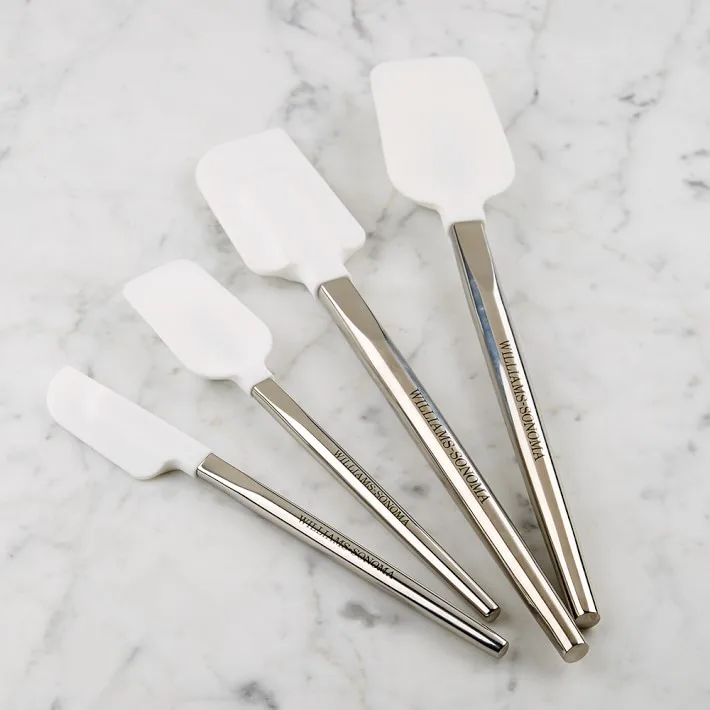
This comparison shows how material texture affects both function and aesthetics. Silicone offers flexibility. Wood provides rigidity.
Stainless delivers strength. Your food type determines which trait matters most.
Wooden and Bamboo Utensils
Wood feels classic for a reason. It doesn't conduct heat, won't scratch any cookware, and feels substantial in your hand. However, wood demands more attention than synthetic materials.
Bamboo ranks harder than most traditional woods, making it resistant to moisture absorption and bacterial growth. Regular hardwood spoons, maple, cherry, walnut, absorb liquids over time. They stain and crack without maintenance.
The USDA notes that untreated porous surfaces harbor bacteria when exposed to raw meat juices. Seal wooden tools properly to stay safe.
Season wooden utensils with food-safe mineral oil every few weeks. Apply a thin coat, let it absorb overnight, and wipe away the excess. This routine keeps wood supple and water-resistant.
Skip it, and you'll face cracks that trap food particles.
Stainless Steel Serveware
Stainless steel is the durable workhorse of professional kitchens. It won't stain, warp, or harbor bacteria in cracks. Dishwashers handle it without complaint.
The downside: it scratches non-stick coatings and conducts heat aggressively.
If you cook primarily with stainless or cast iron pans, this material makes sense. Pair it with silicone-tipped versions if your cookware includes any non-stick pieces. Mixed-material sets give you flexibility across different cooking scenarios.
Look for 18/10 stainless steel, that ratio means 18% chromium for rust resistance and 10% nickel for shine and strength. Cheaper 18/0 grades corrode faster and dull quickly.
For more ideas on stylish yet functional table settings, explore these best gold flatware set recommendations.
Using and Caring for Your Serving Utensils: Steps to Prevent Damage
Proper care extends utensil lifespan dramatically. A $20 wooden spoon that receives monthly oiling lasts twice as long as one that gets tossed in the dishwasher weekly. Follow these routines based on your material type.
Hand-Washing Protocol by Material
Not all serving tools survive dishwashers. Heat and detergent degrade certain materials faster than gentle washing ever would.
- Wood and bamboo: Hand-wash immediately after use. Dry completely before storing. Never soak. Apply food-safe mineral oil monthly.
- Silicone: Dishwasher safe, but hand-washing preserves color and flexibility longer. Avoid abrasive scrubbers that score the surface.
- Stainless steel: Both dishwasher and hand-wash friendly. Dry immediately to prevent water spots. Polish with a soft cloth for shine.
- Nylon and plastic: Hand-wash only. High dishwasher heat warps these materials over time. Inspect for stress fractures quarterly.
Seasoning Wooden Utensils Correctly
Proper seasoning creates a protective barrier against moisture and food acids. Here's the routine that professional chefs use.
- Clean the utensil thoroughly and dry it completely.
- Apply a generous coat of food-grade mineral oil to all surfaces.
- Let the oil penetrate for at least 2 hours, ideally overnight.
- Wipe away any excess with a clean cloth.
- Repeat monthly or whenever the wood looks dry or pale.
Avoid vegetable or cooking oils, they go rancid and create off-flavors. Mineral oil stays stable indefinitely and is harmless if ingested in trace amounts.
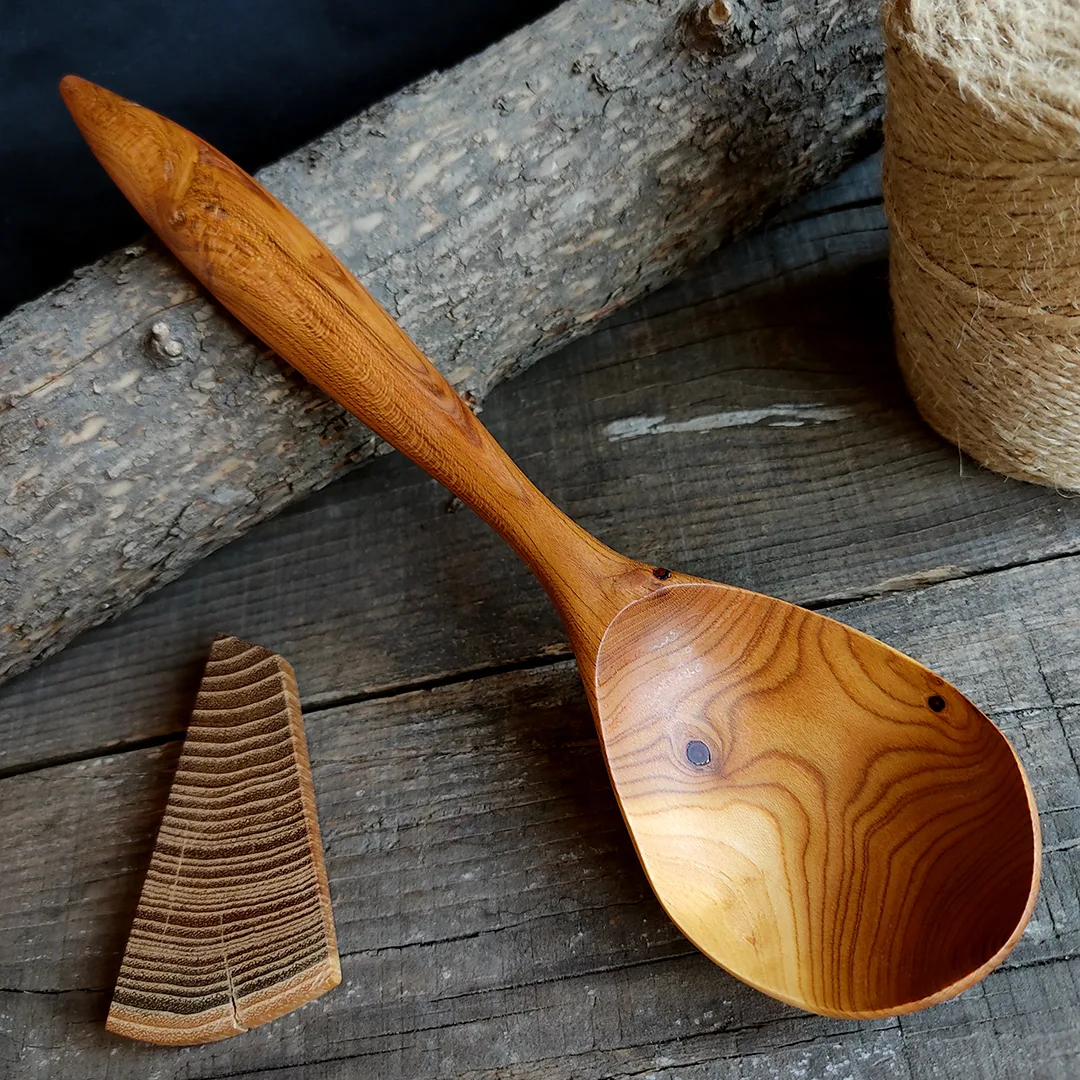
Regular oiling prevents the hairline cracks that eventually split wooden spoons in half. A five-minute monthly habit saves you from buying replacements constantly.
Knowing When to Retire Worn Utensils
Some damage signals mean it's time to replace. Ignore them and you risk contamination or injury.
Replace immediately if you see:
- Deep cracks that trap food particles
- Chipped or flaking coatings on non-stick-compatible tools
- Rust spots on stainless steel (indicates compromised alloy)
- Loose or wobbly handles on riveted designs
- Melting or warping near heat sources
- Faded coloring that suggests chemical degradation
Replace soon if you notice:
- Surface scratches deep enough to catch a fingernail
- Persistent odors that washing doesn't remove
- Staining from acidic foods like tomato sauce or citrus
A well-maintained stainless steel spoon can last decades. A wooden one typically reaches 2 to 5 years depending on care. Silicone falls in between at roughly 3 to 7 years with regular use.
Budget accordingly when evaluating total cost of ownership.
Learn more about extending the life of your camping kitchen gadgets with similar maintenance principles.
Cost vs. Value: Pricing Tiers and When to Upgrade
Price alone doesn't predict quality, but it reveals what features to expect at each tier. Understanding these ranges prevents overspending on basics and underbuying on critical tools.
Entry-Level Options: $5 to $15 Per Piece
Basic utensils at this price point cover everyday needs adequately. You'll find single spoons, basic tongs, and simple spatulas from supermarket brands. Materials vary, thinner silicone, lower-grade stainless, softwoods like pine.
These work fine for occasional use. Don't expect them to withstand daily heavy-duty service. Expect bending, discoloration, and eventual handle looseness within the first year.
Good for college apartments or guest kitchens that see minimal traffic.
Mid-Range Selections: $15 to $40 Per Piece
This tier delivers noticeably better materials and smarter design. Look for:
- Full-tang stainless steel construction
- Ergonomic soft-grip handles
- Locking mechanisms on serving tongs
- Heat-rated silicone at 450°F or higher
- Properly seasoned hardwood or dense bamboo
Mid-range sets often include coordinated pieces, matching spoons, spatulas, and tongs that share a design language. The investment pays off through extended lifespan and more consistent performance across different cooking tasks.
Premium and Professional Grades: $40 to $100+
Professional-grade tools target serious home cooks and commercial kitchens. NSF certification confirms compliance with foodservice safety standards. Lifetime warranties signal manufacturer confidence.
Materials include surgical-grade stainless, reinforced silicone compounds, and sustainably harvested hardwoods.
Specialty items like electric carving knives, weighted soup ladles with pour-stop lips, and adjustable-angle tongs appear at this level. If you entertain frequently or cook elaborate meals weekly, these upgrades justify their cost through durability and specialized functionality.
Total Ownership Cost Comparison
| Material | Replacement Frequency | Annual Cost Estimate | Maintenance Required |
|---|---|---|---|
| Basic wood | Every 2 years | $10 to $20 | Monthly oiling |
| Quality wood | Every 4 to 5 years | $8 to $15 | Monthly oiling |
| Standard silicone | Every 3 years | $12 to $25 | Minimal |
| Premium silicone | Every 5 to 7 years | $10 to $18 | Minimal |
| Stainless steel | Every 10+ years | $5 to $10 | None beyond washing |
| Mixed-material set | Varies by component | $15 to $30 | Depends on combo |
The cheapest option often costs more per year when you factor in replacements. A $40 wooden spoon that lasts 5 years beats six $7 replacements over the same period. Calculate value across years, not just the sticker price.
When building out your full serving setup, consider how these tools complement other essentials like a well-chosen outdoor serving tray for efficient buffet-style meal transport.
Frequently Asked Questions
Which serving utensil is safest for non-stick cookware?
Silicone and wood are the safest choices. They won't scratch or degrade the non-stick coating during regular use. Metal utensils gouge the surface and expose bare aluminum beneath, creating health concerns and sticking problems.
How do I stop soup from splashing while ladling?
Use a ladle with a deep bowl and a poured spout that controls flow direction. Pour slowly and keep the ladle tilted toward the bowl edge rather than holding it vertically over the pot center. These small adjustments eliminate most splashing.
Can I put wooden serving spoons in the dishwasher?
No. Dishwasher heat and prolonged moisture cause wood to swell, crack, and warp. Hand-wash wooden tools immediately after use, dry them thoroughly, and apply mineral oil monthly to maintain structural integrity.
What's the difference between slotted and solid serving spoons?
Slotted spoons let liquids drain through openings while retaining solid food, ideal for vegetables, pasta, and fried items. Solid spoons hold liquids and chunky mixtures like stews and chilis. Choose based on what you serve most frequently.
How often should I oil wooden utensils?
Apply food-safe mineral oil once a month under normal use. Increase frequency to every two weeks during heavy serving seasons or in dry climates. The wood should feel smooth and repel water.
If it absorbs liquid quickly, it needs oil immediately.
Are NSF-certified serving utensils worth the extra cost?
Yes if you run a home catering business or feed large groups regularly. NSF certification guarantees the materials meet commercial foodservice safety standards for cleanliness and durability. Casual home users rarely need this level of verification but benefit from the quality assurance.

Ethan Cole is a kitchen innovation enthusiast and food technology writer at DiningGadgets.com. With over 8 years of experience reviewing cookware, smart kitchen tools, and design trends, he helps readers discover gadgets that make cooking easier and dining more enjoyable. When he’s not testing the latest kitchen appliances, Ethan enjoys experimenting with recipes and sharing practical tips for modern homes.