What Color Walls Go With Blue Kitchen Cabinets: Stunning Ideas
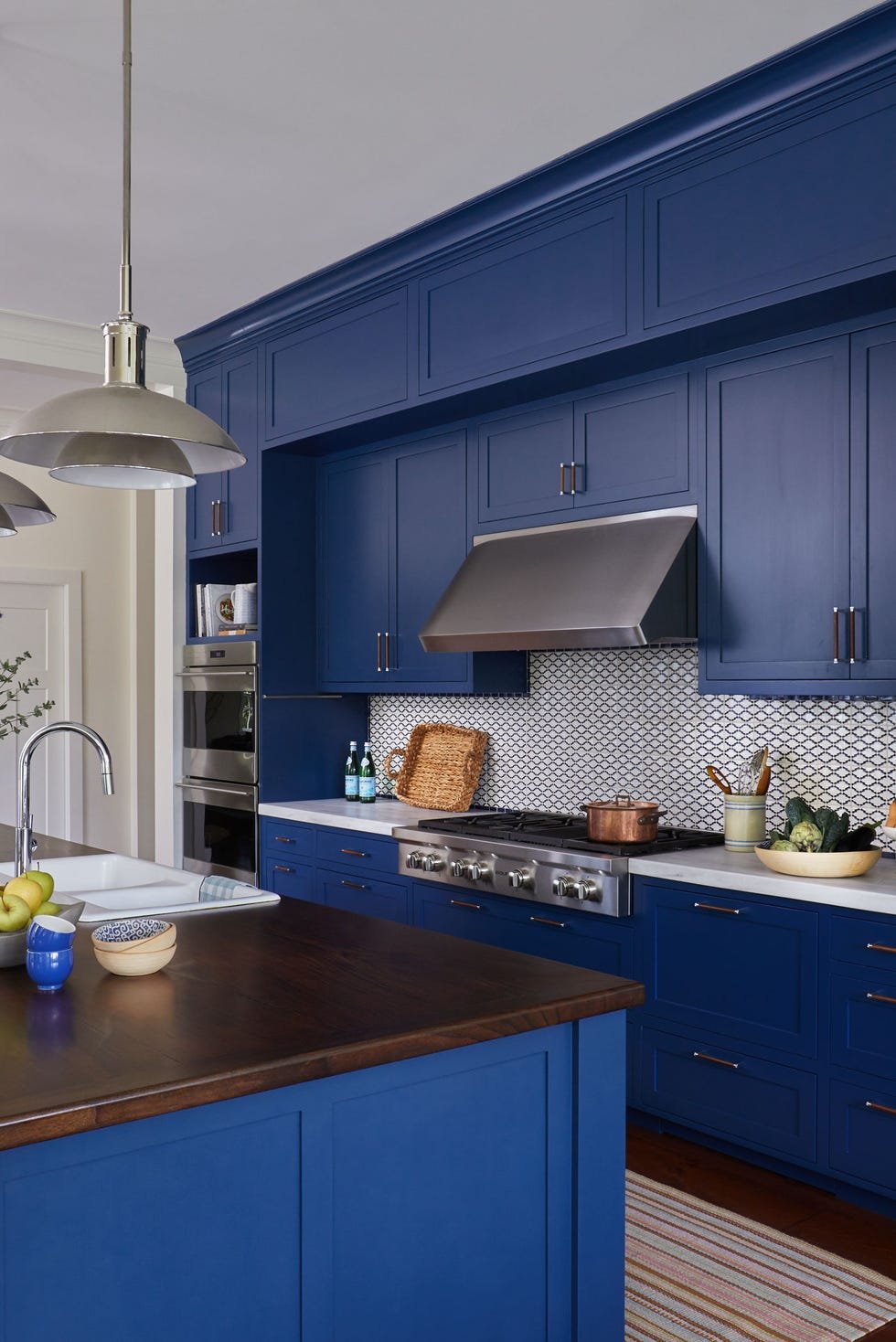
Blue kitchen cabinets are a timeless, versatile choice that works for everything from cozy farmhouse kitchens to sleek modern spaces, but the right wall color is what turns a generic design into a stunning, cohesive layout. The wrong shade can wash out your cabinetry, make the space feel cold, or clash with your existing decor, while the perfect pairing amplifies the blue’s depth, boosts natural light, and makes your kitchen the warm, inviting heart of your home. Whether you’re renovating a forever home or refreshing a rental, this guide breaks down designer-approved, practical pairings tailored to your cabinet undertone, kitchen layout, and personal style. As the American Society of Interior Designers notes, cohesive color palettes in high-use spaces like kitchens can boost both mood and perceived functionality of the area ASID. We’ll cover low-risk neutrals, bold statement hues, cozy earthy tones, and key design mistakes to avoid, so you can confidently pick a wall color that makes your blue cabinets shine.
Why Wall Color Choice Makes or Breaks a Blue Cabinet Kitchen
Blue is one of the most popular cabinet colors for a reason: it works with nearly every design style, hides minor wear and tear better than light shades, and feels both calming and energizing depending on the shade you choose. But unlike neutral cabinet colors, blue has distinct undertones that can clash with the wrong wall hue. A cool-toned navy cabinet, for example, will look dull next to a warm yellow wall, while a warm slate blue cabinet can feel washed out against a stark cool gray. Getting the undertone match right is the first step to a stunning, balanced kitchen. For more on this, see our guide on what color walls go with green kitchen cabinets.
First: Identify Your Blue Cabinet Undertone
Before you start browsing paint swatches, take 2 minutes to figure out if your blue cabinets have cool or warm undertones, as this will narrow down your best wall color options instantly. Use the simple test below to sort your cabinetry:
| Blue Cabinet Undertone | Example Shades | Best Matching Wall Colors | Avoid |
|---|---|---|---|
| Cool (gray/green base) | Navy, sky blue, cobalt | Soft white, cool gray, pale mint, emerald green | Warm beige with yellow undertones, bright terracotta |
| Warm (red/orange base) | Slate blue, denim, periwinkle | Warm beige, greige, soft yellow, blush pink | Cool gray with blue undertones, stark clinical white |
To test your cabinets, hold a plain white piece of paper up next to them in natural daylight. If the blue looks slightly greenish or grayish, it has cool undertones. If it looks slightly reddish or purplish, it has warm undertones. Blue cabinetry has ranked among the top 3 most popular kitchen cabinet colors for the past 5 years, per National Kitchen and Bath Association trend data NKBA, so getting this pairing right will keep your design feeling current for years to come.
Top Neutral Wall Colors for Timeless, Low-Risk Style
Neutrals are the go-to choice for homeowners who want a versatile, low-maintenance kitchen that won’t go out of style. These shades balance blue’s boldness without competing for attention, and they work with every cabinet shade from pale sky blue to deep navy. For more on this, see our guide on what color walls go with brown kitchen cabinets.
Soft White
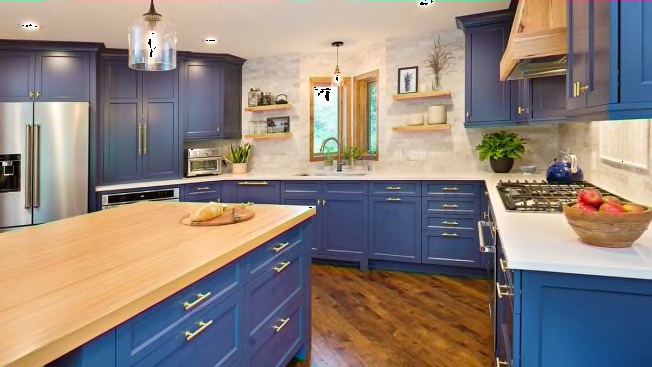
Soft white is the most popular wall color for blue cabinets, and for good reason: it reflects light to make small kitchens feel larger, creates a subtle contrast that makes blue cabinetry pop, and works with every design style from modern to traditional. The key is avoiding stark, cool clinical white, which can clash with warm wood countertops or brass hardware. Instead, opt for a soft white with a faint cream or gray undertone that matches your cabinet’s undertone. In practice, we’ve found that a matte soft white finish pairs especially well with matte blue cabinets for a seamless, elevated look.
Warm Beige & Greige
Warm beige and greige (gray-beige blends) add cozy, earthy warmth that balances the coolness of blue cabinets, making them ideal for kitchens with lots of natural wood accents, stone countertops, or open shelving. Shades like toasted almond, warm taupe, and greige with a beige base work beautifully with warm-toned blue cabinets like slate or denim, while also complementing cool-toned blue cabinets in sunlit spaces. Avoid beiges with strong yellow undertones, which can make cool blue cabinets look dull. This pairing is perfect for farmhouse, transitional, and Japandi kitchen designs. For more on this, see our guide on what color to paint my kitchen walls with.

Cool Gray
Cool gray shades like pewter, blue-gray, and soft charcoal create a sleek, modern contrast that enhances the depth of dark blue cabinets, especially navy. This pairing works beautifully with stainless steel appliances, matte black hardware, and minimalist design elements, making it a top choice for contemporary and industrial kitchens. The only caveat: avoid dark charcoal gray in small, low-light kitchens, as it can make the space feel cramped. For compact layouts, stick to light to medium cool gray to keep the space feeling airy.
Bold, High-Impact Wall Colors for Personality
If you want your kitchen to feel lively and unique, bold wall colors are a great way to add personality without overwhelming your blue cabinetry. These shades create intentional contrast that makes your space feel curated, not cluttered. For more on this, see our guide on what color to paint kitchen walls with light.
Rich Forest & Emerald Green
Deep green walls create a lush, natural contrast with blue cabinets that feels both fresh and calming, making it a top choice for boho, rustic, and maximalist kitchen designs. The green undertones complement both cool and warm blue cabinets, and the pairing feels surprisingly cozy rather than cold. Add brass or gold hardware to tie the two bold hues together for a polished, luxe look. For those who prefer cooler cabinet undertones, our green cabinet wall pairings guide explores how to match walls to forest, sage, and emerald green cabinetry.
Sunny Mustard & Pale Yellow
Warm yellow walls add cheer and brightness that balances the coolness of blue cabinets, making them ideal for dark, north-facing kitchens that need a light boost. Opt for muted mustard, butter, or pale yellow shades instead of bright neon, which can feel harsh in a kitchen space. This pairing works beautifully for cottage, farmhouse, and eclectic kitchens, especially when paired with natural wood accents and white subway tile. For more on this, see our guide on what color walls go with white kitchen cabinets.
Deep Navy & Charcoal
For a moody, sophisticated look, paint one accent wall (or all four walls, if your kitchen is large and sunlit) in a shade of navy or charcoal that’s 1-2 shades darker than your blue cabinets. This monochromatic layered look adds depth and makes the space feel intimate and polished, perfect for modern and industrial kitchen designs. A common mistake is using dark walls on all four walls in a small, dim kitchen, which can make the space feel cave-like; stick to an accent wall only for compact layouts.
Terracotta & Clay
Muted terracotta and clay tones add warm, rustic energy that contrasts beautifully with blue cabinets, creating a cozy, Mediterranean-inspired vibe. This pairing works especially well with concrete countertops, open wood shelving, and woven textiles. Avoid bright orange terracotta, which can clash with cool blue cabinets; opt for matte, muted clay tones for a softer, more balanced look.
 Green accent walls create a bold, natural contrast with medium blue cabinets, ideal for rustic or boho kitchens.
Credit: www.decorpad.com
Green accent walls create a bold, natural contrast with medium blue cabinets, ideal for rustic or boho kitchens.
Credit: www.decorpad.com
Earthy & Organic Wall Colors for Cozy, Natural Vibes
If you prefer a warm, grounded aesthetic, earthy wall colors balance the coolness of blue cabinets to create a kitchen that feels like a welcoming, natural retreat. These shades pair especially well with natural materials like wood, stone, and woven textiles.
Muted Brown & Taupe
Muted browns and warm taupes add subtle depth and warmth that complements blue cabinets without overpowering them. Shades like light mocha, warm taupe, and oak-toned brown work beautifully with both cool and warm blue cabinets, and they pair seamlessly with butcher block countertops, shaker-style cabinets, and farmhouse sinks. This pairing is ideal for rustic, farmhouse, and Japandi kitchen designs.
Olive Green
Soft olive green walls create a calm, organic contrast with blue cabinets that feels fresh and unexpected without being overwhelming. The muted green undertones complement both cool and warm blue shades, making it a versatile choice for minimalist, organic modern, and cottage kitchens. Add jute rugs, rattan lighting, or potted herbs to enhance the natural, spa-like vibe.
Clay & Muted Terracotta
For a softer take on bold terracotta, opt for muted clay wall tones that add warm, rustic charm without clashing with blue cabinets. This pairing works especially well with concrete countertops, exposed brick accents, and vintage hardware, making it perfect for Mediterranean, rustic, and eclectic kitchen designs.
Soft Pastel Wall Colors for Gentle, Unique Style
Pastel wall colors add a soft, sophisticated touch to blue cabinet kitchens, creating a space that feels bright and inviting without the intensity of bold hues. These shades work especially well for homeowners who want a unique design that still feels calm and livable.
Blush Pink
Blush pink walls add a warm, subtle contrast that brings out the richness of dark blue or navy cabinets, creating a romantic, elegant vibe that works for traditional, cottage, and feminine-style kitchens. Pair with gold or brass hardware and marble countertops for a luxe, polished look. Avoid bright pink shades, which can feel jarring next to blue cabinetry.
Pale Lavender
Faint, gray-based lavender walls add a cool, calming complement to blue cabinets that feels unexpected but serene. The subtle purple undertone enhances the blue’s coolness without clashing, making it a great choice for modern, cottage, and eclectic kitchens. Stick to muted, desaturated lavender instead of bright purple to keep the look soft and inviting.
Pale Mint & Seafoam
Pale mint and seafoam green walls add a crisp, fresh touch that makes blue cabinets feel bright and airy, perfect for coastal, cottage, and modern kitchen designs. This cool pastel pairs especially well with light blue or navy cabinets, and it feels especially refreshing when paired with white subway tile and natural wood accents.
Patterns, Textures & Accent Walls to Elevate Your Design
If you don’t want to commit to a full wall of solid color, patterns and textures add depth and personality to your blue cabinet kitchen without overwhelming the space.
Subtle Wallpaper
Opt for small-scale, muted patterns in shades that complement your wall color palette, such as tiny florals, subtle geometric shapes, or linen-look textures. Avoid large, bold patterns that will compete with your blue cabinets. Use wallpaper on a single accent wall only, rather than all four walls, to keep the space feeling balanced.
Textured Paint & Plaster
Matte, sand-infused, or lime plaster finishes add subtle dimension to your walls without using patterns, catching light in interesting ways that make the space feel warm and inviting. Neutral textured paints like soft white, warm gray, or pale taupe pair beautifully with both matte and glossy blue cabinet finishes.
Shiplap & Tile Accent Walls
White or light gray shiplap adds subtle, rustic texture that complements blue cabinets in farmhouse and coastal kitchens. For a bolder look, opt for a mosaic tile accent wall behind your stove or sink in a shade that picks up undertones from your wall color, such as soft green tile next to green walls or terracotta tile next to beige walls.
Finishing Touches: Hardware & Accent Colors to Tie the Palette Together
The right hardware and accent elements bridge the gap between your blue cabinets and wall color, creating a cohesive, polished look.
Metallic Accents
Metallics add warmth and shine that complements both your cabinets and walls:
- Gold/brass: Pairs with warm wall colors (beige, blush pink, yellow) and warm blue cabinets for a luxe, timeless look. Works especially well with navy blue cabinets and soft white walls.
- Copper: Adds rustic, earthy warmth that pairs with warm blue cabinets and earthy wall tones (terracotta, muted brown). Copper develops a unique patina over time, adding character to your kitchen as it ages. For hosts who love pairing fresh pasta with curated vintages, our guide to at-home wine crafting for beginners makes it easy to craft your own batches to complement meals.
- Silver/chrome: Pairs with cool blue cabinets and cool wall colors (gray, white) for a sleek, modern look. Ideal for minimalist and industrial kitchen designs.
Backsplash Pairings
Your backsplash is a natural bridge between your cabinets and walls: choose a shade 1-2 tones lighter or darker than your wall color for a seamless look. White subway tile works with every wall color and cabinet shade, while natural stone marble or quartzite adds texture that pairs well with neutral and earthy wall tones.
How Lighting Changes Your Wall Color Choice
Lighting can shift the appearance of your wall color by up to 3 shades, so it’s critical to test swatches in your actual kitchen before committing to a hue.
Natural Light Considerations
- North-facing kitchens (cool, dim light): Opt for warm neutrals (warm beige, soft white with cream undertones) to avoid feeling cold and gloomy. Cool grays and stark whites will look dull in these spaces.
- South-facing kitchens (bright, warm light): Can handle cool tones (cool gray, soft white, pale mint) without feeling stark. Test swatches at noon, when light is brightest, to make sure the hue doesn’t look washed out.
- East/west-facing kitchens: Get a mix of cool and warm light throughout the day, so test swatches at 8am, noon, and 8pm to see how the hue shifts.
A common mistake is choosing a wall color based on how it looks in a store or on a small swatch, only to find it looks completely different in your kitchen’s unique lighting.
Artificial Lighting
- Warm LED bulbs (2700K): Cast a soft yellow glow that makes cool blue cabinets look richer and more inviting. Pair with warm neutrals, soft pastels, or earthy wall tones for a cozy, welcoming vibe.
- Cool LED bulbs (3000K+): Enhance the crispness of light and dark blue cabinets, making the space feel bright and modern. Pair with cool gray, soft white, or pale mint walls for a fresh, airy feel.
Avoid cool fluorescent lighting, which can make blue cabinets look dull and washed out, and cast unflattering shadows on your wall color.
Common Mistakes to Avoid When Pairing Wall Colors With Blue Cabinets
Even with the best research, it’s easy to make small errors that throw off your kitchen’s balance. Avoid these common pitfalls:
- Choosing a wall color that clashes with your cabinet undertone (e.g., cool gray with warm blue cabinets)
- Picking a wall color that’s too similar in brightness to your cabinets (e.g., navy walls with navy cabinets, which flattens the space)
- Using bold, saturated wall colors on all four walls in a small, low-light kitchen, which can make the space feel cramped
- Skipping the paint swatch test, which leads to costly, avoidable repaints
- Forgetting to account for your backsplash, hardware, and countertop tones when selecting a wall color
Frequently Asked Questions
What wall colors work best for small kitchens with blue cabinets?
Soft white, pale mint, and light warm beige are ideal for small spaces, as they reflect light and create the illusion of more square footage. Avoid dark, saturated wall colors on all four walls, as they can make compact kitchens feel cramped.
Do I need to match my wall color to my backsplash?
Not strictly, but choosing a backsplash 1-2 shades lighter or darker than your wall color creates a cohesive, polished look. For example, pair soft white walls with a light gray marble backsplash, or warm beige walls with a terracotta tile backsplash.
Can I use two different wall colors in a kitchen with blue cabinets?
Yes, this is a great way to add depth without overwhelming the space. Use a light neutral on three walls, and a bold accent color (like deep green or terracotta) on the wall behind your stove or sink to create a subtle focal point.
What if I have open shelving with my blue cabinets?
Choose a wall color that complements both your blue cabinets and the items you display on open shelves. Neutral wall colors like soft white or warm beige are low-risk, as they won’t clash with colorful dishware or decor.
Do metallic accents change which wall colors work with blue cabinets?
Metallics act as a bridge between your cabinet and wall tones. For example, brass hardware pairs well with warm wall colors (beige, blush pink) and warm blue cabinets, while chrome pairs with cool wall colors (gray, white) and cool blue cabinets.
Final Tips for a Cohesive Blue Cabinet Kitchen
- Always test 3-4 paint swatches on your wall, and observe them at different times of day for 48 hours before buying a full gallon of paint.
- Match your paint finish to your cabinet finish: matte blue cabinets pair well with matte or eggshell wall paint, while glossy blue cabinets work with satin or semi-gloss walls for subtle shine.
- Tie your palette together with small decor accents that pick up undertones from both your cabinets and walls, such as throw pillows, dishware, or small art pieces.
- If you ever swap your blue cabinetry for warm wood tones, our guide to brown cabinet color matches walks through complementary wall shades for that aesthetic. For food and wine lovers planning a trip to Italy, our guide to Roman pasta and wine experiences outlines must-visit spots for culinary inspiration. If you enjoy crafting your own beverages at home, our selection of beginner-friendly home wine kits offers everything you need to get started with small-batch winemaking.
Conclusion
Blue kitchen cabinets offer endless design flexibility, and the right wall color is the key to unlocking their full potential. Soft neutrals like white, beige, and gray are low-risk, timeless choices that work for every style, while bold greens, yellows, and earthy terracotta add personality and warmth for homeowners who want a more unique space. Soft pastels like blush pink and pale mint offer a gentle, unexpected twist that feels fresh without overwhelming the room. No matter which shade you choose, the most important step is to test swatches in your actual kitchen lighting to ensure the hue looks perfect at all times of day. Ready to transform your space? Start by picking up 3-4 paint swatches that match your cabinet undertone, test them in your kitchen over 2 days, and you’ll be on your way to a stunning, cohesive design you’ll love for years.