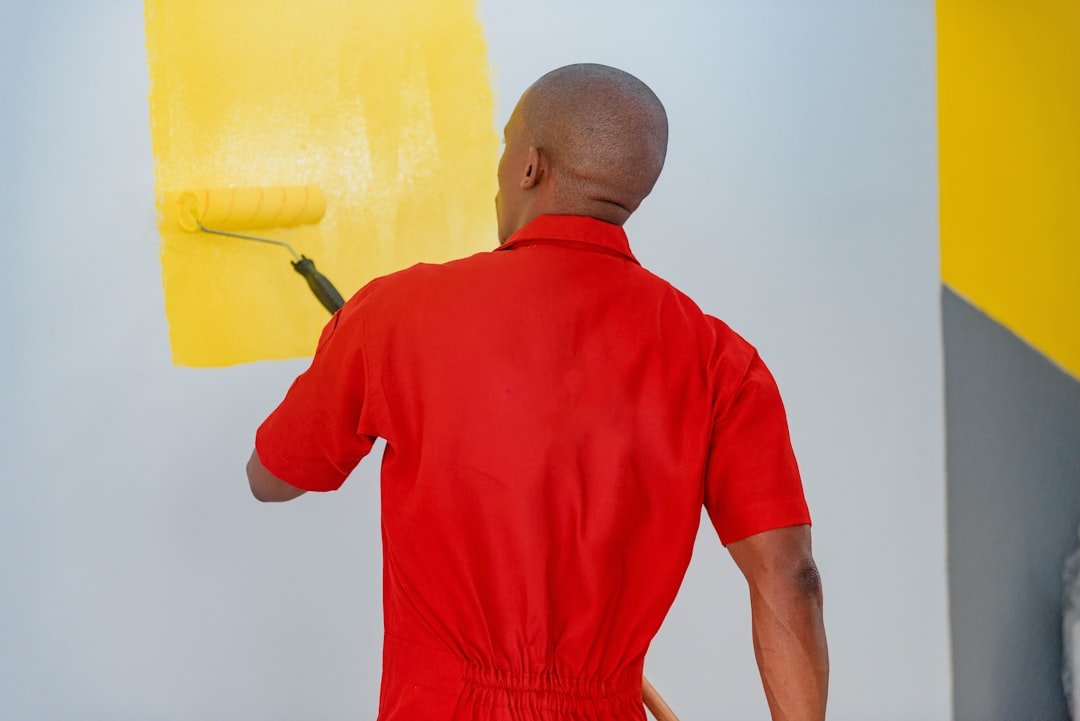
How to Clean Greasy Kitchen Walls before Painting: Easy, Effective Tips
Does the thought of painting your How to Clean Greasy Kitchen Walls before Painting bring a blend of excitement and dread? You’re not alone.
A fresh coat of paint can transform your kitchen, but those greasy walls can feel like an insurmountable obstacle. Before you dive into your painting project, it’s crucial to tackle the grime and grease that has built up over time.
Imagine the satisfaction of a smooth, clean surface that makes your new paint job look flawless. In this guide, you’ll discover simple, effective methods to clean those greasy kitchen walls, ensuring your painting project starts on the right foot. Ready to make your kitchen walls shine like new and give your paint the perfect canvas? Keep reading, and you’ll be armed with all the tips and tricks you need for success.
Identify Grease Sources
Before you start cleaning greasy kitchen walls, it’s crucial to understand where the grease is coming from. Identifying the sources helps you target the problem more effectively and prevents future buildup. It also ensures you don’t miss any hidden spots that can ruin your fresh paint job.
Check Cooking Areas
The stove and the area right above it are usually the biggest culprits. Grease particles fly up when you fry or sauté food, settling on walls and cabinets nearby. Don’t forget the microwave and toaster oven surroundings—these often overlooked spots can accumulate grease too.
Inspect Ventilation And Exhaust Fans
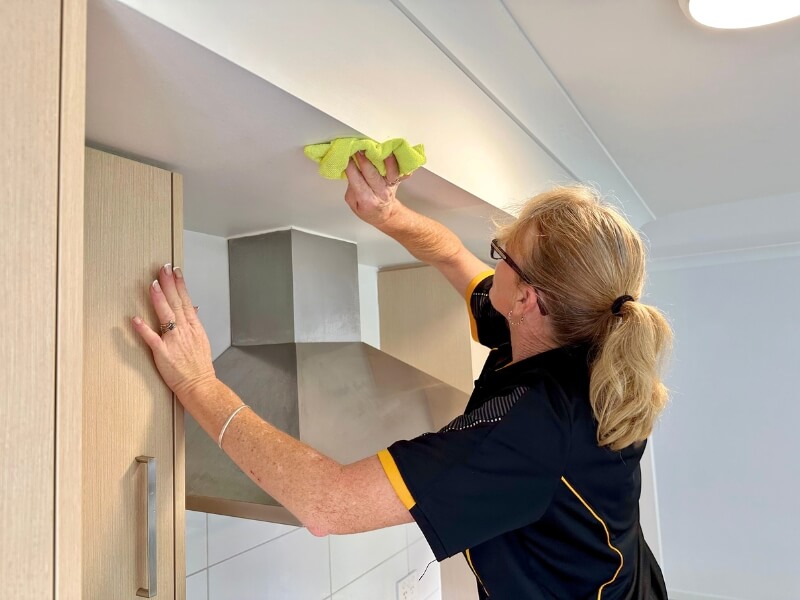
Exhaust fans pull grease and smoke out of your kitchen, but over time they can get clogged or become less effective. When fans don’t work well, grease finds its way onto walls and ceilings. Take a close look at the fan filters and nearby wall surfaces for stubborn buildup.
Look Around Cooking Appliances
Other appliances like grills, deep fryers, and even coffee makers can contribute to greasy walls. The more you use these, the more grease you might find nearby. Pay attention to any splatter or steam vents that might be spreading grease beyond the immediate cooking zone.
Assess Kitchen Layout And Traffic
Think about your kitchen’s layout. Are walls near open windows or doorways where outdoor dust and indoor grease mix? High-traffic areas where you often carry greasy hands might also collect residues. These spots need extra cleaning before painting to avoid dirt showing through.
Have you noticed any unusual spots that seem extra greasy? Sometimes, grease appears in unexpected places because of airflow or habits in your kitchen. Identifying these helps ensure your walls are truly clean and ready for paint.
Credit: www.maid2match.com.au
Gather Cleaning Materials
Before you start scrubbing away at those greasy kitchen walls, gathering the right cleaning materials is essential. Having everything ready makes the process smoother and ensures you don’t miss any crucial tools. It’s surprising how much easier a task feels when you’re fully prepared.
Essential Cleaning Supplies
Start with a list of basic supplies that tackle grease effectively. You’ll need:
- Warm water– helps break down grease without damaging your paint.
- Dish soap– a grease-fighting staple that’s gentle yet powerful.
- White vinegar– perfect for cutting through stubborn oily residues.
- Baking soda– adds a mild abrasive quality for scrubbing.
- Sponges and scrub brushes– soft sponges for delicate spots and brushes for tougher areas.
- Microfiber cloths– great for wiping down and drying walls without leaving streaks.
- Bucket– to mix your cleaning solutions easily.
Protective Gear To Consider
Cleaning greasy walls can be messy. Protect your hands with rubber gloves to avoid irritation from cleaning agents. You might also want to wear old clothes or an apron since grease splatters can leave stains.
Optional Tools For Stubborn Grease
Sometimes grease clings stubbornly, and regular supplies might not be enough. Have on hand a gentle degreaser or a trisodium phosphate (TSP) cleaner if you want a stronger option. Just be sure to use these with care, following instructions to avoid damaging your walls.
Do you have all these materials ready? Preparing properly can save you from multiple trips back and forth, making your cleaning—and painting—experience much more enjoyable.
Prepare The Cleaning Solution
Preparing the cleaning solution is a crucial step before tackling greasy kitchen walls. The right mix not only removes stubborn grease but also ensures the surface is ready for paint to stick properly. You want a solution that’s strong enough to cut through grime but gentle enough to protect your walls.
Choosing The Right Ingredients
Start with basic household items like warm water, dish soap, and white vinegar. Dish soap breaks down grease effectively, while vinegar helps dissolve mineral deposits and kills bacteria. Avoid harsh chemicals that can damage drywall or paint primer.
Mixing The Solution
Use a clean bucket and fill it with about 4 cups of warm water. Add 2 tablespoons of dish soap and 1 cup of white vinegar. Stir gently until the soap dissolves completely—this balance creates a powerful grease-fighting liquid without leaving residue behind.
Testing The Solution
Before applying the solution all over, test it on a small, hidden area of your wall. This helps you ensure there’s no discoloration or damage. If the test spot looks good after drying, you’re ready to clean the entire surface.
Optional Additions For Tough Grease
If your kitchen walls are heavily greasy, consider adding baking soda to the mix. Sprinkle a bit on a damp sponge and scrub gently—baking soda acts as a mild abrasive that lifts stubborn grime. Just be careful not to scrub too hard to avoid damaging the wall.
Test Cleaning Method
Testing your cleaning method is important before scrubbing the entire kitchen wall. It helps prevent damage and ensures the cleaner works well. Always try the cleaner on a small, hidden area first.
Check the test spot after a few minutes. Look for any paint peeling, discoloration, or surface damage. If the test area looks good, you can proceed with confidence.
Choose A Small Test Area
Pick a spot that is not visible from the main kitchen space. This could be behind the stove or near a corner. Use this area to apply the cleaning solution.
Apply The Cleaning Solution
- Use a soft cloth or sponge.
- Apply a small amount of cleaner gently.
- Do not rub too hard to avoid damage.
Observe The Reaction
Wait for 5 to 10 minutes. Notice if the paint softens or fades. Watch for any surface damage or color changes.
Decide To Continue Or Change Method
If the test area stays intact, use the same cleaning method on the whole wall. If damage occurs, choose a gentler cleaner or a different approach.
Remove Surface Dust And Dirt
Removing surface dust and dirt is the first step before cleaning greasy kitchen walls. Dust and dirt can block cleaning solutions from working well. Walls must be free of loose particles to get clean and ready for painting. This step helps the paint stick better and last longer.
Use A Dry Cloth Or Duster
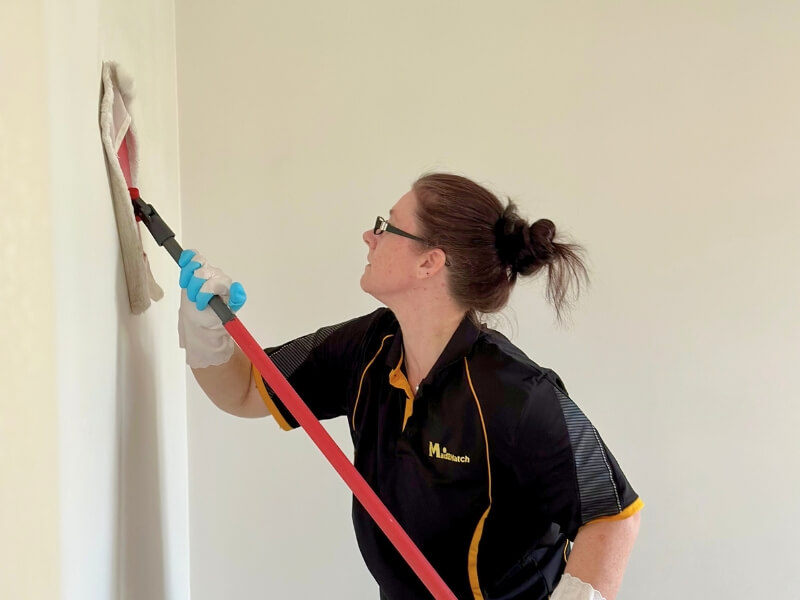
Start by wiping the walls with a dry cloth or duster. A microfiber cloth works well to trap dust. Move from top to bottom to catch all dirt. Avoid pressing too hard to stop spreading dust around.
Vacuum The Walls
Use a vacuum cleaner with a brush attachment. It removes dust from textured surfaces and corners. Vacuum slowly to pick up all loose dirt. This method is gentle and effective on delicate walls.
Check For Stubborn Dirt Spots
Look closely for spots that need extra cleaning. Use a soft brush or sponge to remove stuck dirt. Do not scrub hard to avoid damaging the wall surface. Clean these areas carefully before moving on.
Prepare Walls For Deep Cleaning
After dust and dirt removal, walls are ready for grease cleaning. This step ensures cleaning solutions work evenly. Proper preparation leads to smooth, fresh-looking walls after painting.
Credit: www.maid2match.com.au
Apply Degreaser
Before painting your kitchen walls, removing grease is essential to ensure paint sticks properly and lasts longer. Applying a degreaser breaks down the oily residue that soap and water alone can’t handle. Let’s look at effective ways to apply degreasers that work well on stubborn kitchen grease.
Use Commercial Cleaners
Commercial degreasers are designed specifically to cut through tough kitchen grime. Look for products labeled as kitchen degreasers or heavy-duty cleaners.
Spray the cleaner directly onto the greasy wall areas and let it sit for a few minutes. This waiting time allows the degreaser to soften the grease for easier removal.
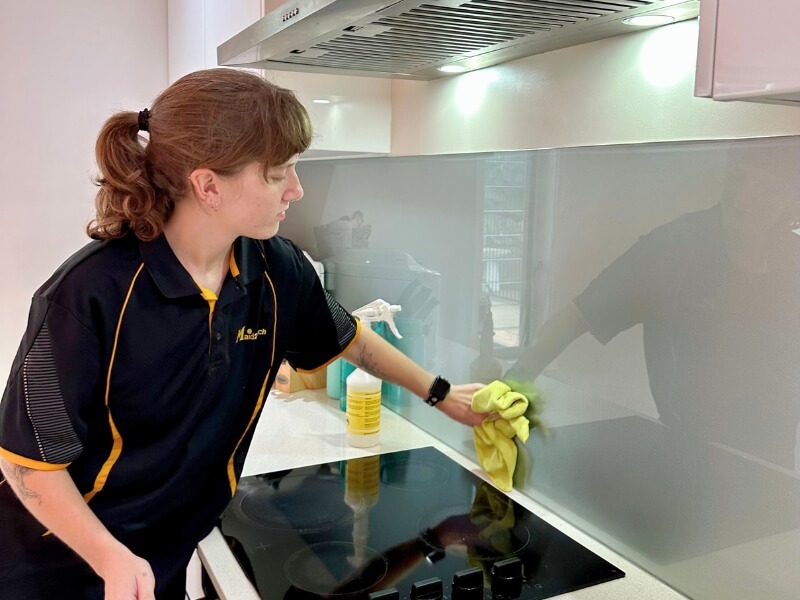
Use a sponge or cloth to scrub the surface gently, then rinse with warm water. Make sure to wear gloves to protect your skin from harsh chemicals.
Have you noticed how some commercial cleaners leave a residue? Wiping with a damp cloth afterward helps prevent that problem, preparing your wall perfectly for painting.
Try Homemade Remedies
If you prefer natural options, simple household ingredients can make effective degreasers. A mix of vinegar and water or baking soda paste often does the trick.
- Vinegar solution:Combine equal parts white vinegar and water in a spray bottle. Spray on the wall, let it sit for 10 minutes, then wipe clean.
- Baking soda paste:Mix baking soda with a little water to form a paste. Apply to greasy spots, scrub gently, and rinse off.
These remedies are gentle but powerful enough to remove grease without harsh chemicals. Plus, they’re budget-friendly and easy to find in your kitchen.
Have you ever tried a homemade cleaner that surprised you with its effectiveness? Sometimes, simple ingredients can outperform expensive products!
Scrub Gently But Thoroughly
Cleaning greasy kitchen walls before painting requires a balance between being gentle to avoid damage and thorough enough to remove all residue. Scrubbing gently but thoroughly ensures your new paint will stick well and look flawless. You want to lift away grime without stripping paint or roughening the surface excessively.
Choose The Right Cleaning Solution
Use a mild detergent mixed with warm water or a vinegar-water solution to cut through grease without harsh chemicals. Avoid abrasive cleaners that can damage the wall’s surface. Test your solution on a small spot to see how it reacts before tackling the entire wall.
Use Soft But Effective Tools
A soft sponge or microfiber cloth works best for gentle scrubbing. Avoid stiff brushes or steel wool that can scratch or remove paint. For stubborn spots, a nylon scrub pad provides extra scrubbing power without being too harsh.
Apply Consistent, Circular Motions
Scrubbing in small, circular motions helps break down grease evenly. It prevents streaks and ensures you don’t miss any areas. How often do you find hidden grease behind appliances? This method helps uncover those spots.
Rinse And Dry Properly
After scrubbing, rinse the walls with a clean damp cloth to remove any soap residue. Leaving residue behind can interfere with paint adhesion. Finally, dry the wall with a soft towel to prevent moisture from causing paint bubbles later.
Rinse And Dry Walls
Rinsing and drying kitchen walls after cleaning is crucial before painting. It removes leftover cleaning solution and grease residues. This step ensures the paint sticks well and lasts longer.
Use clean water to rinse the walls gently. Avoid soaking the surface to prevent damage. After rinsing, drying the walls completely is essential to avoid paint peeling or bubbling.
Use A Clean Sponge Or Cloth For Rinsing
Dip a sponge or cloth in fresh water. Wring it out well to avoid dripping. Wipe the walls gently to remove soap and grease residues. Change water often to keep it clean.
Check For Any Remaining Grease Spots
Inspect the walls closely after rinsing. Look for sticky or shiny spots that feel greasy. Repeat rinsing on these areas to ensure all grease is gone.
Dry Walls Thoroughly With A Towel
Use a dry, soft towel to blot the walls. Press gently to absorb water without rubbing hard. Replace towels as they get wet. Make sure no moisture remains on the surface.
Allow Air Drying For Best Results
Open windows or turn on fans to speed drying. Let the walls air dry fully before painting. This prevents trapped moisture that can ruin the paint job.
Inspect For Stubborn Stains
Inspecting your kitchen walls for stubborn stains is a crucial step before painting. Grease can hide in unexpected spots, making your fresh paint job look uneven or peeling later. Taking the time to carefully check every inch ensures you catch problem areas early.
Look Closely At High-traffic Zones
Pay special attention to areas near the stove, hood, and countertops. These spots often collect the most grease and grime. Even if the wall looks clean at first glance, a closer inspection might reveal a sticky residue or dark patches.
Use A Bright Light To Reveal Hidden Grease
Shining a flashlight or a bright lamp against the wall can help you spot stains that aren’t visible in normal lighting. Greasy spots often have a slight sheen that reflects light differently. This trick helped me find a stubborn stain behind my kitchen table that I had missed before.
Test With A Damp Cloth
Gently wipe small sections of the wall with a damp cloth to see if grease transfers to the fabric. If the cloth picks up any oily residue, you’ve found a stubborn stain. This quick test guides you on where to focus your cleaning efforts.
Credit: www.maid2match.com.au
Prime Walls Before Painting
Priming kitchen walls before painting creates a smooth base for the paint. It blocks grease stains and prevents them from bleeding through the new paint. Primers help the paint stick better and last longer.
Use a high-quality primer designed for kitchen or greasy surfaces. This type of primer seals the wall and covers any discoloration. It also protects the paint from moisture and stains.
Choose The Right Primer
Select a primer labeled for kitchen use or stain-blocking. Oil-based or shellac primers work best for greasy walls. They seal oil and grease stains effectively.
Apply Primer Evenly
Use a brush or roller to apply primer in thin, even coats. Cover every part of the wall, especially spots with heavy grease. Let the primer dry fully before adding paint.
Check For Stains After Priming
Inspect the wall after priming for any visible stains. Apply a second coat of primer on stubborn spots. This ensures a clean, fresh surface for painting.
Frequently Asked Questions
How Do I Remove Grease From Kitchen Walls?
Use a mixture of warm water, dish soap, and vinegar. Apply with a sponge, scrub gently, and rinse with clean water. This method effectively removes grease without damaging the wall surface.
What Cleaning Agents Work Best On Greasy Walls?
Mild dish soap, white vinegar, and baking soda are best. These agents break down grease and are safe for most wall paints. Avoid harsh chemicals that can damage paint or wallpaper.
Can I Clean Greasy Walls Before Painting Without Damage?
Yes, use gentle cleaners and soft sponges. Avoid abrasive scrubbing to prevent wall damage. Proper cleaning ensures paint adheres well and lasts longer.
How Long Should Kitchen Walls Dry Before Painting?
Allow walls to dry completely for at least 24 hours. This prevents moisture from trapping under the paint, ensuring a smooth finish. Use fans or open windows to speed drying.
Conclusion
Cleaning greasy kitchen walls is key before you start painting. Use simple tools and gentle cleaners for best results. Take your time to scrub off all grease and dirt. Dry the walls well to help paint stick better. Clean walls make paint last longer and look nicer.
Follow these steps to refresh your kitchen walls easily. Your hard work will pay off with a fresh, bright space. Ready for a new look? Just clean, dry, and paint!