

Choosing the right paint for your kitchen walls can completely transform the heart of your home. But with so many options out there, how do you know which one will work best for your space?
You want a paint that not only looks great but also stands up to heat, moisture, and everyday spills. You’ll discover the best types of paint to make your kitchen walls shine and stay fresh for years. Keep reading to find the perfect match that suits your style and keeps your kitchen looking flawless.
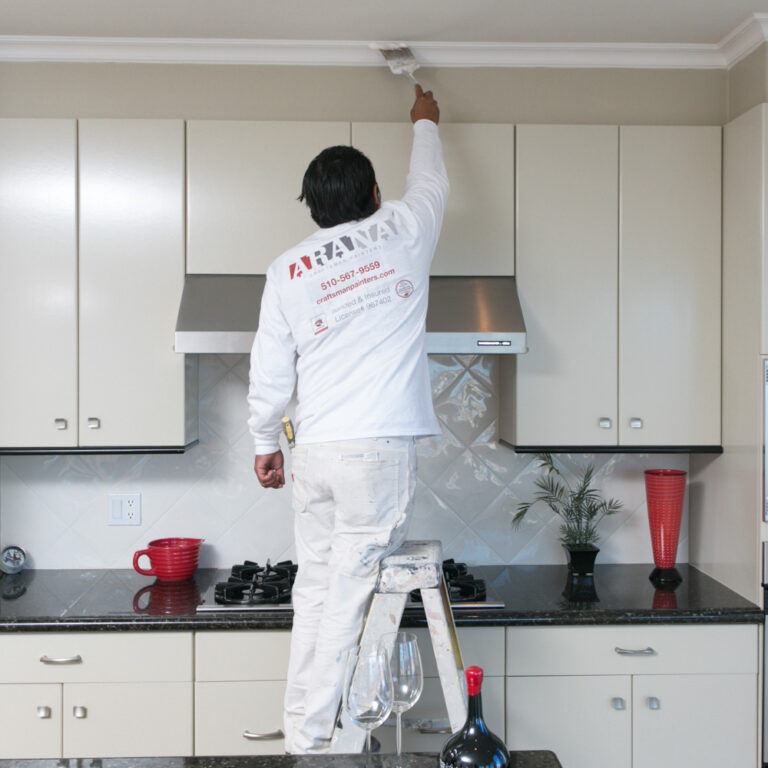
Credit: www.craftsmanpainters.com
Best Paint Types For Kitchen Walls
Choosing the right paint for your kitchen walls can make a huge difference in durability, appearance, and ease of cleaning. Kitchens face unique challenges like moisture, grease, and frequent scrubbing. Picking a paint type that stands up to these demands ensures your walls stay fresh and vibrant longer.
Latex Paint Benefits
Latex paint is a popular choice for kitchens because it dries quickly and has low odor. It resists cracking and peeling, which is great when walls get wiped down often. Plus, cleanup is simple with just soap and water—no harsh chemicals needed.
If you want a smooth finish that handles moisture well, latex is a reliable option. It’s also flexible enough to handle temperature changes without damage. Have you tried repainting a kitchen only to find the paint chips too soon? Latex paint usually prevents that issue.
Oil-based Paint Advantages
Oil-based paints form a hard, durable surface that resists stains and scratches effectively. They create a glossy finish, making walls easier to wipe clean. This can be a big help in kitchens where spills and splatters happen frequently.
However, oil-based paints take longer to dry and have a stronger smell during application. If you choose this type, plan for good ventilation and a bit more patience. The payoff is a tough, long-lasting coat that stands up to kitchen wear and tear.
Acrylic Paint Features
Acrylic paint combines the benefits of both latex and oil-based paints. It offers excellent adhesion and resists moisture well, perfect for kitchen environments. You’ll also find it dries faster than oil-based options and cleans up easily with water.
This paint type often includes mildewcide to prevent mold growth—a real plus in humid kitchens. Have you noticed paint peeling near your sink or stove? Acrylic paint’s strong bonding helps avoid that problem. It’s a smart choice if you want a balance of durability and convenience.
Choosing The Right Finish
Choosing the right paint finish for your kitchen walls can transform the space, balancing style with practicality. The finish affects not just the look but also how easy it is to clean and how well it holds up against kitchen messes. Let’s break down the common finishes to help you decide what suits your kitchen best.
Matte Vs. Satin
Matte finishes offer a flat, non-reflective surface that hides imperfections well. If your walls have bumps or uneven textures, matte paint can mask those flaws effectively.
However, matte paint isn’t the easiest to clean, which might be a challenge in a busy kitchen. Satin, on the other hand, has a slight sheen that brightens the room and is easier to wipe down without showing smudges.
Think about your kitchen’s lighting and how much cleaning you’re willing to do when choosing between matte and satin. Would you prefer a soft, understated look or something with a bit more glow?
Semi-gloss And Gloss Options
Semi-gloss and gloss finishes shine brightly, reflecting light and making colors pop. These finishes are fantastic for kitchens because they resist moisture and are very durable.
Cleaning is a breeze with gloss or semi-gloss paint, especially around areas like backsplashes and near the stove where splatters happen often. But beware, these finishes highlight wall imperfections, so prep work is key.
If you want your kitchen walls to stand out and withstand heavy use, would you consider these shinier finishes despite the prep needed?
Durability And Cleanability
Durability is crucial in a kitchen where spills, splashes, and heat are everyday challenges. Semi-gloss and gloss finishes score high here because they resist stains and can handle frequent scrubbing.
Matte finishes may look great but can wear down faster with constant cleaning. Satin offers a middle ground, balancing durability with a more subtle look.
Ask yourself how often your kitchen walls will need cleaning and how much wear they’ll face. Are you ready to trade some shine for easier maintenance?
Color Selection Tips
Choosing the right color for your kitchen walls can transform the entire space. It sets the mood and influences how you feel while cooking or dining. Understanding how different shades and tones work together will help you pick a color that complements your kitchen’s style and functionality.
Light Vs. Dark Shades
Light shades make your kitchen feel bigger and brighter. They reflect natural light and create an open, airy atmosphere. If your kitchen lacks windows or feels cramped, light colors like soft whites, pale blues, or light grays can open up the space.
Dark shades, on the other hand, add depth and coziness. They work well in large kitchens where you want to create a dramatic or intimate vibe. Think about rich navy, deep green, or charcoal gray if you want your walls to stand out and add personality.
Have you noticed how light colors can sometimes make a kitchen feel too cold? Balancing light shades with warmer accents might be the answer.
Warm And Cool Tones
Warm tones like reds, oranges, and yellows bring energy and a welcoming feel. They stimulate appetite and conversation, making them perfect for lively kitchens. However, too much warmth might feel overwhelming in small spaces.
Cool tones such as blues, greens, and purples create a calm and relaxing environment. These colors are great if you want your kitchen to feel peaceful and refreshing. They pair nicely with stainless steel appliances and modern designs.
Think about your kitchen’s purpose. Do you want it to buzz with activity or offer a serene retreat? Your answer will guide your choice between warm and cool colors.
Matching Cabinets And Countertops
Your wall color should complement, not clash with, cabinets and countertops. If you have dark cabinets, consider lighter walls to create contrast and prevent the room from feeling heavy. Conversely, light cabinets pair beautifully with darker or bolder wall colors.
Countertops with busy patterns or strong colors deserve a neutral wall color to avoid visual overload. Solid colors on walls allow your countertops to shine without competing for attention.
Have you ever chosen a wall color only to find it fights with your cabinets? Test samples in different lighting before committing. It can save you time and frustration.

Credit: www.reddit.com
Preparing Kitchen Walls For Painting
Preparing kitchen walls for painting is essential for a smooth, long-lasting finish. The kitchen has unique challenges like grease, moisture, and frequent use. Proper preparation ensures the paint sticks well and looks fresh for years.
Cleaning And Repairing Surfaces
Start by cleaning the walls thoroughly. Use warm water mixed with mild detergent to remove dirt and grease. Scrub gently with a sponge or cloth. Rinse with clean water and let the walls dry completely.
Check for holes, cracks, or peeling paint. Use spackle or filler to repair damaged spots. Sand the repairs smooth once dry. This creates an even surface for painting.
Priming Essentials
Priming prepares the wall to hold paint better. Choose a primer designed for kitchens or high-moisture areas. Apply it evenly with a brush or roller. Primer seals stains and prevents peeling or bubbling.
Allow the primer to dry fully before painting. This step improves paint adhesion and durability.
Dealing With Moisture And Grease
Moisture and grease can ruin paint jobs. Identify damp spots and fix any leaks before painting. Use a mold-resistant primer in areas prone to moisture.
For greasy walls, use a degreaser or trisodium phosphate (TSP) cleaner. This removes oil and grime that block paint from sticking. Rinse well and dry the walls thoroughly to avoid moisture buildup.
Painting Techniques For Longevity
Painting kitchen walls needs care to keep the look fresh for years. Using the right techniques protects the paint from heat, moisture, and stains. These steps help paint last longer and keep walls looking bright.
Proper Application Methods
Start by cleaning the walls well. Remove grease and dirt with soap and water. Let the walls dry completely before painting. Use a primer to help paint stick better. Apply paint with a high-quality brush or roller. Spread paint evenly in thin layers. Avoid thick coats to prevent peeling and cracking. Use smooth, steady strokes for a neat finish.
Number Of Coats Needed
Two coats of paint usually work best for durability. The first coat seals the wall and hides imperfections. The second coat adds color depth and protection. Some paints may need a third coat in kitchens with high moisture. Always check paint instructions for recommended coats. Thin coats dry faster and last longer than one thick coat.
Drying And Curing Time
Let each coat dry fully before adding the next. Drying times vary by paint type and room temperature. Wait at least 2-4 hours between coats for water-based paints. Oil-based paints may take longer, up to 24 hours. After the final coat, allow the paint to cure. Curing can take up to 2 weeks for full hardness. Avoid scrubbing or heavy cleaning during this time.
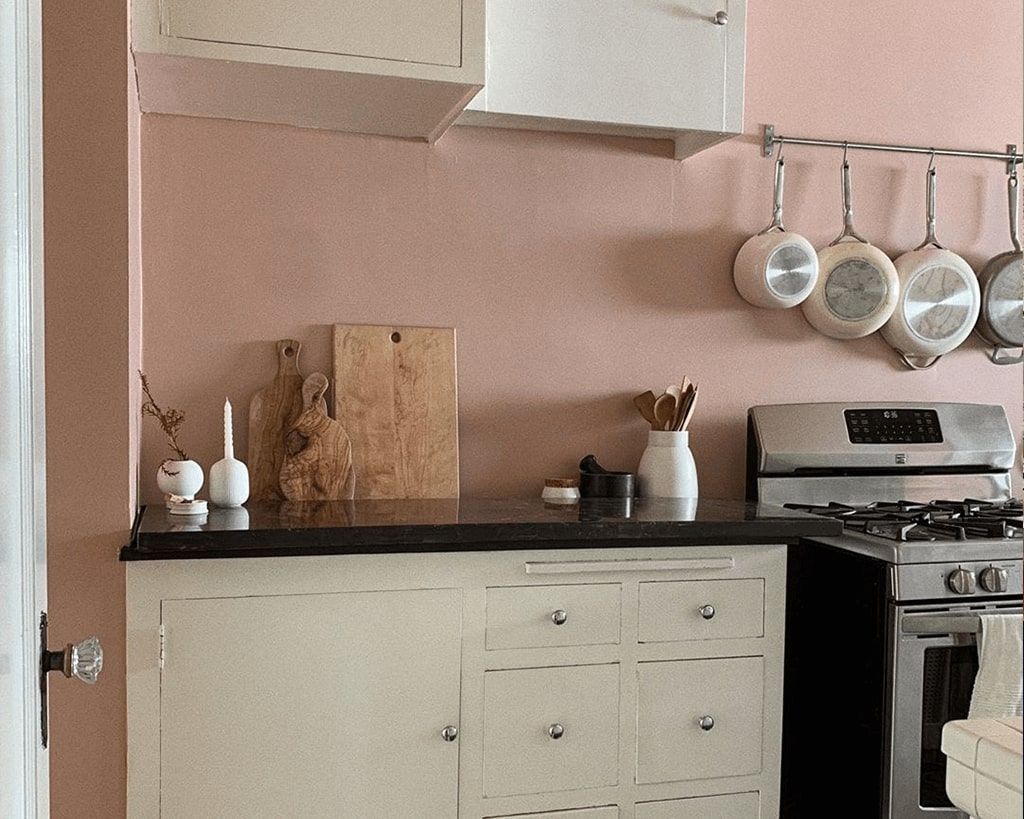
Credit: www.carawayhome.com
Maintaining Painted Kitchen Walls
Maintaining painted kitchen walls requires a careful balance between keeping them clean and protecting the paint finish. Kitchens are prone to splashes, grease, and frequent contact, which can quickly wear down even the best paint. Understanding how to care for your walls can extend their life and keep your kitchen looking fresh and inviting.
Cleaning Tips Without Damage
Start with gentle cleaning methods to avoid stripping your paint or causing streaks. Use a soft sponge or microfiber cloth dampened with warm water and mild dish soap. Avoid harsh chemicals or abrasive scrubbers that can scratch or dull the paint surface.
Spot test any cleaner on a hidden area first to check for discoloration or damage. For stubborn stains like grease, a mixture of baking soda and water can work wonders without harming the paint. Wipe gently and rinse with clean water afterward to remove residue.
Touch-up Strategies
Small chips and scratches are inevitable in a busy kitchen, but they don’t have to ruin your walls. Keep some leftover paint from your original job for quick fixes. Use a fine brush to carefully fill in damaged spots, blending the edges to match the surrounding wall.
If you don’t have leftover paint, try to find the exact color by bringing a paint chip to a store for matching. Touch-ups done promptly prevent dirt buildup and keep your walls looking uniform. Remember, patience and precision make a huge difference.
When To Repaint
Knowing when to repaint can save you time and money. If you notice widespread peeling, discoloration, or stains that won’t come off, it’s a sign your walls need a fresh coat. Also, if your kitchen feels dull or outdated, repainting can revitalize the space instantly.
Consider repainting every 3 to 5 years in high-traffic kitchens, but adjust based on your household habits and paint quality. Would a fresh color brighten your kitchen or change the mood? Sometimes, repainting is not just maintenance—it’s a chance to refresh your entire cooking experience.
Eco-friendly And Low-voc Paints
Choosing paint for kitchen walls involves more than just color and finish. Eco-friendly and low-VOC paints offer a smart choice for healthier indoor air and less environmental harm. These paints release fewer harmful chemicals, making kitchens safer and more pleasant places.
Health And Safety Benefits
Low-VOC paints reduce the presence of volatile organic compounds in the air. This means fewer headaches, less irritation, and lower allergy risks for everyone. Kitchens often have poor ventilation, so using low-VOC paint improves air quality. It also cuts down on chemical odors, making the painting process more comfortable.
Popular Green Paint Brands
- Benjamin Moore Natura – Zero VOC and durable finish
- Sherwin-Williams Harmony – Helps reduce indoor odors
- Behr Premium Plus – Low VOC and affordable
- ECOS Paints – Non-toxic, zero VOC, and biodegradable
- Clare Paint – Low VOC with modern color options
Performance Compared To Traditional Paints
Eco-friendly paints now match traditional paints in durability and coverage. They resist stains and moisture, essential for kitchen walls. Some brands offer finishes that clean easily and last long. These paints dry quickly and have less odor during application. Using low-VOC paint does not mean sacrificing quality or appearance.
Frequently Asked Questions
What Type Of Paint Is Best For Kitchen Walls?
Use semi-gloss or satin finish paint for kitchen walls. These finishes resist moisture and stains. They are easy to clean and durable, ideal for high-traffic areas like kitchens.
Can I Use Washable Paint On Kitchen Walls?
Yes, washable paint is perfect for kitchens. It allows easy cleaning of grease and food splatters. Choose paints labeled as “washable” or “scrubbable” for best results.
Should I Use Oil-based Or Latex Paint In Kitchens?
Latex paint is preferred for kitchen walls due to quick drying and low odor. It also resists mildew better than oil-based paint, making it safer and easier to maintain.
Is Mold-resistant Paint Necessary For Kitchen Walls?
Mold-resistant paint is recommended for kitchens to prevent mildew growth. It adds an extra layer of protection in humid, wet areas, keeping walls cleaner and healthier.
Conclusion
Choosing the right paint for kitchen walls is crucial. It impacts durability and aesthetics. Consider moisture resistance and easy cleaning. Glossy or semi-gloss finishes work best. They resist stains and grease. Choose colors that enhance your space. Lighter shades make kitchens feel larger.
Test samples before full application. This ensures the perfect match. Prioritize quality over price for lasting results. Remember, a fresh coat of paint transforms the kitchen. It adds value and comfort. Happy painting!
