

Are you planning your kitchen layout and wondering about the perfect height between your worktop and wall units? Getting this right can make a huge difference in how comfortable and efficient your kitchen feels every day.
What Height from Kitchen Worktop to Wall Unit .Too high or too low, and you might struggle reaching your cabinets or find cooking less enjoyable. You’ll discover the ideal measurements that balance style and practicality, helping you create a kitchen space that truly works for you. Keep reading to find out how to make your kitchen both beautiful and functional with the right height from your worktop to your wall units.

Kitchen design guide showing worktop to wall unit height
Standard Height Range
Choosing the right height from your kitchen worktop to the wall unit is essential for both comfort and functionality. The standard height range helps you find that sweet spot where reaching for items is easy without straining your back or neck. Understanding these measurements can save you from costly adjustments later.
Common Measurements
The typical height from the kitchen worktop to the bottom of the wall unit ranges between 450mm to 600mm (18 to 24 inches). Most kitchens settle around 500mm (20 inches), which balances accessibility and workspace lighting.
If you’re taller or shorter than average, you might want to adjust this slightly. For example, taller users often prefer closer to 600mm to avoid bending, while shorter users might find 450mm more manageable. Consider your daily tasks—if you often use small appliances, a slightly higher gap can give you more room.
Why Height Matters
Think about how often you reach for spices or glasses. If the wall unit is too high, it becomes a stretch that can cause discomfort over time. Too low, and your workspace feels cramped, limiting your ability to use appliances or prep food comfortably.
Good height also improves lighting on your worktop. Wall units placed at the right distance allow under-cabinet lights to illuminate your workspace effectively, reducing shadows. Have you noticed how a poorly lit counter slows you down? Proper height helps fix that issue.
Next time you’re in your kitchen, pay attention to how natural your movements feel. This insight can guide your decision on the best height for your space. After all, your kitchen should work with you, not against you.
Factors Influencing Height
Choosing the right height between your kitchen worktop and wall units is more than just a standard measurement. Several factors come into play that affect comfort, usability, and overall kitchen efficiency. Understanding these influences helps you create a space tailored to your needs.
User Height And Comfort
Your height plays a crucial role in determining the ideal distance between the worktop and wall units. If the units are too high, you might struggle to reach items, causing discomfort and inconvenience.
Think about your daily movements—can you comfortably access shelves without stretching or bending? Many people find a height range of 45 to 55 centimeters above the worktop works well, but adjusting it to your height makes a significant difference.
Kitchen Layout And Design
The kitchen’s overall design affects how high your wall units should be. In compact kitchens, lower units can make the space feel cramped, while in larger kitchens, higher units might look unbalanced.
Consider the style you want—modern kitchens often prefer sleek, minimal spacing, while traditional kitchens might allow more room for decorative elements. Your layout should help you move easily and keep everything within reach.
Appliance Placement
Appliances like microwaves, ovens, and range hoods influence wall unit height decisions. For example, a range hood needs enough clearance above the stove to work properly without crowding your workspace.
Think about how you use your appliances daily. Is the microwave built into the wall units? If so, the height should allow easy access without needing a step stool. Proper placement ensures safety and convenience.
Customizing Wall Unit Height
Customizing the height of your kitchen wall units can make a huge difference in both comfort and functionality. It’s not just about fitting cabinets on the wall; it’s about tailoring the space to fit your unique needs. Adjusting this height thoughtfully ensures your kitchen feels intuitive and easy to work in every day.
Adjusting For Taller Users
If you or someone in your household is taller than average, standard cabinet heights might feel awkward or force you to stretch uncomfortably. Raising the wall units by a few inches can save you from frequent neck strain and make reaching items natural.
Think about the tasks you do most—are your cabinets too low when you’re chopping or grabbing spices? Even a 4 to 6-inch adjustment can change your daily kitchen experience.
Accommodating Backsplash And Lighting
The space between your worktop and wall unit isn’t just empty; it’s where your backsplash and lighting live. If you want a dramatic tile backsplash or under-cabinet lighting that truly shines, you need enough room to fit these elements without clutter.
Consider how much space your backsplash design requires. Adding LED strips or puck lights might need an extra inch or two, ensuring illumination hits your work surface perfectly without shadows.
Considering Storage Needs
Think about what you store in your wall units. Taller cabinets offer more space but might be harder to reach, while lower units keep essentials within easy access. Customizing height lets you balance storage volume with usability.
For example, placing frequently used items in lower, easier-to-reach cabinets and less-used items higher up can keep your kitchen efficient. What’s stored and how often you reach for it should guide your cabinet placement decisions.
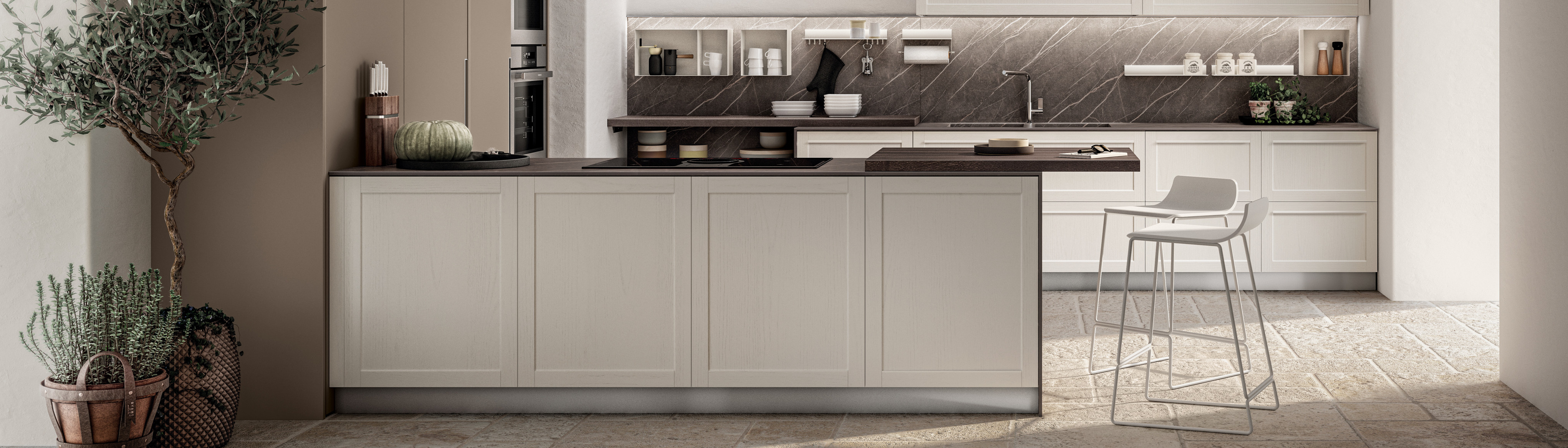
Wall cabinets installed above kitchen worktop at standard height”
Impact On Kitchen Functionality
The height between your kitchen worktop and wall unit plays a crucial role in how well your kitchen works for you every day. It affects more than just looks—it impacts how easily you can reach items, your safety, and even the overall vibe of your kitchen space. Getting this height right can save you frustration and make cooking a more enjoyable experience.
Ease Of Access
Think about how often you reach for spices, dishes, or glasses while cooking. If the wall units are too high, you might need a step stool, which slows you down and can be annoying. Too low, and you might bump your head or feel cramped when working on the counter.
Most people find a gap of about 45 to 50 cm (18 to 20 inches) comfortable. This distance lets you easily grab what you need without stretching or crouching. Have you measured your own reach in your kitchen? It’s worth checking to avoid daily hassle.
Safety Considerations
Safety often gets overlooked when designing kitchen heights. But placing wall units too low can cause accidental bumps or bruises, especially if you’re moving quickly. Sharp edges on units at head level can be a real hazard.
On the other hand, units placed too high may tempt you to climb on counters or stools, increasing the risk of falls. Think about who uses your kitchen: children, elderly family members, or people with mobility issues all need safe, reachable storage. Adjusting height thoughtfully can protect everyone in your home.
Aesthetic Balance
The space between your worktop and wall units also affects how your kitchen looks. Too wide a gap can make the kitchen feel disconnected and awkward, while a small gap can make the area feel cramped. Striking the right balance creates a smooth flow between surfaces.
Consider how your backsplash design fits into this height. A well-chosen height can showcase beautiful tiles or patterns, adding style and personality to your kitchen. What mood do you want your kitchen to have? The right height helps set that tone.
Installation Tips
Installing kitchen wall units at the right height above your worktop is crucial for both comfort and functionality. Getting this measurement right ensures you have enough space to work without straining your back or bumping your head. Below are some practical tips to help you install your wall units perfectly.
Measuring Correctly
Measure the distance between your kitchen worktop and the bottom of the wall unit carefully. A common height is around 45 to 55 centimeters, but this depends on your height and the type of appliances you use.
Use a spirit level to ensure the measurement is even across the entire length. Double-check your measurements before drilling to avoid costly mistakes. Have you ever had to redo a whole installation just because you misjudged the space?
Using Adjustable Brackets
Adjustable brackets offer flexibility during installation, allowing you to tweak the height after mounting. These brackets can save you time and effort, especially if the wall isn’t perfectly flat.
Choose heavy-duty brackets that can support the weight of your wall units fully loaded. This small investment can prevent sagging or accidents later on. Would you rather spend a little more now or deal with repairs down the road?
Professional Installation Advice
Sometimes, hiring a professional can save you from headaches, especially if your kitchen walls are uneven or your units are custom-sized. Professionals have the right tools and experience to make precise adjustments.
Don’t hesitate to ask for advice or a consultation before buying your units. They might suggest optimal heights based on your kitchen layout and personal needs. What’s more valuable to you—time saved or cutting corners?
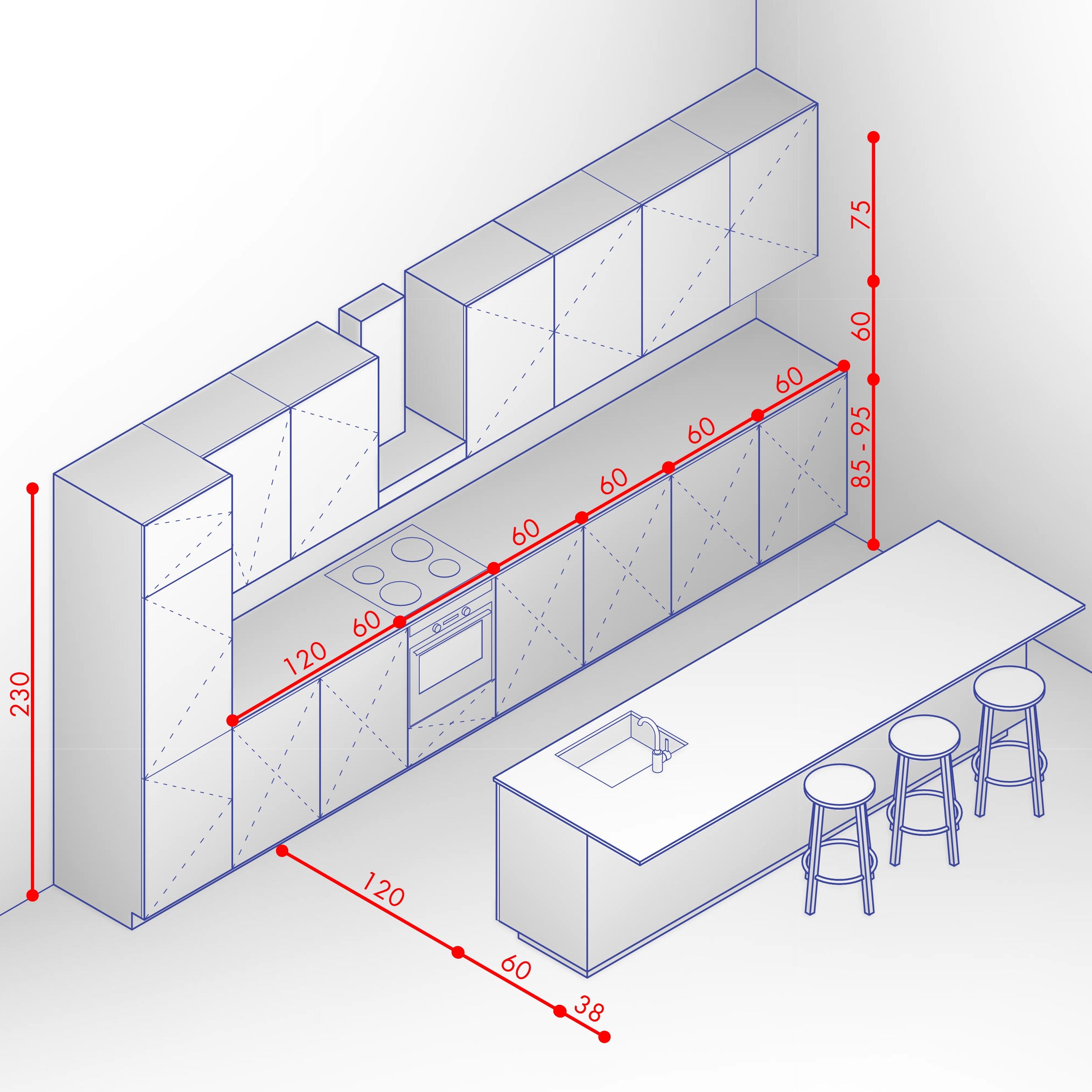
Modern kitchen wall cabinets with correct spacing
Common Mistakes To Avoid
Choosing the right height for your kitchen wall units above the worktop is more important than many realize. Mistakes here can lead to discomfort, inconvenience, and even wasted space. Paying attention to common pitfalls helps you create a kitchen that feels just right every time you step in.
Too High Or Too Low Placement
Placing wall units too high forces you to stretch or use a step stool, which can quickly become frustrating. Too low, and the units crowd your workspace, making it hard to use the worktop effectively.
Think about how tall you are and how you naturally use your kitchen. A height that works for one person might be uncomfortable for another. Have you ever reached awkwardly for a cabinet and wished it was just a little lower or higher?
Ignoring User Preferences
Your kitchen is personal, so ignoring who uses it most is a big mistake. Kids, seniors, or tall adults all need different heights for easy access.
Ask yourself who will use the space daily. Adjusting the height to their needs can save time and reduce strain. Don’t guess—talk to your family or roommates before finalizing the design.
Overlooking Appliance Space
Wall units often sit above appliances like microwaves or coffee machines, but forgetting to account for their size causes headaches. You might end up with limited clearance, making it hard to use or clean these appliances.
Measure your appliances carefully and add extra space for ventilation and ease of access. Have you checked if your favorite blender or toaster fits comfortably under the cabinets?
Frequently Asked Questions
What Is The Ideal Height From Worktop To Wall Unit?
The ideal height is usually 18 inches (45 cm). This height allows easy access and comfortable workspace clearance. It balances functionality and aesthetics in kitchen design.
Why Is The Height Between Worktop And Wall Unit Important?
Proper height ensures ergonomic comfort and safety. It prevents strain and provides enough space for appliances. Correct height improves kitchen efficiency and usability.
Can The Height Vary For Different Kitchen Users?
Yes, height can be adjusted based on user height and preferences. Taller users might prefer a higher gap for comfort. Customization enhances kitchen usability for everyone.
How Does Worktop-to-wall Unit Height Affect Kitchen Storage?
Adequate height allows larger items to fit under wall units. It maximizes storage without compromising workspace. Proper spacing keeps your kitchen organized and functional.
Conclusion
Finding the right height for kitchen wall units is essential. It ensures comfort and safety while cooking. A well-planned kitchen makes tasks easier and more enjoyable. Consider your needs and available space. Measure carefully to avoid mistakes. The right height enhances both function and style.
It creates an organized and efficient kitchen. Take the time to plan well. Your kitchen will become a more pleasant space. With these tips, you can create a kitchen that fits your lifestyle. Enjoy cooking in your well-designed kitchen!
