

Choosing the right color for your kitchen walls can completely change the way your space feels. Are you looking to make your kitchen feel brighter, cozier, or more modern?
The colors you pick can do all that and more. But with so many options, it’s easy to feel overwhelmed. What if you could find colors that not only look great but also boost your mood and make cooking more enjoyable?
Keep reading to discover the best kitchen wall colors that will transform your space and make every meal a little better.
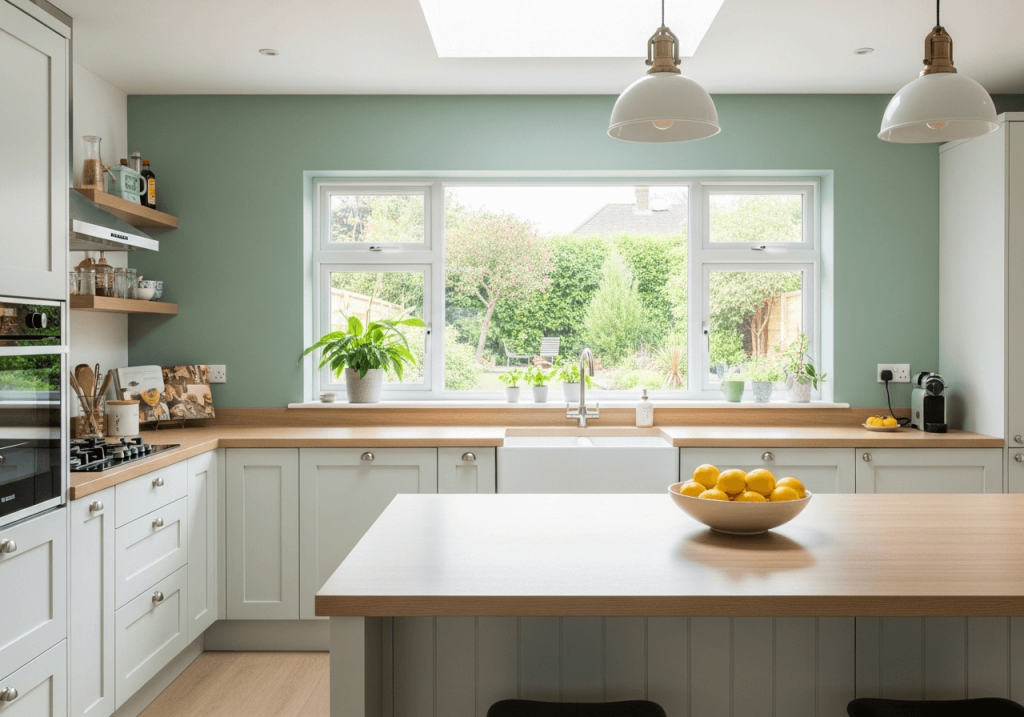
Image: What are Good Colors for Kitchen Walls Stunning Shades to Transform Your Space
Choosing Kitchen Wall Colors
Choosing the right color for kitchen walls can change the whole atmosphere. The color sets the tone and affects how the kitchen feels. It can make the space feel larger, warmer, or cooler. Picking a color needs some thought about style and function.
Factors To Consider
Think about the size of your kitchen. Light colors can make small kitchens feel bigger. Dark colors add coziness but may shrink the space visually.
Consider the natural light your kitchen gets. Bright natural light works well with bold colors. Dim kitchens benefit from soft, light shades to brighten the area.
Look at your cabinets, countertops, and appliances. Colors should match or complement these features. A balanced color scheme brings harmony to the room.
Also, think about the kitchen style. Modern kitchens suit cool tones like gray or blue. Traditional kitchens often look good with warm colors like beige or cream.
Impact On Mood And Space
Colors influence how people feel in a room. Warm colors like red and yellow create energy and appetite. Cool colors like blue and green calm and relax.
Neutral colors give a clean and timeless look. They allow you to add colorful accessories easily.
Bright colors can make the kitchen lively and fun. Soft pastels create a gentle and inviting space.
The right color can make cooking and eating more enjoyable. It helps set the mood for family time or social gatherings.
Popular Kitchen Wall Colors
Choosing the right color for kitchen walls can change the entire feel of the space. Popular kitchen wall colors help create a welcoming and stylish environment. These colors range from calm and neutral to bright and cheerful. Each choice suits different tastes and kitchen designs.
Neutral Tones
Neutral tones like beige, gray, and white work well in many kitchens. These colors create a clean and simple look. They make the kitchen feel open and bright. Neutral walls match with many cabinet colors and styles. They also allow other design elements to stand out.
Bold And Vibrant Shades
Bold colors such as deep blue, red, or emerald green add energy to the kitchen. These shades bring personality and style to the space. Using vibrant colors on one wall can create a focal point. They pair well with neutral furniture and accessories to balance the look.
Soft Pastels
Soft pastel colors like light pink, mint green, and pale blue give a gentle and fresh feel. Pastels create a calm and cozy kitchen atmosphere. These colors work well in small kitchens to make them appear larger. They blend nicely with white or wooden cabinets for a charming look.
Colors For Different Kitchen Styles
Choosing the right color for your kitchen walls depends heavily on the style you’re aiming for. Each kitchen style has colors that highlight its character and bring out its best features. Your wall color can transform the whole space, making it feel inviting, fresh, or cozy.
Modern And Minimalist
Modern kitchens thrive on simplicity and clean lines. Neutral tones like crisp white, soft gray, or cool black work perfectly here. These colors create a sleek backdrop that makes your appliances and fixtures stand out.
Want a pop of color? Try muted blues or greens to add calm without clutter. Keep your color palette limited to maintain that uncluttered feel you love.
Rustic And Farmhouse
Rustic kitchens feel warm and welcoming. Earthy shades like warm beige, soft taupe, and gentle sage connect your space to nature. These tones complement wooden cabinets and vintage accents beautifully.
Don’t shy away from warmer hues like terracotta or mustard yellow—they bring life and charm. Think about how these colors can make your kitchen feel like a cozy retreat.
Traditional And Classic
Traditional kitchens call for timeless colors that add elegance. Soft creams, rich navy, and deep burgundy create a refined atmosphere. These colors pair well with ornate details and classic furniture.
Consider how a classic palette can make your kitchen feel both grand and inviting. Sometimes a bold color on one wall can add interest without overpowering the space.
Contemporary And Eclectic
Contemporary kitchens allow more freedom with bold and unexpected colors. Vibrant teals, bright yellows, or even matte black can add personality. Mixing colors here lets you express your unique taste.
Think about how contrasting colors can highlight different areas of your kitchen. Are you ready to experiment and create a space that truly feels yours?
Combining Colors With Kitchen Elements
Choosing the right colors for your kitchen walls means thinking about how they work with other key elements. Your cabinets, countertops, backsplash, flooring, lighting, and accessories all play a role in creating a balanced and inviting space. Getting these colors to complement each other can make your kitchen feel cohesive and stylish.
Cabinets And Countertops
Your wall color should highlight, not compete with, your cabinets and countertops. If you have dark cabinets, lighter wall colors like soft greys, creams, or pale blues can brighten the space. On the other hand, if your cabinets are white or light wood, deeper wall colors such as navy or forest green add depth.
Consider the countertop material and color as well. A marble countertop with subtle veining pairs well with neutral walls that don’t distract from its elegance. If your countertops are bold, like black granite or colorful quartz, try muted wall shades that let those surfaces stand out.
Backsplashes And Flooring
The backsplash often acts as a bridge between cabinets and walls, so think about how your wall paint interacts with its colors and patterns. If you have a busy, patterned backsplash, opt for a solid wall color that picks up one tone from the backsplash.
Flooring color also affects how the walls feel. Warm wood floors invite warm wall tones like beige or soft yellow. Cool tile floors can be enhanced by cooler wall colors such as pale blue or light grey. Matching the undertones between floor and walls can keep your kitchen visually connected.
Lighting And Accessories
Lighting changes how wall colors appear. Natural light makes colors look fresher and brighter, while artificial lighting can warm or cool the tones. Test paint samples on your walls at different times of day to see how the colors shift under your kitchen’s lighting.
Accessories like rugs, curtains, and kitchenware provide chances to add pops of color or subtle hints that tie the whole palette together. If your walls are neutral, use colorful accessories to add personality without overwhelming the space. Ask yourself: does this color make me want to spend more time cooking and relaxing here?
Tips For Painting Kitchen Walls
Painting kitchen walls can transform the space quickly and affordably. The right approach ensures the color lasts long and looks great. Simple tips help you achieve a smooth, professional finish that brightens your kitchen.
Choosing The Right Finish
Pick a paint finish that suits kitchen conditions. Satin and semi-gloss finishes resist moisture and stains well. These finishes make cleaning easier after cooking spills. Matte finishes hide wall imperfections but are harder to clean. Avoid flat paints as they absorb grease and dirt.
Preparation And Application
Clean walls thoroughly before painting. Remove grease with a mild detergent and water. Fill holes and cracks with spackle and sand smooth. Use painter’s tape to protect trim and cabinets. Apply primer to cover stains and improve paint adhesion. Paint in thin, even coats for best results. Allow drying time between coats to avoid streaks.
Maintenance And Touch-ups
Keep walls clean by wiping with a damp cloth regularly. Address stains quickly to prevent permanent marks. Store leftover paint for future touch-ups. Use the same paint finish to blend repairs seamlessly. Regular touch-ups keep your kitchen looking fresh and vibrant.

Credit: www.brookfieldresidential.com
Inspiring Kitchen Color Palettes
Choosing the right color palette for your kitchen walls can transform the entire space. The colors you pick set the mood and influence how you feel while cooking or gathering with family. Let’s look at some inspiring kitchen color palettes that help you create a look that feels just right for your home.
Monochromatic Schemes
Monochromatic schemes use different shades of the same color. This approach creates a clean and cohesive look that feels calm and balanced.
Imagine soft blues ranging from pale sky to deep navy. It adds depth without overwhelming your senses. You can try this with greens, grays, or even warm browns for a cozy atmosphere.
Have you noticed how subtle shifts in one color can make your kitchen feel spacious and inviting? It’s a simple way to keep your design unified yet interesting.
Complementary Combinations
Complementary colors sit opposite each other on the color wheel. Using these pairs can add energy and contrast to your kitchen walls.
Think about a bold red with a cool green or a bright yellow paired with soft purple. These combos can make your kitchen pop and feel lively.
But be careful; too much contrast might feel chaotic. Try using one color on the walls and the other in accents like cabinets, backsplash, or decor for balance.
Analogous Colors
Analogous colors are next to each other on the color wheel. They create harmony and a natural flow in your kitchen’s design.
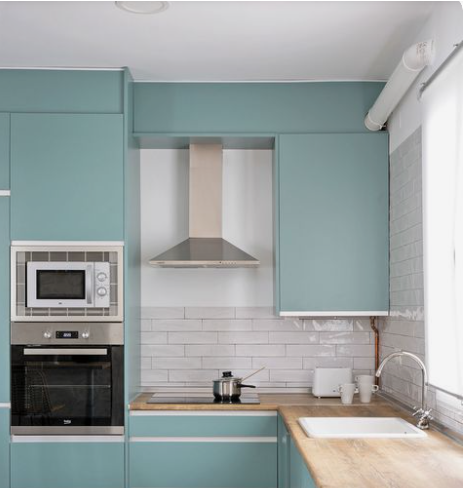
For example, you might combine shades of orange, red, and yellow to bring warmth and vibrancy. Or cool blues, teals, and greens for a refreshing feel.
Have you thought about how these colors can guide your eye smoothly around the room? It’s a great way to keep your kitchen feeling connected and welcoming.
Credit: www.jswpaints.in
Frequently Asked Questions
What Colors Make Kitchen Walls Look Bigger?
Light colors like white, pale blue, and soft gray make kitchen walls appear larger. They reflect more light, creating an open and airy feel. These shades enhance natural light, making the space feel more spacious and inviting.
Which Kitchen Wall Colors Boost Appetite?
Warm colors like red, orange, and yellow are known to stimulate appetite. These vibrant hues create an energetic and welcoming atmosphere. Using them sparingly on kitchen walls can enhance dining experiences and make the space feel cozy.
Are Neutral Colors Good For Kitchen Walls?
Yes, neutral colors like beige, taupe, and soft gray work well in kitchens. They provide a timeless, versatile background that complements various décor styles. Neutrals also make the space feel calm, clean, and easy to accessorize.
How To Choose Kitchen Wall Color With Cabinets?
Choose wall colors that contrast or complement cabinet tones. Light walls work well with dark cabinets, while darker walls can highlight light cabinetry. Consider the kitchen’s lighting and style to create a balanced, cohesive look.
Conclusion
Choosing the right color for your kitchen walls matters. It impacts the mood and style. Light colors make spaces feel open and airy. Dark shades add warmth and coziness. Neutral tones provide a versatile backdrop. Bright colors inject energy and excitement.
Consider the overall theme of your kitchen. Think about the amount of natural light. Balance is key. Test samples on your wall before deciding. Personal taste plays a big role, too. Happy decorating! Your kitchen will reflect your personality and taste.
Enjoy the transformation and the new ambiance it brings.

Ethan Cole is a kitchen innovation enthusiast and food technology writer at DiningGadgets.com. With over 8 years of experience reviewing cookware, smart kitchen tools, and design trends, he helps readers discover gadgets that make cooking easier and dining more enjoyable. When he’s not testing the latest kitchen appliances, Ethan enjoys experimenting with recipes and sharing practical tips for modern homes.