

Is the grease on your kitchen walls ruining the look of your cooking space? You’re not alone.
Many people face the tough challenge of removing stubborn grease stains that seem to stick around no matter what they try. These unsightly spots can make your How to Clean Grease from Kitchen Walls feel less inviting and even cause unpleasant odors. But don’t worry—there’s a solution.
In this guide, you’ll discover simple yet effective methods to clean grease from your kitchen walls. Imagine a kitchen that sparkles, with walls that look as good as new. By the end of this article, you’ll have the confidence and know-how to tackle those greasy stains with ease. Ready to transform your kitchen? Let’s dive in!
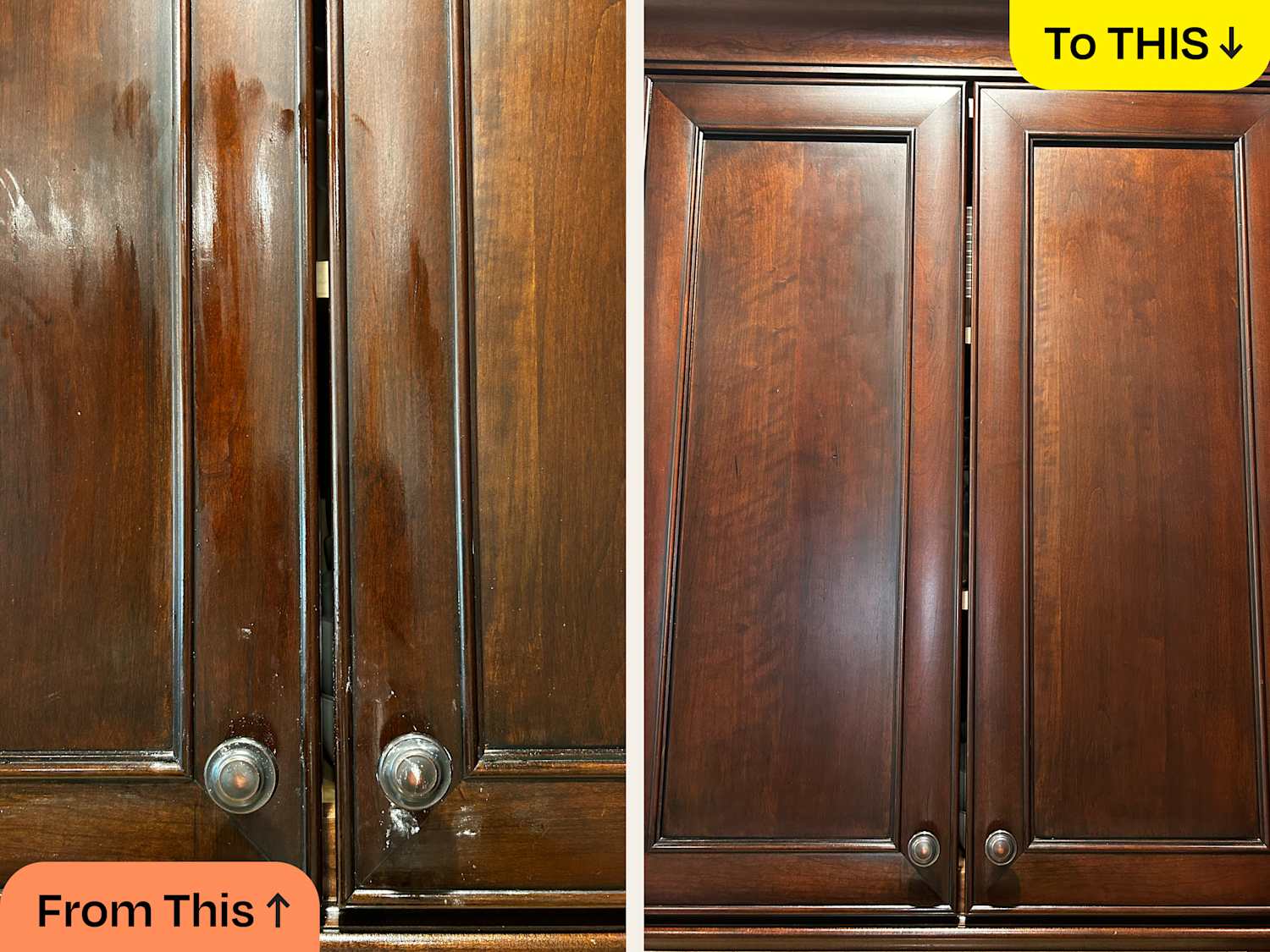
Credit: www.thekitchn.com
Sources Of Kitchen Grease
Grease in the kitchen doesn’t appear out of nowhere. It comes from everyday cooking activities that you might not even notice leaving marks behind. Understanding where grease originates can help you target your cleaning efforts more effectively and keep your kitchen walls spotless for longer.
Common Grease Spots
Grease tends to collect in certain areas more than others. The spots near your stove, especially the backsplash and the wall behind the burners, are the usual suspects. These areas get splattered as you fry or sauté food.
Cabinet surfaces close to the cooking zone also attract grease, as steam carries tiny droplets that settle on nearby walls. Don’t forget the exhaust hood or fan—these often have a sticky layer of grease if not cleaned regularly.
Have you noticed greasy fingerprints near light switches or door handles? These are often overlooked spots where grease from your hands transfers easily. Identifying these common grease spots can save you time and effort during cleaning.
Why Grease Builds Up
Grease builds up because cooking releases oils and fats into the air. When you fry or grill, tiny particles get airborne and settle on cool surfaces like walls. Over time, these layers thicken and become sticky.
Steam and heat also play a role. Warm, moist air helps grease particles stick and spread farther than you might expect. If your kitchen lacks proper ventilation, grease accumulates faster and harder to remove.
Think about how often you cook and the types of food you prepare. High-fat meals create more grease, and frequent cooking without wiping surfaces allows buildup. Are you cleaning your kitchen walls soon enough to prevent tough grease stains?
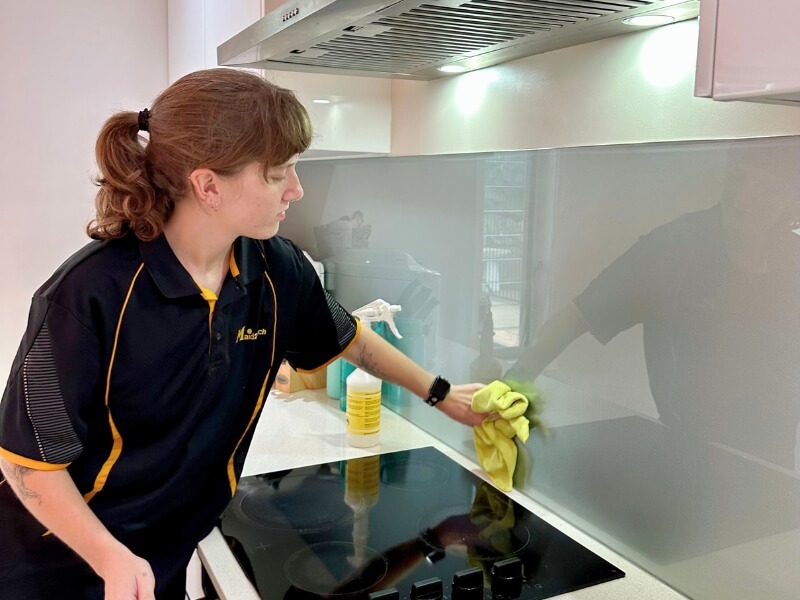
Credit: www.maid2match.com.au
Essential Cleaning Tools
Cleaning grease from kitchen walls requires the right tools. Proper equipment makes the task easier and more effective. Using the best cleaning supplies and protective gear helps protect your skin and surfaces. Prepare well before starting to save time and effort.
Recommended Cleaning Supplies
- All-purpose cleaner or degreaser – removes tough grease
- Warm water – helps dissolve grease easily
- Soft sponges or microfiber cloths – gentle on walls
- Spray bottles – for even cleaning solution application
- Buckets – to mix cleaning solutions
- Old toothbrush – for cleaning corners and edges
- Paper towels – for quick wipe and drying
Protective Gear To Use
- Rubber gloves – protect your hands from chemicals
- Safety goggles – shield your eyes from splashes
- Apron or old clothes – avoid staining your outfit
- Face mask – prevent inhaling strong cleaning fumes
Prepping The Walls
Prepping the walls is the first key step to remove grease effectively. Cleaning walls without preparation can spread dirt and make the job harder. Taking time to prep ensures better cleaning results and protects your kitchen.
Removing Loose Dirt
Start by dusting the walls gently using a dry cloth or soft brush. This removes loose dirt and dust that can mix with grease. Avoid scrubbing hard to prevent smearing the grease. Use a vacuum cleaner with a brush attachment for better reach in corners.
Protecting Surrounding Areas
Cover countertops, cabinets, and floors near the walls with old towels or plastic sheets. Protect light switches and outlets by taping plastic bags over them. This prevents cleaning solutions and grease from damaging other surfaces. Secure covers well to avoid slipping during cleaning.
Diy Cleaning Solutions
DIY cleaning solutions offer an easy and affordable way to remove grease from kitchen walls. These methods use simple ingredients found at home. They are safe for most wall surfaces and effective at cutting through stubborn grease. Using natural cleaners also avoids harsh chemicals, making your kitchen healthier.
These solutions work best when applied with a soft cloth or sponge. Gently scrub the greasy area and rinse with clean water. Repeat if needed until the wall looks fresh and clean.
Vinegar And Water Mix
Vinegar is a natural degreaser that breaks down oily residue quickly. Mix equal parts white vinegar and water in a spray bottle. Spray the solution on the greasy wall areas and let it sit for a few minutes. Wipe with a damp cloth in circular motions. Rinse the wall with clean water to remove vinegar smell.
Baking Soda Paste
Baking soda is slightly abrasive, perfect for scrubbing grease without damage. Make a paste by mixing baking soda with a little water. Apply the paste to grease spots using a soft cloth or sponge. Rub gently to lift grease from the wall surface. Wipe off the paste with a clean damp cloth and dry the area.
Dish Soap Solutions
Dish soap is designed to cut grease from dishes and works well on walls too. Mix a few drops of dish soap with warm water in a bucket. Dip a sponge or cloth into the soapy water and scrub the greasy areas. Rinse the wall with clean water to remove soap residue. Dry with a clean towel to avoid streaks.
Step-by-step Cleaning Process
Cleaning grease from kitchen walls can feel like a tough chore, but breaking it down into clear steps makes it manageable. This process focuses on targeted actions that remove grease without damaging your paint or wallpaper. Let’s dive into how you can tackle this mess with confidence and ease.
Applying The Cleaner
Start by choosing the right cleaner. You can use a mixture of warm water and dish soap or a commercial degreaser made for kitchen surfaces.
Apply the cleaner generously to a soft cloth or sponge, not directly on the wall to avoid drips. Gently wipe the greasy areas, allowing the solution to break down the grease.
Have you noticed how some cleaners work better on certain stains? Test a small spot first to see how your wall reacts.
Scrubbing Techniques
Once the cleaner has soaked in, it’s time to scrub. Use a non-abrasive sponge or soft brush to avoid scratching the paint.
Work in small circular motions, focusing on areas with stubborn grease buildup. Don’t press too hard; let the cleaner do the work.
If you find the grease isn’t coming off, try applying a bit more cleaner and let it sit for a few minutes before scrubbing again.
Rinsing And Drying
After scrubbing, rinse the wall with a clean cloth dampened with plain water. This removes any leftover cleaner that might attract dirt later.
Dry the wall thoroughly with a soft towel or microfiber cloth to prevent streaks and water spots. Proper drying also stops moisture from causing damage.
Have you ever skipped drying and noticed stains or marks afterward? Taking this extra step keeps your kitchen walls looking fresh longer.

Credit: www.youtube.com
Tackling Stubborn Grease
Stubborn grease on kitchen walls can feel impossible to remove. It sticks around, making your kitchen look dirty even after regular cleaning. Tackling this kind of grease requires more than just soap and water—you need strategies that actually break down the oily buildup.
Using Commercial Degreasers
Commercial degreasers are designed specifically to cut through tough grease. They contain powerful ingredients that dissolve oil and grime quickly.
When using a degreaser, always follow the instructions on the label. Some products work best when sprayed and left to sit for a few minutes before wiping. Others might require scrubbing with a soft brush to loosen the grease.
Be mindful of ventilation and wear gloves to protect your skin. I once tried a degreaser without gloves and ended up with irritated hands for days—definitely not worth it.
When To Repeat Cleaning
Sometimes, one round of cleaning isn’t enough. If you still see greasy spots or feel a sticky residue, it’s a sign to repeat the process.
Don’t rush to use harsher chemicals immediately. Instead, try a second treatment with the same cleaner—it often does the trick.
Ask yourself: Is the grease fading or holding on stubbornly? This can guide you on whether to clean again or switch to a different method.
Preventing Future Grease Build-up
Grease build-up on kitchen walls can quickly turn a bright cooking space into a sticky, grimy mess. Preventing future grease accumulation saves you time and effort in cleaning. It also keeps your kitchen looking fresh and inviting every day.
Regular Cleaning Habits
Keeping grease off your walls starts with simple, consistent cleaning. Wiping down surfaces with a mild detergent or a vinegar-water solution after cooking can stop grease from settling in.
Try to clean the walls at least once a week, especially near the stove and backsplash. This small habit prevents layers of grease from forming and becoming tough to remove later.
Have you noticed how a quick wipe after cooking makes your kitchen smell fresher too? It’s a small step that makes a big difference.
Ventilation Tips
Good ventilation is your best defense against grease build-up. Using an exhaust fan or opening windows while cooking helps remove airborne grease particles before they land on your walls.
If your kitchen lacks proper ventilation, consider adding a range hood or a portable fan. These tools pull grease and smoke out, keeping your walls cleaner for longer.
Think about your last cooking session—did you notice a greasy smell lingering? Improving airflow can reduce that and protect your walls from sticky residue.
Maintaining Wall Finish
Maintaining the finish on kitchen walls is key after cleaning grease. Walls can lose their shine or get damaged if not handled with care. Proper care keeps walls looking fresh and extends the life of the paint or wallpaper.
Grease removal can affect the wall’s surface. Taking steps to protect the finish helps avoid extra work later. Small fixes and repainting might be needed to restore the original look.
Avoiding Damage
Use gentle cleaners to protect the wall’s surface. Harsh chemicals can strip paint or cause discoloration. Test cleaning solutions on a small area first.
Do not scrub too hard. Scrubbing can wear away paint or leave marks. Use soft cloths or sponges instead of rough brushes.
Keep the area dry after cleaning. Excess moisture can damage paint and cause peeling or bubbling.
Touch-up And Repainting
For small spots, use touch-up paint matching the wall color. Apply with a fine brush for neat results. Allow paint to dry completely before touching the area again.
Repainting may be necessary if large areas show damage. Clean the surface well before starting. Use primer if needed to help new paint stick.
Choose paint with a washable finish. This type allows easier cleaning of future grease stains.
Frequently Asked Questions
How Do I Remove Grease From Kitchen Walls Naturally?
Use a mixture of warm water, white vinegar, and dish soap. Apply with a sponge, scrub gently, and rinse with clean water. This natural solution effectively cuts grease without harsh chemicals.
What Is The Best Cleaner For Kitchen Wall Grease?
A degreaser or a mixture of baking soda and water works well. These cleaners break down grease quickly and are safe for most wall surfaces.
Can I Use Baking Soda To Clean Greasy Walls?
Yes, baking soda acts as a mild abrasive and absorbs grease. Make a paste with water, apply it on the wall, scrub gently, and wipe clean.
How Often Should Kitchen Walls Be Cleaned To Prevent Grease?
Clean kitchen walls at least once a month to prevent grease buildup. Regular cleaning keeps surfaces fresh and reduces tough stains over time.
Conclusion
Cleaning grease from kitchen walls is simple with the right steps. Use gentle cleaners and soft cloths to avoid damage. Regular cleaning stops grease build-up and keeps your kitchen fresh. Small efforts make a big difference over time. Remember to work carefully and stay safe.
Your walls will look brighter and feel cleaner soon. Keep your kitchen a pleasant place for cooking and family time. Try these tips today for a cleaner, healthier home.
