How High Should Kitchen Wall Units Be: Expert Height Guide
Are your kitchen wall units too high or too low? Finding the perfect height can make a huge difference in how comfortable and efficient your kitchen feels.
How High Should Kitchen Wall Units Be. You want your cabinets to be easy to reach, look balanced, and make the most of your space. But what is the ideal height for kitchen wall units? Keep reading, and you’ll discover simple guidelines that will help you get it just right—so your kitchen works better for you every single day.

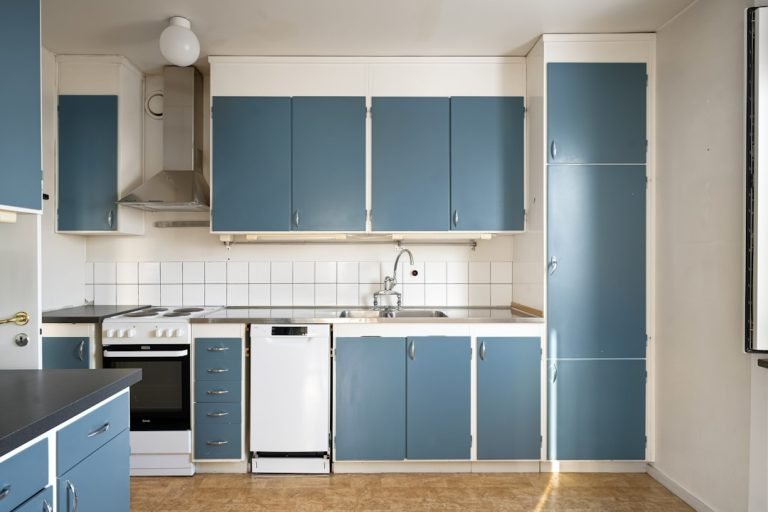
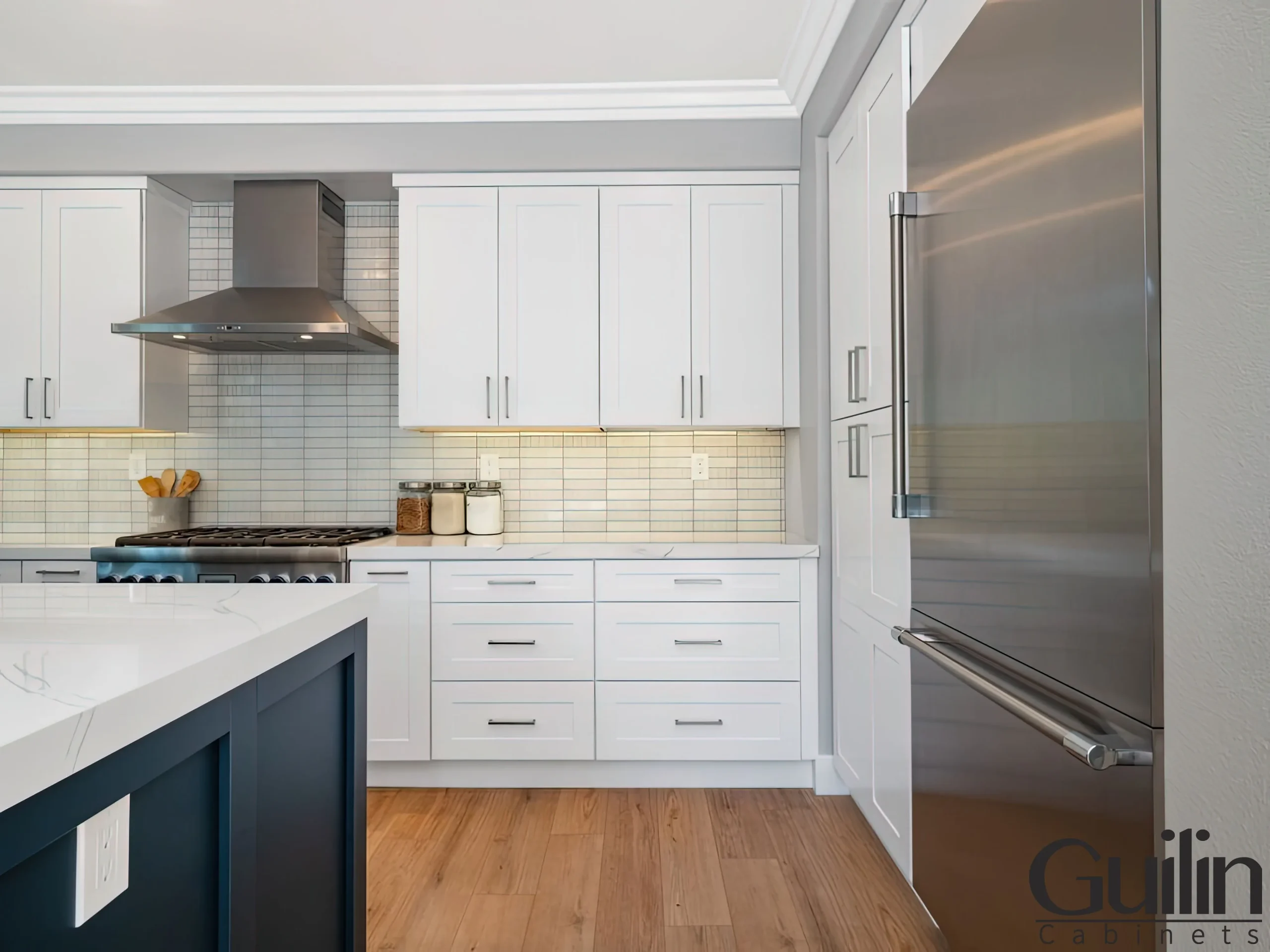
Modern kitchen wall cabinets positioned at ideal height
Standard Wall Unit Heights
Choosing the right height for your kitchen wall units is more important than you might think. Standard wall unit heights provide a guideline that helps keep your kitchen functional and comfortable. Knowing these measurements can make a big difference in how you use your space every day.
Common Measurements
Most kitchen wall units are installed between 54 and 60 inches from the floor. This range allows enough space for countertop activities without making the cabinets too high to reach.
The units themselves usually measure around 30 to 42 inches in height. Taller cabinets are great for extra storage but can feel overwhelming if placed too low.
Here’s a quick look at typical measurements:
| Measurement | Range |
|---|---|
| Distance from floor to bottom of wall unit | 54 – 60 inches |
| Wall unit height | 30 – 42 inches |
Why Height Matters
Have you ever struggled to reach your kitchen cabinets? Setting the right height prevents that frustration. It also keeps your kitchen safe and easy to use for everyone in your household.
Proper height helps maintain good posture while cooking or cleaning. You won’t have to bend too much or stretch uncomfortably. This can reduce strain on your back and shoulders.
Think about how often you use the space above your countertop. Is it mostly for storage or display? Answering this can guide you to choose wall unit heights that fit your routine.
Factors Influencing Wall Unit Height
Choosing the right height for your kitchen wall units is more than just a design decision—it affects how comfortable and efficient your kitchen feels. Several factors come into play when deciding where to place these units. Understanding these will help you create a kitchen space tailored to your needs.
User Height And Comfort
Your height plays a big role in determining the ideal wall unit height. If the cabinets are too high, reaching them becomes a daily struggle. Too low, and they might block your workspace or feel cramped.
Think about who uses the kitchen most often. Are you tall or shorter? Do children need easy access? Adjusting the height to match your reach makes cooking and cleaning smoother.
Ceiling Height Impact
Ceiling height varies widely, from cozy cottages to modern lofts. Higher ceilings give you more vertical space to work with, allowing for taller cabinets that offer extra storage.
However, simply extending cabinets upward can make them hard to reach. You might consider a step-ladder or open shelving for the uppermost sections. Balancing storage needs with practical access is key here.
Countertop And Appliance Considerations
Wall units must coordinate well with countertops and appliances. For example, if you have a tall backsplash or a specific range hood, the cabinets should fit around these without crowding.
Think about how much space you need between your countertop and the bottom of the wall units. Too little room can make food prep awkward. Usually, 18 inches works well, but your appliances might require adjustments.
Adjusting Heights For Different Kitchen Styles
Adjusting the height of your kitchen wall units depends greatly on the style of kitchen you prefer. Different styles call for different practical and aesthetic considerations. Understanding these differences helps you create a space that feels both comfortable and visually balanced.
Modern Vs Traditional Kitchens
Modern kitchens often favor sleek, minimalist designs with wall units mounted higher on the wall. This creates a clean, open look and allows for more counter space below. Typically, wall units in modern kitchens are placed around 54 to 60 inches from the floor, but this can vary based on ceiling height and personal reach.
Traditional kitchens, on the other hand, usually position wall units lower—around 48 to 54 inches from the floor—to maintain a cozy, accessible feel. These kitchens often include decorative details that draw attention to the cabinetry, so the height supports easy access and visual harmony with other elements like backsplash and countertops.
Ask yourself: Do you prefer a kitchen that feels open and airy or warm and inviting? Your answer can guide the ideal height for your wall units.
Open Shelving Alternatives
Open shelving offers flexibility in height and layout since it isn’t restricted by cabinet doors or frames. You can place shelves at varying heights to showcase your favorite dishes or frequently used items. This creates a personalized look and can make your kitchen feel more dynamic.
- Position shelves higher for decorative items and lower for everyday essentials.
- Consider the height of your tallest items to avoid crowding or wasted space.
- Think about your reach: shelves should be easy to access without stepping on a stool.
With open shelving, you can break away from standard cabinet heights and tailor your kitchen to fit your lifestyle. What items do you want most visible and easy to grab? Let that guide your shelf placement for a kitchen that works perfectly for you.

Contractor adjusting kitchen wall unit height
Installation Tips For Optimal Height
Installing kitchen wall units at the right height improves both function and style. Proper placement makes cooking easier and keeps your kitchen safe. Focus on precise measuring and thoughtful spacing to get the best results.
Measuring And Marking
Start by measuring the wall height accurately. Use a level to mark a straight line. This line shows where the bottom of the cabinet will sit. Double-check all measurements before drilling or fixing. Marking clearly helps avoid mistakes and ensures a neat finish.
Spacing Above Countertops
Maintain enough space between the countertop and wall units. A common gap is 18 inches, allowing room for appliances and workspace. Adjust this height for taller backsplashes or special equipment. Proper spacing keeps your kitchen comfortable and prevents clutter.
Safety And Accessibility
Install cabinets at a height reachable by all household members. Avoid placing units too high to reduce strain and accidents. Secure wall units firmly with strong anchors. This ensures stability and prevents falling hazards during daily use.
Customizing Wall Unit Heights
Customizing kitchen wall unit heights helps create a space that fits your lifestyle. Adjusting the height can make your kitchen more comfortable and efficient. It also improves access to your items and adds to the room’s overall look.
Tailoring To Family Needs
Each family has unique needs in the kitchen. Consider the height of family members who use the space most. For children or shorter adults, lower wall units prevent stretching and reaching. Taller family members may prefer higher units to keep counters clear. Think about who will use the kitchen daily and adjust heights accordingly.
Incorporating Storage Solutions
Wall unit height impacts storage options. Taller cabinets offer more room for items you don’t use often. Shorter units keep everyday items within easy reach. Mixing cabinet heights can create smart storage zones. Use shelves or pull-out racks inside cabinets to maximize space. Proper height customization helps keep your kitchen tidy and organized.
Common Mistakes To Avoid
Getting the height of kitchen wall units right is crucial, yet many homeowners make avoidable mistakes. These errors can affect both the look and functionality of your kitchen. Knowing what to watch out for helps you create a space that feels comfortable and works smoothly every day.
Too High Or Too Low Placement
Placing wall units too high forces you to stretch or use a step stool, which can be unsafe and inconvenient. On the other hand, units placed too low can make the kitchen feel cramped and reduce your workspace.
Think about your daily routine. How often do you reach for items in those cabinets? If you find yourself struggling, the height is probably off. Aim for a balance where you can access everything easily without strain.
Ignoring Appliance Sizes
Appliance dimensions often get overlooked when deciding on cabinet height. This can lead to awkward gaps or cramped spaces around your microwave, oven, or fridge.
Measure your appliances carefully before finalizing the wall unit height. Consider the ventilation space needed and how the appliances open. Making these adjustments early saves you from costly fixes later.

Contractor adjusting kitchen wall unit height
Frequently Asked Questions
How High Should Kitchen Wall Units Be Installed?
Kitchen wall units are typically installed 54 inches from the floor. This height allows for a comfortable 18-inch gap above the countertop. It ensures easy access and sufficient workspace, balancing functionality and aesthetics in most kitchen designs.
What Is The Ideal Distance Between Countertop And Wall Units?
The ideal gap between countertops and wall units is 18 to 20 inches. This space provides enough room for appliances and food preparation. It also improves lighting and ventilation, making kitchen tasks easier and safer.
Can Kitchen Wall Unit Height Vary By Ceiling Height?
Yes, wall unit height can vary with ceiling height. For taller ceilings, increase the gap slightly for better proportion. Lower ceilings may require shorter units to avoid crowding and maintain an open feel.
How To Measure Wall Units For Ergonomic Kitchen Design?
Measure wall units by considering user height and countertop height. The standard height is 54 inches from the floor, but adjust for comfort. Ensure the gap allows easy reach without straining or bending.
Conclusion
Choosing the right height for kitchen wall units is crucial. It impacts both functionality and style. Consider your own height and kitchen layout. Standard heights fit most people. But personal comfort matters most. Don’t forget about future accessibility needs. Measure carefully.
Think about reaching upper shelves. Use a step stool if needed. Keep your kitchen practical and welcoming. A well-planned kitchen makes cooking enjoyable. Remember, a little planning goes a long way. Happy organizing!