How Much to Open Up Kitchen Wall: Cost Breakdown & Expert TipsOpen concept kitchen wall removal before afterHow Much to Open Up Kitchen Wall: Cost Breakdown & Expert Tips
Thinking about opening up a kitchen wall to create a more open, inviting space? You’re not alone.
How Much to Open Up Kitchen Wall. Many homeowners want to transform their kitchens into bright, airy areas where family and friends can gather easily. But before you grab a hammer, you probably want to know one crucial thing: how much will it actually cost? Understanding the expenses involved can help you plan better and avoid surprises.
You’ll get clear answers about the costs, what factors affect the price, and tips to keep your project on budget. Let’s dive in and make your dream kitchen a reality without breaking the bank.
Open concept kitchen wall removal before after
Factors Influencing Wall Removal Cost
Removing a kitchen wall is a big decision with many cost factors. Each factor affects the final price differently. Knowing these helps plan your budget well. Understanding the details makes the process smooth and clear.
Wall Type And Structure
Load-bearing walls cost more to remove. They need extra support after removal. Non-load-bearing walls are simpler and cheaper to open. Walls with plumbing or electrical wiring add to the cost. Identifying the wall type early saves surprises later.
Size And Scope Of Opening
The bigger the opening, the higher the cost. Small pass-throughs require less work. Full wall removal or large openings need more labor and materials. The shape and height also influence the price. Planning the exact size helps control expenses.
Permits And Inspections
Most areas require permits for wall removal. Permit fees vary by location and project size. Inspections ensure safety and code compliance. Skipping permits can lead to fines or problems selling your home. Budgeting for permits avoids delays and extra costs.
Labor And Contractor Fees
Skilled labor costs differ by region and contractor. Experienced contractors may charge more but work faster and safer. Labor includes demolition, cleanup, and installation of supports. Getting multiple quotes helps find fair prices. Clear communication prevents hidden charges.
Materials And Finishes
Support beams, drywall, and paint add to the cost. Matching existing finishes can increase expenses. Choosing standard materials lowers price. Custom finishes or high-end materials raise costs. Plan material choices to fit your budget and style.
Typical Price Ranges
Understanding the typical price ranges to open up a kitchen wall helps you plan your budget effectively. Costs can vary widely depending on the size of the opening, the type of wall, and whether you handle the work yourself or hire professionals. Knowing these factors upfront can prevent surprises and keep your project on track.
Small Openings Vs Large Openings
Small openings, like a pass-through or a half wall, usually cost less because they require less structural work. You might expect to spend between $500 and $2,500for these smaller changes.
Large openings that remove significant portions of a wall or create an open-concept kitchen often range from $2,500 to $7,500 or more. The bigger the opening, the more complex the job becomes, especially if additional supports like beams are needed.
Load-bearing Vs Non-load-bearing Walls
Opening a non-load-bearing wall is generally cheaper and simpler. Expect costs around $500 to $3,000, mainly for demolition and finishing.
Load-bearing walls require extra care to maintain your home’s structural integrity. This can increase prices significantly, often between $3,000 and $10,000, due to the need for steel beams or additional supports and inspections.
Diy Vs Professional Services
Taking on the work yourself can save money but carries risks, especially if the wall is load-bearing. You’ll need tools, permits, and skills to avoid costly mistakes.
Hiring professionals ensures safety and quality but increases costs. Labor fees can add 30% to 50%on top of materials and permits. Consider if you have the time and expertise before deciding.
Steps To Prepare For Wall Removal
Preparing to open up a kitchen wall takes more than just picking up a hammer. It involves careful planning and safety checks to ensure your home stays stable and your project goes smoothly. Before you start knocking down anything, you need to understand the steps that keep your renovation safe and effective.
Consulting A Structural Engineer
Not all walls are created equal. Some carry the weight of your entire house, and removing them without expert advice can lead to serious damage. A structural engineer examines your wall to determine if it’s load-bearing and suggests the best way to support your home.
I once skipped this step, thinking my wall was just a divider. Big mistake. The engineer’s report saved me from potential collapse and costly repairs. Don’t take chances—get professional input first.
Obtaining Necessary Permits
Your city or town likely requires permits before you alter any structural parts of your home. These rules aren’t just red tape; they ensure the work meets safety standards. Applying for a permit might seem like a hassle, but it protects your investment and keeps your insurance valid.
Check with your local building department early. Sometimes, the paperwork takes longer than the actual demolition. You don’t want to start tearing down a wall only to be told to stop halfway through.
Planning For Temporary Support
Even if the wall isn’t fully load-bearing, it might support cabinets, plumbing, or electrical wiring. Temporary supports keep everything in place while the work is underway. This step helps avoid unexpected collapses or damage to your kitchen’s infrastructure.
- Set up braces or beams to hold up the ceiling or counters.
- Coordinate with electricians and plumbers to safely disconnect utilities.
- Prepare the area to minimize dust and debris spread.
Skipping temporary support can lead to costly fixes and dangerous situations. Planning this carefully will save you time and headaches later on.
Common Challenges And Solutions
Opening up a kitchen wall can dramatically change the feel of your home, but it comes with its own set of challenges. You might expect a straightforward tear-down, but hidden issues often surface that require careful handling. Knowing these common obstacles and their solutions can save you time, money, and frustration.
Hidden Wiring And Plumbing
One of the biggest surprises when opening a kitchen wall is discovering hidden electrical wiring or plumbing lines. These are often placed inside walls without much warning, especially in older homes.
If you cut into a wall without checking, you risk damaging these systems, leading to costly repairs or dangerous situations. Before you start, use a stud finder with a wire sensor or hire a professional to inspect the wall.
Have you ever thought about how many wires might be running behind your kitchen walls? Taking the time to map them out prevents shocks and ensures your project stays on track.
Maintaining Structural Integrity
Not all walls are created equal. Some carry the weight of your home’s upper floors and roof, making them load-bearing walls. Removing or altering these without proper support can cause serious structural problems.
It’s essential to identify whether the wall you want to open is load-bearing. A structural engineer or experienced contractor can assess and suggest reinforcements like beams or posts.
Think about it: would you risk your entire home’s stability just for a wider kitchen? Finding the right balance between aesthetics and safety is key.
Dealing With Debris And Cleanup
Opening a wall generates a lot of dust, debris, and sometimes even unexpected messes like mold or pest nests. This can quickly turn your renovation into a stressful ordeal.
Plan for containment and cleanup before you start. Use plastic sheeting to seal off other rooms and have heavy-duty garbage bags or a dumpster ready to handle the waste.
Ask yourself how you will manage the mess so it doesn’t overwhelm your living space. A little prep goes a long way in keeping your project smooth and your home livable.
Expert Tips For Cost Savings
Saving money while opening up a kitchen wall requires smart choices. Small decisions can lower your total cost. Focus on practical tips to keep expenses down. Careful planning and smart selections matter most.
Choosing The Right Contractor
Select a contractor with good reviews and fair prices. Ask for multiple quotes to compare costs. Check if they have experience in wall removal. A skilled contractor avoids costly mistakes and saves time.
Scheduling Efficiently
Plan the work during off-peak seasons or weekdays. Contractors may offer lower rates during slower times. Avoid rush jobs to reduce extra fees. Coordinating tasks helps finish faster and cuts labor costs.
Selecting Budget-friendly Materials
Pick materials that look good but cost less. Consider standard drywall and simple finishes. Reuse existing materials when possible to save money. Avoid expensive custom designs or rare items.
Load-bearing kitchen wall removal cost estimate
Enhancing Kitchen Space Post-removal
Removing a kitchen wall opens up many possibilities for improving space and style. It creates a larger area that feels bright and welcoming. Proper planning helps maximize this new open space for comfort and function.
Focus on design, light, and furniture to enhance the kitchen’s look. Each change can make the room feel more spacious and enjoyable for cooking and socializing.
Open Concept Design Ideas
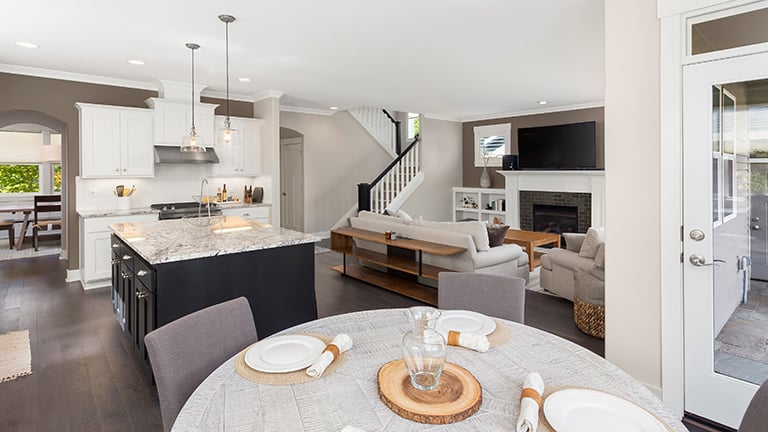
Open concept kitchens blend cooking and living areas smoothly. Use matching colors and materials to tie spaces together. Consider an island or breakfast bar for extra workspace and seating. Keep clutter low for a clean, airy feel.
- Choose simple cabinets with clean lines
- Use neutral colors to create flow
- Add a rug to define seating areas
Lighting And Ventilation
Good lighting brightens the whole space. Use a mix of natural light and fixtures for balance. Pendant lights over counters add style and function. Ensure ventilation is strong to keep air fresh and cooking smells away.
- Install large windows or skylights if possible
- Use LED lights for energy savings
- Add an efficient range hood to improve airflow
Furniture And Layout Adjustments
Arrange furniture to create smooth movement paths. Use smaller tables or chairs to save space. Place seating to encourage conversation while cooking. Keep work areas clear for easy meal prep.
- Choose multi-use furniture like storage benches
- Leave enough room between counters and furniture
- Use open shelves for easy access and display

Expert tips for opening up kitchen wall design
Frequently Asked Questions
How Much Does It Cost To Open A Kitchen Wall?
Opening a kitchen wall typically costs between $1,200 and $5,000. The price varies based on wall type, size, and labor costs. Structural walls require permits and reinforcement, increasing expenses. Non-load-bearing walls cost less. Always get a professional inspection before starting.
Are Permits Needed To Open A Kitchen Wall?
Yes, permits are usually required to open a kitchen wall. This is especially true for load-bearing walls. Local building codes ensure safety and structural integrity. Obtaining permits avoids legal issues and ensures the work meets standards. Check with your local building department first.
How Long Does It Take To Open A Kitchen Wall?
Opening a kitchen wall usually takes 1 to 3 days. The timeline depends on wall size, complexity, and contractor availability. Additional time may be needed for inspections and finishing work. Proper planning helps minimize disruptions during the project.
Can I Open A Load-bearing Kitchen Wall Myself?
It is not recommended to open a load-bearing wall yourself. These walls support the house structure and require professional expertise. Improper removal can cause serious damage and safety risks. Hire a licensed contractor to assess and safely modify load-bearing walls.
Conclusion
Opening up a kitchen wall can greatly enhance your home. It creates more space and light. Think about cost, time, and safety. Always consult a professional. This ensures the best results. Plan your budget carefully. Consider all expenses involved. Permits, labor, and materials add up.
Do research before starting. Check local building codes. They vary by location. A well-planned project minimizes stress. It also maximizes satisfaction. Your new kitchen will be more inviting. A place for family and friends. Enjoy the transformation. Your dream kitchen awaits.