How to Choose Wall Color for Kitchen: Expert Tips for Perfect Hue
Choosing the right wall color for your kitchen can completely transform the heart of your home. But with so many options, it’s easy to feel overwhelmed.
How to Choose Wall Color for Kitchen. What if the color you pick makes your kitchen feel smaller or too busy? What if it doesn’t match your style or the mood you want to create? Don’t worry—you’re not alone. You’ll discover simple, practical tips to help you pick a color that brightens your space, suits your taste, and makes every meal feel special.
Keep reading, and soon your kitchen will become the place you love to spend time in.
Factors Influencing Kitchen Wall Color
Choosing the right wall color for your kitchen depends on several important factors. These elements affect how the color looks and feels in the space. Understanding them helps create a balanced and inviting kitchen.
Kitchen Size And Lighting
Small kitchens benefit from light colors to make the space feel bigger. Dark colors can make a small kitchen feel cramped. Natural light changes the color’s appearance throughout the day. Artificial lighting also affects the color tone. Bright kitchens can handle bold colors better. Dim kitchens need lighter shades to brighten the space.
Cabinet And Countertop Colors
The wall color should complement your cabinets and countertops. Match warm wall colors with warm-toned cabinets. Cool wall colors work well with gray or white cabinets. Contrast can create visual interest. For example, dark cabinets look great with light walls. Avoid colors that clash with your countertops. Balance is key for a harmonious look.
Appliance And Fixture Styles
Appliances and fixtures influence the wall color choice. Modern stainless steel fits well with neutral or cool colors. Vintage or rustic styles match warm, earthy tones. Bright colors can highlight unique fixtures. Soft hues create a calm background for bold appliances. Consider the style to keep the kitchen cohesive.

Kitchen wall color combinations and ideas
Popular Kitchen Color Palettes
Choosing the right wall color for your kitchen sets the room’s mood. Popular kitchen color palettes offer a wide range of options. They help create a space that feels warm, fresh, or lively. Colors can make your kitchen look bigger, brighter, or cozier.
Explore different palettes to find what fits your style. Neutral tones bring calm and timeless beauty. Bold and vibrant shades add energy and personality. Pastel and soft colors offer gentle, soothing vibes. Each palette creates a unique kitchen atmosphere.
Neutral Tones
Neutral colors suit most kitchen styles. Shades like beige, gray, and white create a clean look. They reflect light, making kitchens feel spacious. Neutral tones match well with wood and metal finishes. These colors offer a calm, relaxing environment. Perfect for those who want a classic kitchen.
Bold And Vibrant Shades
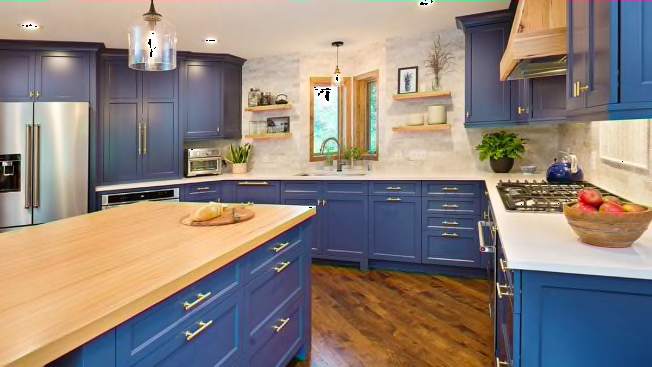
Bright colors bring life to the kitchen walls. Reds, blues, and greens add strong character. They draw attention and create a lively space. Use bold colors on one wall for a striking effect. Pair with neutral cabinets to balance the look. Great choice for kitchens full of energy.
Pastel And Soft Colors
Soft colors create a gentle, inviting kitchen. Light pinks, blues, and mint green soothe the eye. Pastels add charm without overwhelming the space. These colors work well in small kitchens. They brighten rooms without harshness. Ideal for those who want a fresh, delicate feel.
Color Psychology In Kitchens
Choosing the right wall color for your kitchen can change the room’s mood. Colors affect feelings and behaviors. This is called color psychology. In kitchens, colors can influence appetite, calmness, and energy. Understanding these effects helps pick a color that fits your style and needs.
Warm Colors And Appetite
Warm colors like red, orange, and yellow make kitchens feel lively. They often increase hunger and excitement. These shades create a cozy, welcoming space. Red can boost appetite and conversation. Yellow adds cheer and energy. Orange blends warmth and friendliness. Use warm colors to make meals more inviting.
Cool Colors And Calmness
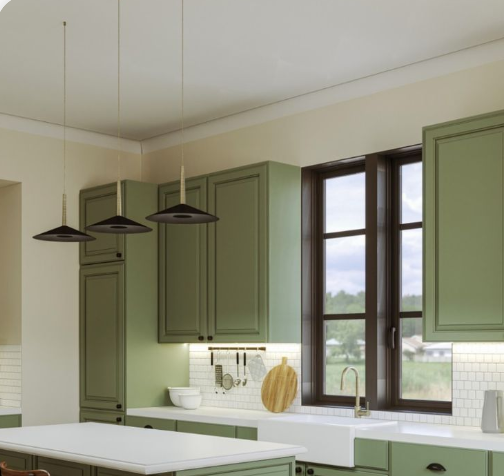
Cool colors include blue, green, and soft gray. They bring calm and relaxation to the kitchen. Blue tones can reduce stress and create a clean feel. Green connects to nature and freshness. These colors help slow down busy minds. Cool hues work well in kitchens where peace is key.
Balancing Energy With Color
Too much of one color can overwhelm a kitchen. Balance is important for comfort. Combine warm and cool shades to control energy levels. Light neutrals soften bright colors. Use color accents in small areas like backsplashes or shelves. This mix keeps the space lively but not tiring. A balanced palette makes cooking more enjoyable.
Choosing perfect paint hue for kitchen walls
Testing And Sampling Paint Colors
Choosing the right wall color for your kitchen starts with testing and sampling paint colors. This process helps you see how colors look in your kitchen’s unique light and space. Sampling prevents costly mistakes and ensures the color matches your style and mood.
Choosing Test Spots
Pick areas that show the paint clearly. Avoid places with shadows or strong direct light. Walls near windows or the stove give different effects. Test spots should be about 12 by 12 inches. This size shows true color without overwhelming the space.
Observing Colors At Different Times
Colors change with light throughout the day. Look at your test spots in the morning, afternoon, and evening. Check how artificial lights affect the color too. Note the changes on cloudy and sunny days. This helps avoid surprises after painting.
Using Paint Samples Effectively
- Apply several coats to test spots for true color depth.
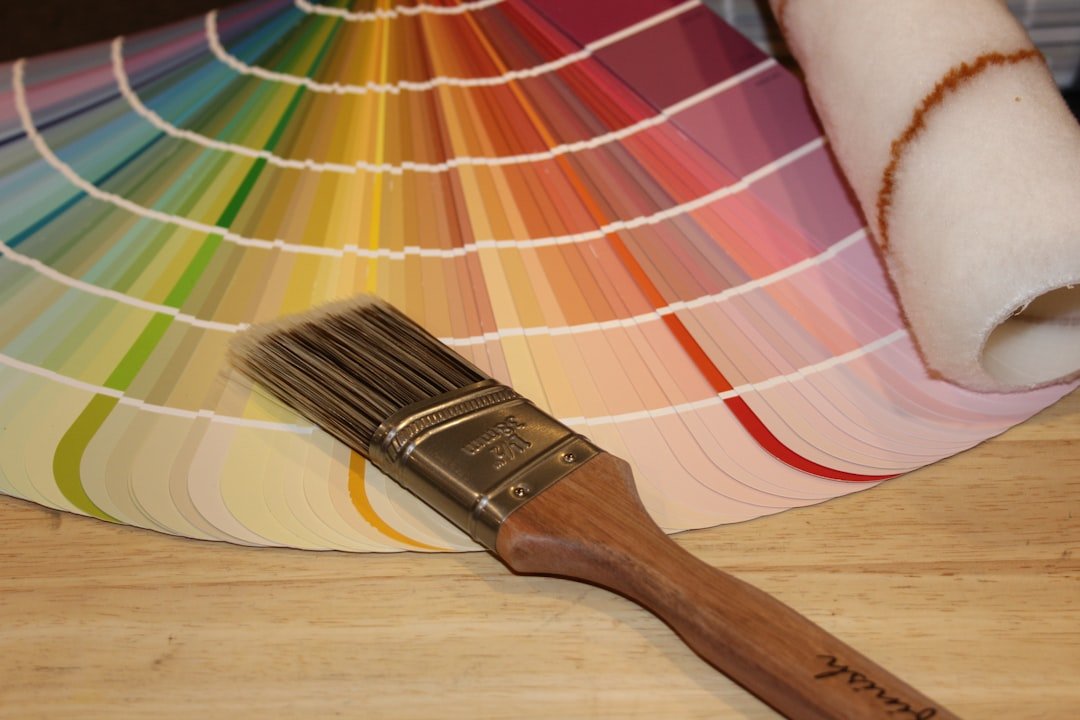
- Use paint cards to compare similar shades side by side.
- Try painting large poster boards and move them around.
- Live with the samples for a few days to see your reaction.
- Ask family members for their opinion on the samples.
Testing and sampling give confidence in your final choice. Small efforts now save time and money later.
Finishing Touches To Complement Wall Color
Choosing the right wall color sets the tone for your kitchen. Finishing touches make the space feel complete and inviting. These elements highlight your wall color and bring harmony to the design.
Backsplash Options
The backsplash is a focal point near your walls. Pick tiles or materials that match or contrast with the wall color. Glass tiles add shine and reflect light. Subway tiles offer a classic look that fits many styles. Natural stone brings texture and warmth. Choose colors that balance the wall paint for a smooth flow.
Decor And Accessories
Decor items give personality to your kitchen. Use items like rugs, curtains, and dishware in shades that complement your walls. Wooden accents add warmth and natural charm. Metallic finishes, such as copper or brass, create a stylish contrast. Keep the decor simple to avoid overpowering the wall color.
Lighting Fixtures
Lighting changes how wall colors look. Select fixtures that enhance the paint shade. Warm lights soften cool wall colors. Cool lights brighten warm tones. Pendant lights over counters add style and focus. Under-cabinet lights highlight backsplashes and countertops, enhancing color details.
Choosing perfect paint hue for kitchen walls
Common Mistakes To Avoid
Choosing the right wall color for your kitchen can transform the space, but there are common mistakes that can lead to disappointing results. Avoiding these pitfalls will save you time, money, and frustration. Let’s dive into what you should watch out for to make your kitchen look exactly how you want.
Ignoring Natural Light
Natural light changes how paint colors appear throughout the day. A shade that looks perfect in the morning might feel dull or harsh by afternoon. Have you noticed how a color on a paint chip looks different in your kitchen?
Before deciding, observe your kitchen at different times. North-facing kitchens get cooler, bluish light, which can make warm colors look muted. South-facing rooms are bright and warm, often enhancing vivid hues.
Overlooking Color Coordination
Your wall color should work well with cabinets, countertops, and even appliances. Don’t pick a color in isolation; think about the entire palette. Does your chosen color clash or blend with existing elements?
Try creating a simple color board with samples of your cabinets, tiles, and fabrics. This helps avoid surprises like a wall color that makes your countertops look dull or your backsplash too busy.
Skipping Paint Testing
Never trust a color straight from the sample pot. Paint a large swatch on your kitchen wall and watch it over several days. This small step reveals how the color truly behaves with your lighting and space.
Have you ever bought paint only to regret it after a day? Testing helps you avoid costly repainting and ensures you love the final look before committing.
Frequently Asked Questions
What Colors Make A Kitchen Look Bigger?
Light colors like white, soft gray, and pale blue make kitchens appear larger. They reflect more light, creating an open and airy feel. Using these shades on walls enhances space perception and brightens the room, making it feel more inviting and spacious.
How To Pick Kitchen Wall Color With Cabinets?
Choose a wall color that complements your cabinet finish. For dark cabinets, use light, neutral walls for contrast. For light cabinets, bolder or warmer colors add depth. This balance ensures harmony and highlights your kitchen’s design features effectively.
Which Wall Colors Increase Kitchen Brightness?
Bright whites, soft yellows, and light pastels enhance kitchen brightness. These colors reflect natural and artificial light well. They create a cheerful atmosphere and make the kitchen feel fresh and welcoming throughout the day.
Can Wall Color Affect Kitchen Mood?
Yes, wall color significantly influences kitchen mood. Warm colors like red or orange energize and stimulate appetite. Cool colors such as blue or green create calmness and relaxation. Choose colors based on the atmosphere you want to create.
Conclusion
Choosing the right wall color for your kitchen transforms the space. It sets the mood and enhances the overall design. Consider natural light and your kitchen’s existing elements. Earthy tones create warmth. Bold colors add energy. Neutral shades offer flexibility.
Test samples to see how colors look in different lights. Trust your instincts and personal style. A cohesive color choice can make your kitchen inviting. Make it a place where everyone feels at home. Remember, a fresh coat of paint can bring new life.
Happy decorating!