How to Install a Wall Mount Kitchen Faucet: Easy Step-by-Step Guide
Are you ready to give your kitchen a fresh, modern look? Installing a wall mount kitchen faucet can do just that—and it’s easier than you might think.
Imagine freeing up valuable counter space while adding a sleek touch to your kitchen. Whether you’re upgrading or fixing a leak, this simple change can make a big difference. In this guide, you’ll discover step-by-step instructions that anyone can follow, even if you’ve never done plumbing before.
Keep reading, and by the end, you’ll have the confidence to install your new faucet like a pro.
Credit: www.luxuryhomefaucet.com
Tools And Materials Needed
Before you start installing a wall mount kitchen faucet, gathering the right tools and materials is essential. Having everything on hand makes the process smoother and helps you avoid frustrating pauses. Let’s look at what you’ll need to get the job done efficiently and correctly.
Essential Tools For Installation
- Adjustable wrench:This helps you tighten or loosen nuts and bolts of various sizes without needing multiple wrenches.
- Basin wrench:A must-have for reaching nuts in tight spaces behind the sink or wall.
- Phillips and flathead screwdrivers:You’ll need these for securing mounting brackets and handle screws.
- Drill with appropriate bits:If your wall doesn’t have pre-drilled holes, a drill is necessary for mounting the faucet securely.
- Plumber’s tape (Teflon tape):This prevents leaks by sealing threaded pipe joints.
- Pipe cutter or hacksaw:Useful if you need to trim water supply lines for a perfect fit.
Materials Needed For The Faucet Installation
- Wall mount kitchen faucet:Choose one compatible with your plumbing and wall setup.
- Mounting hardware:This includes screws, anchors, and brackets that come with the faucet or need to be purchased separately.
- Supply lines:Flexible hoses that connect the faucet to your water supply. Check if your faucet includes these or if you need to buy them.
- Sealant or plumber’s putty:Helps create a watertight seal around the faucet base.
- Cleaning cloth and bucket:Handy for catching drips and cleaning up any mess as you work.
Why Having The Right Tools Matters
Imagine trying to tighten a hard-to-reach nut without a basin wrench. It’s frustrating and can cause damage. I once spent hours struggling without the right wrench, which taught me the value of proper tools.
Do you want your installation to be quick and leak-free? Then don’t skip gathering the right equipment first. It saves time and prevents costly mistakes.
Credit: www.luxuryhomefaucet.com
Preparing The Installation Area
Preparing the installation area is a crucial part of fitting your new wall mount kitchen faucet. Taking the time to properly shut off the water, remove the old faucet, and clean the wall surface will save you headaches later. Each step sets the stage for a smooth and secure installation.
Shutting Off Water Supply
Before you touch any plumbing, make sure to turn off the water supply. Locate the shutoff valves under the sink or the main water valve for your home. Turning these off prevents leaks and water damage while you work.
If you’re unsure where the valves are, take a moment to trace the pipes or ask someone who knows your home’s setup. You don’t want to find out halfway through that water is still flowing. Have a bucket or towels ready just in case a little water drips out when you disconnect the old faucet.
Removing Old Faucet
Removing the old faucet can be tricky if it’s been in place for years. Start by loosening the mounting nuts using an adjustable wrench or basin wrench. If they’re stuck, applying a bit of penetrating oil can help loosen them without damaging your plumbing.
Take care to support the faucet as you remove the nuts so it doesn’t fall and damage the wall or sink. Once free, gently pull the faucet away from the wall. If you notice corrosion or buildup, don’t rush—this is a sign you’ll need to clean the area thoroughly before installing the new faucet.
Cleaning The Wall Surface
Cleaning the wall surface is often overlooked but is essential for a good seal and a neat finish. Use a mild cleaner and a sponge to remove any grime, old sealant, or mineral deposits around the mounting area. Pay special attention to corners and edges where dirt can hide.
Dry the surface completely before moving on. A clean, dry wall helps the new faucet mount properly and prevents mold or mildew from forming behind it. Take a moment to inspect the wall—are there any cracks or damage that need fixing? Address those now to avoid bigger problems later.
Marking And Drilling Holes
Marking and drilling holes is a critical part of installing a wall mount kitchen faucet. Getting this step right ensures your faucet is secure and functions smoothly. If the holes are off, it can lead to leaks or uneven placement, creating frustration down the line.
Measuring Faucet Placement
Start by deciding exactly where you want your faucet on the wall. Measure from the countertop to the desired height, keeping in mind the size of your sink and any backsplash. Precision here saves you from awkward faucet positions that can disrupt your workflow.
Use a level to mark a horizontal line where the faucet base will sit. This guarantees the faucet won’t tilt once installed. Take your time with this step—rushing often leads to crooked results.
Double-check the distance between the hot and cold water supply lines. Most faucets have a standard spacing, but it’s best to verify your model’s requirements. Are you thinking about what could happen if the spacing is off? It could mean extra plumbing work later on.
Drilling Mounting Holes
Before drilling, use painter’s tape over the marked spots to prevent the drill bit from slipping. This small trick keeps your marks visible and your wall scratch-free. Have you tried this before? It’s a simple way to improve accuracy.
Select a drill bit size that matches the faucet’s mounting hardware. Too large, and the faucet won’t hold tightly; too small, and you risk cracking the wall. Steady your hand and drill slowly to maintain control.
After drilling, clean out any dust or debris from the holes. This helps the anchors or screws grip better. If you’re working with tile or a delicate surface, a specialized drill bit can make the process smoother and prevent damage.
Installing The Mounting Bracket
Installing the mounting bracket is a crucial part of setting up your wall mount kitchen faucet. This step ensures the faucet stays securely attached to the wall and functions properly. Taking your time here will save you headaches later on.
Locate The Ideal Mounting Spot
Start by finding a solid wall area where the bracket will sit. Check behind the wall surface for studs or support beams. If you miss this, the bracket might not hold the faucet’s weight well.
Use a stud finder or gently tap the wall to find a firm spot. Mark this location clearly. Make sure the faucet’s water lines will reach comfortably from this point.
Mark And Drill Holes For The Bracket
Hold the mounting bracket against the wall where you marked the spot. Use a pencil to mark the screw holes on the wall through the bracket’s holes.
Pick a drill bit that fits your wall anchors or screws. Drill holes carefully at the marks you made. Avoid drilling too deep to protect any pipes or wiring inside the wall.
Attach The Bracket Securely
Insert wall anchors into the drilled holes if you’re not drilling into studs. These provide extra grip for the screws.
Then, align the bracket with the holes and screw it in tightly. Make sure it’s level and doesn’t wobble. A shaky bracket will cause faucet problems down the line.
Double-check Stability Before Moving Forward
Give the bracket a firm wiggle to test its hold. If it moves or feels loose, tighten the screws or try different anchors. A secure bracket is your faucet’s foundation.
Have you ever installed something that seemed solid but later failed? This step prevents that frustration and keeps your kitchen faucet steady for years.
Connecting Water Lines
Connecting the water lines is a crucial part of installing your wall mount kitchen faucet. It ensures the water flows properly and prevents leaks that could cause damage over time. Paying close attention here saves you from costly repairs later and keeps your kitchen running smoothly.
Attaching Supply Lines
Start by attaching the supply lines to the faucet. Make sure you have the right size connectors that match your faucet’s inlets. Hand-tighten the connections first to avoid cross-threading, then use a wrench to secure them snugly, but don’t overtighten.
It helps to have a small bucket or towel ready to catch any drips during this process. Double-check that the hot and cold lines are connected correctly—mixing these up is a common mistake that can cause confusion later.
Sealing Connections
Sealing the connections properly prevents leaks and ensures a long-lasting fit. Use plumber’s tape (Teflon tape) on threaded connections. Wrap the tape clockwise around the threads two to three times before tightening the fitting.
Additionally, you can apply a small amount of pipe joint compound for extra protection if you want. After everything is connected, turn on the water supply slowly and watch for leaks around the joints. If you spot any drips, tighten the connections slightly or reapply tape as needed.
Mounting The Faucet
Mounting the faucet is the crucial stage where your preparation meets action. This step determines how securely your faucet will hold and how smoothly it will function. Taking your time here can save you from leaks and alignment issues later on.
Positioning The Faucet On The Wall
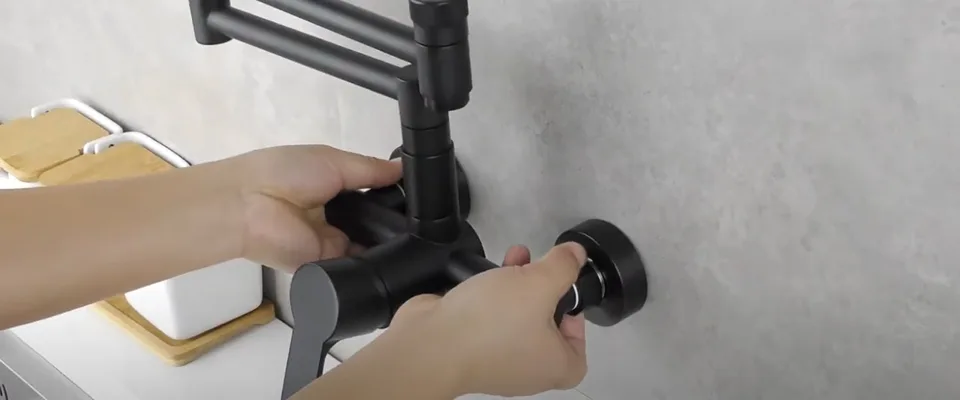
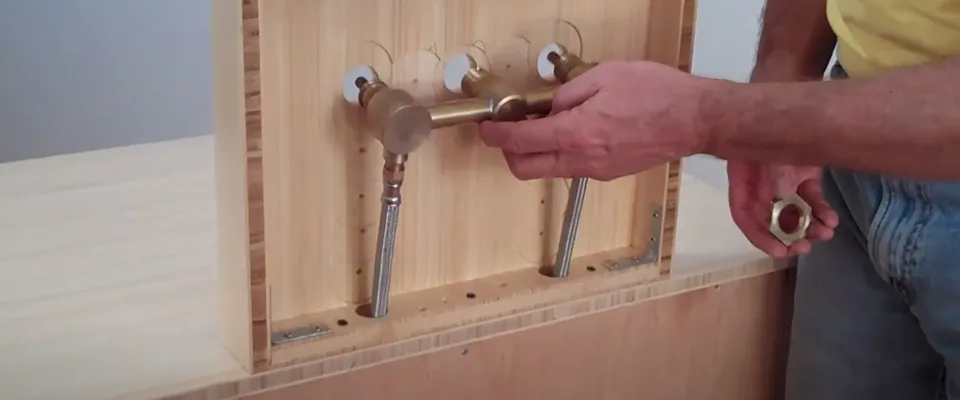
Start by aligning the faucet with the water supply pipes protruding from the wall. Make sure the faucet’s mounting holes match the pipe locations exactly to avoid stress on the connections.
Use a level to check that the faucet sits perfectly horizontal. Even a slight tilt can cause water flow problems or make the faucet look crooked.
Ask yourself: Have you double-checked the height? Positioning the faucet too high or low can affect your comfort while using the sink.
Securing The Mounting Bracket
The mounting bracket holds your faucet firmly in place. Use the screws provided and tighten them into the wall anchors or studs for maximum stability.
If your wall is drywall, make sure to use proper anchors to prevent the faucet from pulling away over time.
Check the bracket’s tightness often as you work; a loose bracket can cause wobbling and damage later.
Connecting The Water Supply Lines
Attach the hot and cold water supply lines to the corresponding faucet inlets. Use plumber’s tape on threaded connections to ensure a watertight seal.
Hand-tighten first, then use a wrench for a snug fit—but avoid overtightening which can crack fittings.
Have you inspected the hoses for any bends or kinks? These can restrict water flow and cause long-term issues.
Testing For Leaks And Final Adjustments
Turn on the water supply slowly and watch for any drips around the connections. Even small leaks can waste water and cause damage behind the wall.
If you spot leaks, tighten connections gently or reapply plumber’s tape as needed.
Finally, operate the faucet handles to check smoothness and proper water temperature mix. Does everything feel solid and leak-free? If yes, you’ve done a great job mounting your faucet!
Testing For Leaks And Functionality
Testing for leaks and functionality is a critical part of installing a wall mount kitchen faucet. It ensures your hard work doesn’t lead to water damage or frustration later. You want to catch any issues early before sealing everything up.
Checking All Connections For Leaks
Start by turning the water supply back on slowly. Watch every joint and connection point closely. Even a tiny drip can signal a loose fitting or a missing washer.
Use a dry paper towel or tissue to help spot moisture quickly. Wipe around the connections, then check if the towel gets wet after a few minutes. This simple trick helped me catch a leak I almost missed during my first installation.
Testing The Faucet’s Water Flow And Temperature
Run both hot and cold water through the faucet. Check if the water pressure feels steady and strong. If it sputters or weakens, there might be an issue with the supply lines or aerator.
Also, verify the temperature control works smoothly. Does the faucet switch easily from cold to hot? Any stiffness or irregularity could mean internal parts are misaligned or damaged.
Inspecting For Drips After Use
Turn off the faucet and watch the spout for at least five minutes. Does water continue to drip? Persistent dripping often points to a faulty cartridge or seal that needs adjustment or replacement.
Consider leaving a dry cloth under the faucet overnight. This will reveal slow leaks that aren’t obvious during initial testing. Catching these early saves you from water stains and mold later on.
Credit: www.luxuryhomefaucet.com
Tips For Maintenance And Care
Proper maintenance keeps your wall mount kitchen faucet working well for years. Simple care routines prevent damage and costly repairs. Follow these tips to maintain a clean, efficient faucet.
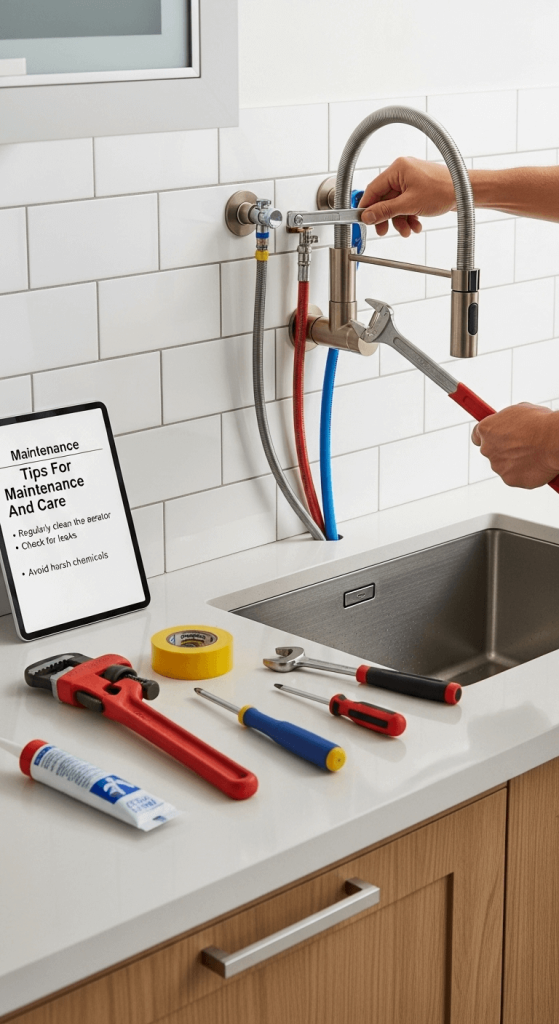
Image: How to Install a Wall Mount Kitchen Faucet Tips For Maintenance And Care
Clean The Faucet Regularly
Wipe the faucet with a soft cloth every day. Use mild soap and warm water for cleaning. Avoid harsh chemicals that can damage the finish. Dry the faucet after cleaning to stop water spots.
Check For Leaks Often
Look under the sink and around the faucet for drips. Fix small leaks quickly to prevent water waste and damage. Tighten loose connections or replace worn washers as needed.
Remove Mineral Buildup
Hard water can cause white spots and blockages. Soak a cloth in vinegar and wrap it around the faucet. Leave it for 30 minutes, then scrub gently with a soft brush. Rinse thoroughly with water afterward.
Maintain The Aerator
Unscrew the aerator every few months. Clean out any debris or mineral deposits inside. Rinse it under running water before putting it back. This keeps water flow smooth and consistent.
Operate Handles Gently
Turn faucet handles slowly and without force. Rough handling can wear out internal parts faster. Smooth use extends the life of valves and seals.
Frequently Asked Questions
How Do You Install A Wall Mount Kitchen Faucet?
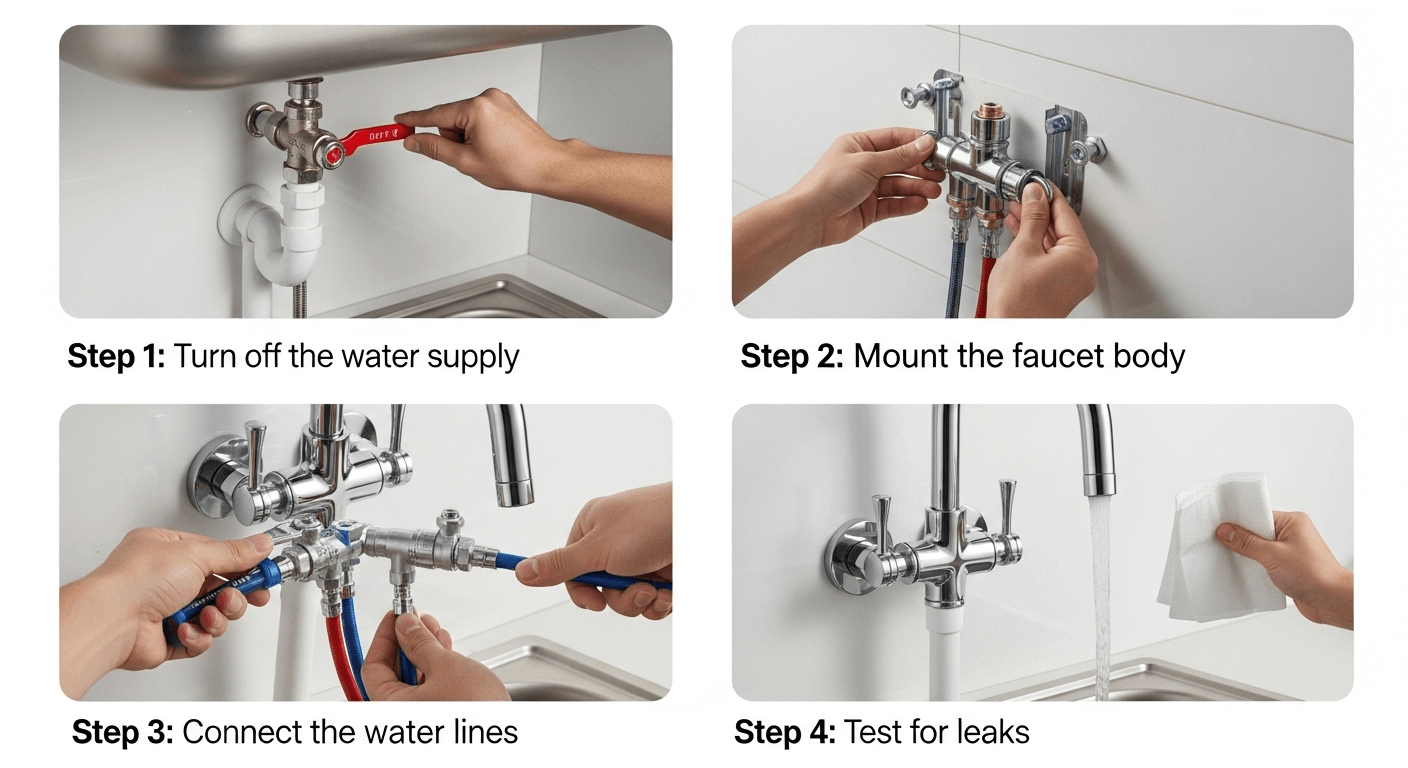
First, turn off the water supply. Then, mount the faucet on the wall bracket. Connect the supply lines securely. Finally, check for leaks and adjust as needed.
What Tools Are Needed For Faucet Wall Mounting?
You need an adjustable wrench, drill, screwdriver, plumber’s tape, and level. These tools help secure and align the faucet properly on the wall.
Can I Install A Wall Mount Faucet Myself?
Yes, if you have basic plumbing skills and tools, you can. Follow instructions carefully and ensure water supply is off before starting.
How Do I Prevent Leaks In Wall Mount Faucets?
Use plumber’s tape on threaded connections. Tighten fittings firmly but avoid overtightening. Regularly check for drips and address them promptly.
Conclusion
Installing a wall mount kitchen faucet is easier than you think. Follow the steps carefully. Gather all necessary tools before starting. Ensure the water supply is off. This prevents leaks and accidents. Double-check connections for a tight fit. Secure the faucet firmly to the wall.
Turn the water supply back on slowly. Check for any drips or leaks. Fix them immediately if found. Enjoy your new faucet and improved kitchen space. Remember, patience and precision matter. With these tips, you can install a faucet confidently.
Happy installing!

Sophia Martinez is a culinary lifestyle writer and product reviewer for DiningGadgets.com. Passionate about blending style with functionality, she explores the latest dining essentials, kitchen décor, and cleaning hacks that transform everyday cooking spaces. With a background in home organization and design, Sophia brings readers expert advice on creating beautiful, practical kitchens that truly feel like the heart of the home.