How High are Wall Cabinets in Kitchen: Ideal Heights for Style & Function
Are you wondering how high your kitchen wall cabinets should be? Getting the height just right can make a huge difference in how your kitchen looks and feels.
How High are Wall Cabinets in Kitchen. Too low, and your space might feel cramped. Too high, and you could struggle to reach what you need. You’ll discover the perfect height for your wall cabinets to boost both style and function. Keep reading—you’re about to unlock simple tips that can transform your kitchen into a more comfortable and beautiful space.
Standard Wall Cabinet Heights
Standard wall cabinet heights play a key role in kitchen design. They affect storage space and overall kitchen flow. Choosing the right height ensures cabinets fit well above counters and appliances. It helps maintain comfort and accessibility while cooking or cleaning.
Common Height Measurements
Wall cabinets usually come in several common heights. These include:
- 12 inches – often used for small spaces or above appliances
- 15 inches – a popular choice for extra storage without crowding
- 18 inches – standard height for most kitchens
- 24 inches – used when more storage is needed or ceilings are higher
- 30 inches and above – for tall kitchen walls or pantry areas
Standard cabinet height is often 30 inches, fitting well with most kitchens.
Variations By Ceiling Height
Ceiling height influences wall cabinet size and placement. For standard 8-foot ceilings, 30-inch cabinets are common. They leave space for crown molding or lighting above.
For ceilings 9 feet or higher, taller cabinets of 36 or 42 inches work better. These fill the space more fully and provide extra storage.
In kitchens with low ceilings, shorter cabinets help avoid crowding. Some designs use open shelves or glass-front cabinets to keep the space light.
Factors Influencing Cabinet Height
Choosing the right height for wall cabinets in your kitchen isn’t just about looks. Several factors influence how high these cabinets should be installed. Considering these elements ensures your kitchen is both functional and comfortable for daily use.
User Reach And Accessibility
Your height and the height of others using the kitchen regularly play a big role in deciding cabinet height. If you or your family members are shorter, placing cabinets too high can make accessing items difficult and unsafe. Think about who will reach the cabinets most often and how easily they can grab what they need.
Have you ever struggled to reach a spice jar or a favorite mug? That frustration can be avoided by measuring the comfortable reach range before installation. Accessibility isn’t just about height; it also means making space for those with mobility challenges, like installing pull-down shelves or step stools.
Kitchen Layout And Design
The shape and size of your kitchen influence cabinet height too. In smaller kitchens, taller cabinets might help maximize storage but can make the space feel cramped. Open layouts often allow for more flexibility, letting you balance cabinet height with the overall design flow.
Think about how your cabinets align with counters, windows, and lighting fixtures. For example, installing cabinets too close to a window might block natural light. Your kitchen’s style—modern, traditional, or rustic—also impacts whether you prefer sleek, higher cabinets or lower, more accessible ones.
Appliance And Fixture Placement
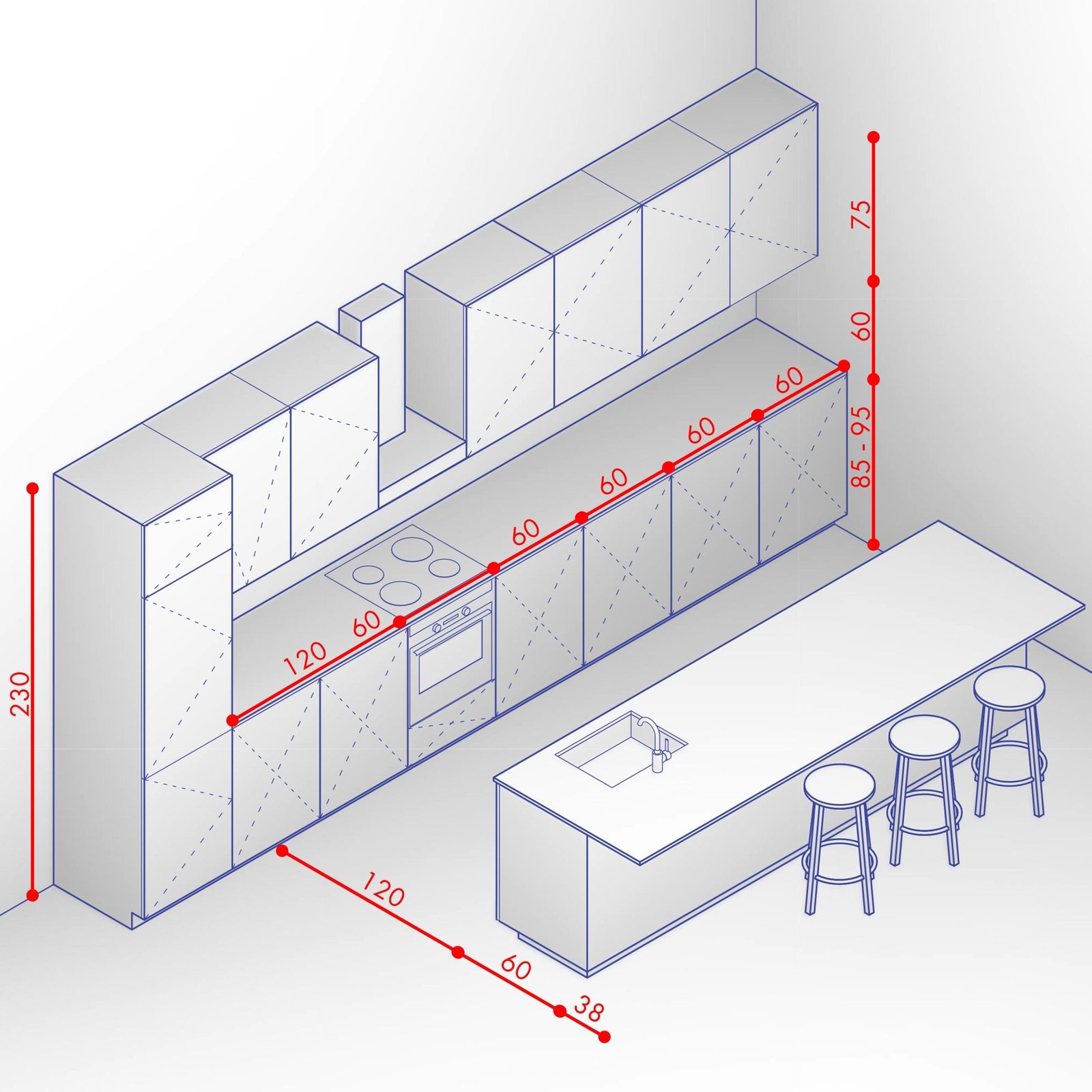
Where you place your appliances and fixtures affects how high your wall cabinets can go. Cabinets need to clear stovetops, microwaves, and range hoods, leaving enough space for safety and usability. For instance, a range hood usually requires at least 24 to 30 inches of clearance below cabinets.
Consider how you use your kitchen appliances daily. If your microwave is built into a cabinet, its height determines how high the surrounding cabinets should be. Planning these details ahead saves you from awkward adjustments later and creates a more efficient workspace.
Choosing Heights For Style
Choosing the right height for your wall cabinets can change the entire look and feel of your kitchen. It’s not just about fitting them in; it’s about creating a style that feels balanced and intentional. Your cabinet height can highlight design features or make your kitchen feel cramped, so paying attention to style while measuring is key.
Creating Visual Balance
Think about how your wall cabinets relate to other elements in the kitchen. Cabinets that are too tall can overpower the space, while ones that are too short might look lost on large walls.
Try to line up the cabinet tops with other horizontal lines in the room—like windows or countertops. This connection creates a more harmonious and balanced look. Have you noticed how a small shift in height can make your kitchen feel more open or more crowded?
Matching Cabinet Styles
Your cabinet height should also fit the style of your cabinets themselves. Traditional cabinets with raised panels often look better a bit taller, emphasizing their craftsmanship.
On the other hand, sleek modern cabinets work well at lower heights to keep the kitchen feeling open and airy. Think about your kitchen’s vibe: are you aiming for cozy and classic or clean and contemporary? This decision should guide your cabinet height choice.
Incorporating Crown Molding
Crown molding adds a finishing touch that can elevate your wall cabinets to a whole new level of style. If you plan to add crown molding, you need to account for its height when deciding on cabinet height.
Leaving just a small gap between the cabinets and ceiling for crown molding can make your kitchen look polished and complete. Without this consideration, you risk awkward gaps or a cramped ceiling space that disrupts the room’s flow.
Have you thought about how much space you want between your cabinets and the ceiling? This tiny detail shapes the visual impact of your entire kitchen.

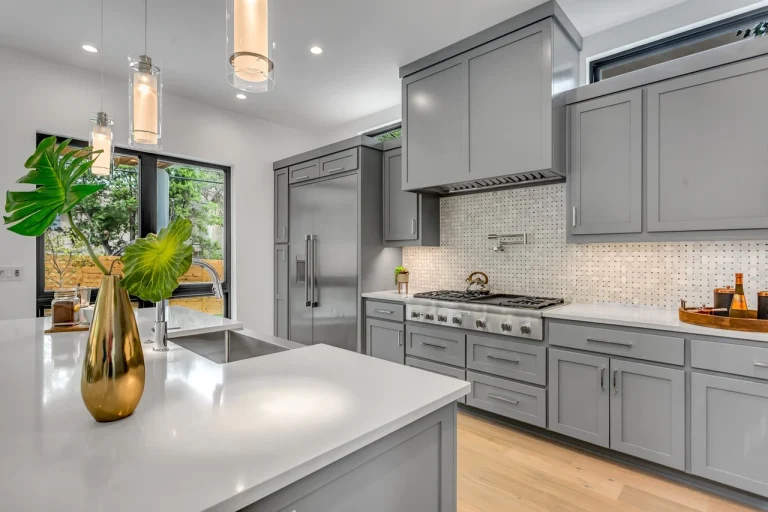
Stylish white wall cabinets installed at ideal functional height
Optimizing Functionality
Optimizing functionality in your kitchen means making every inch of space work smarter, not harder. Wall cabinets play a big role in this. Their height and placement can either boost your efficiency or create daily frustrations. Think about how you use your kitchen and what you reach for most often. This insight guides how high your cabinets should go.
Maximizing Storage Space
Wall cabinets that extend closer to the ceiling capture storage space often wasted. You can store seasonal items or rarely used gadgets up high, freeing prime real estate for daily essentials. Taller cabinets also reduce dust collection on top surfaces, cutting down on cleaning.
Consider adding adjustable shelves inside these cabinets. This way, you can customize each shelf height to fit different items, from tall bottles to stacked plates. Have you measured your tallest kitchen tools recently? This simple check helps avoid awkward spaces and wasted volume.
Ergonomic Considerations
Your kitchen should work with your body, not against it. Cabinets too high can make reaching a struggle, especially if you cook often or have mobility limits. Placing frequently used items at eye or waist level prevents strain and speeds up your workflow.
Think about your kitchen routine: which items do you grab multiple times a day? Store those within easy reach. Tools used less often can go higher up. Do you find yourself constantly stretching or using a stool? Adjusting cabinet height can save you from these inconveniences.
Lighting Integration
Good lighting transforms both your kitchen’s look and function. Wall cabinets offer a perfect spot to add under-cabinet lights. These lights brighten your countertops, making chopping and cooking safer and easier.
Installing LED strips or puck lights under cabinets also highlights your backsplash and adds ambiance. Have you noticed how a well-lit kitchen feels more inviting? Integrate lighting thoughtfully by choosing fixtures that don’t interfere with cabinet doors or handles.
Adjusting Heights For Different Users
Adjusting the height of wall cabinets in your kitchen is key to making the space comfortable and functional for everyone who uses it. Whether you’re designing for a family with varied heights or simply want your kitchen to feel more accessible, small tweaks can make a big difference. Let’s look at how you can tailor cabinet heights to fit both shorter and taller users.
Accommodating Shorter Individuals
Shorter users often struggle to reach the top shelves of standard wall cabinets. Lowering the bottom edge of wall cabinets to about 15 inches above the countertop can help them access items without stretching or needing a step stool. You can also add pull-down racks inside the cabinets, making hard-to-reach items slide down easily.
Think about the people who cook or clean in your kitchen regularly. How often do they have to ask for help grabbing something from high shelves? Adjusting cabinet heights for shorter users not only improves safety but also encourages independence.
Designing For Taller Users
Taller users benefit from wall cabinets placed a bit higher to maximize storage while keeping the countertop free for work. Setting the bottom of the cabinets 18 to 20 inches above the countertop offers ample space for tall users to work comfortably without stooping. You might also consider adding an extra shelf at the top for items used less frequently.
Have you noticed how often taller people have to crouch while cooking or cleaning? By raising cabinets thoughtfully, you reduce strain on their backs and necks. This small change can make your kitchen a more pleasant place for everyone involved.

Comparison of low vs. high kitchen wall cabinet installation
Custom Cabinet Height Options
Custom cabinet height options give you the freedom to tailor your kitchen storage exactly to your needs. Instead of settling for standard heights, you can design cabinets that fit your space and lifestyle perfectly. This flexibility can make your kitchen more functional and visually balanced.
Benefits Of Customization
Choosing custom cabinet heights means you can maximize every inch of your kitchen. If you have high ceilings, taller cabinets can add extra storage without crowding the room. On the other hand, shorter cabinets can make your kitchen feel more open and accessible if you have lower ceilings or prefer easy reach.
Custom heights also let you create a unique look that matches your kitchen style. For example, you might want a mix of tall and short cabinets to break monotony or highlight certain areas like above the stove or sink. Have you thought about how adjusting cabinet height could improve your daily kitchen tasks?
Budget Considerations
Custom cabinets often cost more than standard ones because they require special measurements and manufacturing. However, this extra expense can be a smart investment if it improves your kitchen’s usability and longevity. You can manage costs by choosing custom heights for just a few cabinets rather than the entire set.
Also, materials and finishes impact the final price. Opting for simpler designs on custom-height cabinets can help keep your budget in check. Are you ready to balance your kitchen dreams with practical spending?
Installation Tips And Best Practices
Installing wall cabinets in your kitchen requires more than just hanging them up. Proper installation ensures they look great and stay secure for years. Let’s dive into key tips and best practices that will make your project smoother and safer.
Measuring And Planning
Start by measuring the space carefully. Take note of the height from the countertop to the ceiling and the distance between studs in your wall. Your cabinets should be high enough to provide enough workspace but still easy to reach.
Mark the studs on the wall using a stud finder. Cabinets must be anchored to these studs for strong support. Planning the layout on paper or with a digital tool helps avoid surprises during installation.
Ensuring Safety And Stability
Use a level to make sure your cabinets are perfectly horizontal. Even a small tilt can cause doors to swing open or items to slide out. Secure the cabinet backs firmly into studs using long screws designed for heavy loads.
Don’t forget to check the weight capacity of your wall and cabinets. Overloading can lead to accidents and damage. Adding a ledger board temporarily beneath the cabinets during installation can help support their weight and make the process easier.
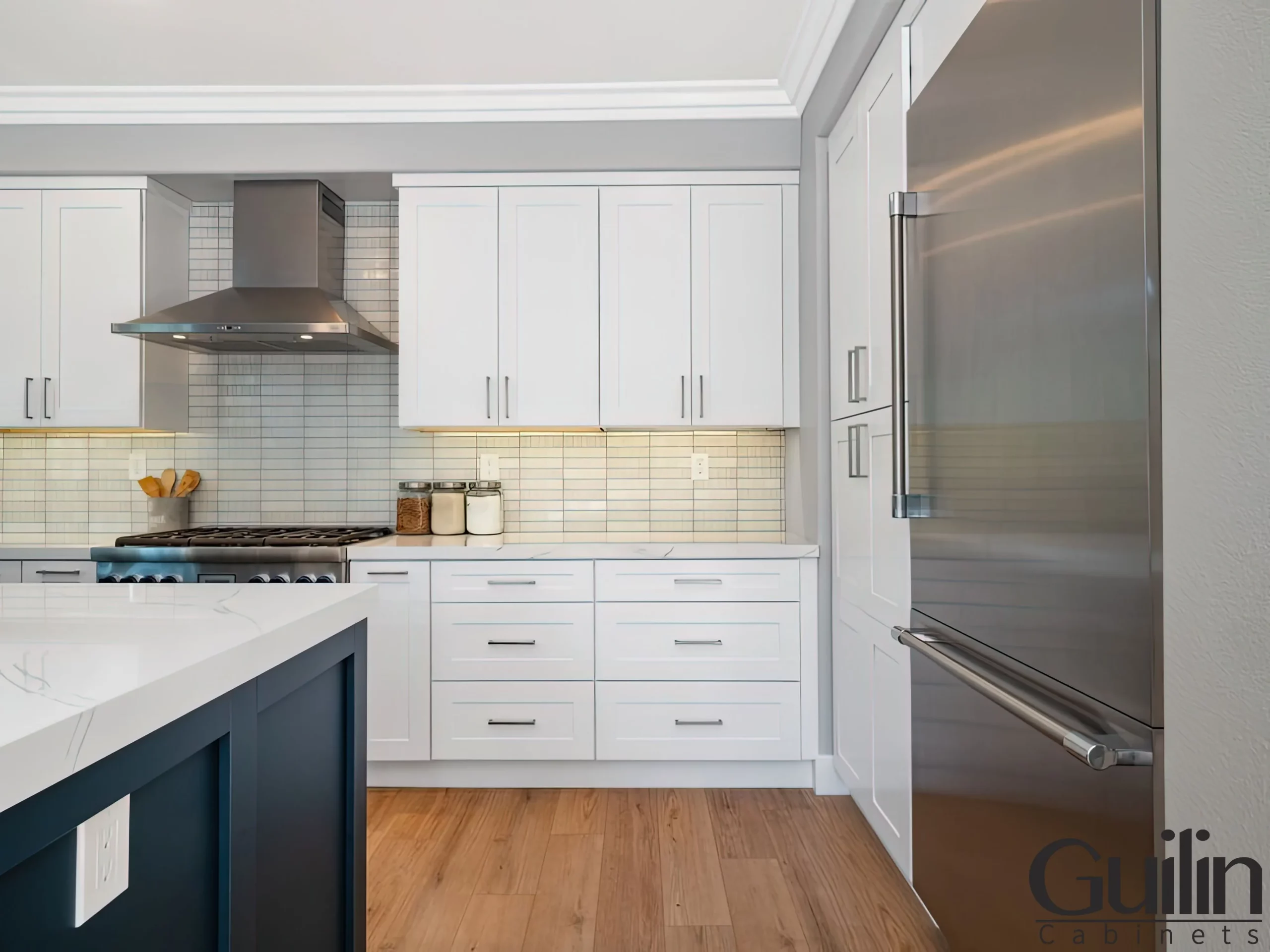
Custom kitchen wall cabinets aligned with ceiling for modern design
Frequently Asked Questions
What Is The Standard Height For Kitchen Wall Cabinets?
The standard height for kitchen wall cabinets is typically 54 inches from the floor. This allows for a 18-inch space between the countertop and the bottom of the cabinet. It ensures easy access and adequate storage in most kitchen designs.
How High Should Cabinets Be Above A Kitchen Countertop?
Cabinets should be installed about 18 inches above the countertop. This height offers enough workspace and keeps items within comfortable reach. It balances functionality and aesthetics in kitchen layouts.
Can Wall Cabinets Be Installed Higher Than Standard Height?
Yes, wall cabinets can be installed higher for extra storage or aesthetic reasons. However, this may reduce accessibility and require a step stool. Always consider usability before increasing cabinet height.
What Factors Influence The Height Of Kitchen Wall Cabinets?
Factors include ceiling height, countertop height, and user reach. Kitchen design style and storage needs also affect cabinet height. Custom measurements ensure the best fit for your space.
Conclusion
Choosing the right height for kitchen wall cabinets is essential. It affects both functionality and aesthetics. Standard heights usually work well for most kitchens. But always consider your personal needs and kitchen layout. A well-planned cabinet height enhances your kitchen’s usability.
It also adds to its visual appeal. Measure carefully and think about your storage needs. This helps you make informed decisions. Consult with a professional if unsure. They can provide valuable insights. A properly designed kitchen makes daily tasks easier.
And creates a pleasant cooking environment.

Sophia Martinez is a culinary lifestyle writer and product reviewer for DiningGadgets.com. Passionate about blending style with functionality, she explores the latest dining essentials, kitchen décor, and cleaning hacks that transform everyday cooking spaces. With a background in home organization and design, Sophia brings readers expert advice on creating beautiful, practical kitchens that truly feel like the heart of the home.