Outdoor Dining Table Plans: Easy DIY Ideas for Stunning Patios
Are you dreaming of the perfect outdoor dining space where friends and family can gather comfortably? Creating your own outdoor dining table can turn that dream into reality.
With the right plans, you’ll build a sturdy, stylish table that fits your space and needs perfectly. In this guide, you’ll find easy-to-follow outdoor dining table plans designed to help you craft a beautiful centerpiece for your backyard. Keep reading, and you’ll discover tips and tricks that make building your ideal table simpler than you ever imagined.
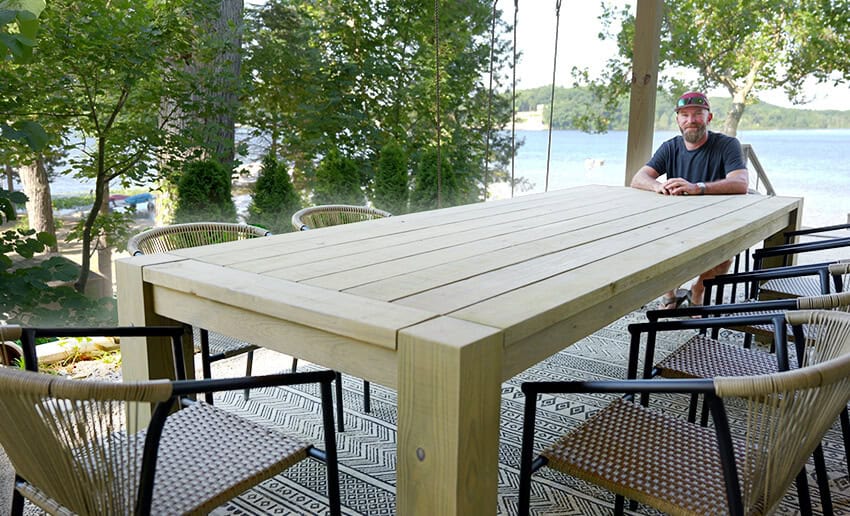
Credit: rogueengineer.com
Choosing The Right Materials
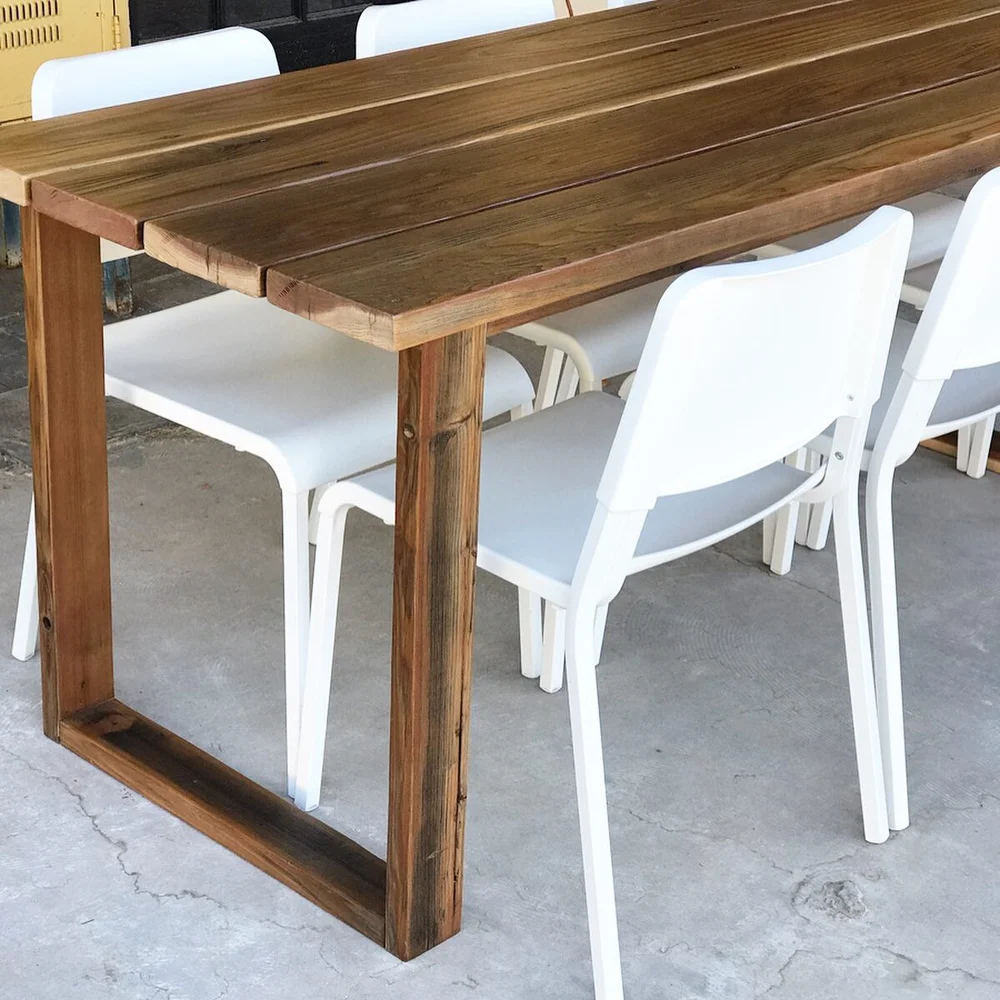
Selecting durable materials like cedar or teak ensures your outdoor dining table withstands weather and lasts longer. Consider ease of maintenance and natural resistance to moisture and insects. This helps keep your table looking great year after year.
Choosing the right materials for your outdoor dining table is crucial. It impacts durability, aesthetics, and maintenance. Whether you prefer a rustic wooden look or sleek metal finish, each material offers unique benefits. Consider the climate, budget, and personal style before making a decision.Wood Types For Durability
Wood exudes warmth and natural beauty. Some wood types withstand outdoor conditions better. Teak is a popular choice due to its natural oils. These oils resist water and pests. Cedar is another great option. It is lightweight and naturally resists rot. Redwood is durable and has a rich color. Ensure wood is treated for added protection.Metal Options And Benefits
Metal offers a modern and sturdy look. Aluminum is lightweight and rust-resistant. It’s perfect for humid climates. Steel is stronger but needs a protective coating. Wrought iron provides a classic aesthetic. It is heavy and withstands strong winds. Choose powder-coated metals to prevent corrosion.Weather-resistant Finishes
Finish helps protect materials from harsh weather. Varnish creates a glossy shield on wood. It guards against moisture and UV rays. Paint offers color options and additional protection. For metal, use rust-inhibitor spray to extend life. Regular maintenance keeps finishes effective. Consider using outdoor-specific sealants for extra durability.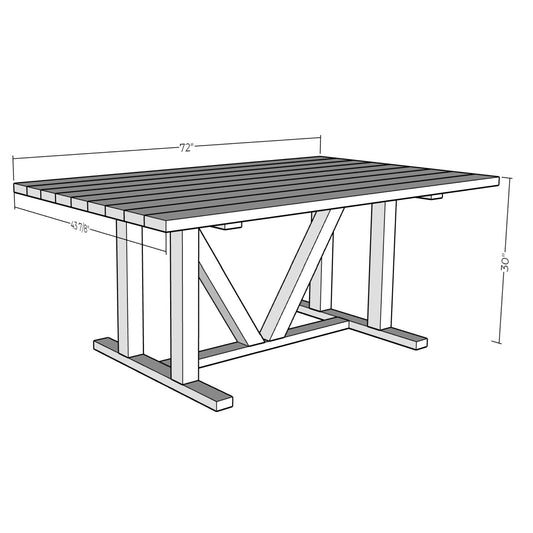
Credit: shop.pineandpoplar.com
Simple Designs For Beginners
Starting with simple outdoor dining table plans can make your DIY project both enjoyable and successful. You don’t need advanced skills or complicated tools to build a table that fits your space and style. Focus on straightforward designs that deliver function and charm without overwhelming you.
Basic Rectangular Tables
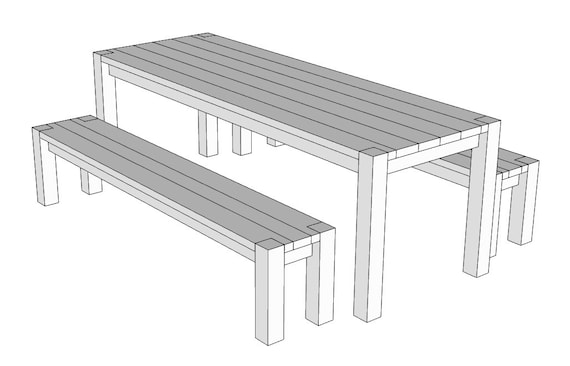
Rectangular tables are classic and easy to build, especially if you’re new to woodworking. Their straight lines and right angles make cutting and assembling simple.
Choose a sturdy wood like cedar or pine, which holds up well outdoors. A tabletop made of evenly spaced planks creates a clean look and allows water to drain easily.
- Use standard 2×4 lumber for the frame and legs.
- Secure the tabletop with screws to the frame underneath.
- Sand all edges to avoid splinters and paint or seal for weather protection.
Have you considered adding a small apron under the top for extra stability? It’s a simple touch that strengthens the table and keeps the planks tightly aligned.
Round Tables With Pedestal Bases
Round tables invite conversation and fit well in cozy outdoor nooks. Building a round tabletop might seem tricky, but using a jigsaw and a circular template makes it manageable.
A pedestal base is a smart choice for beginners since it requires fewer legs and less complex joinery. This design also gives more legroom, which your guests will appreciate.
- Cut the tabletop from a single plywood sheet or several planks joined together.
- Construct the pedestal base with a central column and a wide, flat bottom for stability.
- Attach the top securely to the base with screws or bolts.
Would you try painting the base a bold color to make the table a statement piece? It’s an easy way to add personality without extra construction.
Foldable And Portable Options
If you need flexibility, foldable tables are a great beginner project. They save space and can be moved or stored easily.
Simple folding mechanisms like hinges and removable legs reduce the complexity of your build. You can adjust the size of the tabletop to fit your usual outdoor dining needs.
- Use lightweight wood or composite materials for easy carrying.
- Install sturdy hinges at the tabletop’s midpoint for folding.
- Add locking supports to keep the table stable when open.
Have you thought about how often you’ll move your table? This affects your choice of materials and hardware to keep it both durable and manageable.
Step-by-step Building Guides
Building your own outdoor dining table can be a rewarding project, especially when you have clear, detailed instructions to guide you. A step-by-step approach helps you avoid common mistakes and ensures a sturdy, beautiful result. Let’s break down the key stages to make your project manageable and enjoyable.
Tools Needed For The Project
Gathering the right tools before starting saves you from frustrating interruptions. You’ll typically need a saw (circular or miter), a drill with various bits, clamps to hold pieces steady, and a screwdriver. Sandpaper or a power sander is essential for smoothing surfaces.
Additional helpful tools include a tape measure for precise cuts, a carpenter’s square to ensure right angles, and safety gear like goggles and gloves. Have these ready to keep your workflow smooth and safe.
Cutting And Assembling Wood
Start by measuring and marking your wood carefully. Accurate cuts are crucial for a table that fits together well and stands strong. Use clamps to hold pieces firmly while cutting or drilling.
When assembling, pre-drill holes to prevent the wood from splitting. Secure parts with screws rather than nails for a tighter hold. Take your time aligning corners and edges; a well-assembled frame is the foundation of a durable table.
Sanding And Finishing Techniques
After assembly, sanding is key to remove rough edges and splinters. Begin with a coarse grit sandpaper to smooth large imperfections, then switch to finer grits for a polished surface. Don’t skip this step—it makes your table safer and more pleasant to use.
Choosing the right finish protects your table from weather damage. You might use outdoor wood sealant, paint, or stain depending on your style and the wood type. Applying several thin coats ensures better coverage and longer-lasting protection.
Credit: www.etsy.com
Creative Enhancements
Creative enhancements can turn a simple outdoor dining table into a stylish, functional centerpiece. These ideas improve comfort, usability, and aesthetic appeal. Small changes make a big difference in your outdoor space.
Incorporating Umbrella Holes
An umbrella hole adds shade and comfort during sunny days. It keeps you cool and protects food from direct sunlight. Plan the hole size carefully to fit standard umbrella poles. Place the hole in the center for balance and easy access. Cover the hole with a removable plug when not in use.
Adding Built-in Seating
Built-in seating saves space and creates a cozy dining area. Benches attached to the table provide a stable, unified look. Consider storage space under benches for cushions or outdoor supplies. Use weather-resistant materials to ensure durability. Rounded edges improve safety and comfort for everyone.
Using Decorative Elements
Decorative touches personalize your outdoor dining table. Use colorful tiles or mosaic patterns on the tabletop for visual interest. Carve designs into the wood for a rustic feel. Add metal accents like corner brackets or legs for an industrial look. Finish with weatherproof paint or stain to protect and beautify the surface.
Maintenance Tips For Longevity
Proper care extends the life of your outdoor dining table. Regular maintenance keeps it looking great and sturdy. Simple habits protect your investment from wear and tear. Focus on cleaning, sealing, weather protection, and storage. These steps prevent damage and maintain beauty for years.
Cleaning And Sealing
Clean your table regularly to remove dirt and stains. Use mild soap and water with a soft cloth. Avoid harsh chemicals that damage the surface. After cleaning, let it dry completely.
Apply a sealant to protect wood or metal tables. Sealants prevent moisture absorption and fading. Follow product instructions for the best results. Reapply sealant yearly or as needed for long-term protection.
Protecting Against Weather Damage
Shield your table from sun, rain, and snow. Use waterproof covers when the table is not in use. Avoid direct sun exposure to prevent fading and cracking. Move the table to a shaded area during hot months.
Check for signs of rust or mold regularly. Treat rust spots on metal tables promptly. Clean mold with a mixture of water and vinegar. These steps stop damage before it worsens.
Seasonal Storage Ideas
Store your outdoor dining table indoors during harsh seasons. A garage or shed offers ideal protection from cold and moisture. If indoor storage is not possible, use a heavy-duty cover.
Disassemble parts if possible for easier storage and less risk of damage. Place padding between parts to prevent scratches. Proper storage reduces wear and extends the table’s life.
Inspiring Patio Styling Ideas
Creating a stylish patio around your outdoor dining table can transform an ordinary meal into a memorable experience. Your patio should feel inviting and reflect your personality while offering comfort and functionality. Small details make a big difference in turning your outdoor space into a favorite spot for gatherings and quiet moments alike.
Mixing Textures And Colors
Combining different textures like smooth wood, rough stone, and soft fabrics adds depth to your patio design. Think about pairing a wooden table with metal chairs and cushions in vibrant colors. This mix keeps the space visually interesting and comfortable.
Don’t be afraid to use bold colors in your cushions or tableware to brighten up neutral furniture. What color palette makes you feel relaxed and energized outdoors? Try layering rugs, throws, and seat pads to invite touch and warmth.
Lighting Options For Ambiance
Lighting sets the mood for your outdoor dining area long after the sun goes down. String lights overhead create a cozy canopy, while solar lanterns or candles add flickering charm. Each type of lighting changes how the space feels, from festive to intimate.
Consider adjustable lighting so you can brighten up for dinner or dim down for drinks. How do you want your patio to feel during your favorite evening moments? LED candles and low-watt bulbs are energy-friendly choices that still deliver a warm glow.
Accessorizing With Plants And Decor
Adding greenery and decorative items brings life and personality to your patio. Potted herbs on the table offer fresh flavors and a pleasant aroma. Larger plants around the edges create a natural boundary and soften hard surfaces.
Don’t forget small decor pieces like colorful placemats, unique salt and pepper shakers, or a striking centerpiece. These details make your dining area feel cared for and inviting. What personal touches can you add today that tell your story?
Frequently Asked Questions
What Materials Are Best For Outdoor Dining Tables?
Wood, metal, and weather-resistant plastic are ideal materials. Teak and cedar wood resist moisture well. Aluminum and wrought iron provide durability. Choose materials that withstand outdoor elements and require low maintenance for longevity.
How Do I Protect My Outdoor Dining Table?
Use weatherproof sealants or varnishes to protect wood tables. Cover tables when not in use. Store cushions indoors. Regular cleaning prevents dirt buildup. Proper protection extends table life and keeps it looking new.
What Are Common Outdoor Dining Table Sizes?
Standard outdoor dining tables seat 4 to 8 people. Typical dimensions range from 48 to 96 inches long. Choose size based on your space and guest capacity. Ensure enough room for chairs and movement around the table.
Can I Build An Outdoor Dining Table Myself?
Yes, DIY plans are widely available online. Basic woodworking skills and tools are needed. Follow step-by-step guides for cutting and assembly. Building your own table saves money and allows customization.
Conclusion
Building your own outdoor dining table can be fun and rewarding. Choose materials that fit your style and budget. Follow clear plans to make the process easy and smooth. A sturdy table invites friends and family to share meals outside.
Enjoy fresh air while eating and relaxing. Simple tools and patience help create a beautiful piece. Your outdoor space will feel more welcoming and cozy. Start your project today and watch your yard transform.

Ethan Cole is a kitchen innovation enthusiast and food technology writer at DiningGadgets.com. With over 8 years of experience reviewing cookware, smart kitchen tools, and design trends, he helps readers discover gadgets that make cooking easier and dining more enjoyable. When he’s not testing the latest kitchen appliances, Ethan enjoys experimenting with recipes and sharing practical tips for modern homes.