How to Use Serving Utensils: The Complete Guide
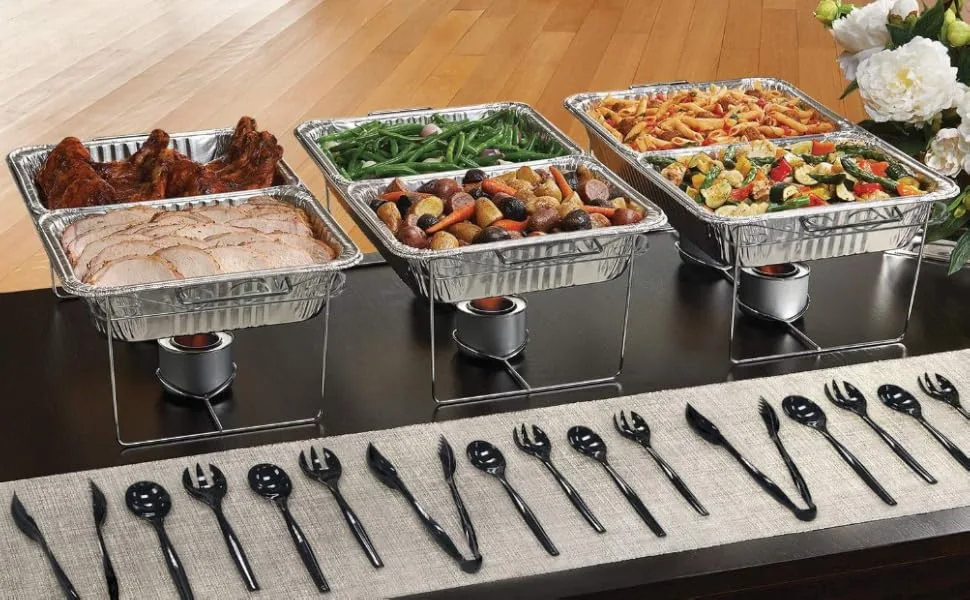
Image source: Web (Bing) / amazon.com (Web image (fair-use with source credit))
How to use serving utensils correctly comes down to one simple rule: use a dedicated tool for every shared dish. Mixing personal forks into the bowl ruins the whole setup and creates a real contamination risk, especially during holiday meals or potlucks where food sits out longer than usual.
You do not need fancy equipment or a culinary degree. Manufacturer specs show that most serving spoons and ladles measure 12 to 16 inches, so you can reach comfortably into deep bowls without leaning over the dish. That standard length also gives your hand room to stay clear of hot surfaces and splashing liquids.
Here is exactly how to pick the right server and place it properly.
Quick Answer
Using serving utensils means matching one tool to each shared dish. Pick a solid spoon for dry sides, a slotted spoon for draining liquids, and a ladle for soups. Keep servers inside or beside the serving bowl at all times.
Swap tools between dishes to prevent flavor transfer and contamination. Never let personal flatware touch communal food.
The Simple Rule: One Tool Per Dish
This single rule prevents almost every problem you will face while hosting. Each shared dish needs its own serving utensil sitting in or right beside the bowl. Guests grab that tool, serve themselves, and return it to the same spot.
Nothing crosses the line between dishes.
When everyone uses their own fork to scoop from the same serving bowl, bacteria from their mouth transfers into the shared food. That gets worse the longer the dish sits out. The FDA Food Code and USDA FSIS guidance both stress keeping personal utensils away from communal servings USDA FSIS Buffet Guidelines.
This rule is not about old-fashioned manners. It is about basic food safety.
One clean tool per dish also keeps flavors from bleeding into each other. A spoon used in garlic butter next time it touches the mashed potatoes will taint both dishes. Matching utensils to their original bowl preserves taste and keeps your spread tasting fresh.
How to Pick the Right Server for What You're Serving
Different foods demand different tools. Using the wrong server makes serving messy and frustrating for everyone. The right tool matches the texture and temperature of what sits in the bowl.
You want guests to scoop, ladle, or lift cleanly without drips or spills.
Salads, Veggies, and Cold Sides
Salad tongs or a two-pronged salad server set works best here. They grip leafy greens without crushing them. A large slotted spoon handles pasta salads and vegetable medleys just as well.
The slots drain dressing or cooking liquid back into the bowl instead of onto the table.
Wooden servers are gentle on glass and ceramic bowls. They will not scratch the surface during enthusiastic tossing. Stainless steel salad servers work fine too, but they can clink loudly and feel harsh next to delicate greens.
Avoid forks meant for eating. Their tines are too close together and tear lettuce when you try to lift a full portion.
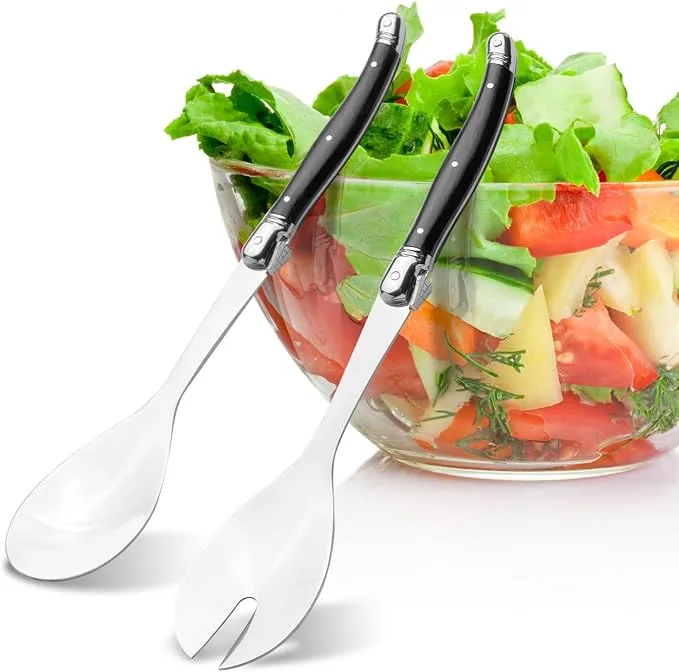
Image source: Web (Bing) / amazon.com (Web image (fair-use with source credit))
Soups, Stews, and Liquids
A ladle is non-negotiable for anything broth-based. Look for a ladle with a deep bowl and a long handle that stays cool to the touch. Ceramic or silicone-coated handles resist heat better than thin metal ones.
The pour spout on a good ladle prevents dripping down the side of the container.
If your stew contains big chunks of meat and vegetables, switch to a sturdy slotted spoon or a wide serving spatula. The slots let broth drain away while keeping the solids on the spoon. A regular soup spoon will dump everything into the guest's bowl at once and create a mess on the plate.
Meats, Roasts, and Carving
Meat carving demands a firm grip and a long, stable server. A carving fork holds the roast steady while a wide meat knife slices through. Transfer cooked meat to a platter first.
Then use a flat serving spatula or fish server to lift slices onto individual plates. Trying to serve directly from a roasting pan is awkward and risky.
Turkey and poultry work the same way. Rest the bird, carve off the portions, and use a broad server to move pieces to the table. Thin metal spatulas bend under the weight of a thick turkey breast.
Go for something thicker and flatter, even if it is just a sturdy serving spoon turned sideways.
Bread, Butter, and Spreads
Each condiment and bread item deserves its own knife or spreader. Labeling small dishes with toothpick cards helps guests find what they need quickly. A small butter knife paired with a butter dish works for room temperature butter.
Cold butter straight from the fridge needs a serrated spreader or a narrow offset knife to cut through cleanly.
Pancake syrup, jam, and honey require their own spoons or pour spouts. Never double-dip. If someone uses their toast to scoop jam, that utensil goes back into the communal jar and contaminates the rest.
Keep every spread separate from the start.
Desserts, Cakes, and Pastries
Cake servers have a distinctive shape with an angled, thin blade. That design lifts whole slices without crumbling the bottom. Pie servers are wider and flatter for softer fillings like pumpkin or custard.
An ice cream scoop with a smooth rim handles frozen desserts cleanly. Each dessert type has a purpose-built tool worth grabbing.
Pair cake and pie servers with dessert forks so guests have everything they need in one spot. Keep the serving tray or tier near the desserts, not buried behind hot dishes. Cold items warm up fast once they leave the fridge, so pull them out only when you are ready to serve.
Where to Place Serving Utensils Before, During, and After
Placement changes depending on the moment in the meal. Getting it right keeps your buffet line flowing smoothly and your table looking put together. Getting it wrong creates confusion, spills, and cross-contamination between courses.
At the Start of the Meal
Set each utensil inside its dish before guests arrive, or nestled against the side of the bowl with the handle resting on the rim. A resting spoon leaning inside a deep soup tureen looks elegant and signals clearly where the tool belongs. If the bowl has no flat rim, place the utensil on a small separate plate beside the serving dish.
Arrange dishes so utensil handles point the same direction. This subtle detail makes the spread look intentional rather than thrown together. Coordinating your servers with your dinnerware adds polish without extra effort.
While Guests Are Serving Themselves
Watch for handles sliding into the food during busy serving moments. Guests sometimes grab the wrong end of a utensil or set it down carelessly. Check back every twenty minutes or so.
Straighten handles and reset any tools that have migrated into the middle of a dish.
If your crowd is large or the meal stretches over an hour, keep backup utensils nearby. A clean spare sitting on a folded napkin means you can swap quickly when one gets pulled out with a handful of food. Organizing your serving station well prevents scrambling when things get busy.
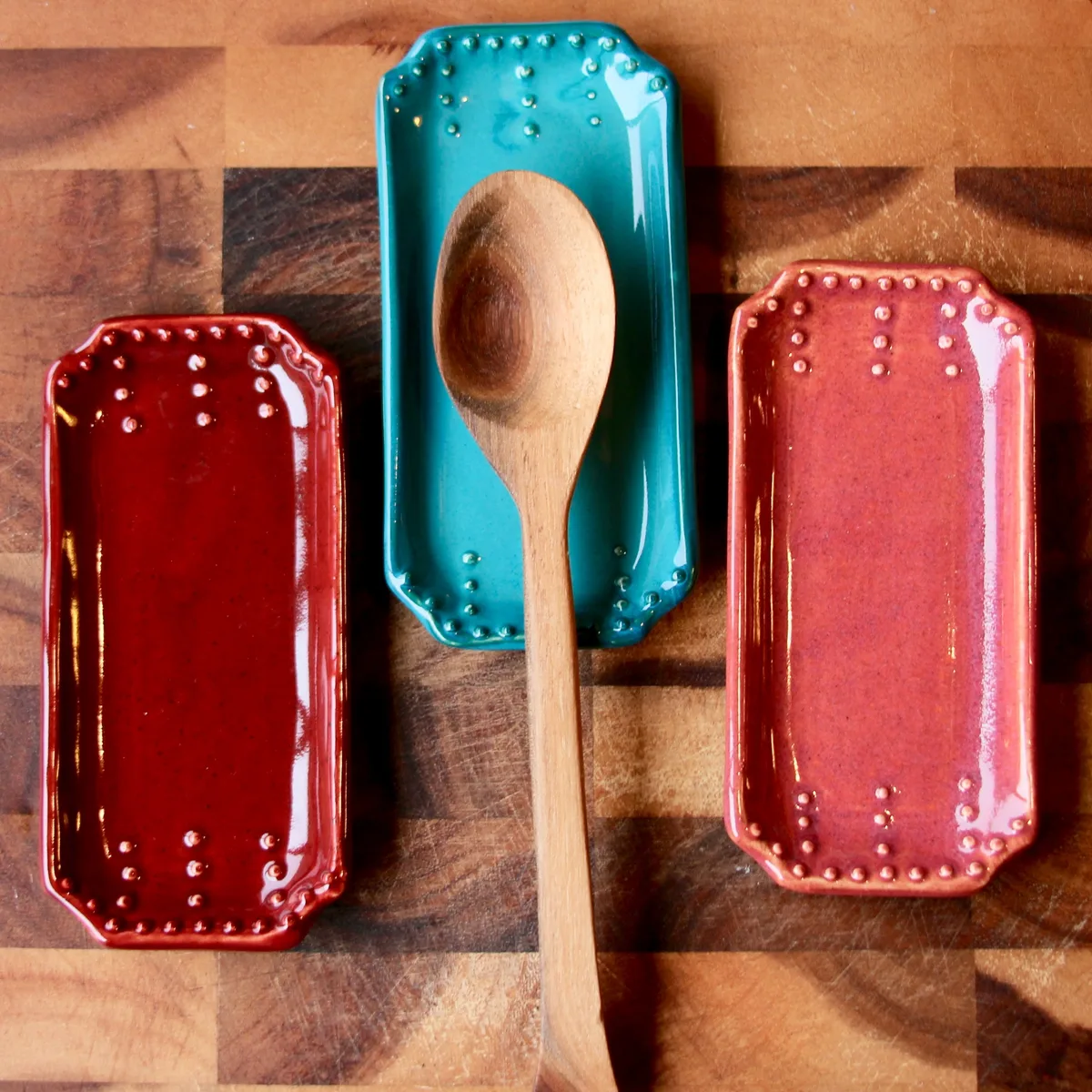
Image source: Web (Bing) / etna.com.pe (Web image (fair-use with source credit))
Between Courses and When Restocking
Remove empty serving dishes along with their utensils before clearing the table. Do not pile dirty servers back into clean bowls. That transfers dried food and cross-contaminates the next course.
Place used utensils directly into the dishwasher or a designated wash basin.
When you refill a dish, always bring a fresh server. Never top off a bowl and leave the old utensil resting inside. A quick swap takes ten seconds and eliminates the biggest hygiene concern at any gathering.
Five Mistakes Even Experienced Hosts Make
You can do everything right and still trip up on these common errors. Most happen because people assume the tool will find its own way back to the right bowl. It rarely does.
Catching these before they become habits saves you from awkward cleanup moments.
Letting Personal Flatware Touch Shared Dishes
Guests will do this instinctively. They reach for their own fork to test the seasoning or grab a stray pea. Stop it politely by placing a small card that reads please use the serving spoon.
You can also put a visual barrier, like a decorative ring or a second empty bowl, between the eating area and the serving dish.
Leaving Servers in Food Too Long
Utensils left submerged absorb flavors and temperatures from the dish. A wooden spoon soaked in tomato sauce tastes like tomato forever after. Metal handles warming up in hot soup become uncomfortable to hold.
Remove serving tools when the dish is nearly empty and set them aside.
Not Swapping Utensils Between Dishes
If you accidentally serve from the pasta bowl using the salad tongs, that tong is now carrying vinaigrette into your pasta. Swap immediately. Do not pretend nobody noticed.
A clean utensil takes five seconds and protects the next person who serves from that dish.
Placing Hot Serveware on Cold Surfaces
Setting a piping-hot casserole dish directly on a marble or glass table cracks the surface and scorches the finish. Always use a trivet, cooling rack, or thick towel under hot serveware. Let dishes sit for a few minutes after leaving the oven before moving them to the table.
Using the Wrong Tool for the Job
Grabbing a soup ladle for salad leaves is awkward and bruises the greens. Pulling a small teaspoon out of a deep chili bowl is a recipe for splashing. Stock your serving station with enough properly sized tools so guests never have to improvise.
Keeping your utensils organized helps guests find what they need quickly.
FAQs About Serving Utensils
Can I reuse serving utensils between courses?
Yes, if you wash and dry them between uses. Never leave a used utensil resting in a dish overnight or slide it into the next course untouched. Clean, sanitize, and dry thoroughly before returning it to the serving area.
Reusing without cleaning risks bacterial growth and flavor carryover.
What is the difference between a serving spoon and a regular spoon?
Serving spoons are significantly larger and have longer handles, usually measuring 12 to 16 inches. Regular spoons are designed for individual eating and are far too short for deep serving bowls. The longer handle keeps your hand away from hot food and liquids while giving you better leverage for lifting heavy portions.
Should serving utensils match my flatware set?
Matching is nice but not required. Coordinated sets create a polished look and help guests identify which utensil belongs to which dish at a glance. Mismatched sets work perfectly fine too.
Prioritize function and cleanliness over a uniform appearance. Choosing the right flatware style can guide your matching decision.
How many serving utensils do I need for a dinner party?
Plan for at least one per shared dish, plus two or three extras. A typical six-course dinner needs roughly eight to ten utensils total. This accounts for breaks, lost tools, and guests who prefer switching between similar serving pieces.
Having spares on standby prevents last-minute scrambling.
How do I store serving utensils to keep them in good shape?
Store them in a utensil drawer with dividers so handles do not bang against each other. Hang longer tools like ladles and carving forks on a rack if drawer space is limited. Wooden servers should air dry completely before storage to prevent moisture damage and mold growth.
Maintaining your serving tools regularly keeps them looking sharp for years.
The Bottom Line: Your Quick Reference Guide
Using serving utensils correctly boils down to matching tools, keeping them clean, and placing them thoughtfully. One dedicated server per shared dish prevents contamination and flavor mixing. Select the right utensil for each food type so guests can serve themselves easily.
Position tools inside or beside the bowl and reset them throughout the meal. Avoid the common pitfalls of personal flatware swaps and leftover-soaking. Follow these steps and your next gathering runs smoothly, cleanly, and safely.
Costs, Pricing, and Data for Serving Utensils
Budget decisions matter when you are setting up a full serving station. Prices vary widely based on material, brand, and set size. Knowing what to expect helps you plan without overspending or cutting corners on quality.
| Type | Price Range (Basic Sets) | Price Range (Premium Sets) | Best For |
|---|---|---|---|
| Stainless Steel | $12–$30 | $40–$100 | Everyday use, dishwasher durability |
| Wood | $10–$25 | $30–$75 | Gentle bowls, rustic aesthetics |
| Silicone | $15–$35 | $40–$90 | Non-scratch surfaces, heat resistance |
| Silver-Plated | $50–$150 | $200–$500+ | Formal entertaining, heirloom quality |
| Disposable (bulk) | $5–$15 per 50-pack | N/A | Outdoor events, low-prep gatherings |
Most household hosting needs fall into the basic stainless steel range. A six-piece set with spoons, forks, and tongs typically costs between $15 and $25 as of 2026. That covers salad servers, a soup ladle, a slotted spoon, and a pair of kitchen tongs.
Upgrading to mid-range options gives you better balance, ergonomic grips, and longer handles for deep serveware.
Premium sets become worthwhile if you host frequently or value matching aesthetics with your existing flatware. Silver-plated or designer collections offer visual cohesion but require hand-washing and regular polishing to prevent tarnishing. Disposable utensils make sense only for large outdoor events where cleanup time matters more than presentation.
Safety, Legal, and Compliance Guidelines
Food safety regulations shape how you handle serving utensils at both home and professional events. Ignoring these guidelines risks health code violations or worse, guest illness from cross-contamination.
According to the FDA Food Code, shared serving utensils must be replaced every four hours during self-service buffets. This rule exists because bacteria multiply rapidly at room temperature. Utensils left in warm dishes like gravy, chili, or dip beyond that window become hygiene hazards regardless of how clean they looked at the start.
Commercial caterers must follow state and local health department regulations strictly. Home hosts face no legal penalties for minor lapses, but the same contamination principles apply. Keep hot foods above 140°F and cold foods below 40°F throughout service.
Use separate utensils for raw ingredients and ready-to-eat items even during prep.
Never allow guests to use personal eating utensils in communal dishes. This single behavior creates the highest contamination risk at any gathering. Politely enforce the one-tool-per-dish rule by placing serving utensils visibly in each bowl before guests arrive.
If someone reaches for their own fork, gently redirect them to the proper server.
Maintaining and Optimizing Serving Utensils Over Time
Proper care extends the life of your serving tools and keeps them performing reliably. Neglect leads to warping, staining, and bacterial buildup that no amount of washing fixes.
Stainless steel servers withstand dishwashers but benefit from hand-washing when possible. Harsh detergents and high heat damage handles and dull edges over years of use. Dry immediately after washing to prevent water spots and mineral deposits.
Store in a drawer with dividers or hang on a rack to avoid bending and scratching.
Wooden utensils require different treatment. Hand-wash only and never soak. Soap and prolonged moisture warp wood and crack grain patterns.
Apply food-safe mineral oil monthly to maintain flexibility and resistance to staining. Oiled wood also resists absorbing strong flavors from tomato sauce, curry, or garlic butter.
Silicone-coated servers combine durability with gentleness on cookware. They tolerate dishwashers well but avoid sharp knives that can nick the coating. Inspect annually for cracks or peeling.
Damaged silicone harbors bacteria in tiny fissures and should be replaced rather than repaired.
Rotate your stock seasonally. Pull out backup servers before holidays or large gatherings. Check handles for looseness, slots for food traps, and tips for bending.
A quick inspection takes five minutes and prevents embarrassing moments when a spoon snaps under a heavy scoop of mashed potatoes.
Keep spare tools stored near your main serving area. A dedicated basket or tray holds replacements within arm's reach during busy meal service. When one utensil goes missing or gets dragged across the table, you can swap it instantly without interrupting the flow of the meal.