Master Your Outdoor Dining Set: Easy Setup & Use Guide
You've got the furniture, the space, and the desire to eat outside. The real question is how to use outdoor dining set in a way that actually works day after day. Most people skip the planning step and end up with wobbly tables, faded cushions, and umbrellas that lean into their dinner.
That doesn't have to be your story.
We'll walk through exactly what to check first, how to position everything, and what maintenance saves you from replacements down the road. Per ASTM standards for outdoor furniture testing, a properly sized and placed set should allow at least 36 inches of clearance around all sides. That number matters more than most homeowners realise.
Quick Answer
How to use outdoor dining set comes down to four steps: identify your materials, choose the right spot with proper clearances, set it up level and secure, then maintain it seasonally. Check table height against chair seat height for comfortable dining. Weight any umbrella base according to canopy size.
Clean spills within hours and rotate cushions monthly to prevent uneven fading.
1. Figure out what you've got — material, size, and climate
You can't care for your outdoor dining set correctly until you know what it's built from and where it lives. Teak handles moisture differently than powder-coated aluminium. Wicker traps dirt in ways metal frames don't.
Getting this wrong means using the wrong cleaner or skipping steps that protect your investment.
Start by checking the manufacturer label or product manual. Most sets include a care tag stitched into the cushion or stamped on the frame underside. If you've lost that documentation, feel the surface texture and note the finish type.
Here's how the common materials behave:
| Material | Best For | Main Risk | Care Frequency |
|---|---|---|---|
| Teak | Coastal climates, longevity | Greying without oil | Annual sealing |
| Powder-coated aluminium | Humid areas, low maintenance | Scratching the coating | Monthly wiping |
| All-weather wicker | Covered patios, style focus | Dirt trapped in weave | Weekly vacuuming |
| Powder-coated steel | Budget buyers, dry climates | Rust if scratched | Immediate touch-up |
| Glass-top table | Modern settings, easy cleaning | Thermal cracking in sun | Daily wiping |
Climate drives your next decision. If you live near the coast, salt air accelerates corrosion on untreated metals. Aluminium and stainless hardware resist corrosion far better than painted steel in those conditions.
In high-UV regions like the Southwest, solution-dyed acrylic cushions hold colour three times longer than standard polyester. Your local weather pattern determines which materials earn their keep.
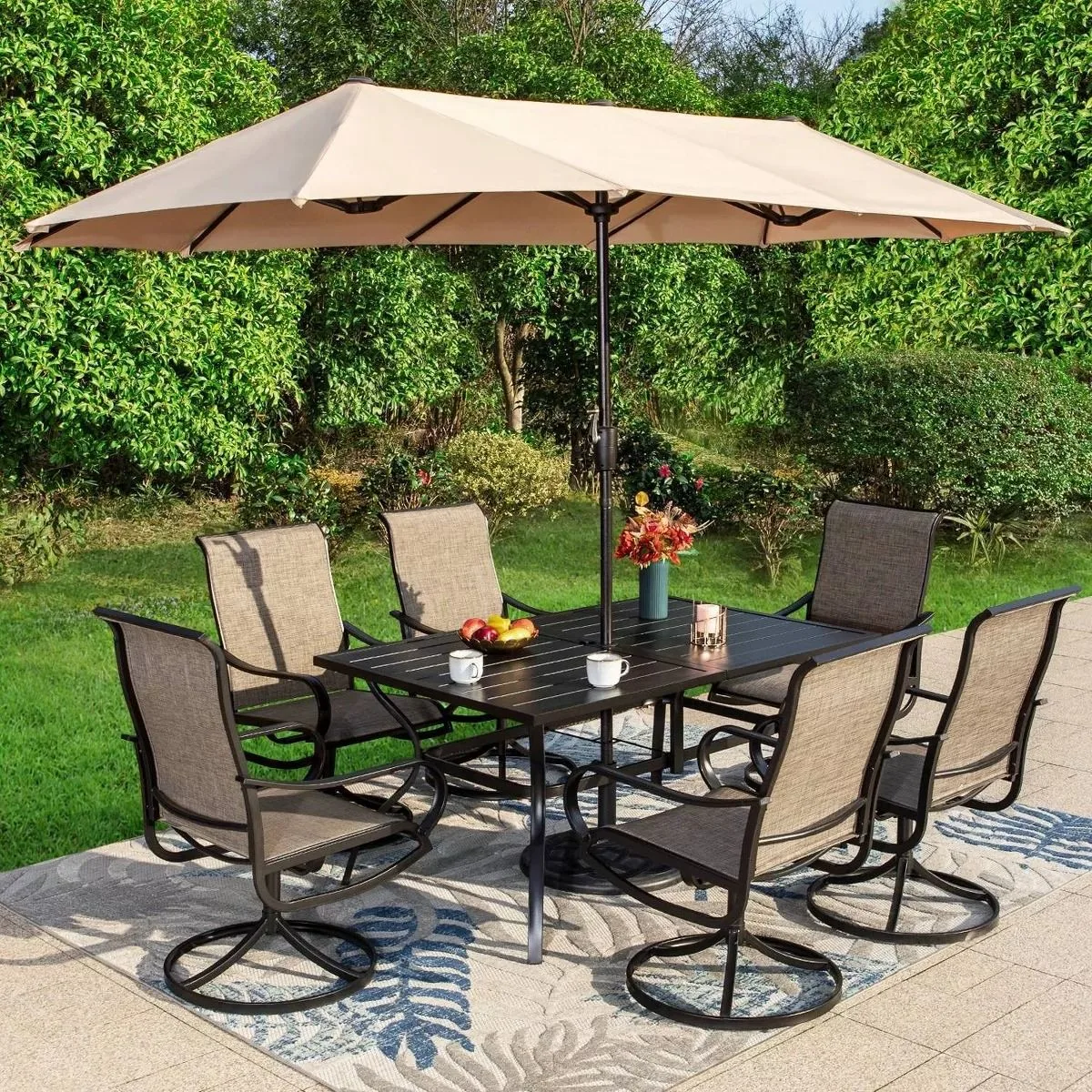
Size matters just as much. Measure your space before committing to a set. A six-seater needs roughly 8 by 10 feet of clear patio area, plus walking room around it.
Smaller balconies work best with bistro sets that fold flat or stack neatly.
2. Set it up where it belongs — patio, deck, balcony, or covered area
Placement makes or breaks the experience. Put the table in direct midday sun and your drinks sweat, your cushions fade fast, and nobody wants to sit there past noon. Tuck it under a pergola without shade and you get the opposite problem by three in the afternoon.
The sweet spot sits between partial coverage and open sky.
Clearance rules keep things functional. You need at least 36 inches behind every chair for someone to pull out and sit comfortably. If that same person needs to walk past you to reach the kitchen or garden gate, bump that to 48 inches.
Outdoor living space guidelines from landscape design standards confirm these measurements prevent the cramped feeling that ruins entertaining.
Level ground prevents the wobble that drives everyone crazy. Uneven deck boards and sloped patios are common culprits. Most outdoor dining chairs now come with adjustable glide covers you can twist by hand.
Table legs sometimes need small rubber shims or felt pads under one foot to stop the rock.
Umbrella placement deserves its own attention. Position the pole so the shade follows the sun's path across your main seating area. A tilting market umbrella gives you flexibility, but it needs a heavy weighted base or a sturdy table clamp.
Per manufacturer specifications, an 11-foot umbrella typically requires a 60-pound base minimum, with 80 pounds recommended for windy locations.
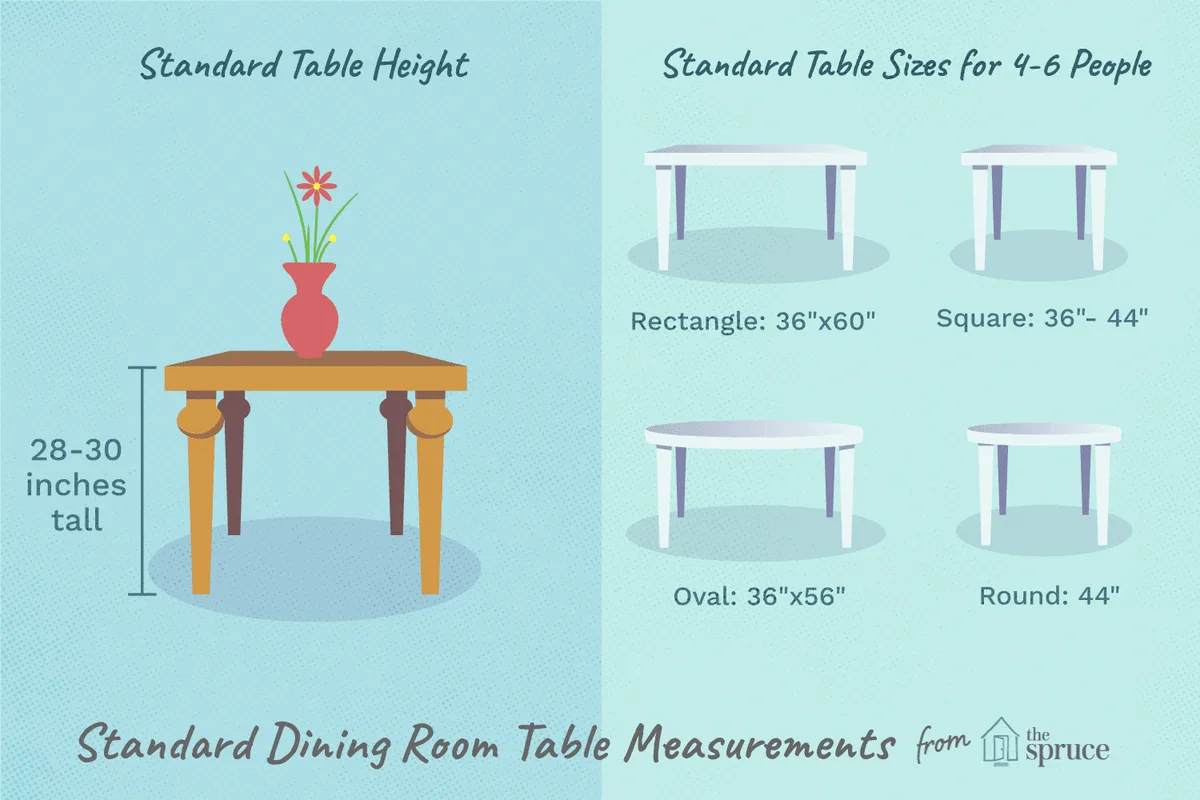
Consider surface protection too. Hard patio stones scratch easily under moving chair legs. An outdoor rug underneath anchors everything and protects the floor.
Make sure the rug is rated for outdoor use with a non-slip backing so it stays put when chairs slide across it.
3. Use it for everyday meals or big weekend gatherings
Your setup changes depending on who shows up and how often you entertain. A couple eating breakfast daily needs something compact and easy to move. A family hosting Thanksgiving dinner outdoors needs stable seating for eight plus serving space.
Both situations call for smart furniture choices.
For daily use, prioritise comfort and convenience. Stackable chairs tuck away when not needed. A lightweight aluminium set moves easily between the patio and the garage.
Removable cushion zips let you toss covers in the wash without hassle. Keep a small cart nearby for drinks and serving utensils so you're not running in and out constantly.
Weekend gatherings demand a different approach. Extendable rectangular tables transform from four-person intimacy to ten-person hosting with a simple leaf addition. Make sure the extension mechanism operates smoothly before you actually need it.
Test it on a regular afternoon when guests aren't waiting.
Chair arrangement affects conversation flow. Square or round tables naturally encourage face-to-face interaction. Rectangular setups work better for larger groups but create distance at the ends.
If you regularly host more than six people, consider a dual-zone layout with two smaller tables pushed together rather than one massive set that dominates the space.
Lighting extends your usable hours dramatically. String lights overhead or place battery-powered lanterns along the table edge. Avoid hardwired options near water sources unless a qualified electrician installed them.
OSHA guidelines on outdoor electrical safety recommend GFCI protection for any wiring near patio areas.
Food service logistics matter more than people admit. Position your dining set within easy walking distance of the kitchen door. A long carry across hot patio tiles turns a nice meal into a stressful chore.
If your layout forces that distance, add a side table or rolling cart as a staging zone for plates and glasses.
Don't forget weather awareness. Sudden rain showers ruin outdoor dining faster than anything else. Keep a quality set of outdoor dining set covers nearby so you can throw them on at the first sign of clouds.
A quick cover-up during a passing shower protects your investment and lets you resume sitting once things dry out.
4. Keep it looking good through the seasons
Seasonal maintenance separates sets that last five years from those that fall apart in two. The routine varies by material, but the principle stays the same: address small problems before they become expensive ones. Monthly cleaning during peak season prevents buildup that hardens over time.
Table surfaces need different treatment based on what they're made of. Wipe teak with a mild soap solution and soft brush every few weeks. Apply teak oil once a year if you want to preserve the golden colour.
Skip the oil if you prefer the natural silver-grey patina that develops over time. Teak care recommendations from industry experts confirm this two-path approach works for both preferences.
Aluminium frames respond well to a general hose-down and soft cloth wipe. Stubborn spots get a paste of baking soda and water applied with a non-abrasive sponge. Never use steel wool or harsh scrub pads.
They scratch the powder coat and expose bare metal to moisture, which starts the corrosion cycle early.
Wicker and resin rattan require frequent vacuuming with a brush attachment. Dirt packs into the weave and holds moisture against the fibres. Over time that causes mould growth inside the strands where you can't see it.
A diluted vinegar solution helps kill surface mildew without damaging the synthetic material.
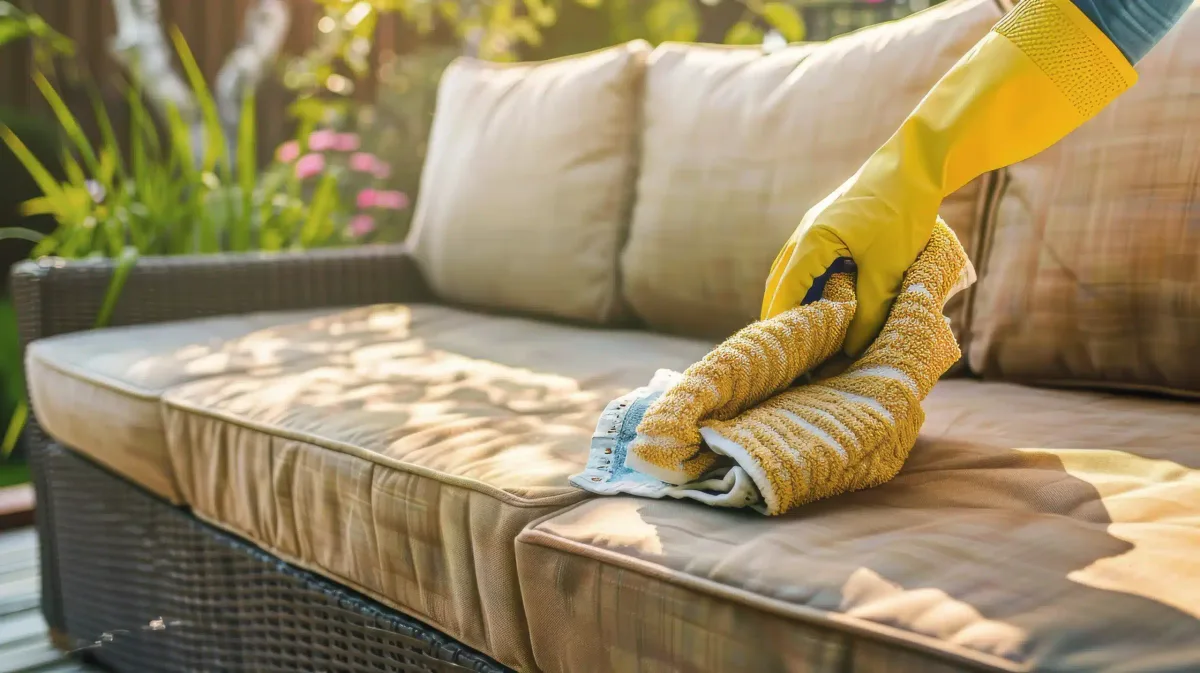
Cushions deserve special attention. Rotate them monthly so the sun fades all sides evenly instead of creating one pale rectangle surrounded by darker fabric. Wash removable covers on gentle cycle with mild detergent.
Air dry completely before putting them back on the chairs. Packing damp cushions into a storage bag invites mould spores to multiply in dark enclosed spaces.
Metal hardware checks prevent small issues from becoming failures. Tighten any loose bolts on chair joints and table connections every three months. Vibrations from regular use slowly work fasteners loose over time.
A quarter-turn with the right wrench takes two minutes and prevents wobbly chairs later.
Umbrella maintenance often gets ignored until something breaks. Lubricate the crank mechanism with silicone spray twice a year. Inspect the canopy for small tears while it's closed.
Patch tiny holes with UV-resistant fabric adhesive before wind catches the damage and enlarges it. Store the umbrella in the lowered position during high winds regardless of how sturdy it looks.
5. Fix the problems that pop up most often
Every outdoor dining set encounters the same handful of issues eventually. Knowing how to handle them keeps you from calling a professional or replacing perfectly good furniture. Most fixes take ten minutes and cost less than a coffee.
Wobbly tables rank number one on the complaint list. Check all leg contacts with the ground first. Uneven deck boards create phantom wobbles that seem mechanical but are actually surface-related.
Place a thin rubber shim under the short leg until the rock stops. Adjustable glide caps on chair legs solve the same problem on uneven patios.
Rust spots on steel frames appear quickly if the coating chips. Sand the affected area gently with fine steel wool. Apply a touch-up paint pen matching the original colour.
For deeper rust penetration, remove the piece entirely and apply a rust converter before repainting. Addressing surface rust within a week of spotting it prevents structural weakening.
Fading cushions happen regardless of quality. Solution-dyed acrylic resists UV damage significantly better than standard fabrics, but no cushion survives endless sun forever. Rotate them quarterly so each side gets equal exposure.
When fading becomes noticeable anyway, consider custom replacement covers rather than buying new chairs.
Stains on table tops react differently by material. Grease from grilled food wipes off aluminium with dish soap immediately. Set-in grease needs a degreaser applied and left for five minutes before scrubbing.
Glass tops handle most stains with a standard glass cleaner. Wood surfaces require prompt wiping and occasional re-oiling if the finish dulls.
Loose screw holes in threaded inserts frustrate many owners. The fix involves removing the screw, filling the stripped hole with epoxy wood filler or a larger diameter screw, then reattaching the component. For plastic frames with cracked thread inserts, replacement parts from the manufacturer solve the issue permanently rather than applying temporary fixes.
Umbrella tilt mechanisms jam frequently when sand and debris accumulate in the pivot point. Disassemble according to the manual, clean all contact surfaces with a soft brush and mild solvent, dry thoroughly, and reassemble with a light silicone lubricant on the moving parts. Forcing a stuck tilt lever breaks internal components faster than proper maintenance ever would.
Frequently Asked Questions
How do I choose the right size outdoor dining set?
Measure your available space first. Subtract 36 inches from each side for chair clearance and walking room. A four-person set fits comfortably on a 10 by 10 foot patio.
Six-person sets need at least 10 by 12 feet. Always measure twice before buying.
Can I leave my outdoor dining set outside all year?
It depends on your climate and the materials. Powder-coated aluminium and teak handle year-round exposure well in most regions. Wicker sets last longer under cover.
Steel frames rust quickly in wet climates without winterising. Check your manufacturer's guidelines for specific care instructions.
How do I stop my patio dining set from wobbling?
Most wobbles come from uneven ground, not broken furniture. Place rubber shims under short legs until stability returns. Adjustable glide caps twist onto chair legs for quick fixes.
On decking, an outdoor rug provides a flatter surface. Tighten all hardware first, then check the ground.
What's the best way to clean outdoor dining cushions?
Remove covers and wash on gentle cycle with mild detergent. Air dry completely before reattaching. Spot clean stubborn stains with a vinegar and water solution.
Rotate cushions monthly to prevent uneven fading. Never store damp cushions, as mould grows quickly in enclosed spaces.
Should I cover my outdoor dining set in winter?
Yes, especially in harsh climates. Covers block snow, ice, and falling debris that damage fabrics and frames. Remove cushions before covering to prevent moisture trapping.
Even weather-resistant furniture benefits from protection during months of inactivity. Store small sets indoors if possible.

Sophia Martinez is a culinary lifestyle writer and product reviewer for DiningGadgets.com. Passionate about blending style with functionality, she explores the latest dining essentials, kitchen décor, and cleaning hacks that transform everyday cooking spaces. With a background in home organization and design, Sophia brings readers expert advice on creating beautiful, practical kitchens that truly feel like the heart of the home.