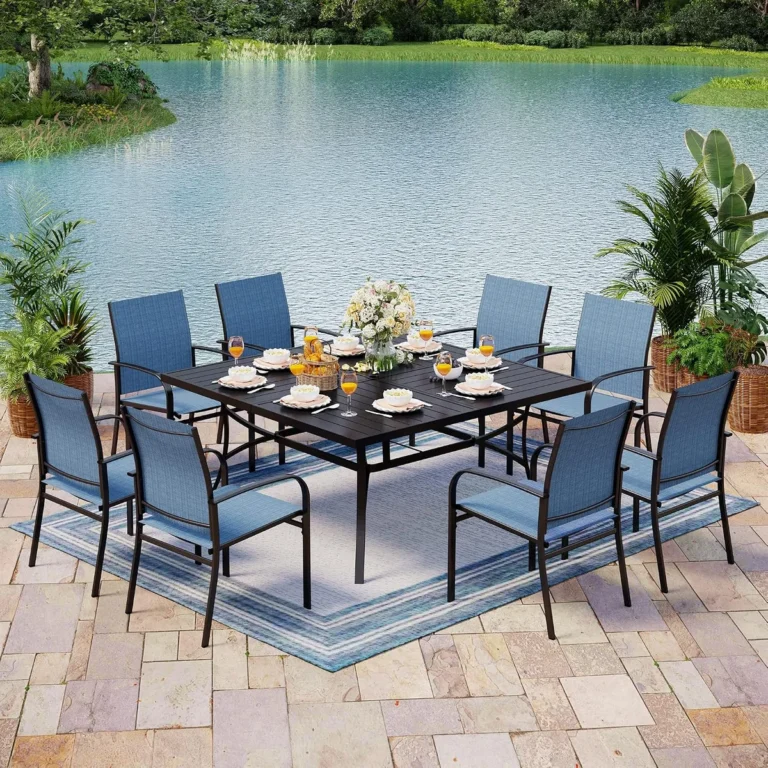
Picnic Table Accessory Problems & Solutions (That Actually
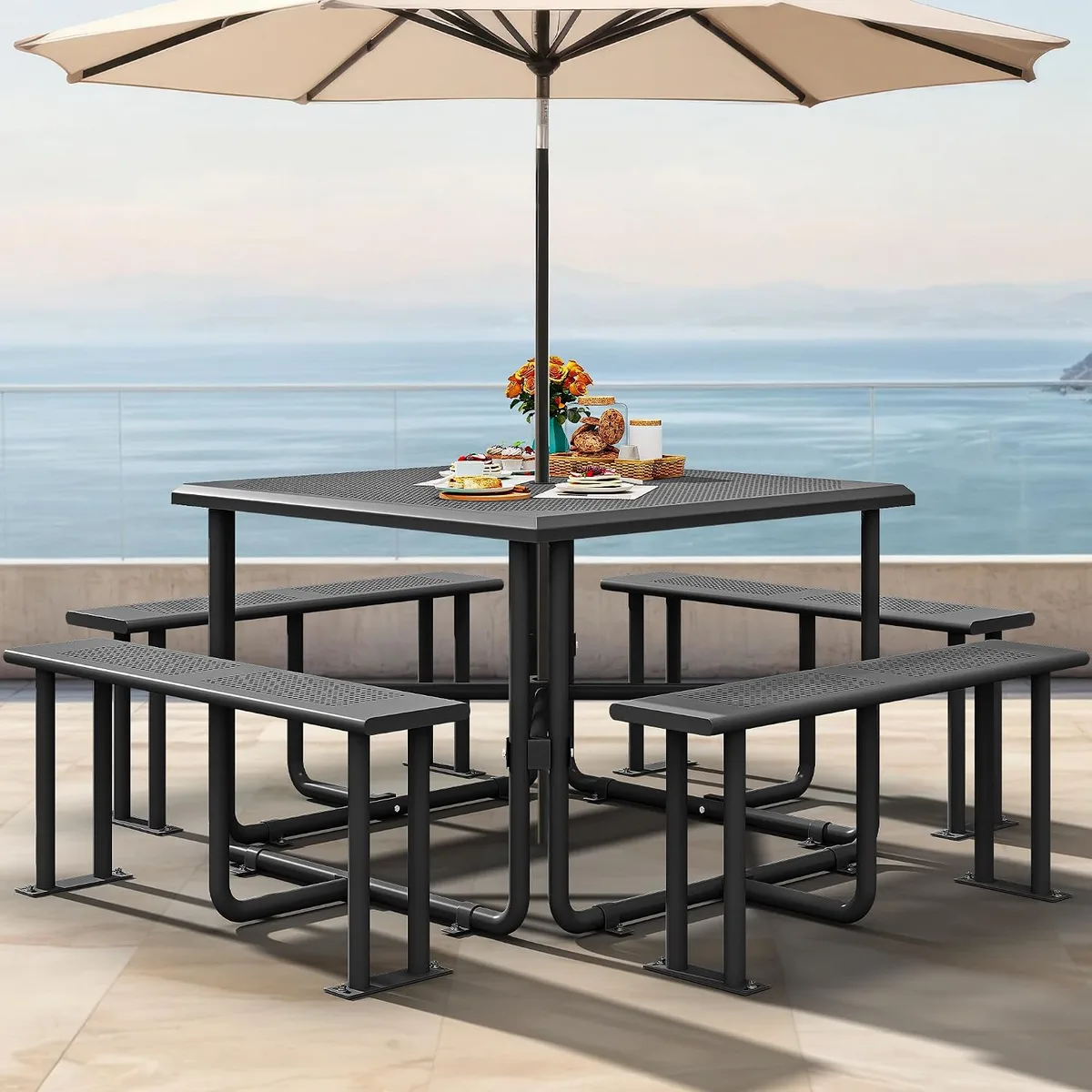
Image source: Web (Bing) / amazon.com (Web image (fair-use with source credit))
You bought a sturdy picnic table expecting years of outdoor meals. Instead, it wobbles, hardware fails, and accessories don't quite fit. Dealing with picnic table accessories problems and solutions starts with understanding exactly what is broken before you buy anything new.
Wrong diagnoses lead to wasted money and frustration.
Each problem follows a clear pattern once you know where to look. Start by testing table stability, inspecting every bolt and joint, and checking how your intended accessories actually attach. The right fix matches the root cause, not the symptom.
Here is how to diagnose and resolve the most common issues efficiently.
Diagnose Before You Buy: The Right Fix Starts With the Right Problem
A lot of people skip straight to buying gadgets and upgrades when their picnic table develops an issue. Tossing accessories at every problem does not address the root cause. Start by figuring out what is actually wrong with your table.
A wobbly table might need leveling feet. Cracked benches call for brace kits. Rusty bolts demand replacement hardware.
Getting this step right upfront prevents wasted money and unnecessary frustration.
Think of it as troubleshooting before shopping. Every picnic table sits in a slightly different environment, and that context shapes the solution. A table near a garden gets more moisture.
One under direct afternoon sun faces constant UV exposure. A commercial setup endures far more weight cycling than a backyard model. Context matters when choosing accessories.
Most accessory failures trace back to one thing: installing the wrong fix for the actual problem. Check your table material first. Wooden tables behave differently than metal or composite ones.
Note the leg style and hole dimensions. Check whether your bench attaches with bolts or brackets. Once you catalog these details, you can choose accessories that actually fit instead of forcing mismatched parts.
Per USDA Forest Service guidance on outdoor wood structures, matching hardware to your table material extends lifespan significantly.
Before spending a dollar on any accessory, perform a simple diagnostic routine. Sit at each corner and note which leg lifts off the ground. Tap every bolt head to check for looseness.
Look for rust streaks running down legs or through bench joints. Scan the tabletop surface for warp or twist. These five checks reveal approximately eighty percent of common accessory-related problems before they escalate.
| Symptom | Likely Root Cause | Quick Diagnostic Test |
|---|---|---|
| Wobble at one corner | Uneven ground or loose leg bolt | Place hand on leg while rocking table |
| Squeaking when seated | Dry metal-on-metal friction | Listen while applying downward pressure |
| Visible rust streaks | Moisture trapped under hardware | Peel back cushion or wipe surface |
| Umbrella tilts freely | Undersized or worn sleeve insert | Check sleeve inner diameter against pole |
| Cushion slides off bench | Flat fabric bottom or wrong size | Measure bench depth versus cushion depth |
Skip generic one-size solutions. They rarely work well across different table designs. Invest ten minutes in diagnosis, and you will save hours of trial-and-error buying.
Wobbly Tables: Finding and Fixing the Source
When a picnic table rocks back and forth during a meal, nothing kills the mood faster. That wobble usually stems from one of four causes. Pinpointing the exact source determines which fix actually works.
Here is how each scenario plays out and what addresses it best.
Uneven ground is the most common culprit. Your table legs meet different surface heights. The fix involves leveling feet, shims, or simply repositioning the table.
Adjustable leg levelers screw onto the bottom of each leg. Turn them until the table sits rock-solid. For permanent fixes, concrete or stone shims work under short legs.
A garden hose line level confirms when all four corners touch flat.
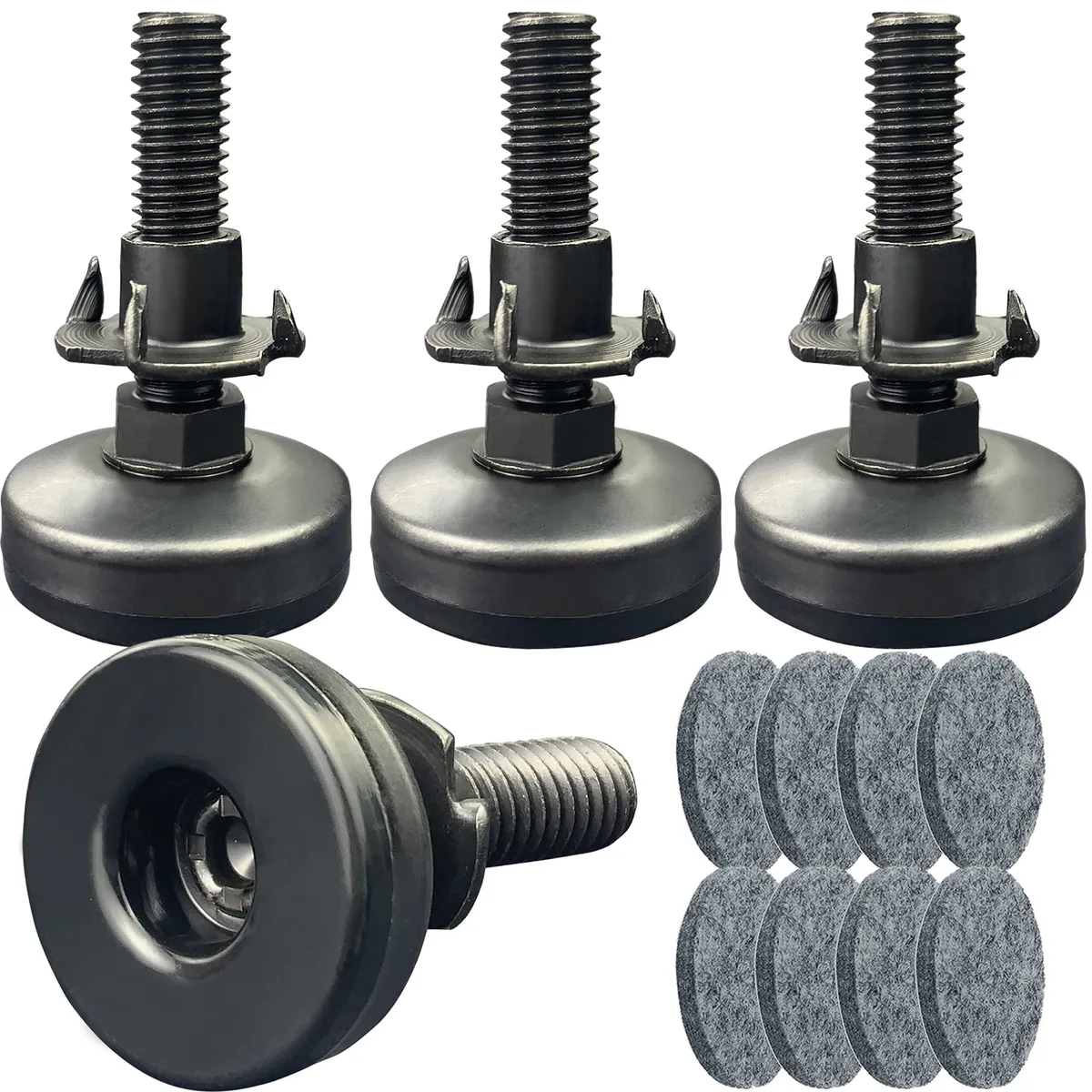
Photo: Adjustable table leveler feet provide a reliable solution for uneven outdoor surfaces.
Loose leg bolts create the second wobble pattern. Over time, vibration and weight cycling loosen every connection point. Tighten all leg-to-bench bolts using a cross-pattern sequence.
Start opposite corners and work inward. This distributes pressure evenly across the frame. If bolts spin freely without gripping, the threads are stripped.
Replace them with fresh hardware immediately. Do not reuse damaged fasteners.
Split or cracked legs demand closer inspection. Check each leg seam and joint for visible gaps. Small hairline cracks sometimes stabilize with wood epoxy and clamping.
Major splits require a bracket reinforcement kit or full leg replacement. Manufacturer specifications indicate that leg repair kits typically cost between fifteen and forty dollars. That is far cheaper than replacing an entire table.
Warped table tops cause intermittent wobble that shifts depending on where you sit. Heavy sun exposure dries and warps wood unevenly. Place additional support braces beneath the tabletop center span.
This reduces flex and stabilizes seating. Composite or metal tables resist warping entirely. Consider upgrading if your wooden top shows significant crown or twist.
Loose, Rusted, or Stripped Hardware Solutions
Hardware failure quietly ruins more picnic tables than anyone admits. A single stripped bolt or corroded nut can destabilize an entire bench. The good news is that hardware issues follow predictable patterns and offer straightforward fixes.
First, identify the bolt size and thread type on your table. Most outdoor picnic tables use quarter-inch or half-inch coarse-thread carriage bolts. These have rounded heads that sit flush against wood.
They resist popping out during normal use.
When you encounter stripped threads, do not just tighten harder. That spreads the damage wider. Instead, remove the offending bolt completely.
Clean the threaded hole with a wire brush. Blow out debris with compressed air if available. Insert a helical thread repair insert or switch to the next larger bolt size.
Steel grade eight bolts outperform standard zinc-plated hardware by a wide margin. They resist stretching and maintain clamping force through temperature cycles. For tables exposed to salt air or heavy rain, consider stainless steel alternatives.
Rust presents a different challenge entirely. Surface rust on bolts responds well to wire brushing and a coat of exterior-grade primer. Penetrating oil loosens seized nuts before you apply heat or force.
Never force a stuck bolt with excessive torque. You will snap it and leave the broken piece embedded in the frame. Drill out broken remnants with a metal drill bit set.
Start small and work up gradually. Replace every bolt that shows heavy corrosion or deformation. Table hardware typically costs between ten and twenty-five dollars for a complete replacement kit.
Quality hardware lasts decades with minimal upkeep.
Keep a small toolkit nearby for seasonal maintenance. Include an adjustable wrench, a socket set, a wire brush, penetrating oil, and a spare hardware pack matching your table bolt size. Monthly visual checks during active seasons catch problems early.
Annual deep inspections prevent unexpected failures.
| Hardware Issue | Visual Sign | Recommended Fix | Estimated Cost |
|---|---|---|---|
| Stripped thread | Bolt spins freely | Helical insert or larger bolt | $3 to $8 per hole |
| Surface rust | Orange discoloration | Wire brush plus primer | $2 to $5 per bolt |
| Seized bolt | Immovable nut | Penetrating oil, wait 24 hours | $4 to $8 per bottle |
| Broken bolt | Snapped flush with joint | Drill out and tap new thread | $5 to $15 per bolt |
The investment in quality replacement hardware pays for itself many times over. Cheap hardware fails faster and causes secondary damage during removal.
Umbrella and Shade Accessory Problems Solved
An umbrella transforms a basic picnic table into usable outdoor shade. But umbrella accessories generate their own unique set of problems. The most frequent complaint centers on stability.
Cheap umbrella stands tip over in moderate wind. Heavier bases resist tipping but become difficult to move when positioned. The solution depends on your usage pattern and local weather conditions.
Insert-style umbrella sleeves mount directly into the table top. They provide the lowest profile option. Standard hole diameters range from one and a half to two and a quarter inches.
Measure before purchasing any insert. An ill-fitting sleeve wobbles and damages surrounding wood. Use a rubber grommet insert to secure the pole firmly inside the hole.
This dampens movement and protects both pole and table.
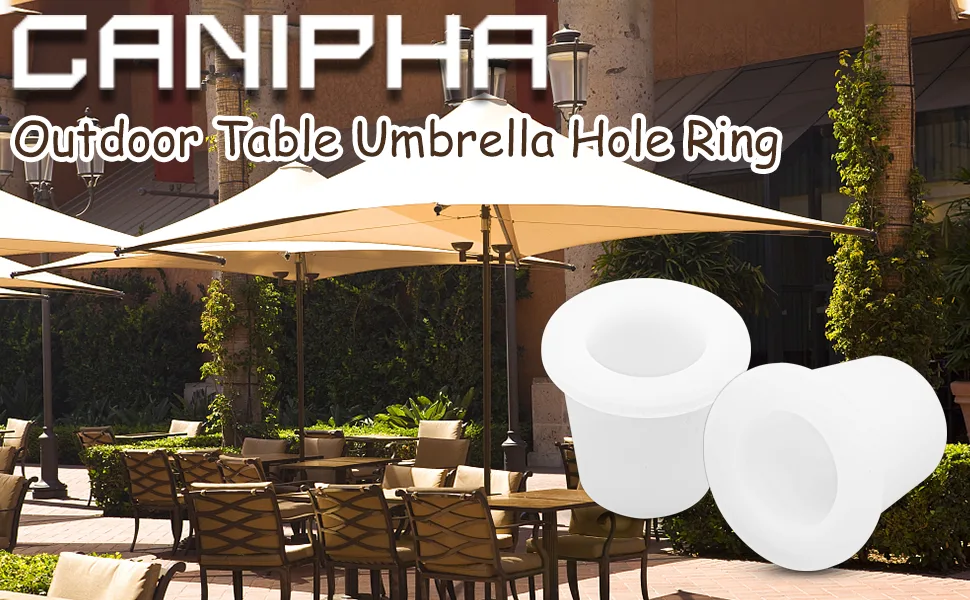
Photo: Properly sized umbrella hole inserts prevent wobbling and protect table surfaces from damage.
Freestanding umbrella stands offer greater height flexibility but require stable anchoring. Sandbag fill kits weigh down bases without permanent modification. For tables near open areas, anchor kits bolt directly to the bench frame.
This creates a fixed shade point that resists strong gusts. Wind speeds above thirty miles per hour demand extra caution regardless of setup method. Umbrella covers sag over time as fabric stretches from sun and moisture.
Replace stretched covers promptly. Permanent sag compromises shade coverage and increases wind catch surface area.
Fit covers loosely enough to allow airflow but tightly enough to shed rain effectively. UV-resistant fabrics retain color and structural integrity far longer than untreated alternatives. Choose covers rated for the specific sun exposure your table receives.
Full-day southern exposure requires heavier-duty materials than shaded deck locations.
Cushions, Covers, and Storage Accessory Issues
Seat cushions bring comfort to rigid picnic tables but introduce their own maintenance demands. The primary issue involves moisture accumulation underneath. Foam cores absorb ambient humidity and never fully dry between uses.
Mold and mildew develop quickly in warm enclosed spaces. Select cushions built with quick-dry foam or removable vinyl covers. Open-cell foam performs poorly in high-humidity environments.
Always remove cushions during heavy rain or overnight dew periods. Store them upright to promote airflow on all surfaces. Cover cushions with breathable fabric bags during storage.
Sealed plastic traps moisture and guarantees mildew growth within weeks.
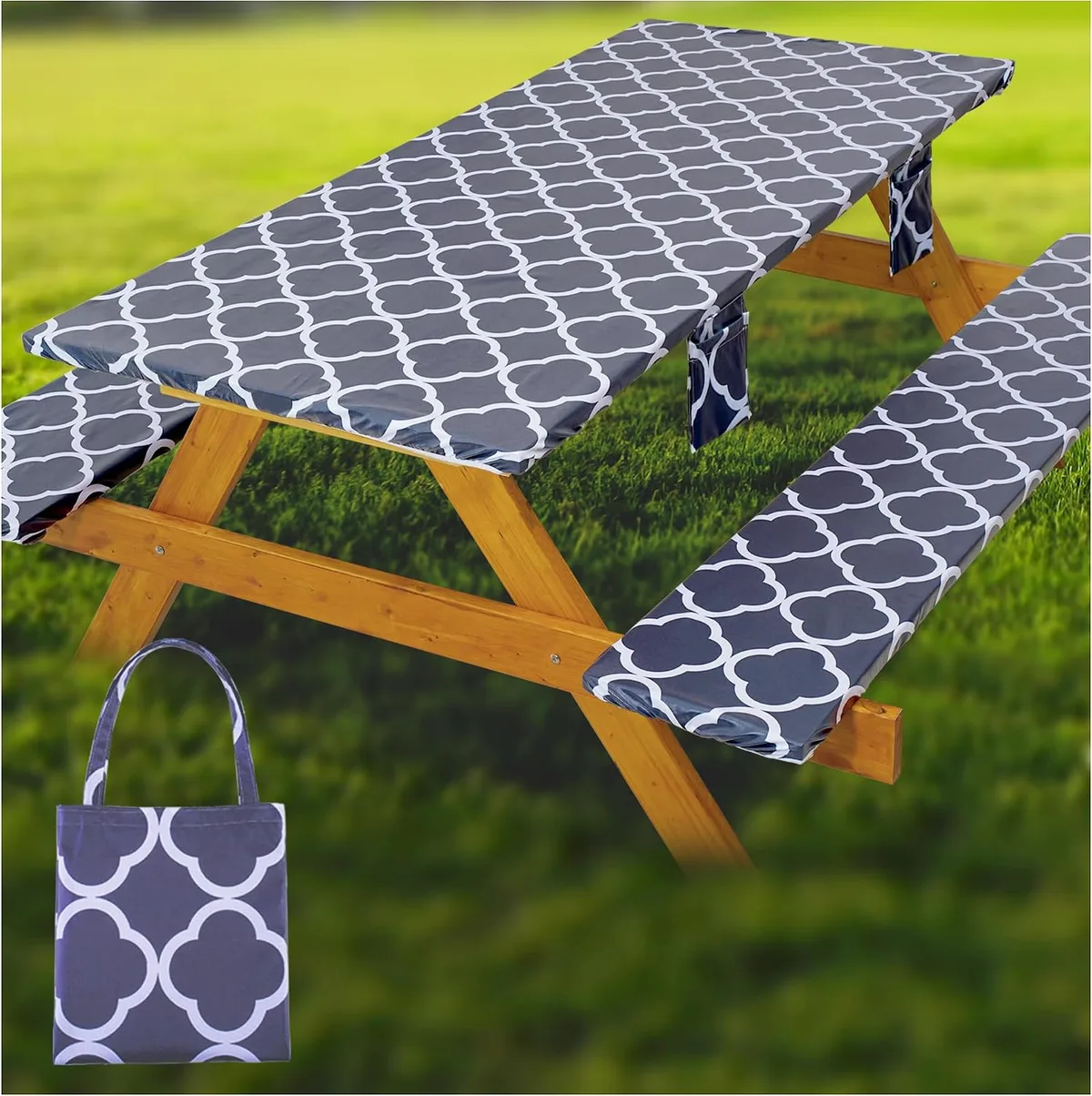
Photo: Breathable outdoor seat cushion covers protect against weather while allowing proper airflow.
Table covers solve the weather exposure problem but introduce fit and durability concerns. Universal covers stretch across multiple table sizes. Fitted covers hug specific dimensions.
Fitted versions block more wind and stay in place longer. Universal options save money but blow away during storms if not secured properly. Check seam strength and zipper quality before buying any cover.
Weak seams split under tension. Look for materials rated at least three thousand millimeters of water column resistance for reliable rain protection. UV-resistant fabrics retain color and structural integrity far longer than untreated alternatives.
Storage accessories attached beneath benches keep dining items organized. Ensure mounting brackets do not stress bench joints. Overloading shelf brackets causes frame fatigue.
Distribute weight evenly and respect manufacturer load ratings. Most under-bench storage units hold between twenty and fifty pounds comfortably before showing stress. Choose rust-proof mounting hardware for any bracket system.
Plastic-coated brackets prevent finish damage on wooden benches while providing the same holding strength as bare metal versions.
Repair or Replace: When to Keep Going vs. Move On
Every owner eventually faces a crossroads. Your picnic table has seen years of use, accessories have shown wear, and repair costs are creeping up. The real question becomes whether to invest further or cut losses.
The answer depends on your table's structural condition and how much time you want to spend maintaining it.
Start with the main frame. Inspect every joint for looseness that tightening cannot fix. Check bench seats for soft rot where moisture collects.
Look at leg connections for cracks spreading from stress points. If the core structure stays solid while only surface components need attention, new accessories and replacement hardware likely extend life for another five to eight years. That path usually costs under one hundred dollars in materials.
A full frame rebuild runs three to four times that amount.
Compare repair estimates against replacement prices. As of 2026, mid-range wooden picnic tables retail between two hundred and four hundred dollars. Commercial-grade metal models run five to eight hundred dollars.
If your repair estimate exceeds forty percent of a comparable new table price, replacement often makes more financial sense. Factor in your emotional attachment and aesthetic preferences alongside pure economics. An older table with character may deserve restoration.
A heavily damaged unit serving purely functional needs probably does not.
Make your final decision using this simple framework. If structural integrity remains solid and accessory problems stay cosmetic, continue repairing. If multiple frame components show advanced deterioration, replace the entire unit.
Either choice costs less than endless partial fixes that delay inevitable failure.
Frequently Asked Questions
Will wheel kits damage my wooden picnic table?
Wheel kits can damage wood if mounted incorrectly. Use brackets that distribute weight across the leg surface instead of concentrating pressure on a small area. Pre-drill pilot holes to prevent splitting.
Choose rubber-tired wheels to protect finish during movement.
How do I choose the right umbrella insert size?
Measure your umbrella pole diameter with a tape measure or caliper. Standard sizes run one and a half, two, or two and a quarter inches. Select an insert that fits snugly without forcing.
A loose insert causes wobbling and accelerates wear on both pole and sleeve.
Can I use outdoor furniture sliders instead of adjustable legs?
Furniture sliders work well on smooth flat surfaces like decks or patios. They do not handle grass, gravel, or dirt terrain effectively. Adjustable legs provide superior stability on uneven ground.
Combine both approaches only when the surface is level.
How often should I check picnic table hardware?
Perform visual hardware checks monthly during active seasons. Tighten any bolt showing movement or misalignment. Conduct a thorough annual inspection before winter storage.
Lubricate metal threads lightly with silicone spray to prevent seizing.
What is the best rust-proof hardware for metal picnic tables?
Stainless steel grade 316 outperforms all other common options for harsh outdoor environments. Grade 304 steel serves well in moderate climates. Coated carbon steel costs less but requires more frequent inspection and eventual replacement.
Are cheap seat cushions worth the risk?
Low-cost cushions typically use inferior foam that breaks down within one to two seasons. They also lack breathable backing, which traps moisture and promotes mold. Mid-range cushions built with quick-dry foam and vinyl covers offer better long-term value despite higher upfront cost.

Sophia Martinez is a culinary lifestyle writer and product reviewer for DiningGadgets.com. Passionate about blending style with functionality, she explores the latest dining essentials, kitchen décor, and cleaning hacks that transform everyday cooking spaces. With a background in home organization and design, Sophia brings readers expert advice on creating beautiful, practical kitchens that truly feel like the heart of the home.