How to Decorate Wall behind Kitchen Sink: Stunning Ideas to Try
Your kitchen sink sees more daily use than almost any other spot in your home: it’s where you wash dishes, prep ingredients, fill water bottles, and scrub muddy boots. Yet the wall behind it is often treated as an afterthought, left with basic drywall or a boring, dated backsplash. Per the National Kitchen + Bath Association, this high-exposure area faces constant splashes, soap scum, grease, and steam, so the right decor balances style, durability, and easy maintenance. The good news? You don’t need a full kitchen renovation to transform this overlooked space into a stunning focal point. Below are actionable, practical ideas for every budget, style, and living situation.
Why the Sink Wall Deserves Extra Design Attention
Unlike decorative wall space in other parts of your kitchen, the area behind your sink works as hard as you do. It’s at eye level whenever you stand at the sink, making it a natural visual anchor for the whole room. At the same time, it’s regularly exposed to water, food splatter, and cleaning products, so any decor you choose needs to hold up to daily wear without requiring constant upkeep. A well-designed sink wall doesn’t just look nice: it makes a mundane, daily task feel more pleasant, and can even boost your home’s resale value by making your kitchen feel more polished and functional. You can also read our guide on www yoursite com what height are kitchen wall.
Choose Durable, Water-Resistant Base Materials
The foundation of your sink wall design is the material you choose for the backsplash or wall covering. Skip porous, unsealed options like standard drywall or untreated wood, which will absorb moisture and develop mold within a few years of installation. Instead, opt for materials built to handle wet, high-traffic conditions:
Water-Resistant Backsplash Options
Ceramic and porcelain tile are the most popular picks for a reason: they’re non-porous, stain-resistant, and come in every color, size, and pattern imaginable. For a sleek, modern look, glass tile reflects light to make small kitchens feel larger, and wipes clean with a single swipe of a sponge. If you’re renting or want a no-commitment option, waterproof peel-and-stick vinyl panels are removable without damaging walls, and come in everything from classic subway looks to bold, colorful prints. Stainless steel panels are another low-maintenance pick for industrial-style kitchens, as they resist water, heat, and scratches effortlessly.
Low-Maintenance, High-Durability Picks
If you have a busy household with kids or pets, prioritize scratch and stain-resistant materials. Porcelain tile is harder and more dense than standard ceramic, making it impervious to dents from dropped dishes or scrub brushes. Quartz composite panels are another low-fuss pick: they’re non-porous, require no sealing, and resist stains from coffee, wine, or tomato sauce without special care. Laminate panels can mimic the look of natural stone or wood at a fraction of the cost, and are just as easy to wipe down after use. You can also read our guide on best rug for kitchen sink area.
Eco-Friendly, Low-Impact Materials
Sustainable picks don’t mean sacrificing style or durability. Recycled glass tile is made from post-consumer glass waste, requires no sealing, and adds a subtle, colorful shimmer to your wall. FSC-certified bamboo panels are rapidly renewable, and have a warm, natural look that pairs well with farmhouse or minimalist kitchens. For painted sink walls, the EPA’s low-VOC paint and coating guidance recommends choosing low-volatile organic compound (low-VOC) formulas to avoid releasing harmful chemicals into your home’s indoor air, a particularly important consideration in a space where you prepare food.
Color & Pattern Ideas to Match Your Kitchen Style
Once you’ve picked a durable base material, the color and pattern you choose will set the tone for your entire kitchen. The best picks complement your existing cabinetry, countertops, and overall design aesthetic, while also hiding the minor splatters and water spots that are inevitable in this space. You can also read our guide on tiles design for kitchen wall.
Coordinate With Your Existing Cabinetry
For a cohesive, pulled-together look, pull accent colors from your cabinet finish. If your kitchen features deep green cabinetry, our guide to pairing with green cabinetry offers curated palettes that balance bold cabinet tones with bright, complementary wall colors. For warm brown cabinet setups, our tips for coordinating with brown cabinet setups help you select hues that enhance warm wood tones without making the space feel dark or cramped.
Bold Statement Colors
If you want your sink wall to be a true focal point, opt for a bold, saturated hue: deep navy, emerald green, terracotta, or even a soft buttery yellow. These colors work especially well if you have neutral white or gray cabinets and countertops, as they add personality without overwhelming the rest of the room. For paint, choose a semi-gloss or satin finish, which is easier to wipe down than matte paint if splatters occur. You can also read our guide on which colour tiles is best for kitchen walls.
Soft Neutral Tones
For a calm, timeless look, stick to soft neutrals: warm white, pale greige, soft sage, or light taupe. These shades make small kitchens feel larger and brighter, and hide small water spots and soap scum far better than dark or glossy finishes. They’re also versatile enough to match if you update your kitchen’s decor down the line.
Playful, Low-Commitment Pattern Mixes
You don’t have to stick to a single solid color or pattern to create a stylish sink wall. For a custom look, mix complementary patterns: pair a striped subway tile backsplash with a small accent strip of geometric mosaic tile directly behind the sink, or use peel-and-stick patterned wallpaper on the wall behind the sink only, leaving the rest of the backsplash plain. Renters can even try large-scale peel-and-stick decals for a bold, removable statement. You can also read our guide on apron sinks for kitchen.
Tile Layouts That Fit Every Aesthetic
If you choose tile for your sink wall, the layout you select can completely change the look of the space, no extra materials required:
Timeless Subway Tile Arrangements
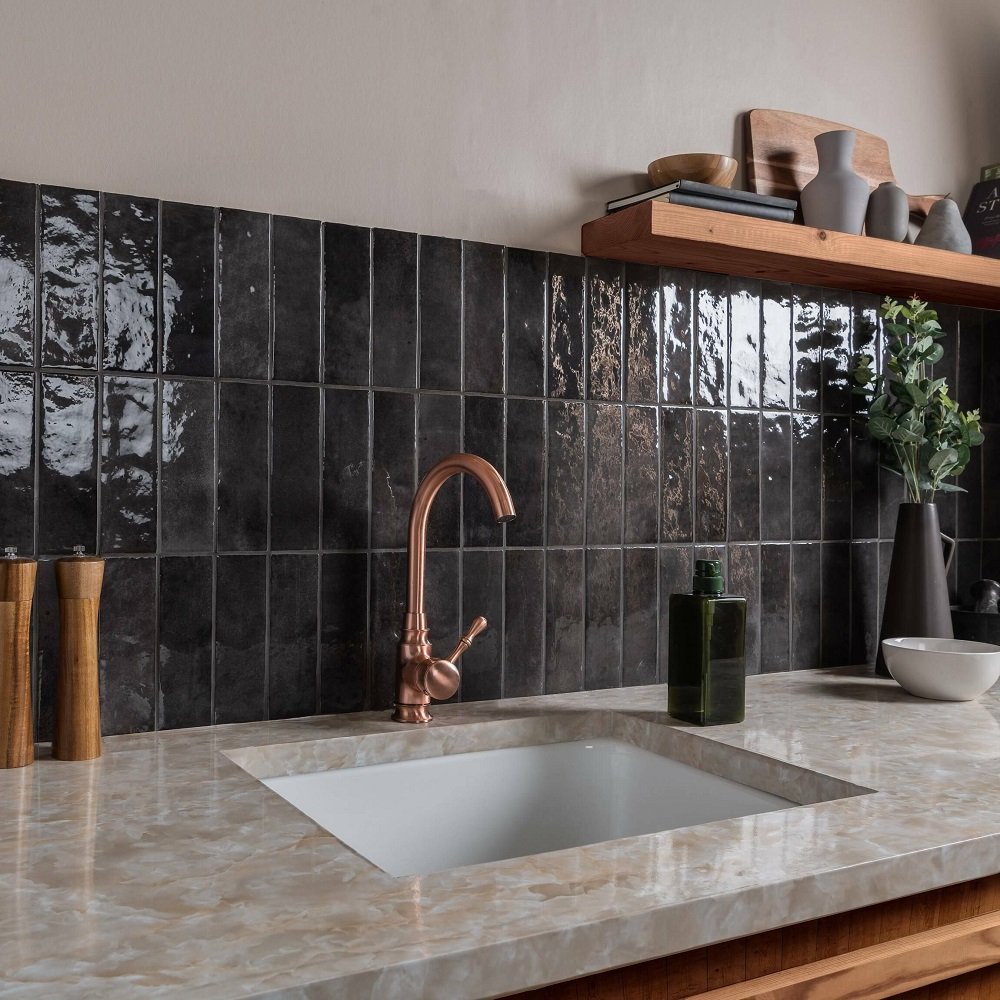
Classic 3×6 inch metro tile is a forever favorite for its clean, versatile look. For a traditional feel, arrange it in a standard running bond (brick) pattern. For extra visual interest, try a herringbone layout, which adds subtle movement and makes small sink walls feel larger. Vertical stacking of subway tiles is another great option for low-ceiling kitchens, as it draws the eye upward to make the space feel taller. Contrasting grout (dark grout with white tile, or white grout with colored tile) is an easy, low-cost way to make your tile layout pop.
Eye-Catching Mosaic & Geometric Accents
Small mosaic tiles, which come pre-mounted on sheets for easy installation, are perfect for creating a statement accent strip behind the sink only. Glass mosaic adds a subtle shimmer that bounces light around dark kitchens, while hexagon or triangle tiles create a bold, modern geometric look. Use contrasting grout to highlight the shapes, and keep the rest of the backsplash plain to avoid overwhelming the space.
Sleek Large-Format Tiles
For a minimalist, modern look, opt for 12×24 inch or larger porcelain tiles. Fewer grout lines mean less surface area for dirt and water to collect, making these tiles extremely easy to clean. Large-format tiles also reduce visual clutter, making small sink walls feel more expansive and streamlined.
Add Functional Storage That Doubles as Decor
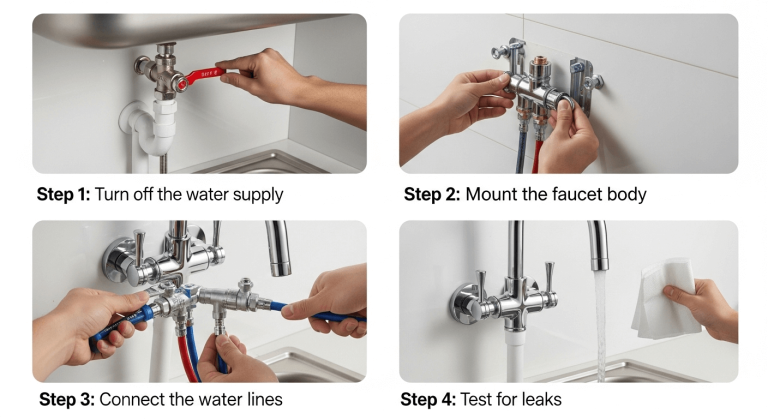
If you’re short on counter space, open storage behind the sink is a practical way to add style and function at the same time. If you’re planning to install shelves or replace your faucet as part of your refresh, you may need to prep the wall for a full refresh first to avoid damaging plumbing fixtures.
Floating Open Shelves
Rust-proof floating shelves, installed 12–18 inches above the sink to avoid direct splashes, are perfect for storing everyday items you use at the sink: dish soap in a decorative pump, a ceramic soap dish, small potted herbs, or your favorite coffee mugs. For renters, adhesive-backed shelves leave no damage to walls when removed. Match the shelf material to your kitchen’s hardware: warm wood for farmhouse or rustic spaces, metal for industrial or modern kitchens.
Wall-Mounted Racks & Hooks
Over-the-sink dish drying racks or wall-mounted utensil hooks free up counter space while keeping essentials within easy reach. Look for stainless steel or brass finishes that match your faucet and cabinet hardware for a cohesive look. Small hooks mounted to the wall behind the sink can hold dish towels, pot holders, or even small cooking utensils.
Recessed Built-In Niches
If you’re doing a full kitchen renovation, a recessed niche built directly into the wall behind the sink is a game-changer. It creates hidden, out-of-sight storage for sponges, dish brushes, and cleaning supplies, keeping counters clutter-free while keeping essentials within arm’s reach. You can even tile the inside of the niche to match your backsplash for a seamless, custom look.
Decorative Accents That Won’t Get Damaged by Splashes
If you want to add personality without investing in a full backsplash renovation, these low-risk, high-reward accents work for every budget:
Moisture-Resistant Artwork
Framed art doesn’t have to be off-limits in the sink area. Look for prints with moisture-resistant glass or acrylic covers, or laminate your own photos, kids’ art, or inspirational quotes to display in a standard frame. For a casual, cozy look, lean a small canvas or unframed print against the wall behind the sink; if it gets splashed, it’s easy to wipe down or replace.
Temporary, Renters-Friendly Decor
Peel-and-stick wall decals are a zero-commitment way to add pattern or personality to your sink wall. Waterproof vinyl decals come in every design imaginable, from botanical prints to kitchen-themed quotes, and remove without leaving residue or damaging paint. Removable wallpaper is another great option for renters who want a full accent wall behind the sink without the hassle of installation or removal fees.
Low-Maintenance Hanging Planters
Greenery adds life and warmth to any sink wall, and many kitchen-friendly plants thrive in the humid, bright environment near a sink. Low-light, humidity-loving varieties like pothos, spider plants, mint, and basil are perfect: they’re low-maintenance, and the herbs are useful for cooking. Use small wall-mounted pots or macrame hangers, and place them out of the direct splash zone to avoid overwatering.
Smart Lighting to Highlight Your Sink Wall Design
Good lighting makes your sink wall design feel intentional and polished, while also making tasks like washing dishes or prepping food easier:
Under-Cabinet Task Lighting
Under-cabinet lights cast direct, focused light onto your sink wall, eliminating harsh shadows from overhead lighting. Opt for warm white (2700K–3000K) for a cozy, inviting glow, or cool white (4000K) for better visibility when scrubbing produce or washing dishes. Plug-in models are perfect for renters, while hardwired options offer a sleeker, permanent look.
Accent Wall Sconces
Small wall sconces placed on either side of the sink add ambient light and highlight your backsplash or wall decor. Choose a finish that matches your faucet and cabinet hardware for a cohesive look, and avoid placing sconces directly above the sink, where they can cast unflattering shadows on your face while you work.
Dimmable LED Strip Lighting
For a modern, subtle glow, install LED strip lights under floating shelves or behind a recessed niche. Dimmable models let you adjust brightness from a soft, moody glow for evening to bright, focused light for daytime tasks. LED strips use very little electricity, making them an energy-efficient pick for long-term use.
Budget-Friendly Ideas for Every Renovation Level
You don’t need to spend thousands to refresh your sink wall. These ideas are tailored to every budget and commitment level:
Under $50: Quick, Renters-Friendly Updates
No tools or permanent changes required: try peel-and-stick tile or wallpaper for an instant backsplash refresh, add a few small potted herbs, hang a removable framed print, or install adhesive floating shelves for extra storage. These updates take an afternoon to complete, and leave no damage when you move out.
$100–$500: Mid-Range Upgrades
For a more permanent, high-impact update, install a real ceramic or porcelain tile backsplash, add under-cabinet lighting, or install a small mosaic accent strip behind the sink. If you’re replacing an old faucet as part of your mid-range update, our guide to replacing an old faucet walks you through the process step-by-step to avoid leaks or damage.
$500+: Full Renovation Upgrades
For a long-lasting, high-ROI update, invest in large-format tile, a custom recessed niche, solid wood floating shelves, and high-end dimmable lighting. If you’re doing structural work, you can even add a small pass-through window above the sink to flood the space with natural light.
Frequently Asked Questions
What materials work best for the wall behind a kitchen sink?
Ceramic and porcelain tile, glass, and waterproof vinyl panels are top picks, as they’re non-porous, resist water and stains, and are easy to wipe clean. Avoid porous materials like unsealed marble or untreated wood unless you’re willing to seal them regularly to prevent water damage and staining.
Can I use regular interior paint behind my kitchen sink?
Yes, but only if you use a moisture-resistant, semi-gloss or satin paint formulated for kitchen and bathroom use, applied over a waterproof cement backer board or a waterproof primer. Flat or matte paint will absorb splashes and stain quickly, and standard drywall will eventually mold if exposed to repeated moisture.
How do I prevent water damage on my sink wall?
Start with a water-resistant backsplash material, seal all grout lines with a waterproof grout sealer, and wipe up splashes as soon as they happen. For extra protection, apply a clear waterproof sealant to painted walls every 1–2 years, especially if you use your sink frequently for heavy-duty cleaning.
Do I need a backsplash behind my kitchen sink?
While not required by building code in most areas, a backsplash is highly recommended: it protects your wall from water, grease, and food stains, makes cleaning drastically easier, and adds a design element that elevates your entire kitchen.
Can I install open shelves behind my kitchen sink?
Yes, as long as you use rust-proof mounting hardware, anchor the shelves securely to wall studs or cement backer board, and place them at least 12 inches above the sink to avoid direct water splashes. Floating shelves are a great option for renters, as most adhesive styles leave no damage when removed.
What colors hide water spots and splashes best?
Light neutral tones like warm white, soft greige, and pale gray hide small water spots and soap scum better than dark or glossy colors. If you prefer bold hues, opt for a matte or textured finish, which masks splashes more effectively than high-gloss paint.
Final Takeaway
Decorating the wall behind your kitchen sink doesn’t require a full, expensive kitchen renovation. Even small, low-commitment changes—like a peel-and-stick tile accent strip, a few potted herbs, or a piece of framed art—can turn this high-traffic, overlooked space into a spot that brightens your day every time you wash a dish. Prioritize water-resistant, low-maintenance materials that fit your lifestyle (whether you’re a renter who needs removable options or a homeowner looking for a permanent, high-ROI update), and don’t be afraid to mix functionality with personality. If you’re planning a larger kitchen refresh, our step-by-step guide to removing a wall-mounted kitchen faucet makes quick work of prep so you can install your new sink wall design without hassle.