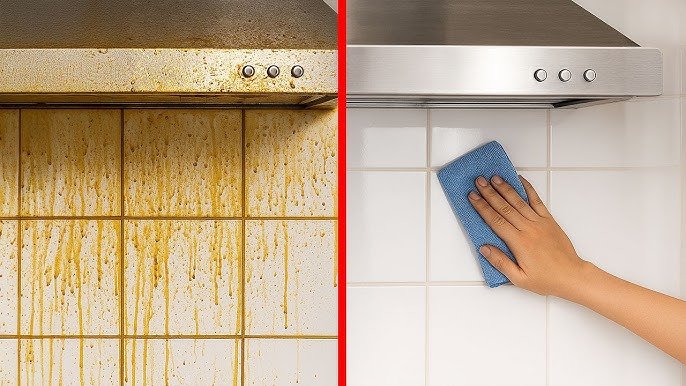
How to Clean Oily Walls in Kitchen: Easy Tips for a Sparkling Shine
How to Clean Oily Walls in Kitchen looking greasy and dull? Oily stains can make your cooking space feel dirty and unpleasant.
But don’t worry—you don’t need harsh chemicals or expensive tools to fix this. With a few simple steps, you can restore your walls to their clean, fresh state. Keep reading, and you’ll discover easy, effective ways to tackle those stubborn oily marks and bring back the shine to your kitchen walls.
Your kitchen deserves to look its best, and you’re just moments away from making that happen.
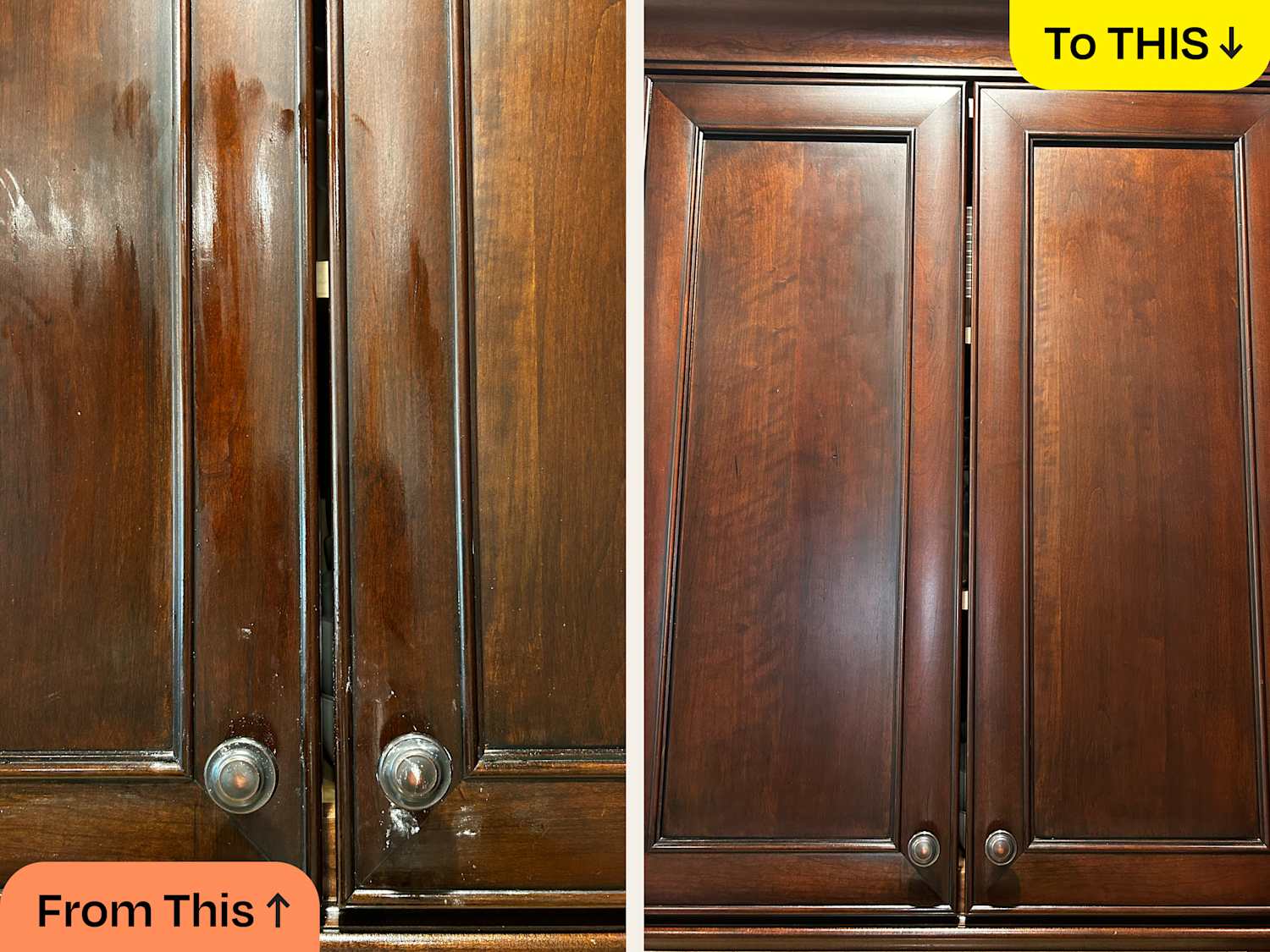
Credit: www.thekitchn.com
Causes Of Oily Walls
Oily walls in the kitchen are a common issue that can frustrate many homeowners. Understanding what causes the buildup of grease and grime helps you tackle the problem more effectively. Let’s look into the main reasons behind those stubborn oily patches and how your everyday cooking habits might be contributing.
Common Kitchen Grease Sources
Grease doesn’t just come from frying food; it can come from various cooking activities. When you cook with oils, butter, or fats, tiny droplets can escape into the air and settle on your walls. Even boiling soups or sauces with fat content releases grease particles that cling to surfaces.
Other sources include:
- Frying or sautéing foods at high temperatures
- Using oil sprays or marinades
- Smoke and steam from grilling or broiling
Have you noticed how your wall near the stove looks shinier than the rest? That’s grease buildup slowly forming over time.
Impact Of Cooking Habits
Your cooking style plays a huge role in how much grease ends up on your walls. Frequent frying or cooking with a lot of oil means more airborne grease particles. Cooking without lids on pots and pans allows steam mixed with grease to spread widely.
Ventilation matters too. If your kitchen doesn’t have a good exhaust fan or window open, grease lingers longer on surfaces. You might think wiping your walls occasionally is enough, but the buildup happens faster than you realize.
Consider this: How often do you clean the kitchen walls compared to how often you cook greasy meals? Small changes in your habits, like covering pots or using a range hood, can make a big difference in keeping walls cleaner.
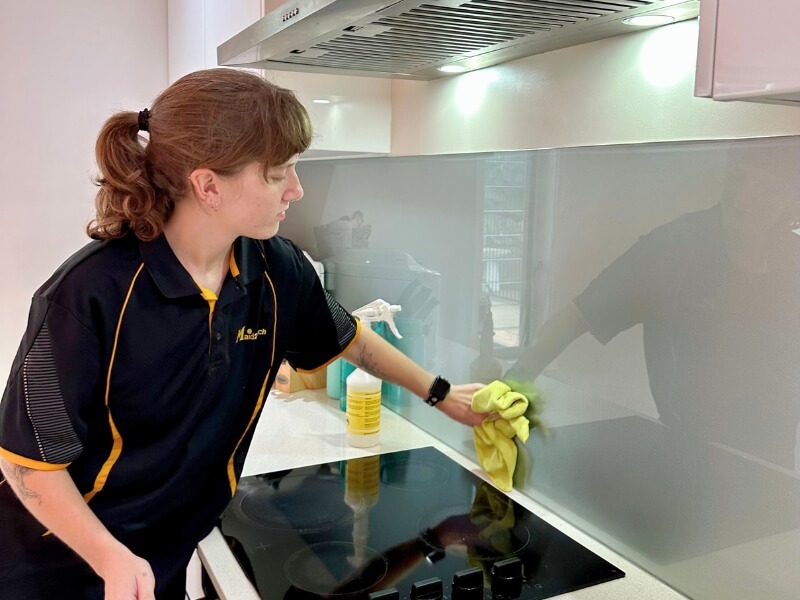
Credit: www.maid2match.com.au
Tools And Materials Needed
Cleaning oily walls in your kitchen requires the right tools and materials to get the job done effectively. Without proper supplies, you might end up smearing grease or damaging your wall paint. Gathering everything beforehand saves time and ensures you can tackle stubborn oil spots without frustration.
Cleaning Agents Suitable For Oily Walls
Choosing the right cleaning agent is crucial for cutting through grease without harming your walls. Mild dish soap mixed with warm water often works well for light oil stains. For tougher grime, a mixture of vinegar and water or a gentle degreaser can make a big difference.
Have you tried baking soda? It acts as a mild abrasive and absorbs grease, making it a handy natural option. Avoid harsh chemicals like bleach or ammonia, as they can strip paint or cause discoloration.
Essential Cleaning Tools
Using the right tools helps you clean efficiently and protects your walls. Soft sponges or microfiber cloths are ideal for scrubbing without scratching surfaces. A spray bottle lets you apply cleaning solutions evenly and control the amount used.
Don’t forget a bucket for mixing your cleaning agents and a sturdy ladder if your kitchen walls are tall. Gloves protect your hands from irritation, especially when using stronger cleaning mixtures. Do you have all these ready, or have you been making do with less?
Preparation Before Cleaning
Before you dive into cleaning oily walls in your kitchen, setting up the right environment can save you time and effort. Preparation helps prevent damage to other surfaces and makes the whole process smoother. Taking a few simple precautions ensures your cleaning session is both effective and hassle-free.
Protecting Furniture And Floors
Oily residue and cleaning solutions can easily drip or splash onto nearby furniture and floors. You want to avoid extra cleanup or stains on your valuable items. Cover tables, chairs, and countertops with old towels or plastic sheets.
Lay down a drop cloth or newspapers on the floor near the walls you plan to clean. This protects your flooring from water damage or slippery spots. Think about moving smaller pieces of furniture out of the kitchen if possible, to give yourself more room to work.
Ventilation Tips
Cleaning products often release fumes that can irritate your eyes and throat. Good ventilation is essential to keep the air fresh and safe. Open windows and doors to create a cross breeze whenever you clean oily walls.
If your kitchen has an exhaust fan, turn it on to help remove strong odors and moisture. Ever noticed how a stuffy kitchen makes cleaning feel tougher? Fresh air can boost your energy and make the task less tiring.
Step-by-step Cleaning Process
Cleaning oily walls in your kitchen can seem like a daunting task, but breaking it down into clear, manageable steps makes the process smoother and more effective. By tackling the grime methodically, you’ll restore your walls’ freshness without wasting time or effort. Here’s a practical approach to get your kitchen walls sparkling again.
Initial Dusting And Wiping
Start by removing loose dust and dirt from the walls. Use a dry microfiber cloth or a soft brush to gently wipe the surface. This prevents grime from smearing when you apply cleaning solutions later.
Next, lightly dampen a cloth with warm water and wipe the walls to lift surface grease. Be careful not to soak the walls—too much water can damage paint or wallpaper.
Applying Cleaning Solutions
Choose a cleaning solution that targets grease without harming your wall finish. A mix of warm water with a few drops of dish soap works well for most surfaces.
Alternatively, a vinegar and water solution can cut through oil effectively. Spray or apply the solution with a soft cloth, focusing on the oiliest spots.
Scrubbing Techniques
Use a non-abrasive sponge or a soft-bristled brush to scrub the walls gently. Circular motions help break down stubborn grease without scratching the paint.
Pay close attention to areas near the stove or backsplash, where oil tends to build up the most. Avoid harsh scrubbing that could strip paint or damage wallpaper.
Rinsing And Drying
Once the grease loosens, wipe the walls with a clean, damp cloth to remove any soap or vinegar residue. Residue left behind can attract more dirt and create streaks.
Finally, dry the walls thoroughly using a dry towel or microfiber cloth. Proper drying prevents water marks and keeps your walls looking fresh longer.
Natural Remedies For Oily Walls
Oily walls in the kitchen can be stubborn and frustrating to clean, especially when grease builds up over time. Instead of reaching for harsh chemicals, you can try natural remedies that are safe, effective, and often already in your pantry. These solutions not only remove grease but also refresh your kitchen walls without any strong odors or harmful residues.
Using Vinegar And Baking Soda
Vinegar and baking soda create a powerful cleaning duo. Start by mixing equal parts white vinegar and water in a spray bottle. Spray this solution on the oily patches and let it sit for 5 minutes to break down the grease.
Next, sprinkle baking soda on a damp sponge or directly on the wall. Gently scrub the area to lift off the oily residue. The fizzing reaction helps to loosen grime while baking soda acts as a mild abrasive without damaging paint.
If you’ve ever cleaned a stovetop with this combo, you know how effective it can be. Why not give your walls the same treatment? Just remember to wipe the walls with a clean damp cloth afterward to remove any leftover residue.
Lemon Juice Benefits
Lemon juice is a natural degreaser with a fresh scent that brightens your kitchen. The acidity cuts through oil and grime quickly. Simply squeeze fresh lemon juice or use bottled lemon juice and apply it to the greasy areas with a soft cloth.
Let it sit for a few minutes, then wipe clean with a damp cloth. Lemon juice also helps to deodorize, leaving your kitchen smelling clean and inviting. Have you noticed how lemon works wonders on your cutting boards? It can do the same for your walls.
For extra cleaning power, combine lemon juice with a little salt to scrub tough spots gently. This mixture is excellent for removing stubborn grease without scratching the paint.
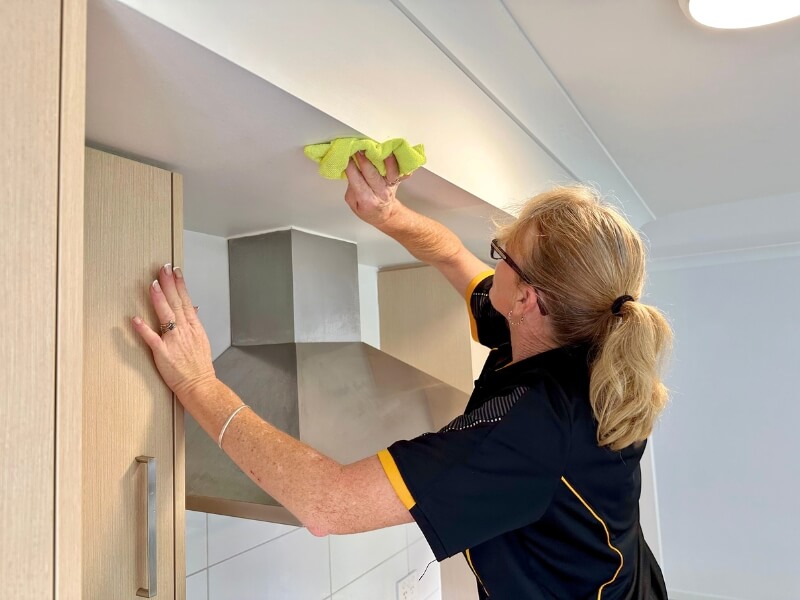
Credit: www.maid2match.com.au
Preventing Future Grease Build-up
Preventing future grease build-up on kitchen walls helps keep your space clean and fresh. It reduces the need for deep scrubbing and protects paint and surfaces. Simple habits and small changes in your kitchen can make a big difference over time.
Regular Maintenance Tips
- Wipe walls with a damp cloth after cooking.
- Use mild soap and warm water for quick cleaning.
- Clean splatters immediately to stop grease from hardening.
- Keep a spray bottle with a vinegar and water mix handy.
- Dry surfaces well to prevent streaks and residue.
Improving Kitchen Ventilation
- Turn on the exhaust fan while cooking.
- Open windows to let fresh air in.
- Install a range hood for better smoke and grease removal.
- Use portable fans to boost air circulation.
- Check that vents and filters are clean and working.
When To Call A Professional
Knowing when to call a professional to clean oily walls in your kitchen can save you time and frustration. While DIY cleaning often works, some stains resist all your efforts and may require expert care. Recognizing the signs and choosing the right service ensures your kitchen walls look fresh without damage.
Signs Of Stubborn Stains
Not all oily stains respond well to regular household cleaners. If you notice that greasy spots remain sticky or dark even after scrubbing, it’s a clear warning. Stains that spread or leave a film on the wall surface also suggest deep grease buildup.
Another sign is discoloration or peeling paint around oily patches. This means the grease has soaked into the wall material, making it tougher to clean. At this point, scrubbing harder might only damage your walls further.
Have you tried different cleaning methods, but the stains keep coming back? Persistent odors or a greasy feel when you touch the wall also indicate it’s time for professional help.
Choosing A Cleaning Service
Selecting the right professional service is crucial. Look for companies that specialize in kitchen or wall cleaning, not just general housekeeping.
- Check reviews and ask for before-and-after photos of similar jobs.
- Make sure they use safe, non-toxic cleaning agents that won’t harm your paint or drywall.
- Inquire about their process and whether they offer stain removal guarantees.
Don’t hesitate to ask for a cost estimate upfront. A trustworthy service will explain what they plan to do and why. Think about how much time and effort you’ll save by letting experts handle stubborn kitchen grime.
Frequently Asked Questions
How Do I Remove Grease From Kitchen Walls Effectively?
Use a mixture of warm water, dish soap, and vinegar. Apply with a sponge, scrub gently, then rinse with clean water. This method breaks down grease without damaging paint or wallpaper.
What Household Ingredients Clean Oily Kitchen Walls?
Common ingredients include baking soda, vinegar, dish soap, and warm water. These items cut through grease safely and are eco-friendly. Mix and apply with a soft cloth or sponge for best results.
How Often Should I Clean Oily Kitchen Walls?
Clean oily walls every 2 to 4 weeks to prevent buildup. Frequent cleaning keeps the kitchen fresh and reduces tough stains. Adjust frequency based on cooking habits and kitchen ventilation.
Can I Use Commercial Cleaners On Oily Kitchen Walls?
Yes, but choose non-abrasive, grease-cutting cleaners safe for painted surfaces. Always test a small area first to avoid discoloration or damage. Follow product instructions carefully for best results.
Conclusion
Cleaning oily walls in the kitchen can seem tough. But with simple steps, it’s manageable. Use gentle cleaners to protect your paint. Regular cleaning keeps grease away. A clean kitchen wall looks great and smells fresh. Consistent care prevents buildup, making future cleaning easier.
Always wipe spills quickly to avoid stains. A little effort goes a long way. Enjoy cooking in a fresh environment. Your kitchen will feel more inviting. Happy cleaning!