What Sheen for Kitchen Walls: Ultimate Guide to Perfect Finish
Picking the wrong sheen for your kitchen walls can lead to months of frustration: constant scrubbing that leaves streaks, visible smudges from everyday cooking messes, or glare so harsh it makes measuring ingredients feel like a chore. The right finish, though, balances style, durability, and ease of maintenance to keep your kitchen looking fresh for years, even with daily use. In this 2026 updated ultimate guide, we’ll break down every paint sheen option, walk through the key factors that impact your choice, and share real-world recommendations for every kitchen style and layout—no jargon, no guesswork, just actionable advice to help you land the perfect finish.
Understanding Kitchen Paint Sheen Levels
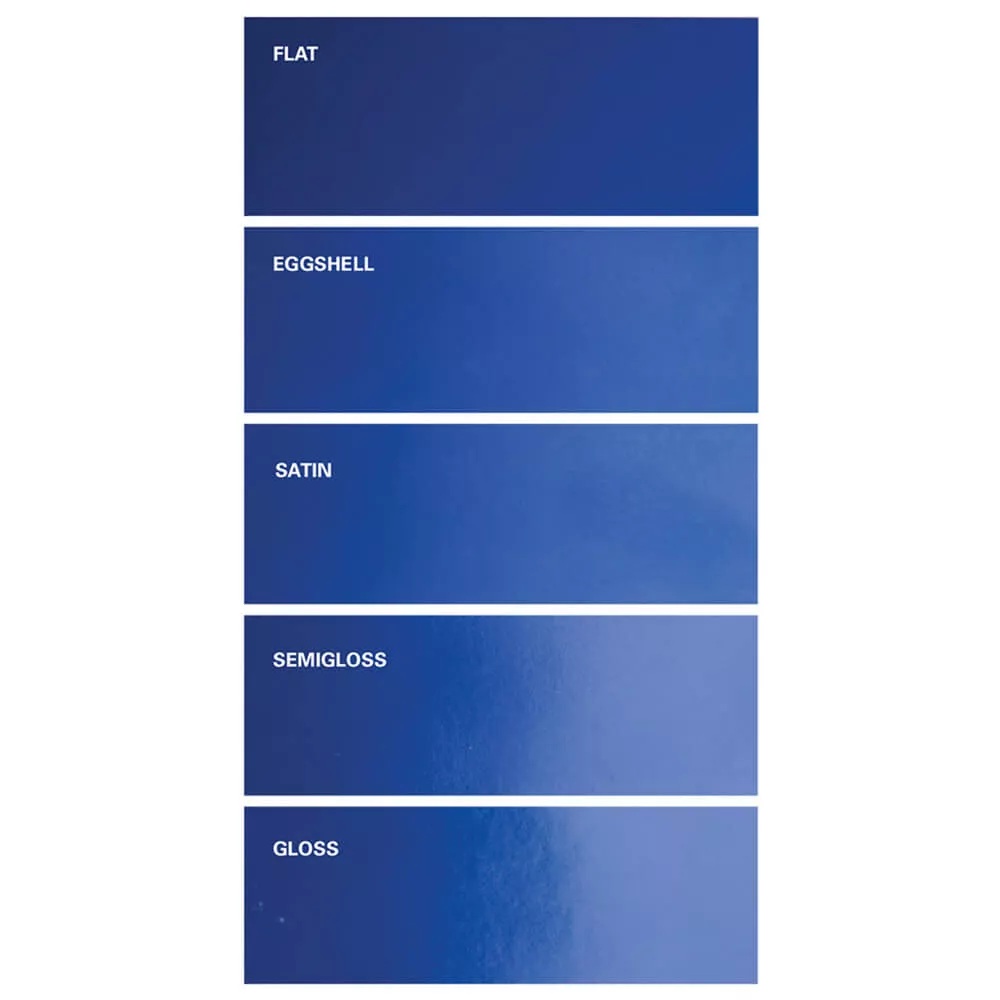
Paint sheen is measured by the percentage of light it reflects, with standards outlined by the University of Minnesota Extension ranging from 0% for flat/matte to 90%+ for high-gloss. Each level offers distinct tradeoffs between aesthetics, durability, and ease of maintenance:
| Sheen Level | Gloss % (Light Reflection) | Durability | Best Use Case | Cleanability |
|---|---|---|---|---|
| Flat/Matte | 0-5% | Low | Low-traffic kitchen walls, ceilings | Poor: stains absorb easily, spot-cleaning can leave marks |
| Eggshell | 10-25% | Medium | Standard kitchens with moderate traffic | Good: wipes clean with mild soap and water |
| Satin | 30-50% | Medium-High | Busy family kitchens, walls near cooktops | Excellent: resists grease and moisture, scrubbable |
| Semi-Gloss | 55-70% | High | High-moisture areas, walls behind sinks, trim | Excellent: handles heavy scrubbing and strong cleaners |
| High-Gloss | 85%+ | Very High | Accent walls, trim, small galley kitchens | Excellent: extremely resistant to stains and moisture |
Older flat and matte paints were notoriously difficult to clean, but 2026 washable matte formulas are engineered with stain-blocking technology that lets you spot-clean grease splatters without leaving marks, making them a viable option for low-traffic kitchens or homes that rarely cook from scratch. Eggshell sits between matte and satin, with a soft, velvety finish that hides minor wall imperfections like small nail holes or uneven plaster better than higher-sheen options. For more on this, see our guide on what finish for kitchen walls.
Satin is the most versatile sheen for most kitchens, with a soft, low-luster shine that brightens dark corners without creating harsh glare. Its durable, wipeable surface holds up to daily splashes, sticky fingerprints, and light scrubbing, making it ideal for family homes or busy cooks.
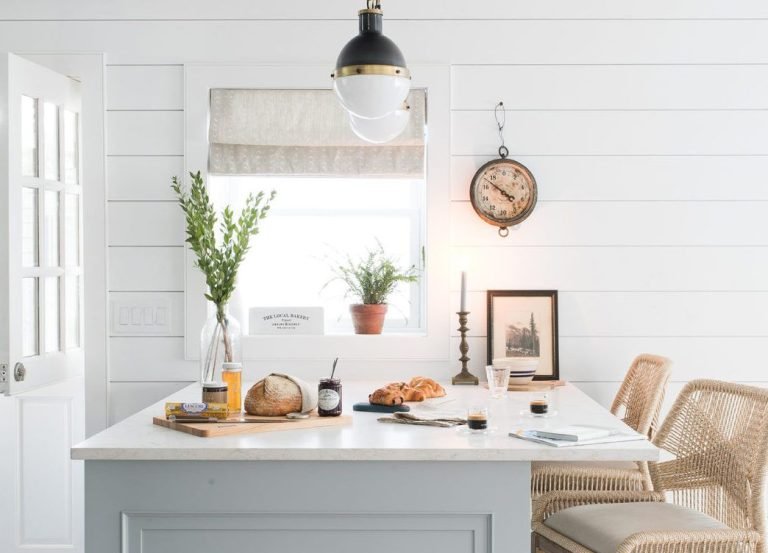
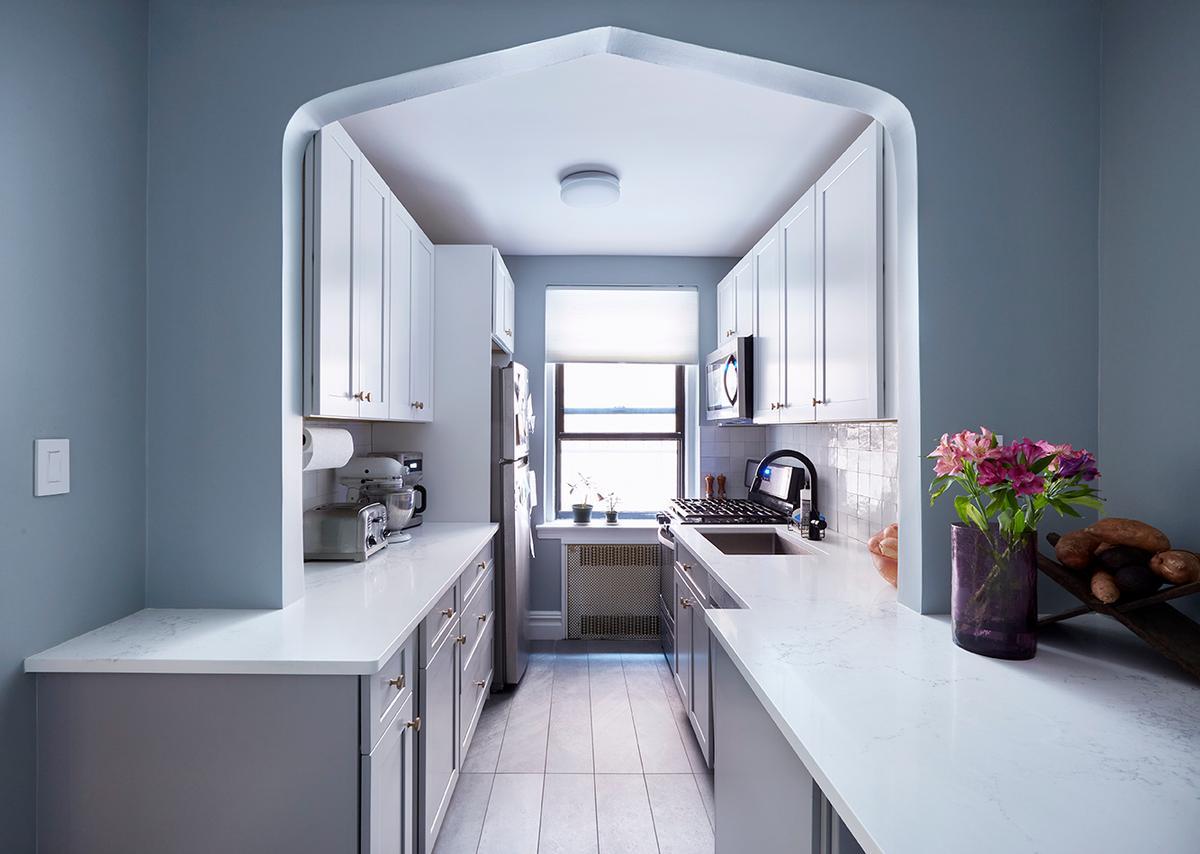 Satin sheen reflects enough light to brighten cooking areas without harsh glare
Image source: www.blockrenovation.com
Satin sheen reflects enough light to brighten cooking areas without harsh glare
Image source: www.blockrenovation.com
Semi-gloss has a noticeable, but not overpowering, shine that reflects light to make small kitchens feel more open. Its hard, smooth surface repels grease, moisture, and steam, so it’s the top pick for walls directly behind stoves, sinks, or dishwashers. For more on this, see our guide on what finish paint for kitchen walls.
High-gloss creates a mirror-like, reflective finish that’s perfect for accent walls in modern or industrial kitchens, or for trim and cabinet fronts. It’s extremely durable, but its reflective surface will highlight every bump, brush stroke, and wall imperfection, so it’s rarely recommended for full kitchen wall coverage unless your walls are perfectly smooth.
Key Factors That Determine the Best Sheen For Your Kitchen
No single sheen works for every kitchen. Weigh these key factors to pick a finish that aligns with your space’s unique needs:
Daily Kitchen Use And Traffic
If you cook from scratch most nights, have young kids, or host frequent dinner parties, you’ll want a higher-sheen finish that can stand up to frequent cleaning and splatters. For low-use kitchens (e.g., a vacation home or a space used mainly for coffee and light meal prep), matte or eggshell are perfectly suitable.
Lighting Conditions
North-facing kitchens with limited natural light benefit from low-sheen matte or eggshell finishes, which reduce harsh glare from overhead artificial lighting. South- or west-facing kitchens with abundant natural light can handle higher sheens like satin or semi-gloss, which will amplify natural brightness without feeling overwhelming.
Cabinet And Fixture Coordination
Your wall sheen should complement your cabinet and hardware finishes for a cohesive look. For example, if you have high-gloss white cabinets, a satin or eggshell wall finish will create subtle contrast without clashing. If you’re working with bold cabinet hues like forest green or warm wood tones, coordinating your wall sheen with your paint shade for green cabinetry or color palette for brown cabinetry will tie the whole space together.
Wall Condition
If your walls have visible cracks, bumps, or uneven plaster, a low-sheen matte or eggshell finish will hide these flaws far better than glossy options, which will amplify every imperfection. For perfectly smooth, freshly drywalled walls, you have more flexibility to choose higher sheens without worrying about visible texture.
Moisture Exposure
Kitchens near steamy showers, or with poor ventilation, will benefit from moisture-resistant semi-gloss or high-gloss finishes that won’t absorb humidity or grow mold. If you have a range hood that vents directly outside, moisture risk is lower, so you can opt for lower-sheen finishes for a softer look.
Sheen Recommendations By Kitchen Style
Matching your sheen to your kitchen’s design aesthetic will elevate the space without sacrificing function:
Modern Minimalist
Clean lines and uncluttered surfaces are the hallmark of modern minimalist kitchens, so a low-luster satin or soft semi-gloss finish enhances the sleek, streamlined vibe without adding visual noise. Avoid high-gloss full walls here, as the harsh reflections can clash with the understated aesthetic. For a subtle pop, use high-gloss on a single accent wall behind the range.
Traditional
Traditional kitchens with ornate crown molding, wood cabinetry, or vintage tile work shine with satin or eggshell finishes, which add a soft, warm glow that highlights architectural details without overwhelming classic design elements. These sheens are also durable enough to handle the occasional splatter from baking or holiday cooking.
Rustic/Farmhouse
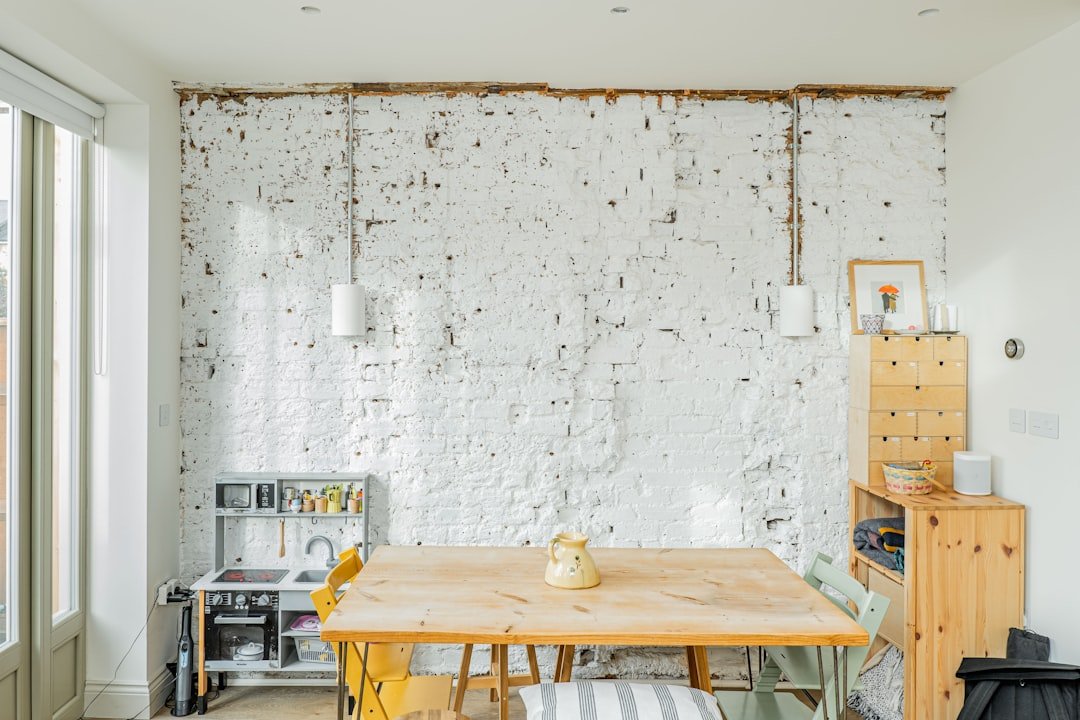
Matte or flat finishes are ideal for rustic and farmhouse kitchens, where a cozy, lived-in feel is the goal. These low-sheen options hide the minor imperfections common in older homes (like uneven plaster or visible nail holes) and create a soft, inviting backdrop for wood beams, shiplap, and stone accents. For extra depth, opt for a textured matte paint that mimics the look of limewash.
Small Galley Kitchens
Galley kitchens with limited natural light benefit from satin or semi-gloss finishes, which reflect light to make the narrow space feel larger and more open. Avoid matte finishes here, as they can make small rooms feel dark and cave-like. For an extra brightening effect, pair a light wall color with a semi-gloss sheen.
Step-by-Step Prep and Application For a Flawless Finish
Even the highest-quality paint will look uneven or peel prematurely if applied to a poorly prepped surface. Follow these steps for a professional, long-lasting finish:
Pre-Painting Prep
A smooth, clean surface is non-negotiable for a consistent sheen. Start by clearing the room of all furniture, then remove wall-mounted hardware, including removing wall-mounted faucets first to avoid paint splatters on metal finishes. Next, wash walls with a degreaser to remove built-up kitchen grease, sand any rough spots or existing peeling paint, and spot-prime any repaired areas. If your home was built before 1978, follow EPA lead paint safety guidelines during sanding to avoid disturbing hazardous lead dust.
Application Best Practices
Use a high-quality synthetic brush or roller designed for your chosen sheen to avoid streaks and lap marks. For satin, semi-gloss, and high-gloss finishes, a foam roller will create an ultra-smooth, streak-free surface. Apply paint in thin, even coats, allowing 2-4 hours of drying time between coats (longer in humid kitchens). Rushing to apply a second coat will result in an uneven sheen and peeling over time.
Curing and Maintenance
Wait 7-14 days for full paint curing before cleaning walls for the first time, even if the paint feels dry to the touch. For daily cleaning, use a soft microfiber cloth and mild dish soap for matte/eggshell finishes, and a gentle all-purpose cleaner for satin, semi-gloss, and high-gloss. Avoid abrasive scrubbers, which can scratch glossy finishes and leave marks on matte paint.
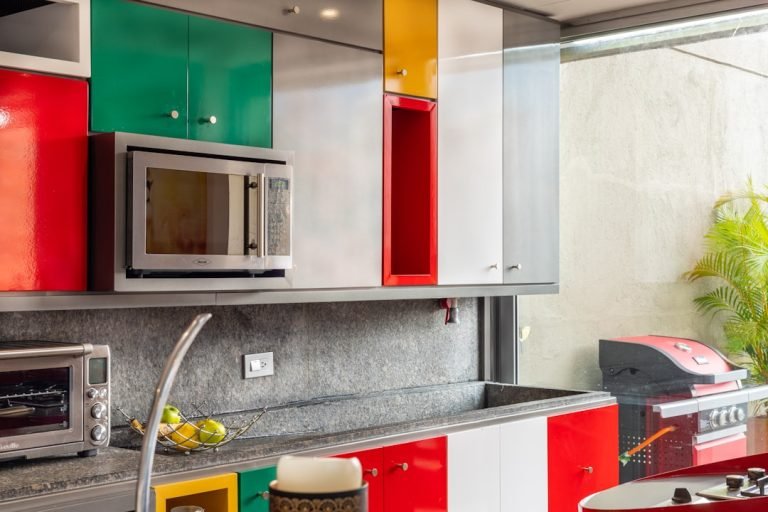
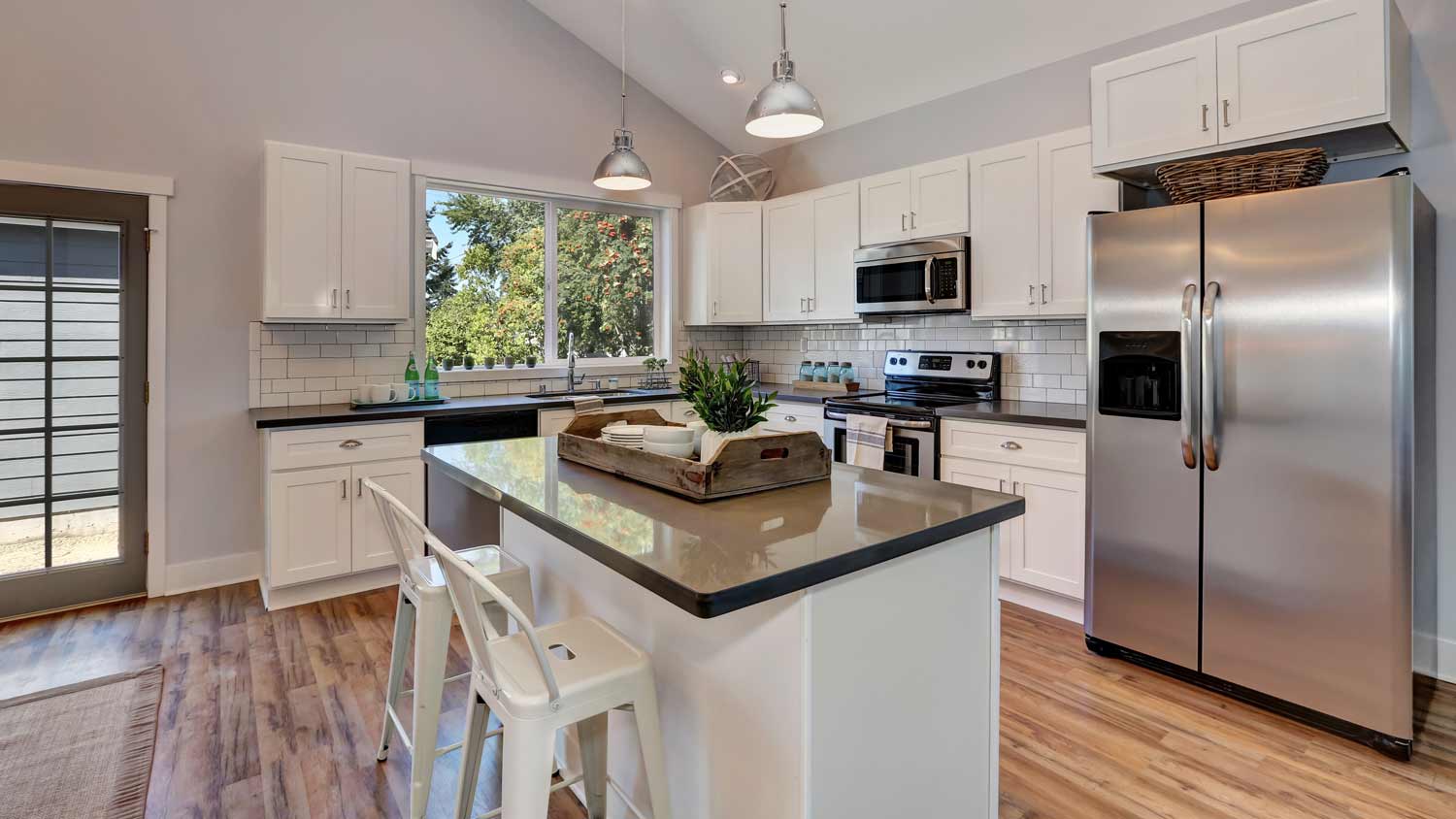 Semi-gloss finishes stand up to frequent scrubbing from kitchen messes
Image source: www.angi.com
Semi-gloss finishes stand up to frequent scrubbing from kitchen messes
Image source: www.angi.com
Common Sheen Selection Mistakes To Avoid
In practice, most homeowners run into the same avoidable pitfalls when selecting kitchen wall sheen:
Choosing Sheen Based Solely On Trend
High-gloss walls were a popular trend in the early 2020s, but they’re rarely practical for full kitchen walls in most homes. Before picking a finish, prioritize your kitchen’s daily use and layout over temporary design trends to avoid ending up with a space that’s frustrating to maintain.
Ignoring Existing Hardware And Finish Contrast
Pairing a high-gloss wall with matte cabinet hardware, or a matte wall with polished nickel faucets, can create a disjointed, unbalanced look. Test paint samples on your wall next to your cabinets, countertops, and hardware to see how the sheen interacts with existing finishes in different lighting throughout the day.
Skipping Sample Tests
Paint always looks different on your wall than it does on a small swatch card. Buy sample pots of your top 2-3 sheen options, paint 2×2 foot sections on different walls, and evaluate them in morning, afternoon, and evening light before making a final decision. This small step will save you from a costly, frustrating repaint.
Overlooking Ventilation Needs
If your kitchen has poor ventilation and frequent steam from cooking, a matte or flat finish will absorb moisture and develop mold or peeling within a year. Always prioritize moisture-resistant higher sheens in poorly ventilated spaces, even if you prefer the look of low-sheen paint.
 Matte sheen hides wall imperfections for a soft, cozy look
Image source: www.craftsmanpainters.com
Matte sheen hides wall imperfections for a soft, cozy look
Image source: www.craftsmanpainters.com
Frequently Asked Questions
What paint sheen is best for kitchen walls?
Satin and eggshell are the most versatile, low-maintenance options for most kitchens. Satin offers higher durability and cleanability for busy family homes, while eggshell provides a softer, more subtle look for low-traffic spaces. Avoid flat/matte finishes unless your kitchen sees very little use, as they absorb stains and are difficult to clean.
Can I use high-gloss paint on full kitchen walls?
Yes, but it’s rarely recommended for full wall coverage in standard kitchens. High-gloss amplifies every wall imperfection, from small bumps to brush strokes, and creates harsh glare that can be straining during long cooking sessions. It’s better reserved for accent walls, trim, or cabinet fronts in modern or industrial-style kitchens.
Is eggshell sheen durable enough for kitchen walls?
Yes, modern eggshell paints are formulated with stain-blocking and moisture-resistant additives that make them suitable for standard kitchen use. They withstand light cleaning and occasional splatters, and their low luster hides wall flaws better than higher-sheen options. For kitchens with heavy traffic or frequent cooking, opt for satin for extra durability.
Why does my satin paint look shiny in some lighting and dull in others?
This is a normal effect of sheen, which is designed to reflect light. Direct sunlight or bright overhead lighting will make satin appear more glossy, while dim, indirect light will make it look more muted. Test samples in your kitchen’s actual lighting at different times of day to confirm the sheen level works for your space.
Conclusion
Choosing the right sheen for your kitchen walls doesn’t have to be overwhelming. For most homeowners, satin or eggshell offer the best balance of style, durability, and easy maintenance, while higher-sheen semi-gloss and high-gloss options work well for high-moisture areas or accent walls. Always factor in your kitchen’s lighting, traffic, cabinet finishes, and wall condition before making a final choice, and test samples in your space to avoid surprises. Ready to find your perfect finish? Grab sample pots of your top 2-3 sheen options, paint test patches on your wall, and evaluate them over 24 hours in different lighting before committing to a full gallon.