What Type of Paint to Use for Kitchen Walls: Expert Tips Revealed
Choosing the right paint for your kitchen walls goes far beyond picking a pretty color. The kitchen is the highest-traffic, most high-maintenance room in most homes, exposed to daily grease splatters, boiling water steam, sticky fingerprints, and frequent scrubbing. The wrong paint will peel, stain, or fade within a year, costing you time and money on constant touch-ups. The right formula, however, will keep your walls looking fresh for 3-5 years between repaints, even with heavy use. We’ve tested and evaluated dozens of kitchen paint options to share actionable, up-to-date guidance for 2026, no fluff, just expert tips to help you make the best choice for your space.
Core Factors That Make Kitchen Paint Different From Other Rooms
Standard living room paint isn’t built to stand up to the unique demands of a kitchen. Before you pick a finish or formula, evaluate these four non-negotiable factors to narrow down your options:
Moisture and grease load
Kitchens produce far more humidity and airborne grease than any other indoor space, especially if you cook daily. Steam from boiling pasta, roasting meat, and running the dishwasher raises humidity levels by 20-30% compared to other rooms, while tiny grease particles settle on walls over time. Paint that isn’t formulated to resist moisture will bubble, peel, or develop mold within months of application.
Scrubbing and scratch resistance
If you wipe down your kitchen walls weekly (as most homeowners do to remove splatters and grime), you need a paint that can hold up to repeated scrubbing without losing its sheen or color. Low-durability matte finishes will show wear and fading after just a few cleanings, while high-scrubbable formulas are rated to withstand 100+ scrub cycles without damage.
Indoor air quality safety
Since you prepare food in your kitchen, you’ll want to avoid paints that release harmful volatile organic compounds (VOCs) during and after application. High-VOC paints can trigger headaches, allergy flare-ups, and asthma symptoms, which is especially risky for children, pets, and people with respiratory conditions.
Surface compatibility
Older kitchens may have glossy existing paint, water damage, or existing grease stains that require a specialized primer for new paint to adhere properly. Painted drywall, plaster, and brick all require different primer types for optimal results.
Paint Finishes Ranked By Suitability For Kitchen Walls
Not all paint finishes are created equal for kitchen use. Below is a comparison of the most common options, ranked by how well they perform in high-moisture, high-traffic kitchen environments:
| Finish | Sheen Level | Durability | Scrubbability Rating | Ideal Kitchen Use Case |
|---|---|---|---|---|
| Matte | 0-5% | Low | 1-2 (light dusting only) | Low-traffic accent walls, pantries |
| Eggshell | 10-25% | Medium | 3-4 (light wiping) | Guest kitchens, low-use cooking spaces |
| Satin | 25-35% | High | 5-6 (regular scrubbing) | Most home kitchen walls, general use |
| Semi-gloss | 40-55% | Very High | 7-8 (heavy scrubbing) | Behind sinks, stoves, backsplashes, trim |
| Satin finish is the sweet spot for 80% of home kitchens: it has a soft, low-luster sheen that hides minor wall imperfections (like small holes or uneven drywall) far better than semi-gloss, while still resisting regular scrubbing and grease stains. Reserve semi-gloss for high-splash zones directly behind your sink, stove, or dishwasher, where maximum moisture and stain resistance is non-negotiable. | ||||
| A common mistake homeowners make is choosing semi-gloss for all kitchen walls to make cleaning easier, only to find that the high sheen highlights every wall imperfection and creates an overly shiny, institutional look. Satin delivers the same practical benefits with a softer, more residential finish. | ||||
 |
||||
| Side-by-side satin and semi-gloss paint swatches next to a white tile backsplash | ||||
| Credit: www.walmart.com |
Top Paint Types For 2026 Kitchen Walls
Once you’ve selected a finish, choose a paint formula built to stand up to kitchen conditions. Below are the most common options, updated for 2026 regulations and performance standards:
Water-Based Acrylic Latex (The Standard For 90% Of Home Kitchens)
Acrylic latex is the most popular kitchen paint choice for good reason: it’s low-VOC per 2026 EPA standards, dries to the touch in 1-2 hours, and has a flexible formula that resists cracking from temperature fluctuations between hot cooking and cooler room temperatures. Most modern acrylic latex lines for kitchens include built-in mildew and stain inhibitors, eliminating the need for separate additives. The only downside is that standard acrylic latex has lower stain resistance than premium blends for heavy grease splatters from frying.
Premium Scrubbable Acrylic Blends
If you cook frequently or have young children who touch walls with sticky hands, opt for a premium scrubbable acrylic blend. These formulas are engineered with extra acrylic polymers and stain blockers, and are rated to withstand 100+ scrub cycles per Paint Quality Institute standards without fading or losing sheen. They cost 15-20% more than standard acrylic latex, but the extended durability makes them a worthwhile investment for high-use kitchens.
Oil-Based Paint (Niche Use Cases Only)
As of 2026, most U.S. states restrict oil-based indoor paints to low-VOC formulas (≤50g/L) due to air quality regulations, so they are far less common than they were a decade ago. Oil-based paint offers superior durability and a smooth, glass-like finish, making it ideal for high-traffic kitchen trim, cabinet exteriors, or commercial-style home kitchens. The downsides are significant, however: it has strong fumes during application, requires 4-6 hours of drying time between coats, and needs solvent-based (mineral spirits) cleanup. It’s not recommended for standard drywall kitchen walls in most residential settings.
Mold and Mildew Resistant Paint
For windowless kitchens, homes in humid climates, or spaces without a venting range hood, mold and mildew resistant paint is a smart add-on. These formulas are infused with mildewcides that prevent mold growth even when exposed to regular steam and humidity. Note that this paint is not a substitute for proper ventilation: always use a range hood that vents to the exterior when cooking to reduce excess moisture.
Durability And Long-Term Maintenance Best Practices
Even the highest-quality kitchen paint will only last as long as you maintain it properly. Follow these expert tips to extend the life of your paint job and keep walls looking fresh:
Cleaning Do's And Don'ts
Only use a soft microfiber cloth and mild dish soap for daily spills and splatters. For tough grease spots on satin or semi-gloss finishes, a magic eraser works well, but avoid rubbing too hard to prevent wearing down the paint’s protective layer. Never use abrasive scrubbers, bleach, ammonia-based cleaners, or scouring pads, as these will break down the paint’s finish and cause fading within months. Always test any cleaner in an inconspicuous spot (like behind a cabinet) first to check for discoloration.
Moisture And Mold Prevention
Pair your paint choice with a working range hood that vents to the exterior, not just recirculates air, to cut down on grease and humidity buildup. If you notice small mold spots on walls, treat them with a 50/50 bleach and water solution, let dry completely, then prime and repaint with a mold-resistant formula to prevent regrowth.
Touch-Up Tips For Seamless Results
Keep leftover paint labeled with the room name, color code, and date of application in a cool, dry place. For small touch-ups (under 2 inches wide), dab paint on the spot with a small brush rather than rubbing, to avoid creating a raised patch. For larger touch-ups, repaint the full wall section to avoid color mismatch from sun fading over time.
Color Selection That Balances Style And Practicality
The right kitchen paint color should complement your cabinets, appliances, and lighting, while also hiding everyday wear and tear. Keep these expert considerations in mind when choosing a shade:
How Lighting Affects Paint Color
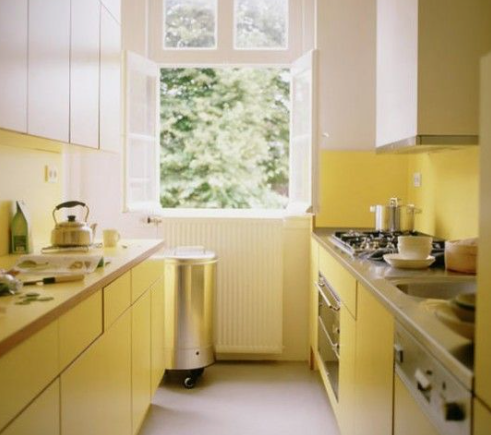
North-facing kitchens with cool, dim natural light will make warm undertones (like greige or soft terracotta) look dull and muted, so opt for cool-toned neutrals or soft blues to keep the space feeling bright. South-facing kitchens with warm, abundant natural light can handle cool undertones without feeling cold. If you use LED lighting (which has a cooler cast than incandescent), test 2-3 large paint swatches on your wall and leave them up for 24 hours to see how they look in morning, afternoon, and evening light.
Colors That Hide Grease And Stains
Pure white is the most popular kitchen paint color, but it shows every grease splatter from frying and every handprint from kids. For kitchens where you cook frequently, opt for warm off-whites, light greiges, or soft pastels that hide minor stains while still feeling open and bright. Medium-tone colors like sage green, warm taupe, and muted navy hide dirt and splatters far better than dark or super light shades, while still feeling cozy and inviting.
2026 Trending Kitchen Paint Colors (That Are Also Practical)
Soft sage green, warm greige, muted terracotta, and pale dusty blue are the most popular 2026 kitchen paint colors, per industry design surveys. All have medium undertones that hide minor stains while feeling fresh and modern, making them ideal for homeowners who want a trendy space without constant maintenance.
If you’re coordinating your new wall color with green cabinetry, our guide to green kitchen cabinet wall pairings has 12 foolproof palettes to tie the space together. For warm brown cabinet kitchens, check out our brown cabinet wall color schemes for cohesive, stylish options.
 Close-up of matte (left) and satin (right) paint finishes on a sample board
Credit: www.jswpaints.in
Close-up of matte (left) and satin (right) paint finishes on a sample board
Credit: www.jswpaints.in
Eco-Friendly And Low-VOC Paint Options For Safe Food Prep Spaces
Low-VOC and zero-VOC paints are no longer just a niche option for eco-conscious homeowners: as of 2026, most major paint brands offer low-VOC lines with the same durability and coverage as conventional paints, at little to no extra cost.
What Low-VOC And Zero-VOC Mean In 2026
Per EPA guidance on low-VOC paint standards, low-VOC paints contain <50 grams of volatile organic compounds per liter, while zero-VOC paints have <5g/L. These low emissions reduce headache, allergy, and asthma triggers, which is critical in kitchens where you prepare food and children may touch walls with unwashed hands.
Certifications To Look For
Greenguard Gold certification ensures paints meet strict chemical emission limits for use in schools and healthcare facilities, making them ideal for family kitchens. Green Seal certification verifies low VOC content, sustainable manufacturing practices, and no harmful heavy metals like lead or mercury.
Top 2026 Low-VOC Kitchen Paint Picks
- Benjamin Moore Natura: Zero-VOC, Greenguard Gold certified, available in a scrubbable satin finish
- Sherwin-Williams Harmony: Low-VOC, odor-eliminating technology, mildew resistant for high-humidity kitchens
- Clare Paint: Zero-VOC, non-toxic, pre-mixed colors with no hidden additives, shipped directly to your door
- ECOS Paints: Zero-VOC, free of heavy metals and formaldehyde, offers custom color matching for existing decor
Step-By-Step Expert Painting Preparation And Application
Even the highest-quality paint will fail if applied to an improperly prepped surface. Follow these expert steps to ensure your kitchen paint job lasts for years:
Pre-Painting Prep (The Step Most Homeowners Skip)
- Degrease all walls with a trisodium phosphate (TSP) substitute, as traditional TSP is banned for residential use in multiple U.S. states as of 2026 due to water pollution concerns. Rinse thoroughly with clean water and let dry completely to ensure paint adheres properly.
- Fill holes, cracks, and gouges with a flexible spackle, sand smooth with 120-grit sandpaper, and wipe away dust with a tack cloth to avoid bumpy texture under paint.
- Apply a stain-blocking primer if you’re covering dark colors, existing grease stains, or previously unpainted drywall. For walls with existing mold, use a mold-resistant primer first to prevent regrowth.
- Tape off trim, ceilings, and backsplashes with painter’s tape, and lay drop cloths to protect floors and countertops. If you have wall-mounted fixtures like faucets, remove them first using our step-by-step removal guide to avoid paint buildup around edges.
Application Tips For A Flawless Finish
- Stir paint gently for 2-3 minutes before use; don’t shake the can to avoid creating air bubbles that will show up in the final finish.
- Use a 3/8" nap roller cover for satin and semi-gloss finishes to avoid lap marks and heavy texture.
- Paint in 3×3 foot sections, working from top to bottom, to maintain a wet edge and avoid visible lines between coats.
- Apply two thin coats rather than one thick coat, letting each coat dry fully (1-2 hours for acrylic latex at 70°F, 50% humidity) before applying the next.
- Remove painter’s tape while the paint is still slightly tacky to avoid peeling dried paint off the wall.
 Even paint application with a roller prevents lap marks on kitchen walls
Credit: www.jswpaints.in
Even paint application with a roller prevents lap marks on kitchen walls
Credit: www.jswpaints.in
Frequently Asked Questions
What is the best paint finish for kitchen walls?
For most home kitchens, satin is the top pick: it has enough sheen to hide minor wall imperfections better than semi-gloss, resists regular scrubbing, and wipes clean easily for grease and splatter removal. Reserve semi-gloss for high-splash zones directly behind sinks, stoves, and backsplashes, where maximum moisture and stain resistance is needed.
Can I use oil-based paint in my kitchen?
Yes, but with caveats: as of 2026, many U.S. states restrict oil-based indoor paints to low-VOC formulas due to air quality regulations, so check local availability first. Oil-based paint offers superior durability and stain resistance for high-traffic areas, but it has strong fumes during application, requires 4-6 hours of drying time between coats, and needs solvent-based cleanup. It’s best reserved for trim, cabinet exteriors, or commercial-style kitchen walls, not standard drywall.
How do I choose kitchen paint colors that work with my space?
Start by testing 2-3 large paint swatches on your wall, leaving them up for 24 hours to see how they look in morning and evening light. Match the undertone of your paint to the undertone of your cabinets: cool undertones pair with cool-toned cabinets (gray, white, blue), warm undertones pair with warm-toned cabinets (brown, cream, red). If you cook frequently, avoid pure white, which shows grease splatters easily.
Is mold-resistant paint necessary for kitchen walls?
It’s highly recommended, especially for windowless kitchens, homes in humid climates, or kitchens without a venting range hood. Mold-resistant paint is infused with mildewcides that prevent mold growth even when exposed to regular steam and humidity. Note that it is not a substitute for proper ventilation: always use a range hood that vents to the exterior when cooking to reduce excess moisture.
Final Expert Recommendations
The right kitchen paint balances durability, aesthetics, and safety for your household. For most home cooks, a scrubbable satin acrylic latex paint offers the best mix of easy cleaning, stain resistance, and a soft, modern sheen that hides minor wall flaws. Pair it with a medium-tone color that matches your cabinet undertones and lighting for a space that looks great for years between repaints. If you’re completing a full kitchen refresh, coordinate your new wall color with your existing cabinet style: our guides to green kitchen cabinet wall pairings and warm brown cabinet wall color schemes will help you create a cohesive, inviting space. For DIY painters, proper prep is non-negotiable: degrease walls, use a stain-blocking primer if needed, and apply two thin coats for the longest-lasting finish. Have a question about kitchen paint or a full home refresh? Drop a comment below, or browse our library of home improvement guides for more expert tips.