How Much to Tile a Kitchen Wall: Ultimate Cost Guide 2025
Tiling your kitchen wall is one of the most high-impact, budget-friendly upgrades you can make, whether you’re installing a small subway tile backsplash, a decorative feature wall behind your stove, or a full floor-to-ceiling accent wall. Costs can range from as little as $300 for a small DIY project to $3,600+ for a large, pro-installed natural stone wall, with dozens of variables affecting your final price tag.
This guide breaks down every cost factor, hidden fees, DIY vs. professional tradeoffs, and 2025 design trends to help you budget accurately, avoid surprise expenses, and get a finished result that lasts for decades. For more on this, see our guide on how much does it cost to tile a.
 Sage green metro tiles are a popular, budget-friendly choice for kitchen backsplashes in 2025.
Credit: www.tilemountain.co.uk
Sage green metro tiles are a popular, budget-friendly choice for kitchen backsplashes in 2025.
Credit: www.tilemountain.co.uk
Key Factors That Drive Kitchen Wall Tiling Costs
The total cost of tiling a kitchen wall depends on six core variables: your chosen tile material, the total size of the area to be tiled, the condition of your existing walls, the complexity of your desired pattern, local labor rates, and any extra supplies or prep work required. Understanding each of these factors will help you create a realistic budget and avoid unexpected mid-project costs.
Tile Material Costs
Tile choice is the single biggest driver of your total project cost, with materials ranging from $1 to $40+ per square foot in 2025. The most common options for kitchen walls include:
- Standard ceramic tile: $1–$6 per square foot. The most affordable, versatile option, ceramic tile is stain-resistant, easy to clean, and available in endless colors, sizes, and finishes. It’s ideal for both small backsplashes and full kitchen walls.
- Porcelain tile: $3–$12 per square foot. Denser and more water/heat-resistant than ceramic, porcelain is a durable choice for walls behind stoves or sinks. Large-format porcelain tiles (24×24 inches or larger) are a popular 2025 trend for their seamless, modern look.
- Glass tile: $8–$35 per square foot. Reflective and waterproof, glass tile brightens dark kitchen spaces and works well for decorative backsplashes. Avoid unrated glass for areas directly behind high-heat stoves, as it can crack under extreme temperature changes.
- Natural stone tile (marble, slate, travertine): $6–$25 per square foot. Offering unique, organic textures and colors, natural stone adds luxury to accent walls. It requires regular sealing to prevent stains and water damage, adding to long-term maintenance costs.
- Specialty artisanal tiles (zellige, terrazzo, handmade ceramic): $10–$40+ per square foot. One-of-a-kind, handcrafted tiles create a custom, high-end look, but their irregular shapes require skilled installation, driving up labor costs significantly.
When selecting tile, consider how it will pair with your existing cabinetry: cool-toned grey or green tiles work beautifully with pairing with green cabinetry, while warm beige or terracotta tiles complement pairing with warm wood cabinetry for a cohesive design. For more on this, see our guide on how much does it cost to open a.
Labor and Installation Variables
If you hire a professional tile installer, labor costs make up 40–60% of your total project budget. In 2025, average labor rates range from $4–$12 per square foot in rural areas and the Midwest to $8–$20 per square foot in coastal cities and high-cost-of-living regions. Most professional quotes include surface preparation, tile installation, grouting, and cleanup, but always confirm what’s included upfront to avoid surprise fees.
Complex layouts add 20–50% to standard labor costs, as they require more precise cutting and placement. Diagonal layouts, herringbone and chevron patterns, and mosaic sheets all take longer to install than a straight, grid-aligned layout. The National Kitchen and Bath Association recommends hiring a certified tile installer for complex designs to ensure proper alignment and long-term durability.
Hidden Costs Many Homeowners Overlook
The biggest source of budget overruns for kitchen tiling projects is unplanned prep work and fees. Common hidden costs include:
- Old surface removal (old tile, wallpaper, or peel-and-stick backsplash): $1–$3 per square foot
- Surface repair (patching holes, fixing water damage, replacing rotted drywall): $2–$5 per square foot
- Waterproofing (required for walls within 6 inches of sinks, stoves, or dishwashers per residential building codes): $1–$2 per square foot
- Backer board installation (for uneven walls or to meet waterproofing requirements): $1–$3 per square foot
- Electrical/plumbing adjustments (moving outlets, extending gas lines for stoves): $75–$300 per fixture
- Permit fees (required for full-wall renovations that alter utilities): $50–$200, varies by location
- Debris disposal for old tile and construction waste: $100–$300
Per guidance from the University of Minnesota Extension, skipping waterproofing to save money is a common mistake that can lead to mold and water damage behind tile, costing thousands to repair later.
DIY vs. Professional Installation: Full Cost and Tradeoff Breakdown
Deciding between a DIY project and professional installation depends on your skill level, the size and complexity of your project, and how much risk you’re willing to take on. Both options have clear tradeoffs in cost, time, and long-term quality.
DIY Project Costs
A DIY kitchen wall tiling project only requires you to pay for materials and tool rental/purchase. Material costs range from $2–$25 per square foot, depending on your chosen tile, plus $0.50–$2 per square foot for grout, adhesive, spacers, and sealant. If you don’t already own tiling tools, renting a wet saw, tile cutter, level, and trowel costs $50–$150 for a weekend, while buying tools outright costs $100–$300.
In practice, DIY tiling is only cost-effective for small, simple projects like a 15 square foot straight-lay subway tile backsplash. A common DIY mistake is not accounting for tile thickness around electrical outlets, which leads to uneven grout lines and exposed gaps that trap moisture. These errors often cost more to fix than hiring a professional upfront.
Professional Installation Costs
Professional labor costs range from $5–$20 per square foot, and almost always include surface preparation, installation, grouting, cleanup, and a 1–5 year workmanship warranty that covers issues like tile popping or grout failure. Pros also have access to commercial-grade tools and bulk tile discounts that can offset some of the upfront labor cost.
Time and Quality Tradeoffs
A DIY 30 square foot backsplash takes 2–3 weekends for a beginner, including time for planning, cutting tiles, and waiting for adhesive and grout to cure between steps. A professional can complete the same project in 1–2 days, with minimal disruption to your kitchen. Professional installations also carry a far lower risk of long-term issues like water damage or uneven tile, which can save you thousands in repairs down the line.
 A range of tile materials, from affordable ceramic to high-end glass, suit different kitchen styles and budgets.
Credit: www.amazon.ca
A range of tile materials, from affordable ceramic to high-end glass, suit different kitchen styles and budgets.
Credit: www.amazon.ca
How to Calculate Your Total Project Cost (Step-by-Step)
To avoid surprise expenses, follow this simple step-by-step process to estimate your total project cost:
- Measure your wall space: Multiply the width and height of each section you plan to tile, then subtract the area of windows, outlets, and cabinets that won’t be covered. For a standard 10-foot wide backsplash that’s 18 inches high, this equals 10 x 1.5 = 15 square feet.
- Add a waste factor: Add 10% extra tile to your total for cuts and breakage for straight lay layouts, or 15% for complex patterns like herringbone.
- Calculate material costs: Multiply your total square footage (including waste) by the per-square-foot cost of your chosen tile, then add $0.50–$2 per square foot for grout, adhesive, spacers, and sealant.
- Add prep and labor costs: Multiply your base square footage (without waste) by the cost of required prep work (removal, repair, waterproofing) and your local labor rate.
- Factor in extra fees: Add permit costs, disposal fees, and any fixture adjustment costs to your total.
Sample 2025 Cost Calculation
For a 30 square foot medium kitchen wall (counter to upper cabinets, straight-lay ceramic tile, professional installation in a mid-cost-of-living area):
- Base square footage: 30 sq ft
- 10% waste factor: 3 sq ft, total tile needed: 33 sq ft
- Tile cost: 33 sq ft x $3/sq ft = $99
- Grout/adhesive/sealant: 30 sq ft x $1/sq ft = $30
- Prep costs (removal, waterproofing, backer board): 30 sq ft x $3/sq ft = $90
- Professional labor: 30 sq ft x $10/sq ft = $300
- Debris disposal: $100
- Total project cost: $619
Average Total Cost by Project Type and Kitchen Size
Costs vary significantly based on the size of your project and whether you DIY or hire a professional. The 2025–2026 averages below assume standard ceramic or porcelain tile and mid-range labor rates in the U.S.:
| Project Type | Square Footage | DIY Total Cost | Pro-Installed Total Cost |
|---|---|---|---|
| Small standard backsplash | 15 sq ft | $150–$400 | $300–$700 |
| Medium counter-to-cabinet wall | 30 sq ft | $300–$800 | $600–$1,500 |
| Large full floor-to-ceiling wall | 60 sq ft | $600–$1,800 | $1,200–$3,600 |
| Costs will be higher for natural stone, specialty tiles, or complex layouts, and lower in low-cost-of-living areas or for DIY projects using heavily discounted materials. |
2025 Trends That Impact Kitchen Wall Tiling Costs
2025 kitchen design trends are shaping both the look and cost of wall tiling projects. Keep these trends in mind when budgeting:
- Large-format tiles: 24×24 inch and larger tiles are trending for their minimalist, seamless look, but they require more precise installation and are heavier to handle, driving labor costs 15–25% higher than standard 12×12 tiles. The tradeoff is fewer grout lines, which make cleaning easier and reduce long-term maintenance costs.
- Sustainable and recycled tiles: Tiles made from recycled glass, reclaimed ceramic, or eco-friendly porcelain cost 10–20% more than standard ceramic, but they often have longer lifespans and lower environmental impact, making them a good value for sustainability-focused homeowners.
- Handmade artisanal tiles: Hand-painted zellige, terracotta, and custom ceramic tiles are in high demand for their unique, one-of-a-kind look. Their irregular shapes require 30–50% more labor to install than standard tiles, as each piece needs to be placed and adjusted individually.
- Matte and textured finishes: Matte, concrete-look, and textured tiles are more popular than glossy finishes in 2025, as they hide water spots and smudges better. However, matte finishes are more porous, so they require more frequent sealing, adding $0.10–$0.30 per square foot in long-term maintenance costs.
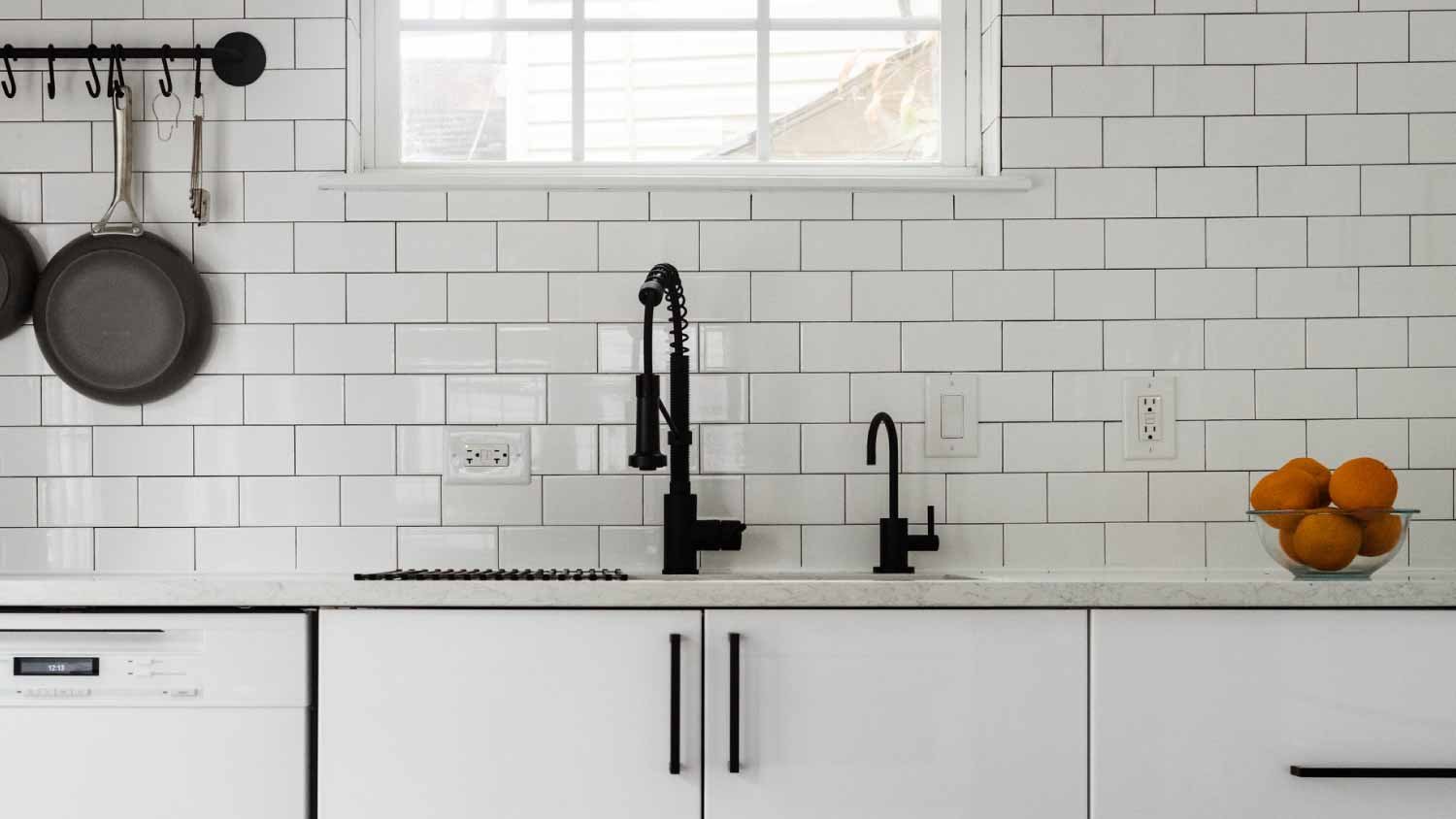
 Professional installation ensures even tile placement and proper waterproofing for long-lasting results.
Credit: www.tilemountain.co.uk
Professional installation ensures even tile placement and proper waterproofing for long-lasting results.
Credit: www.tilemountain.co.uk
Before starting your project, make sure to remove all wall-mounted fixtures, including removing wall-mounted faucets first if you have a kitchen faucet that extends from the wall, to ensure a smooth, even surface for tile adhesion.
Money-Saving Tips That Don’t Sacrifice Quality
You don’t have to break the bank to get a high-quality, stylish tile wall. Use these actionable tips to cut costs without compromising on results:
- Buy open-box or overstock tiles: Local tile liquidators often sell high-quality tiles for 50–70% off retail price, as long as the dye lot matches for your project. Mismatched overstock tiles are also available at steep discounts for small DIY projects.
- Stick to standard tile sizes: 12×12 inch, 3×6 inch subway, and 8×8 inch tiles are the most affordable to install, as they require minimal cutting and less labor. Custom-cut or oddly shaped tiles add 20–30% to both material and labor costs.
- Schedule your project in the off-season: Contractors are less busy in late fall and winter, so you can negotiate 10–20% lower labor rates than peak renovation season (spring and summer).
- Bundle projects for discounts: If you’re planning other kitchen renovations, such as new countertops or cabinet installations, bundle the tiling work with your contractor to get a package discount of 5–15% on total labor costs.
- Skip decorative accents: Border tiles, decorative insets, and listellos add 10–15% to both material and labor costs, but can be omitted for a clean, modern look at a lower price point.
Frequently Asked Questions
How much does it cost to tile a kitchen wall in 2025?
Total costs range from $5 to $35 per square foot, depending on tile material, prep work, and whether you hire a professional. A standard 30 sq ft ceramic tile backsplash installed by a pro costs $600–$1,200 on average in 2025–2026, while a DIY project for the same space runs $300–$700.
What is the cheapest tile option for kitchen walls?
Standard ceramic subway tile is the most budget-friendly choice, costing $1–$6 per square foot for materials. It’s durable, stain-resistant, and available in endless colors and finishes, making it ideal for most kitchen budgets.
Is professional tile installation worth the extra cost?
For most homeowners, yes. Professional installation ensures proper waterproofing, level alignment, and minimal grout lines, which prevents water damage and costly repairs down the line. DIY is only cost-effective if you have prior tiling experience and are working on a small, simple backsplash.
How long does kitchen wall tiling take?
A professional can install a 30 sq ft backsplash in 1–2 days, including prep and grout curing time. A DIY project for the same space will take 2–3 weekends for a beginner, including time for planning, cutting tiles, and waiting for adhesive and grout to set between steps.
Do I need a permit to tile my kitchen wall?
Most standard backsplash installations don’t require a permit, but full-wall tiling that involves moving electrical outlets, plumbing lines, or removing load-bearing wall coverings may require a permit. Check with your local building department to confirm requirements, as permit fees vary by location.
How long does tile last on a kitchen wall?
Properly installed ceramic or porcelain tile can last 20+ years with minimal maintenance. Natural stone tile lasts 15–25 years with regular sealing, while glass and mosaic tiles last 10–20 years depending on use and care.
Conclusion
Tiling your kitchen wall is a high-impact, relatively low-cost upgrade that can elevate your kitchen’s style and add 3–7% to your home’s resale value. To avoid unexpected costs, start by measuring your wall space accurately, get 3 quotes from licensed local tilers if you’re hiring a pro, and always factor in a 10–15% buffer for waste and hidden prep work.
Whether you choose budget-friendly ceramic subway tile or high-end natural stone, a well-installed tile wall will stand up to daily kitchen wear and tear for decades to come. Ready to start your project? Research tile suppliers in your area and request samples to test against your existing cabinetry and countertops before making a final purchase.