How to Choose Kitchen Wall Color: Expert Tips for Stunning Results
Choosing the right color for your kitchen walls can feel overwhelming. With so many options available, it’s easy to feel stuck.
But here’s the secret: the right color can transform your kitchen into a space you love. Imagine walking into your kitchen and feeling instantly at ease or inspired to create delicious meals. Your kitchen is more than just a place to cook; it’s the heart of your home.
By selecting the perfect hue, you can enhance both its function and its feel. Whether you’re aiming for cozy and warm or sleek and modern, this guide will help you make the best choice for your kitchen walls. Curious about the colors that will make your kitchen shine? Let’s dive in and discover the shades that can bring your vision to life.

Credit: www.goodhousekeeping.com
Factors To Consider
Choosing the right kitchen wall color needs careful thought. Several key factors affect how the color looks and feels in your space. Consider these aspects to create a balanced and inviting kitchen.
Lighting Effects
Natural and artificial light change wall colors. Bright sunlight makes colors look lighter. Dim lighting can make colors appear dull. Check your kitchen at different times of day. Test paint samples on your walls to see true color effects.
Kitchen Size
Small kitchens benefit from light colors to feel larger. Dark colors can make small spaces feel cramped. Large kitchens handle bold colors well. Use color to highlight features or create cozy zones.
Cabinet Colors
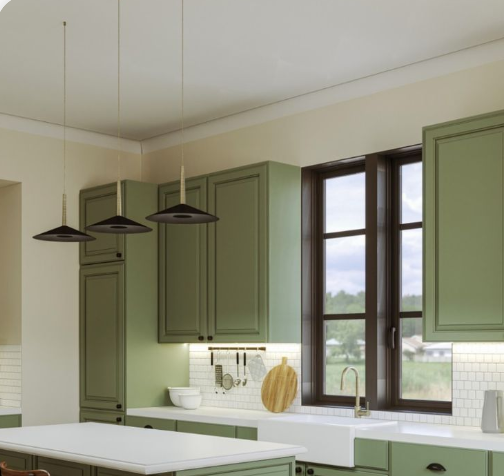
Wall colors must complement cabinet shades. Light cabinets pair well with soft, warm wall tones. Dark cabinets look good with lighter or neutral walls. Match undertones for a harmonious look.
Countertop Materials
Countertops influence wall color choices. Stone or granite counters have natural patterns and colors. Pick wall colors that enhance or contrast these patterns. Balance between countertop and wall color avoids visual clutter.

Credit: www.brookfieldresidential.com
Popular Color Choices
Choosing the right kitchen wall color sets the mood of the entire space. Popular colors offer options for every style and preference. Each color type brings a unique vibe and feel to your kitchen. Here is a look at some popular choices that suit many kitchens.
Neutral Tones
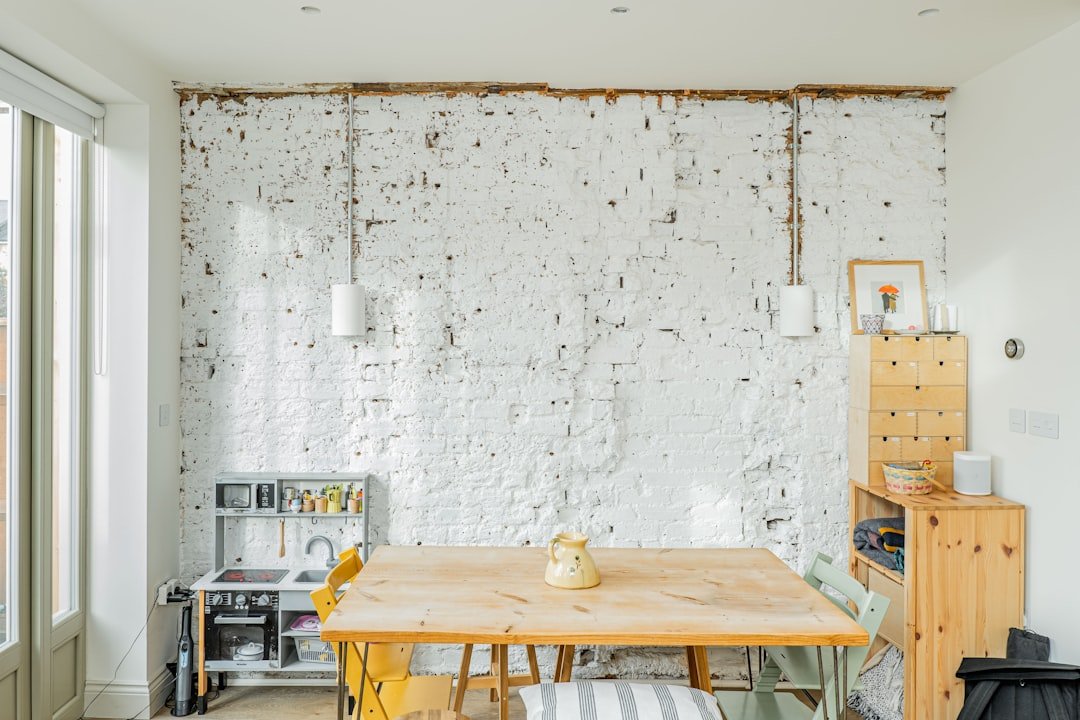
Neutral tones create a calm and timeless look. Shades like white, beige, and gray work well in any kitchen style. They make the space feel larger and brighter. Neutral walls also highlight cabinets and decor. They blend easily with other colors and materials.
Bold Hues
Bold hues add energy and personality to your kitchen walls. Bright reds, deep blues, and vibrant greens make a strong statement. These colors can create a fun and lively atmosphere. Use bold colors on one wall for a pop or throughout for a dramatic effect. They pair well with simple, neutral furnishings.
Pastel Shades
Pastel shades bring softness and warmth to kitchen walls. Light pinks, soft blues, and gentle yellows create a cheerful yet subtle look. These colors add charm without overwhelming the space. Pastels work great in vintage or cottage-style kitchens. They reflect light and enhance natural brightness.
Earthy Colors
Earthy colors connect your kitchen to nature. Warm browns, muted greens, and soft terracotta tones bring comfort and balance. These shades create a cozy and inviting atmosphere. Earthy colors blend well with wood and stone elements. They offer a grounded look that feels natural and timeless.
Matching Styles
Choosing the right kitchen wall color means matching it with your kitchen’s style. The color should enhance the overall vibe, not clash with your furniture or fixtures. Think about the mood you want to create and how colors can support that feeling.
Modern Kitchens
Modern kitchens often feature sleek lines and bold contrasts. Neutral colors like gray, white, or black work well here, but adding a pop of vibrant color can create a striking focal point. Consider deep navy or charcoal for walls if your cabinets are white, or soft pastels if your appliances have metallic finishes.
Ask yourself: do you want your wall color to blend in quietly or stand out as a statement? Bright accent walls or geometric patterns can add energy without overwhelming the space.
Traditional Designs
Traditional kitchens call for warm, inviting colors that echo classic styles. Shades like creamy beige, soft yellow, or muted greens often complement wood cabinets and antique details. These colors bring a sense of comfort and timelessness.
Think about the wood tones in your kitchen. Warmer wall colors tend to highlight rich cherry or oak finishes beautifully, while cooler tones may suit painted cabinetry better. How do you want your kitchen to feel at the end of a long day?
Rustic Themes
Rustic kitchens thrive on earthy, natural colors that feel grounded. Warm browns, burnt oranges, and deep reds can make the space feel cozy and lived-in. These colors work well with exposed beams, stone, or reclaimed wood.
Imagine your kitchen as a cabin retreat—what colors make you feel most relaxed and connected to nature? Don’t shy away from textured wall finishes to add depth and character.
Minimalist Looks
Minimalist kitchens focus on simplicity and clean lines, so wall colors should be subtle and unobtrusive. Whites, soft grays, or gentle pastels help create an airy, uncluttered look. These shades let your kitchen’s form and function take center stage.
Consider if you want your walls to disappear into the background or provide just a hint of color. How can your wall color support a calm, focused atmosphere while still feeling warm enough to welcome you?
Color Psychology
Color psychology plays a crucial role in choosing the perfect kitchen wall color. Colors influence your mood, appetite, and even how long you stay in a space. Understanding these effects helps you pick a shade that fits your kitchen’s vibe and your daily routine.
Warm Colors And Appetite
Warm colors like red, orange, and yellow are known to stimulate appetite and increase energy. That’s why many restaurants use these shades to encourage eating and socializing.
If you want your kitchen to feel inviting and lively, consider a warm color. Just be careful not to overdo it—too much red can feel overwhelming after a while.
Cool Colors And Calmness
Cool colors such as blue, green, and soft gray bring a sense of calm and relaxation. They’re perfect if your kitchen is a place where you want to unwind or think clearly while cooking.
Think about your own experience: have you noticed how a blue room can feel peaceful? That’s why these shades might help reduce stress in your busy kitchen.
Energetic Vs Relaxing Shades
Do you want your kitchen to energize you or help you relax? Bright, vibrant shades like coral or lime green add energy and excitement.
On the other hand, muted tones like sage green or pale lavender create a soothing atmosphere. Choose the shade that matches the mood you want to create every time you step into your kitchen.
Choosing Finish Types
Choosing the right finish for your kitchen walls affects both look and function. Finish types change how colors appear and how walls handle wear. Picking the right finish helps keep your kitchen fresh and stylish for years.
Matte Vs Glossy
Matte finishes have a flat, soft look with no shine. They hide wall flaws well and feel smooth. Glossy finishes reflect light and add brightness. They make colors pop and look clean but show bumps and marks easily. Choose matte for a cozy feel and glossy for a modern, bright look.
Durability Considerations
Glossy finishes resist scratches and stains better than matte. They stand up well to kitchen humidity and heat. Matte finishes are less tough and can wear down faster. For busy kitchens, a durable finish keeps walls looking good longer. Think about daily kitchen use when choosing durability.
Ease Of Cleaning
Glossy walls are easier to clean with a simple wipe. Grease and splashes do not stick as much. Matte finishes absorb stains and need gentle cleaning. Scrubbing can damage matte paint. Pick glossy if you want quick cleaning and matte if you prefer a soft, natural look.
Credit: www.jswpaints.in
Testing Colors
Choosing the right kitchen wall color isn’t just about picking a shade you like from a paint chart. Testing colors before committing helps you avoid costly mistakes and ensures your kitchen feels just right. It’s a hands-on process that brings your vision to life, revealing how colors truly perform in your space.
Sample Painting
Painting small patches on your kitchen wall is the most reliable way to see how a color looks in real life. Use a 4×4 inch area or bigger so you get a good sense of the tone. Observe the patch over several days to notice changes as natural and artificial light shift.
Try painting samples near cabinets or appliances to see how the color interacts with other elements. You might find that a shade you liked on paper feels too cold or warm once it’s on the wall. This simple step can save you from repainting an entire kitchen later.
Observing In Different Lights
Light dramatically changes how paint appears. Check your samples during the morning, afternoon, and evening to catch these shifts. Does the color feel vibrant in daylight but dull under your kitchen lights?
Also, consider the type of lighting you have—cool LED bulbs can make colors look sharper, while warm incandescent bulbs soften hues. Ask yourself if the color maintains its appeal throughout the day or if it causes discomfort at any time.
Using Paint Chips And Swatches
Paint chips and swatches are handy for quick comparisons and brainstorming. Stick them on different walls or hold them next to cabinets and countertops. This helps you visualize how the color fits with your kitchen’s overall palette.
However, don’t rely solely on these small pieces. Their tiny size and flat finish can be misleading. Use them as a starting point, then move on to sample painting for a true test.
Common Mistakes To Avoid
Choosing the right color for your kitchen walls can be tricky. Many people make simple mistakes that affect the final look. Avoid these common errors to create a beautiful kitchen space you will love.
Ignoring Lighting
Lighting changes how colors appear on your walls. Natural light shows true colors, while artificial light can change shades. Test paint samples at different times of the day. This helps you see how light affects the color before painting.
Overpowering Small Spaces
Dark or bright colors can make a small kitchen feel cramped. Choose lighter shades to open up the room. Soft colors reflect light, making the space look bigger and more inviting.
Clashing With Fixtures
Wall color should match your kitchen fixtures and appliances. Clashing colors create a chaotic look. Consider the color of cabinets, countertops, and hardware before deciding on paint. Aim for harmony to keep the kitchen balanced and stylish.
Frequently Asked Questions
What Factors Affect Choosing Kitchen Wall Color?
Lighting, kitchen size, cabinet colors, and personal style affect wall color choice. Consider natural light and room dimensions. Match or contrast with cabinets for balance. Choose colors that create the mood you want in your kitchen space.
How Do Lighting Conditions Influence Kitchen Wall Color?
Natural and artificial lighting change wall color appearance. Bright light can make colors appear lighter. Dim lighting may darken colors. Test paint samples under different lighting before finalizing your kitchen wall color.
Which Kitchen Wall Colors Make Space Look Bigger?
Light, neutral colors like white, beige, and soft gray open up space. They reflect more light, making kitchens feel larger and airy. Avoid dark colors if your kitchen is small or lacks natural light.
Can Kitchen Wall Color Impact Mood And Appetite?
Yes, colors like warm reds and yellows can stimulate appetite and energy. Cool blues and greens promote calmness and relaxation. Choose colors based on the atmosphere you want to create in your kitchen.
Conclusion
Choosing the right kitchen wall color can change your space’s mood. Think about light and room size first. Pick colors that match your style and kitchen theme. Don’t forget to test samples on your walls. Small changes can make a big difference.
Take your time and enjoy the process. A good color choice makes cooking and gathering more fun. Your kitchen will feel fresh and inviting. Simple steps lead to a beautiful kitchen wall color.