How to Build a Kitchen Wall Corner Cabinet: Easy Step-by-Step Guide
Are you tired of wasted space in your kitchen? That awkward wall corner just sits there, right?
Imagine transforming it into a functional and stylish cabinet that not only boosts your storage but also adds a touch of elegance to your kitchen. You might think building a kitchen wall corner cabinet is a daunting task, but it’s simpler than you think.
With the right guidance, you can do it yourself and enjoy a perfectly organized kitchen. This guide will walk you through the steps, from selecting the right materials to the final touches, ensuring you create a cabinet that fits your needs and style. Let’s dive in and turn that wasted corner into your kitchen’s new best friend!
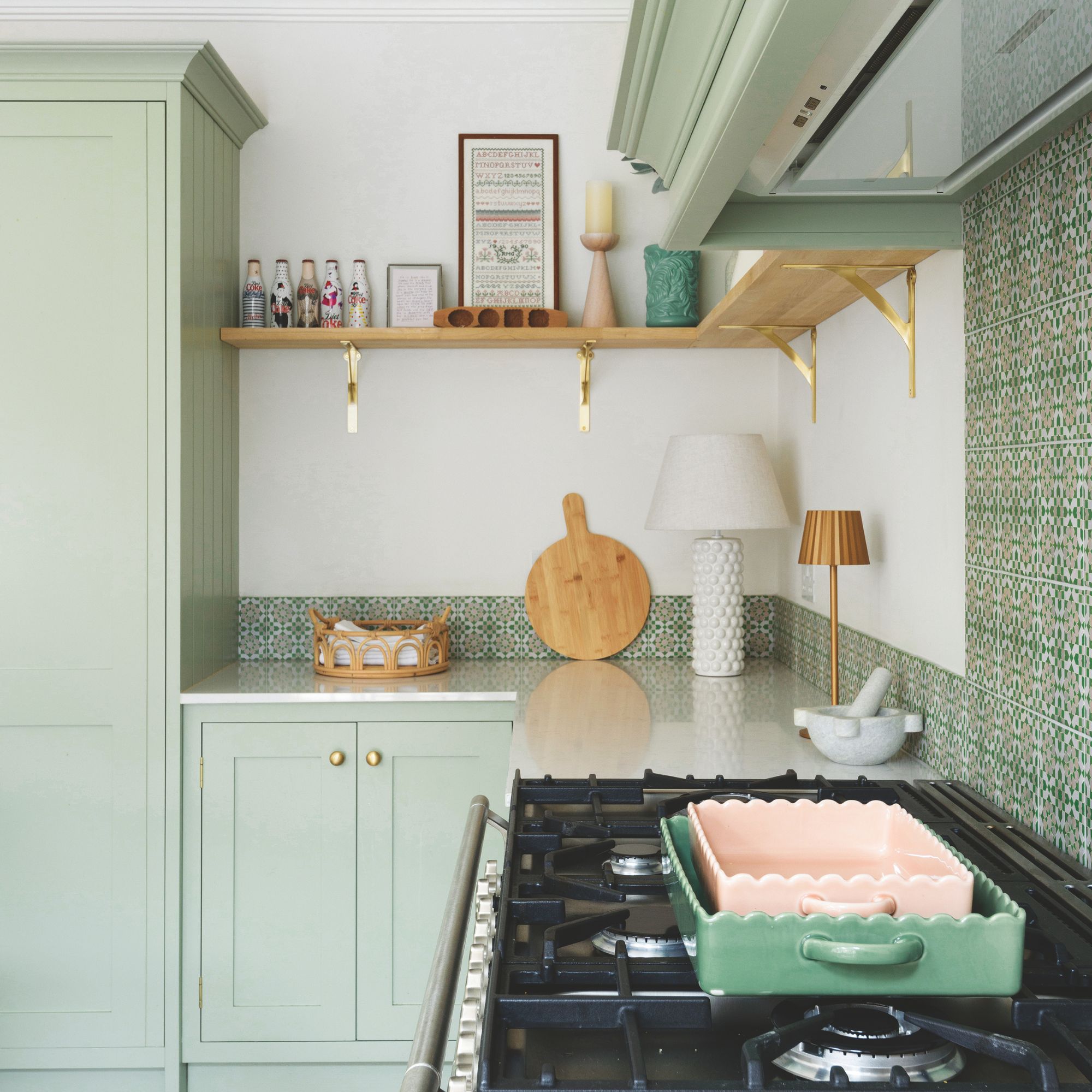
Credit: www.idealhome.co.uk
Planning Your Corner Cabinet
Planning your kitchen wall corner cabinet is the first key to success. Careful thought saves time and money during installation. Understanding your space, style, and materials helps create a cabinet that fits perfectly and looks great.
Choosing The Right Materials
Pick materials that match your kitchen’s style and durability needs. Solid wood offers strength and a classic look. Plywood is strong and resists warping. MDF provides a smooth surface for painting. Consider moisture resistance if your kitchen is humid. Quality materials ensure your cabinet lasts for years.
Measuring Your Space Accurately
Measure the corner space carefully before buying or cutting materials. Use a tape measure to get the height, width, and depth. Note any obstacles like pipes or outlets. Double-check measurements to avoid mistakes. Accurate measurements prevent fitting problems and save money.
Selecting The Cabinet Style
Choose a style that fits your kitchen’s design and your needs. Lazy Susan cabinets offer easy access to corner spaces. Diagonal cabinets create a smooth, angled look. Blind corner cabinets provide hidden storage. Think about how you will use the space daily. The right style makes your kitchen more functional and attractive.
Gathering Tools And Supplies
Gathering the right tools and supplies is the first step to building a kitchen wall corner cabinet. Having everything ready makes the process smooth and efficient. It saves time and reduces frustration during assembly.
Organize your workspace and check off each item as you prepare. This ensures nothing important gets left behind. Let’s explore the essential tools and recommended materials for your project.
Essential Tools Checklist
- Measuring tape – for accurate dimensions
- Level – to keep the cabinet straight
- Power drill – for drilling holes and driving screws
- Screwdriver set – includes flathead and Phillips
- Clamps – to hold pieces together securely
- Carpenter’s square – to check right angles
- Stud finder – to locate wall studs
- Jigsaw or circular saw – for cutting wood panels
- Hammer – for light tapping and adjustments
- Pencil – for marking measurements
Recommended Materials And Hardware
- Cabinet-grade plywood or MDF boards
- Edge banding for smooth finishes
- Wood screws, 1 ¼ inch and 2 inch sizes
- Corner brackets for extra support
- Cabinet hinges designed for corner doors
- Drawer slides, if adding drawers
- Wood glue for stronger joints
- Sandpaper, fine and medium grit
- Paint or wood stain for finishing
- Protective gloves and safety glasses
Preparing The Workspace
Preparing your workspace is the foundation of a smooth kitchen wall corner cabinet build. Taking the time to organize and secure your area will save you frustration and help you focus on the task. It also ensures your safety and efficiency throughout the project.
Clearing And Cleaning The Area
Start by removing any items around the corner where the cabinet will go. This includes small appliances, decor, and anything that could get in your way. A clear space lets you move freely and prevents accidents.
Next, sweep or vacuum the floor to remove dust and debris. A clean surface helps your tools work better and keeps cabinet parts scratch-free. You’ll appreciate this step when you’re ready to install the cabinet smoothly.
Think about the lighting too. Is your workspace well-lit? Good lighting reduces mistakes and helps you see measurements and details clearly. If natural light is limited, add a portable lamp or headlamp.
Safety Precautions
Safety should never be an afterthought. Before you begin, wear protective gear like gloves, safety glasses, and a dust mask. These simple items protect your hands, eyes, and lungs from harm.
Check your tools for any damage or loose parts. Faulty equipment can cause accidents or poor workmanship. Make sure cords are untangled and drills have fresh batteries.
Consider your posture while working. Use a sturdy stool or knee pads if you’ll be crouching for long periods. Staying comfortable reduces the risk of strain and helps you maintain focus.
Have you ever had to stop a project because of an avoidable injury? Taking these safety steps upfront can keep your build on track and stress-free.

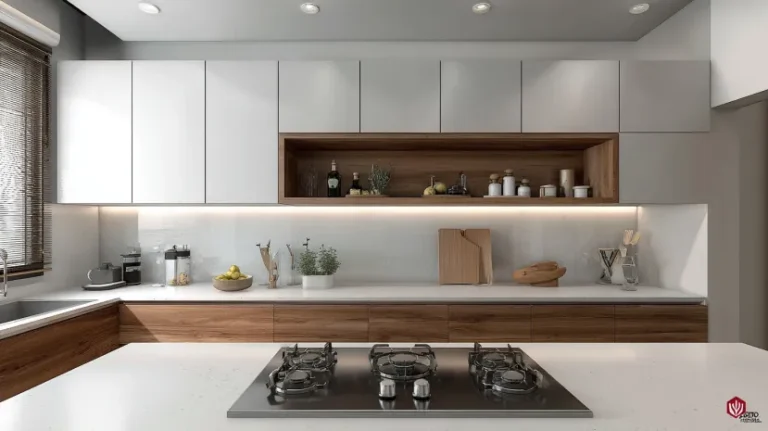
Credit: www.designcafe.com
Cutting And Assembling Cabinet Parts
Cutting and assembling the parts of your kitchen wall corner cabinet is where your project starts to take shape. Precision in cutting ensures that everything fits perfectly, while careful assembly guarantees strength and durability. Let’s break down these crucial stages so you can build a cabinet that not only looks great but lasts for years.
Cutting Panels To Size
Start by measuring your cabinet dimensions carefully. Double-check your measurements before making any cuts—mistakes here can be costly and frustrating.
Use a sharp circular saw or table saw for clean, straight edges. If you’re working with plywood or MDF, a fine-toothed blade helps reduce splintering.
Remember to cut panels slightly larger if you plan to sand or trim later. This gives you some room for adjustment, ensuring a perfect fit inside your kitchen corner.
Assembling The Frame
Once your panels are ready, begin assembling the frame on a flat surface. Use wood glue at the joints to add strength before securing with screws or nails.
Clamp the pieces together firmly as the glue dries to prevent gaps. You’ll want the frame square and solid since it forms the foundation of your cabinet.
Check all corners with a carpenter’s square frequently. Are the sides perfectly perpendicular? A small misalignment now can cause bigger problems during installation.
Adding Shelves And Supports
Now it’s time to add shelves and supports inside your cabinet. Decide how many shelves you want and their spacing depending on what you plan to store.
Use shelf pins for adjustable shelves or fixed cleats for a more permanent solution. Attach supports securely to prevent sagging under weight.
Think about adding a back panel for extra rigidity. Not only does it stabilize the cabinet, but it also prevents items from falling behind it.
Installing The Cabinet In The Corner
Installing a kitchen wall corner cabinet requires careful attention to ensure it fits perfectly and stays secure over time. The corner spot can be tricky because of the angles and limited space. Getting it right means your cabinet will not only look great but also serve you well for years.
Positioning And Leveling
Start by placing the cabinet in the corner where it will hang. Use a level to check both the vertical and horizontal alignment. If the cabinet isn’t level, it can cause doors to swing open or close improperly.
Adjust shims behind the cabinet if the walls are uneven. These small wooden or plastic wedges help you fine-tune the position. Take your time here—an uneven cabinet is a common mistake that’s easy to fix early on but difficult later.
Securing To Walls
Once positioned, it’s time to secure the cabinet to the walls. Use screws that are long enough to anchor into the wall studs. Studs provide the necessary strength to hold the cabinet’s weight.
If you can’t find studs on both sides, add a toggle bolt or use wall anchors designed for drywall. Tighten screws slowly to avoid damaging the cabinet frame or the wall. Feeling resistance? Stop and check alignment before forcing anything.
Checking For Stability
After securing, gently shake the cabinet to check for any movement. A solid cabinet shouldn’t wobble or shift. If it does, it likely needs additional support or re-tightening of screws.
Open and close the doors to see if they hang correctly without sticking or gaps. If the cabinet feels unstable, think about adding corner braces inside to reinforce the structure. Stability in a corner cabinet is key to safe and functional kitchen storage.
Finishing Touches
The finishing touches bring your kitchen wall corner cabinet to life. This stage enhances both function and style. Small details make a big difference in the final look. Focus on installing doors, applying finishes, and organizing the interior. These steps ensure your cabinet blends seamlessly with your kitchen design.
Attaching Doors And Hardware
Start by aligning the cabinet doors carefully. Use a level to keep them straight. Attach hinges firmly to prevent sagging. Choose hardware that matches your kitchen’s style. Handles and knobs should be comfortable to grip. Tighten screws but avoid over-tightening to prevent damage. Test the doors to open and close smoothly. Adjust hinges as needed for perfect fit and alignment.
Applying Paint Or Stain
Prepare the cabinet surface before painting or staining. Lightly sand to remove rough spots and dust. Use a primer for better paint adhesion. Select paint or stain that resists moisture and wear. Apply thin, even coats for a smooth finish. Allow each coat to dry fully before adding the next. Protect edges and corners with care to avoid drips. Finish with a clear sealant for lasting durability.
Adding Interior Accessories
Enhance cabinet usability with smart interior accessories. Install adjustable shelves to fit different items. Use pull-out trays for easy access to pots and pans. Add hooks or racks for hanging utensils. Consider soft-close drawer slides for quiet operation. Lighting inside the cabinet brightens dark corners. Organizers keep everything neat and easy to find. These touches improve kitchen efficiency and enjoyment.
Tips For Maintenance And Longevity
Maintaining your kitchen wall corner cabinet is key to keeping it functional and looking great for years. Small, regular efforts can prevent big problems later. Let’s focus on how you can care for your cabinet to extend its life and preserve its beauty.
Cleaning Advice
Keep your cabinet clean by wiping it down regularly with a soft, damp cloth. Avoid harsh chemicals that can damage the finish or the wood. Mild soap mixed with water works well for most surfaces.
Pay special attention to corners and edges where dust and grease tend to build up. Use a soft brush or an old toothbrush to reach tight spots without scratching the surface.
Have you noticed sticky spots or stains? Clean them promptly to avoid permanent marks. Grease buildup can attract pests and cause unpleasant odors, so don’t delay.
Routine Checks And Repairs
Inspect your cabinet often for loose hinges, handles, or screws. Tightening these small parts can prevent bigger damage down the line. If you find a hinge squeaking or sticking, a drop of lubricant can work wonders.
Look for any signs of water damage or swelling, especially near the sink area. Address leaks immediately to protect the wood and avoid costly repairs.
Consider how frequently you open and close the cabinet. High use means more wear and tear, so check these areas more often. Have you noticed any cabinet doors misaligned or hard to close? Adjusting the hinges can fix this quickly.
Taking a few minutes each week for these simple checks and cleaning routines can keep your kitchen wall corner cabinet in top shape and save you money in the long run.

Credit: www.designcafe.com
Frequently Asked Questions
What Materials Are Needed To Build A Corner Cabinet?
You need plywood, screws, hinges, wood glue, a saw, drill, and measuring tape. Quality wood ensures durability and a smooth finish.
How Do You Measure A Kitchen Wall Corner Cabinet?
Measure the height, width, and depth of both walls forming the corner. Accurate measurements ensure a perfect fit and proper alignment.
What Is The Best Design For A Corner Cabinet?
Lazy Susan or pull-out shelves optimize space and accessibility. Choose designs based on your storage needs and kitchen layout.
How Long Does It Take To Build A Corner Cabinet?
Building typically takes 4 to 6 hours, depending on skill level. Allow extra time for drying glue and finishing touches.
Conclusion
Building a kitchen wall corner cabinet takes some planning and care. Start by measuring your space clearly and choose materials that fit your style. Cut and assemble the parts carefully to make sure they fit well together. Take your time with each step to avoid mistakes.
A well-built corner cabinet adds both space and style to your kitchen. It also helps keep your kitchen organized. Keep practicing, and your skills will improve. Soon, you will enjoy a neat and functional kitchen corner. Simple steps lead to great results.