How to Cover Ugly Kitchen Wall Tiles: Easy & Stylish Solutions
Are you tired of staring at those ugly kitchen wall tiles every day? You don’t have to live with them any longer.
Imagine turning your kitchen into a stylish, inviting space without a full renovation or breaking the bank. You’ll discover simple, effective ways to cover those tiles and instantly transform your kitchen’s look. Whether you want a quick fix or a long-term solution, you’ll find easy ideas that fit your style and budget.
Keep reading to unlock the secrets to a kitchen you’ll love spending time in.
Assessing Your Kitchen Wall Tiles
Before covering ugly kitchen wall tiles, it is important to assess their current condition. This step helps you decide the best way to transform your kitchen walls. Understanding the issues with your tiles guides you in choosing the right materials and methods. Accurate measurements ensure a smooth and effective covering process.
Identifying Tile Issues
Look closely at the tile surface for cracks, chips, or stains. Check if the grout is discolored or missing in spots. Notice any loose or broken tiles that might need repair. Surface texture matters—glossy tiles may need different treatment than matte ones. Identifying these problems helps avoid surprises during renovation.
Measuring Your Wall Space
Measure the height and width of the tiled area using a tape measure. Write down the numbers to calculate the total square footage. Measure each wall separately if tiles cover multiple surfaces. Include spaces around windows, outlets, and cabinets. Accurate measurements help you buy the correct amount of covering material.
Peeling And Painting Tiles
Peeling and painting kitchen wall tiles is a practical way to refresh your space. It helps cover ugly tiles without costly replacements. This method requires careful preparation and the right materials. Paint can give tiles a fresh, modern look that lasts.
Choosing The Right Paint
Select paint made for tiles or high-gloss surfaces. These paints stick well and resist moisture. Epoxy or enamel paints work best in kitchens. Avoid regular wall paint, as it may peel or chip. Choose a color that matches your kitchen style and lighting.
Preparation And Priming Tips
Clean tiles thoroughly to remove grease and dirt. Use a strong cleaner or degreaser. Rinse well and let dry completely. Lightly sand the tiles to help paint stick better. Wipe off dust with a damp cloth. Apply a primer made for glossy surfaces. Primer improves paint adhesion and durability.
Step-by-step Painting Guide
- Protect surrounding areas with tape and drop cloths.
- Use a small brush to paint edges and corners first.
- Apply paint with a roller for smooth coverage.
- Let the first coat dry fully before applying a second coat.
- Add a second coat for even color and better protection.
- Allow paint to cure for several days before cleaning.
Applying Peel-and-stick Tiles
Applying peel-and-stick tiles is a quick and effective way to transform ugly kitchen wall tiles without the hassle of demolition. These tiles offer a fresh look with minimal effort and cost, making them a favorite for DIY enthusiasts. You can change the entire vibe of your kitchen by simply sticking stylish tiles over the old ones.
Selecting Stylish Peel-and-stick Options
Choosing the right peel-and-stick tiles is crucial to ensure a look that complements your kitchen’s style. You’ll find a wide variety of patterns, colors, and textures—from classic subway tiles to bold geometric designs.
Think about what mood you want to create. Do you prefer a sleek modern look or something more rustic? Also, consider the durability of the material, especially in areas prone to moisture and heat.
Surface Preparation
Before sticking new tiles, your wall surface must be clean and smooth. Grease, dust, or bumps can prevent the adhesive from sticking properly, causing tiles to peel off later.
Start by wiping down the tiles with a mild cleaner and let them dry completely. If your existing tiles have grout lines that are uneven or chipped, fill and smooth them out with grout filler or sandpaper. This step ensures a flat base for the new tiles.
Installation Techniques
Peel-and-stick tiles are designed for easy installation, but a careful approach makes all the difference. Begin by measuring your wall and planning the tile layout—this prevents awkward cuts and misalignment.
Peel off the backing slowly and press the tile firmly onto the wall, starting from one corner and moving across. Use a roller or a flat edge to press out any air bubbles for a seamless finish.
- Work in small sections to maintain control.
- Double-check alignment frequently.
- Cut tiles with a utility knife for perfect edges.
Have you noticed how a well-planned layout can speed up the installation and improve the final look? Taking a bit of extra time before sticking can save you frustration later.
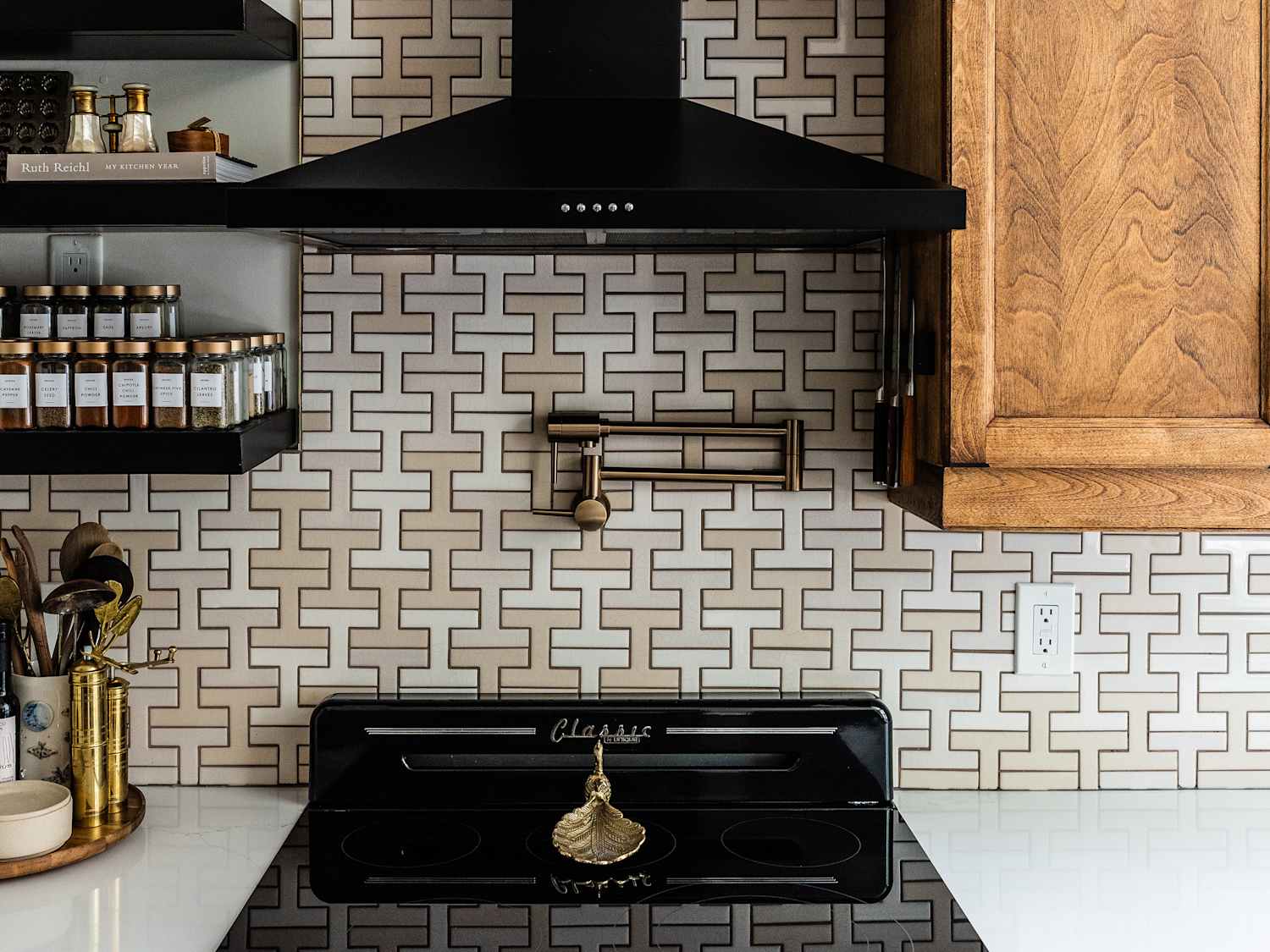
Credit: www.apartmenttherapy.com
Using Decorative Wall Panels
Using decorative wall panels is a smart way to hide ugly kitchen wall tiles without the mess of removing them. These panels add texture and style while covering up imperfections. They can completely transform your kitchen’s look with minimal effort and cost.
Types Of Wall Panels
You’ll find various wall panels designed for kitchens, each with unique benefits. Some popular types include:
- PVC Panels:Waterproof and easy to clean, perfect for kitchen splashes.
- Wood Panels:Bring warmth and a natural feel, ideal if you want a cozy vibe.
- 3D Panels:Add depth and create interesting patterns to catch the eye.
- Metal Panels:Offer a sleek, modern look and resist stains well.
Think about your kitchen style and how much maintenance you’re willing to do. Which panel type suits your daily life?
Installation Process
Installing wall panels is easier than you might think. Most panels come with tongue-and-groove edges or adhesive backing for quick attachment.
- Clean the tile surface thoroughly to ensure good adhesion.
- Measure the wall and cut panels to fit, using a saw or utility knife.
- Attach panels using construction adhesive or screws, depending on the material.
- Seal edges with silicone to prevent moisture from getting behind the panels.
Have you ever tried a DIY project that surprised you with how simple it was? Installing panels might be one of those.
Maintenance Tips
Keeping decorative wall panels looking fresh doesn’t require much effort. Regular wiping with a damp cloth will remove most kitchen grease and dust.
- Avoid abrasive cleaners that can scratch or dull the surface.
- Inspect panels periodically for any gaps or loose areas and fix them promptly.
- If you use wood panels, consider occasional polishing to maintain shine.
Simple upkeep can keep your kitchen walls looking new for years. What maintenance routine fits your lifestyle best?
Installing A Backsplash Over Tiles
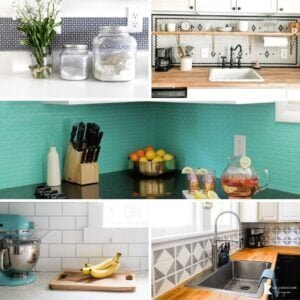
Installing a backsplash over existing kitchen wall tiles is a smart way to hide ugly tiles without the mess of removing them. It saves time, reduces costs, and lets you refresh your kitchen’s look quickly. You can turn those outdated tiles into a stylish backdrop that complements your kitchen’s vibe perfectly.
Popular Backsplash Materials
Choosing the right material is key to a stunning backsplash. Glass tiles offer a sleek, shiny finish and are easy to clean. Ceramic tiles come in endless colors and patterns, giving you plenty of design freedom.
If you want a modern touch, consider stainless steel or metal sheets—they’re durable and reflect light beautifully. For a natural look, peel-and-stick stone or brick veneers work well and are simple to install. What kind of style do you want your kitchen to express?
Measuring And Cutting
Accurate measurements ensure your backsplash fits perfectly over the old tiles. Start by measuring the height and width of the area you want to cover. Double-check these numbers before buying materials.
Cutting tiles or sheets can be tricky, but the right tools help. Use a tile cutter for ceramic or glass tiles, and a utility knife for peel-and-stick options. Always wear safety goggles and take your time to avoid mistakes. Have you ever faced challenges cutting tiles? How did you handle them?
Adhesive And Grouting Tips
Choosing the right adhesive is critical to make sure your new backsplash sticks well to the old tiles. Thinset mortar works great for ceramic or glass tiles, while strong construction adhesive suits peel-and-stick panels.
Apply adhesive evenly with a notched trowel to prevent lumps or gaps. After placing the tiles, wait for the adhesive to dry before grouting. Use a rubber float to spread grout and wipe excess off with a damp sponge.
Keep grout lines clean and consistent for a polished look. Sealing grout after it dries will protect it from stains and moisture. Have you ever tried grouting? What tips helped you get a smooth finish?

Credit: www.reddit.com
Creative Cover-ups With Fabric Or Wallpaper
Ugly kitchen wall tiles can be a real eyesore, but you don’t have to live with them or invest in costly renovations. Fabric and wallpaper offer creative and affordable ways to transform your kitchen walls instantly. These options not only cover imperfections but also allow you to add personality and style to your space.
Choosing Durable Materials
Not all fabrics or wallpapers are made for kitchen walls, especially over tiles that might get wet or greasy. Look for vinyl-coated wallpaper or fabrics treated with water-resistant finishes. These materials stand up well to humidity and occasional splashes, keeping your kitchen looking fresh longer.
Think about textures too. Smooth, washable surfaces are easier to clean than rough or woven fabrics. If you want patterns, bold prints can distract from the tiles beneath and make your kitchen pop.
Application Methods
Applying fabric or wallpaper over tiles requires a bit of preparation. Clean the tiles thoroughly to remove grease and dirt, ensuring good adhesion. Lightly sanding glossy tiles can help the adhesive stick better.
You can use strong wallpaper paste or spray adhesive designed for tough surfaces. For fabric, a staple gun or tack strips work well if you want a removable solution. Tape edges carefully to avoid peeling over time.
Have you tried using double-sided tape? It’s a quick fix for small areas or temporary updates. Just make sure it’s strong enough to hold the material against the tile texture.
Protective Finishes
Once your fabric or wallpaper is in place, adding a protective finish can extend its life. Clear acrylic or polyurethane sprays create a waterproof barrier that guards against stains and moisture. Choose a matte or satin finish to keep the look natural without glare.
Test the finish on a small hidden spot first to ensure it won’t discolor the material. A protective layer also makes cleaning easier—wipe with a damp cloth instead of scrubbing.
Could a protective finish be the difference between a short-lived project and a long-term kitchen upgrade? It’s worth considering if you want your cover-up to last through daily cooking messes.
Quick Fixes With Stickers And Decals
Quick fixes with stickers and decals offer an easy way to hide ugly kitchen wall tiles. They require no tools or mess. Simply peel and stick to transform your kitchen’s look fast. These options are budget-friendly and come in many styles and colors. Perfect for renters or those who want a simple change without renovation.
Design Ideas
Choose stickers or decals with patterns that match your kitchen style. Floral prints bring a soft, natural feel. Geometric shapes add a modern touch. Classic subway tile decals mimic real tile for a clean look. Bright colors can brighten up a dull wall. Metallic finishes add a hint of shine without being overwhelming. Mix and match designs for a playful effect. Use small decals to create borders or frames around cabinets.
Placement Strategies
Focus on the most visible areas first, such as behind the stove or sink. Cover entire walls for a bold change or use decals to highlight specific spots. Apply decals in a grid pattern for a neat look. Create a backsplash effect by lining decals just above the counter. Place stickers on damaged tile sections to hide flaws. Use vertical strips to draw the eye upward and make the space feel taller. Test a few stickers on the wall before full application to check color and style.
Removal And Replacement
Stickers and decals peel off easily without damaging tiles. Warm water and mild soap help remove sticky residue. Use a soft cloth or sponge to clean the surface after removal. Replace old decals with new designs anytime to refresh your kitchen. Store unused stickers carefully to reuse later. Avoid harsh scrubbing to keep tiles intact. Quick removal makes decals ideal for rental homes or temporary updates.
Budget-friendly Tips And Tricks
Covering ugly kitchen wall tiles doesn’t have to drain your wallet. There are smart and affordable ways to transform your kitchen without overspending. Let’s look at some budget-friendly tips and tricks that can make a big difference.
Cost-effective Materials
Choosing the right materials is key to keeping costs low. Peel-and-stick tiles are a popular choice—they’re easy to apply and come in many styles, giving your kitchen a fresh look without the price tag.
Another option is using paint made specifically for tiles. This allows you to change colors quickly and cheaply, hiding those outdated tiles effectively.
Consider contact paper or adhesive wallpaper designed for kitchens. They resist moisture and come in trendy patterns that can brighten up your space instantly.
Diy Vs Professional Help
Doing it yourself can save a lot of money, but only if you’re confident with your skills. Applying peel-and-stick tiles or tile paint is generally manageable on your own.
If your tiles need repair or removal, hiring a pro might prevent costly mistakes. You don’t want to add damage that will cost more to fix later.
Ask yourself: how much time and effort can you realistically invest? Sometimes a small investment in professional help will speed up the process and improve results.
Time-saving Hacks
Speed up your kitchen makeover by prepping the walls properly. Clean tiles thoroughly before applying any material to ensure better adhesion and longer-lasting results.
Use painter’s tape and level tools to keep your work neat and avoid redoing sections. A little extra care upfront saves frustration down the road.
Work in small sections to avoid feeling overwhelmed, especially if you’re DIY-ing. Breaking the project into chunks helps you stay motivated and finish faster.

Credit: commomy.com
Frequently Asked Questions
How Can I Cover Ugly Kitchen Wall Tiles Cheaply?
You can use peel-and-stick tile decals or wallpaper for a budget-friendly cover. Painting tiles with special tile paint is another affordable option. These methods are quick and don’t require professional help, making them ideal for low-cost kitchen upgrades.
What Materials Work Best To Cover Old Kitchen Tiles?
Peel-and-stick vinyl tiles, beadboard panels, and tile paint are effective. Each offers a smooth finish and durability. Choose based on your style, budget, and the condition of existing tiles for the best results.
Can I Paint Over Kitchen Wall Tiles Directly?
Yes, with proper cleaning and sanding, you can paint tiles. Use a high-quality primer and tile-specific paint for durability. This method refreshes tiles without removal, saving time and effort.
Is It Possible To Tile Over Existing Kitchen Wall Tiles?
Yes, tiling over old tiles is possible if walls are sound and clean. Use a strong adhesive and ensure tiles are flat. This method adds thickness, so check for clearance around fixtures first.
Conclusion
Transforming your kitchen can be simple and affordable. Covering ugly tiles breathes new life into your space. Paint, peel-and-stick tiles, or wallpaper offer easy solutions. These options save time and effort. They also fit any style or budget. Choose what suits your taste and needs.
Enjoy a refreshed kitchen without major renovations. A little change can make a big difference. Your kitchen will look inviting and stylish. Get started today and love your new kitchen look. Embrace the charm of a revamped space. Cooking becomes more enjoyable in a beautiful kitchen.