

Choosing the right paint for your kitchen walls is more important than you might think. Imagine preparing a delicious meal in a space that’s not only functional but also visually appealing.
The right paint can transform your kitchen, making it a place where you enjoy spending time. But with so many options available, how do you decide which type of paint is best for your kitchen walls? You want something durable, easy to clean, and of course, beautiful.
We’ll explore the best types of paint for kitchen walls, helping you make an informed decision that suits both your style and practical needs. Dive in to discover how the perfect paint choice can enhance your kitchen’s charm and efficiency.
Choosing Paint For Kitchen Walls
Choosing paint for kitchen walls involves more than just picking a color you like. Your kitchen walls face heat, moisture, grease, and frequent cleaning, so the paint must handle these challenges without losing its charm. Understanding the types of paint available can help you make a smart choice that lasts and looks great.
Understanding Paint Finishes
Paint finish affects both the look and durability of your kitchen walls. Glossy finishes, like semi-gloss or high-gloss, resist stains and moisture better, making them easier to clean.
Matte or flat finishes hide wall imperfections but can be harder to wipe down. Satin and eggshell finishes offer a good balance—they clean well and have a soft sheen that suits many kitchen styles.
Choosing The Right Paint Type
Latex paint is popular for kitchens because it dries quickly and cleans up easily with water. It also holds up well against moisture and doesn’t yellow over time.
Oil-based paint, though less common now, provides a durable, smooth finish but takes longer to dry and requires solvents for cleanup. Consider it if you want a super tough surface and don’t mind the extra effort.
Consider Paint With Mildew And Stain Resistance
Your kitchen walls often encounter steam and spills, which can lead to mildew and stains. Paints with built-in mildew resistance protect your walls and keep them looking fresh longer.
Stain-resistant paints make cleaning easier and prevent permanent marks from cooking splatters. Look for these features on the label—they can save you time and frustration.
How Color Impacts Your Kitchen
Light colors brighten the room and make it feel larger, while darker shades add warmth and depth. But remember, darker colors may show grease spots more easily.
Choosing a color that complements your cabinets, countertops, and appliances will create a cohesive look. Ask yourself how much natural light your kitchen gets and how the paint color will change throughout the day.
Popular Paint Finishes
Choosing the right paint finish for your kitchen walls can change everything about how the space feels and functions. Different finishes bring unique benefits, especially in a room prone to moisture, grease, and frequent cleaning. Understanding popular paint finishes helps you pick one that fits your lifestyle and style preferences perfectly.
Matte And Flat Finishes
Matte and flat finishes offer a smooth, non-reflective surface that hides wall imperfections well. If your kitchen walls have small cracks or uneven textures, these finishes can mask those flaws effectively. However, they don’t resist moisture or stains very well, so they might require gentle cleaning or touch-ups more often.
Would you prefer a soft, velvety look that feels cozy but may need more care? Matte or flat paint might be your choice.
Satin And Eggshell Finishes
Satin and eggshell finishes strike a balance between durability and elegance. They have a slight sheen that reflects light subtly, brightening up your kitchen without glare. These finishes are easier to clean, making them popular for kitchens where spills and splashes happen frequently.
If you want walls that look polished but can handle regular wiping, satin or eggshell is a smart pick. Think of it as the “everyday wear” of paint finishes—reliable and practical.
Semi-gloss And Gloss Finishes
Semi-gloss and gloss paints stand out with their shiny, reflective surfaces. They are highly durable and resist moisture, stains, and scrubbing, perfect for areas near sinks and cooking zones. These finishes highlight architectural details like trim and cabinets, adding a crisp, clean look.
Are you aiming for a bold, easy-to-maintain wall that catches the eye? Semi-gloss or gloss finishes deliver strong performance but may reveal wall imperfections more clearly.
Durability And Moisture Resistance
Choosing the right paint for your kitchen walls means thinking beyond just color. Durability and moisture resistance are key factors that affect how long your walls stay fresh and clean. Kitchens are exposed to steam, spills, and frequent cleaning, so the paint must withstand these challenges without peeling or fading.
Understanding Durability In Kitchen Paints
Durability means the paint can handle daily wear and tear. Your kitchen walls get touched often, splattered with sauces, and wiped down regularly. A durable paint resists scratches and stains, keeping your walls looking new for longer.
Think about the last time you scrubbed a stubborn stain off your kitchen wall. Did the paint come off or stay intact? If the paint was durable, it likely survived the cleaning without damage. This is why choosing a paint with a hard finish matters.
Why Moisture Resistance Matters
Moisture is a constant in kitchens, especially near sinks and cooking areas. Paint that isn’t moisture-resistant can peel, bubble, or grow mold, which damages your walls and looks unattractive.
When steam from boiling pots hits your walls, a moisture-resistant paint acts like a barrier. It prevents water from seeping in and keeps your kitchen healthier by reducing mold risks. This is crucial if you live in a humid climate or have poor ventilation.
Types Of Paint Finishes That Balance Durability And Moisture Resistance
- Satin and Semi-Gloss:These finishes offer a smooth, shiny surface that’s easy to clean and resists moisture well. They’re popular choices for kitchens.
- Eggshell:Slightly less shiny but still fairly durable and moisture-resistant, good for lower-moisture areas of the kitchen.
- High-Gloss:Extremely durable and moisture-proof, but can highlight wall imperfections.
Have you tried scrubbing walls painted with flat or matte finishes? It’s frustrating when the paint flakes off. That’s why choosing satin or semi-gloss can save you time and money on repainting.
Credit: www.jswpaints.in
Types Of Paints Suitable For Kitchens
Choosing the right paint for kitchen walls is key for durability and appearance. Kitchens face moisture, heat, and stains daily. Paint must resist these challenges and stay fresh over time.
Several paint types work well in kitchens. Each has unique benefits and drawbacks. Understanding these helps pick the perfect option for your space.
Latex Paint
Latex paint is water-based and easy to clean. It dries fast and has low odor. This paint resists moisture well, making it good for kitchens. It also resists cracking and fading. You can find many colors and finishes in latex paint. Satin or semi-gloss finishes add extra protection.
Acrylic Paint
Acrylic paint is similar to latex but with more durability. It holds color better and resists mildew. Acrylic paint is flexible and less likely to peel. It cleans up with soap and water. This paint works well in humid kitchens or near sinks.
Oil-based Paint
Oil-based paint offers a smooth, hard finish. It stands up to stains, grease, and scrubbing. This paint takes longer to dry and has a stronger smell. Use it in kitchens for high-traffic walls or trim. Oil-based paint lasts longer but needs special cleaners for tools.
Color Choices For Kitchen Walls
Choosing the right color for kitchen walls influences the room’s mood and style. Colors can make the space feel warm, bright, or calm. Picking the perfect shade helps create a welcoming kitchen.
Warm Colors For A Cozy Kitchen
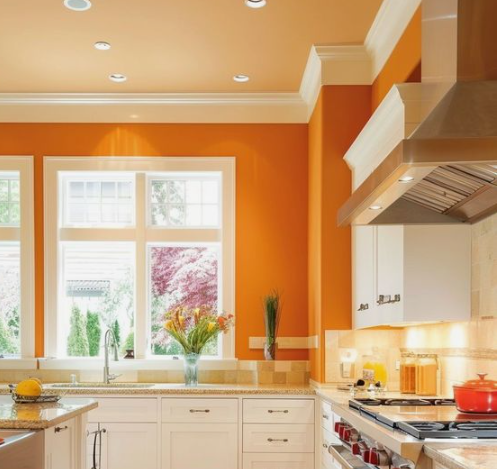
Warm colors like red, orange, and yellow bring energy and comfort. These tones can make the kitchen feel inviting and lively. Use soft shades to avoid overwhelming the space.
Cool Colors For A Calm Atmosphere
Cool colors such as blue, green, and gray offer a relaxing and fresh look. They work well in kitchens that need a soothing vibe. Light cool colors can also make small kitchens look larger.
Neutral Colors For Versatility
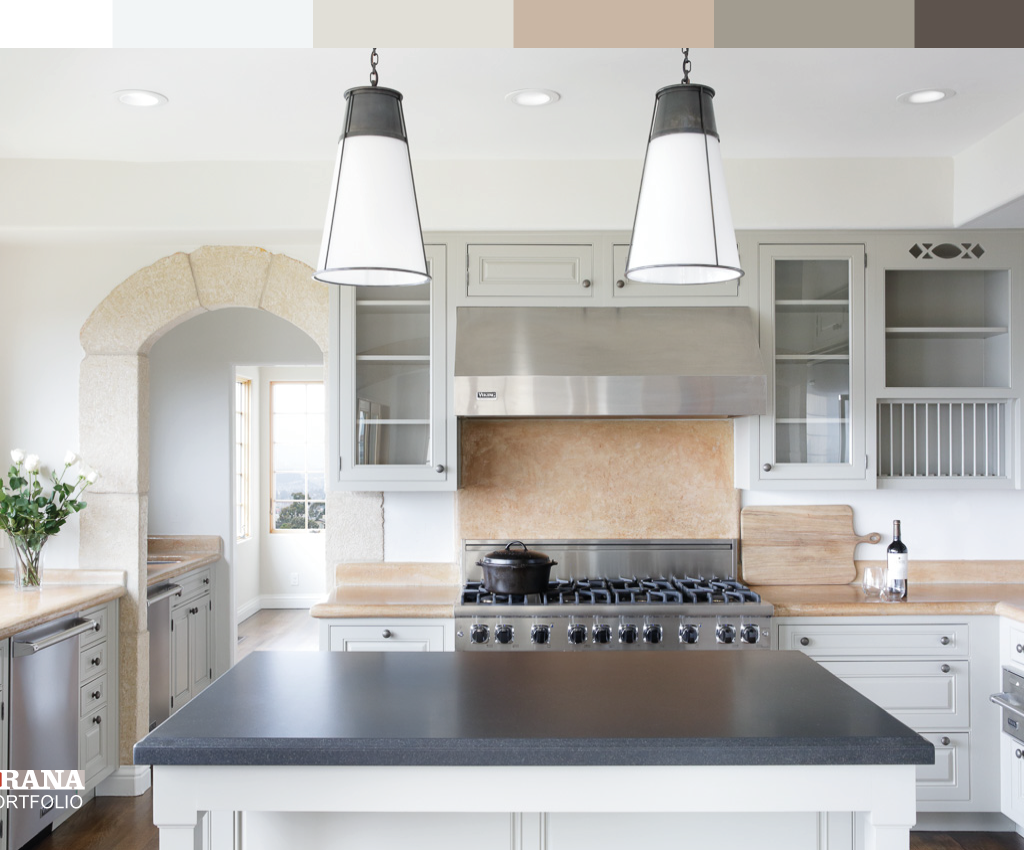
Neutral tones like white, beige, and taupe provide a clean and timeless backdrop. These colors match any kitchen style and allow easy decoration changes. Neutral walls highlight cabinets and countertops beautifully.
Bold Colors For A Modern Touch
Bold colors like navy, emerald, or charcoal add drama and depth. These shades create a strong visual impact and make the kitchen unique. Use bold colors on one wall or in accents for balance.
Choosing Colors Based On Kitchen Lighting
Natural and artificial light affect how colors appear. Bright kitchens can handle darker colors well. Dim kitchens benefit from lighter shades to keep the space open and airy.

Credit: www.brookfieldresidential.com
Eco-friendly Paint Options
Choosing paint for your kitchen walls isn’t just about color and finish. It’s also about the impact on your health and the environment. Eco-friendly paint options offer a way to keep your kitchen safe and fresh without sacrificing style or durability.
What Makes Paint Eco-friendly?
Eco-friendly paints have low or zero levels of volatile organic compounds (VOCs). These compounds can release harmful fumes that affect indoor air quality and your health.
Look for paints labeled as low-VOC or zero-VOC. They reduce the risk of headaches, allergies, and respiratory issues, which is especially important in a kitchen where you spend a lot of time.
Natural Paint Ingredients
Some eco-friendly paints use natural ingredients like clay, chalk, and plant oils. These paints avoid synthetic chemicals and often have a softer, matte finish that works well in kitchens.
I once used a clay-based paint in my kitchen, and it was amazing how it absorbed moisture and odors, keeping the room fresh. Plus, the natural feel made the space more inviting.
Durability And Cleanability
You might worry eco-friendly paints won’t hold up in a kitchen’s greasy, humid environment. But many brands now offer formulas that are washable and stain-resistant.
Check product labels for terms like “scrubbable” or “washable.” These paints let you clean splashes and spills without damaging the finish or releasing toxins.
Popular Eco-friendly Paint Brands
- Benjamin Moore Natura:Zero VOC and zero emissions, ideal for kitchens and bedrooms.
- ECOS Paints:Made from natural ingredients, with no toxic chemicals or fumes.
- AFM Safecoat:Focuses on indoor air quality with non-toxic, odorless options.
Cost Vs. Long-term Benefits
Eco-friendly paints might cost more upfront. However, you save by avoiding health problems and repainting due to poor durability.
Isn’t it worth investing a little more for a healthier kitchen environment and peace of mind? How much do you value clean air and toxin-free walls in your home?
Preparation And Application Tips
Getting your kitchen walls ready before painting can make all the difference in the final look and durability of the paint. Skipping or rushing through preparation often leads to peeling, uneven color, and extra touch-ups later. Let’s dive into some practical tips to ensure your paint job is smooth and long-lasting.
Surface Cleaning
Start by thoroughly cleaning your kitchen walls. Grease, dust, and food splatters are common in kitchens and can prevent paint from sticking properly.
Use a mixture of warm water and mild detergent, scrubbing gently with a sponge or cloth. Pay special attention to areas near the stove and sink.
Rinse with clean water and let the walls dry completely. Have you noticed how much cleaner walls help paint to go on smoother and last longer?
Priming Walls
Priming is essential, especially in kitchens where moisture and stains are common. A good primer seals the wall, hides stains, and creates a uniform surface for paint.
Choose a stain-blocking primer if you have grease spots or water marks. Apply it evenly with a roller or brush and allow it to dry fully before painting.
Skipping primer can lead to uneven color and peeling paint. How often do you think about primer before painting your kitchen walls?
Applying Paint Evenly
Use a high-quality roller with a smooth nap to avoid texture issues on your kitchen walls. Apply paint in small sections using even, overlapping strokes.
Keep a wet edge to prevent visible lines and streaks. Two thin coats usually work better than one thick coat for a smooth finish.
Don’t rush the drying time between coats; patience here pays off with better coverage and durability. Have you ever been tempted to rush through painting only to regret the uneven finish?
Credit: www.craftsmanpainters.com
Maintenance And Cleaning
Maintaining and cleaning kitchen walls is essential to keep them looking fresh. The right paint type affects how easy it is to clean stains and grease. Kitchen walls often face spills, splashes, and humidity. Choosing paint with good durability helps reduce frequent repainting and upkeep.
Durability Of Paint Finishes
Glossy and semi-gloss paints resist stains better. These finishes create a smooth surface that wipes clean easily. Matte paints absorb stains and can be harder to clean. Satin finishes offer a balance, with moderate stain resistance and a soft look.
Cleaning Techniques For Kitchen Walls
Use a soft cloth or sponge with mild soap and water. Avoid harsh scrubbing to prevent paint damage. For tough stains, a gentle cleaner made for painted surfaces works well. Always test cleaning products on a small area first.
How Paint Type Affects Maintenance
- Eggshell and matte paints need gentle cleaning to avoid marks.
- Semi-gloss and gloss paints allow frequent wiping without damage.
- Paint with mold-resistant properties helps in humid kitchens.
- High-quality kitchen paints reduce the need for frequent touch-ups.
Frequently Asked Questions
What Type Of Paint Is Best For Kitchen Walls?
The best paint for kitchen walls is semi-gloss or satin finish. These finishes resist moisture, stains, and are easy to clean. They provide durability and maintain a fresh look in high-traffic, humid kitchen environments.
Is Washable Paint Necessary For Kitchen Walls?
Yes, washable paint is essential for kitchens. It allows easy removal of grease, food splatters, and dirt. This keeps walls clean and maintains the kitchen’s appearance over time.
Can I Use Matte Paint In The Kitchen?
Matte paint is not ideal for kitchens. It absorbs stains and is harder to clean. Choosing semi-gloss or satin finishes ensures better moisture resistance and easier maintenance.
How Does Paint Finish Affect Kitchen Wall Durability?
Paint finish impacts durability significantly. Semi-gloss and satin finishes offer moisture and stain resistance. They protect kitchen walls from damage and extend paint lifespan compared to flat or matte finishes.
Conclusion
Choosing the right paint for kitchen walls makes a big difference. Satin and semi-gloss paints work well because they resist stains. They clean easily and last longer in humid spaces. Matte paint looks nice but can be hard to clean.
Remember, durability and ease of cleaning matter most. Pick a color that fits your style and brightens the room. Good paint keeps your kitchen fresh and inviting for years. Simple choices lead to great results.
