

Choosing the right color for your kitchen walls can change the entire feel of your home. You want a color that makes your space inviting, bright, and full of life.
But with so many options, it’s easy to feel overwhelmed. What shade will make your kitchen look bigger? Which color boosts your mood while cooking? And how do you pick something that matches your style without going wrong? Keep reading, because by the end of this article, you’ll know exactly what color to paint your kitchen walls to create a space you love.
Choosing Kitchen Wall Colors
Choosing the right color for your kitchen walls can transform the entire space. It’s not just about picking a shade you like; it’s about how that color interacts with your kitchen’s elements and lighting. Think of your kitchen walls as the backdrop that sets the tone for everything else.
Factors To Consider
Start by asking yourself what mood you want in your kitchen. Do you want it calm and cozy or bright and energetic? Consider the size of your kitchen too—lighter colors can make small kitchens feel bigger, while darker tones add warmth to larger spaces.
Also, think about how long you plan to keep the color. Bold colors can be exciting but may tire quickly, so you might want to choose something timeless if you’re not repainting often. Don’t forget about your lifestyle; kids, pets, and cooking habits can influence how practical certain colors are.
Matching With Cabinets And Countertops
Your wall color should complement, not clash with, your cabinets and countertops. If you have dark cabinets, lighter walls can provide a nice contrast and keep the space from feeling heavy. For white or light cabinets, richer wall colors can add depth.
Look at the undertones in your countertops—are they warm (yellow, red) or cool (blue, gray)? Matching wall colors to these undertones can create a harmonious look. You might want to test paint samples next to your cabinets and counters to see how they play together throughout the day.
Lighting Effects On Color
Natural and artificial light can change how your chosen color looks. A wall color that seems perfect in the store might look very different in your kitchen’s lighting. North-facing kitchens often have cooler, dimmer light, which can make colors appear bluer or duller.
Try observing your kitchen at different times of the day with paint samples on the wall. This helps you understand how sunlight and your kitchen lights affect the color. Remember, glossy or matte finishes also impact the brightness and texture of the color.
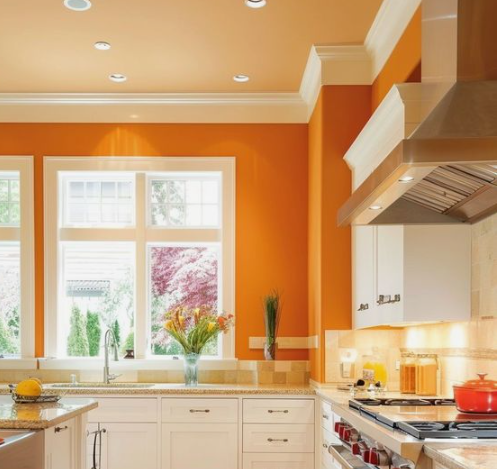
Credit: www.jswpaints.in
Popular Kitchen Colors
Choosing the right color for kitchen walls shapes the room’s mood and style. Popular colors range from timeless choices to trendy shades. Each color group offers unique benefits and can fit different kitchen designs. Consider lighting, space size, and personal taste for the best match.
Classic Whites And Neutrals
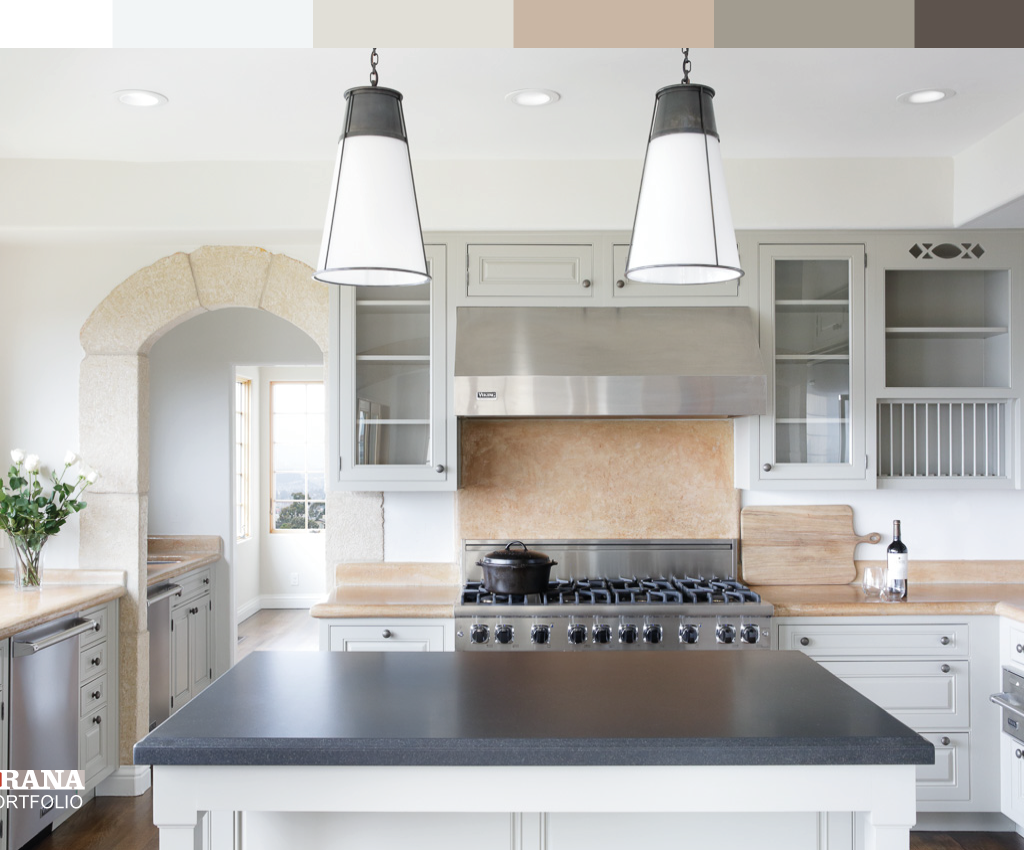
Whites and neutrals create a clean, bright, and open feel. They reflect light well, making small kitchens appear larger. These shades match almost any cabinet or countertop color. White walls offer a timeless look that stays fresh for years.
Beige, cream, and soft gray also add warmth without overwhelming. Neutral colors provide a calm backdrop, highlighting kitchen accessories or colorful decor.
Bold And Vibrant Hues
Bold colors bring energy and personality to the kitchen. Bright blues, reds, and greens make walls stand out. These shades add a modern touch and can brighten dull spaces.
Use vibrant colors on one wall for an accent or throughout for a dramatic effect. Pair bold walls with simple cabinets to balance the look. These hues inspire creativity and make cooking more fun.
Soft Pastels And Muted Tones
Pastel colors create a gentle and relaxing kitchen vibe. Light pinks, blues, and greens feel fresh and inviting. Muted tones like dusty rose or sage green add subtle color without loudness.
These shades work well in vintage or farmhouse kitchens. Soft colors blend nicely with natural wood and white appliances. They offer a soothing atmosphere for family meals and gatherings.
Color Psychology In Kitchens
Choosing the right color for your kitchen walls goes beyond just aesthetics. Colors have a powerful effect on mood and behavior, especially in spaces where you spend a lot of time like the kitchen. Understanding how different hues influence feelings can help you create a kitchen environment that suits your lifestyle and enhances your daily routine.
Energizing Colors
Bright colors like red, orange, and yellow can inject energy into your kitchen. These hues stimulate activity and conversation, making them great for kitchens where you want to feel lively and alert.
If you often find yourself needing a morning boost, painting your kitchen walls in a warm yellow might help wake up your senses. Just be mindful—too much red can sometimes feel overwhelming, so balance it with neutral tones.
Calming Shades
Soft blues, greens, and grays bring a sense of calm and relaxation to your kitchen. These colors help reduce stress, perfect if your kitchen doubles as a place to unwind or catch a quiet moment.
I once painted my kitchen a pale green, and it instantly made the space feel more peaceful. It helped me slow down during busy mornings and enjoy my coffee without rushing.
Colors That Stimulate Appetite
Some colors naturally encourage eating by stimulating your appetite. Warm tones like red and orange not only energize but also make food appear more appealing.
Think about restaurants using these colors to make meals more inviting. If you want to encourage family gatherings around the table, adding a splash of these colors on your kitchen walls could be a smart move.

Credit: www.goodhousekeeping.com
Trendy Kitchen Color Combos
Choosing the right colors for kitchen walls can transform the space entirely. Trendy kitchen color combos bring freshness and style. They create a balanced and inviting atmosphere for cooking and gathering.
Colors can highlight architectural features or make the room feel larger. Mixing shades adds depth and character. Below are popular ways to use color combinations effectively.
Two-tone Walls
Two-tone walls add interest without overwhelming the space. Paint the lower half in a darker shade and the upper half in a lighter tone. This creates a grounded, cozy feel while keeping the room bright.
Popular pairs include:
- Soft gray with crisp white
- Warm beige with muted green
- Deep navy with pale blue
This style works well with farmhouse, modern, and traditional kitchens.
Accent Walls
An accent wall focuses attention on one area. Choose a bold or contrasting color for one wall only. It breaks the monotony and adds personality.
Good choices are:
- Rich emerald behind open shelves
- Burnt orange near the dining nook
- Charcoal gray around the stove
Keep the other walls neutral to balance the look.
Complementary Color Pairings
Complementary colors sit opposite on the color wheel. They create lively, energetic spaces. Use them carefully to avoid clashing.
Examples include:
| Color 1 | Color 2 |
|---|---|
| Soft yellow | Light purple |
| Teal blue | Coral pink |
| Olive green | Warm red |
Use one color for walls and the other for cabinets or accessories.
Finishes And Textures
Choosing the right finish and texture for kitchen walls affects the room’s look and feel. Paint finishes influence light reflection and durability. Textures add depth and interest to plain walls. Combining these elements creates a unique kitchen style.
Matte Vs Glossy
Matte paint gives a soft, non-reflective surface. It hides wall flaws well. Ideal for low-traffic kitchen walls. Glossy paint shines and reflects light. It is easier to clean and resists stains. Perfect for busy kitchens or near cooking areas. Satin and semi-gloss finishes offer a balance between matte and glossy.
Textured Paint Ideas
Textured paint adds dimension and character. Popular textures include:
- Sand texture for a rough, natural look.
- Stucco finish for a Mediterranean feel.
- Knockdown texture for subtle surface variation.
- Brush or roller patterns for artistic effects.
These textures can hide minor wall imperfections and bring warmth to the kitchen.
Using Patterns And Stencils
Patterns and stencils create visual interest without extra furniture. Use geometric shapes or floral designs for style. Stencils help achieve precise and repeatable patterns. Choose light colors for subtle effects or bold hues for statement walls. This technique personalizes kitchen walls and enhances their appeal.
Tips For Testing Paint Colors
Choosing the right paint color for your kitchen walls can feel overwhelming. Testing colors carefully helps you avoid costly mistakes and ensures your kitchen looks exactly how you envision it. Here are some practical tips to help you test paint colors effectively before committing.
Sample Swatches
Start by getting small paint samples or swatches of your favorite colors. Paint patches directly on different walls or large poster boards and place them around your kitchen.
This lets you see how the color looks on a real surface. You can also move the boards to different spots to check the color against various kitchen elements like cabinets and countertops.
Observing Color At Different Times
Colors change dramatically depending on the light. Look at your test patches in the morning, afternoon, and evening to see how natural and artificial light affect them.
Notice if the color feels warmer or cooler at certain times. This will help you avoid surprises once the entire kitchen is painted.
Using Virtual Tools
Many paint brands offer free virtual painting tools online. Upload a photo of your kitchen and try different colors digitally.
While these tools aren’t 100% accurate, they give you a quick idea of how a color might work. Use them as a first step before ordering physical samples to save time and effort.
Maintaining Painted Kitchen Walls
Maintaining painted kitchen walls keeps your space fresh and inviting. Walls face constant exposure to moisture, grease, and spills. Proper care extends the life of your paint and preserves its color and finish.
Cleaning Tips
Use a soft cloth or sponge for cleaning. Mix mild soap with warm water for gentle washing. Avoid harsh chemicals that may damage paint. Wipe spills quickly to prevent stains. Test cleaning solutions on a small area first. Regular dusting helps reduce grime buildup. Dry walls with a clean cloth to avoid water spots.
Touch-up Strategies
Keep leftover paint for quick touch-ups. Match paint finish and color carefully. Use a small brush for precision. Clean the wall surface before applying paint. Feather edges to blend new paint with old. Allow touch-ups to dry fully before assessing coverage. Repeat if needed for a seamless look.
Dealing With Stains And Wear
Tackle stains promptly to avoid permanent marks. For grease stains, use a degreaser or baking soda paste. Scrub gently to protect paint. Sand lightly if paint peels or chips. Repaint affected areas for a fresh appearance. Consider washable paint types for high-traffic kitchens. Regular upkeep prevents costly repairs.
Credit: www.craftsmanpainters.com
Frequently Asked Questions
What Colors Make Kitchens Look Bigger And Brighter?
Light colors like white, pale yellow, and soft pastels make kitchens appear larger and more open. They reflect natural light well, enhancing brightness and creating a fresh, airy feel in the space.
How Do I Choose Kitchen Wall Colors With Cabinet Styles?
Match wall colors with your cabinets by choosing contrasting or complementary shades. For dark cabinets, light walls work best. For light cabinets, consider bold or warm tones to create balance and visual interest.
What Wall Color Suits Small Kitchens Best?
Soft neutrals, light grays, or pastel tones suit small kitchens well. These colors create an illusion of space and prevent the room from feeling cramped or overwhelming.
Can I Use Bold Colors For Kitchen Walls?
Yes, bold colors like navy, emerald, or red add energy and personality. Use them on accent walls or paired with neutral tones to avoid overpowering the space.
Conclusion
Choosing the right color transforms your kitchen into a welcoming space. Soft hues like light blue or pale green calm the senses. Warm tones such as yellow or red add vibrancy and energy. Neutral shades like white or beige keep it timeless and versatile.
Consider your kitchen’s lighting and size to find the perfect match. Test samples on your walls to see how they look. Remember, your kitchen should reflect your style and taste. Trust your instincts. Enjoy your newly painted kitchen walls. They set the mood for delicious meals and cherished moments.
