

Are your kitchen cabinet doors constantly banging into the wall? This small annoyance can cause ugly marks, damage to both your wall and cabinets, and even make your kitchen feel less inviting.
But don’t worry—you don’t need to call a professional or spend a fortune fixing it. You’ll discover simple, effective ways to stop your cabinet doors from hitting the wall. Keep reading, and you’ll learn easy tricks that save your kitchen from damage and make your daily routine smoother.
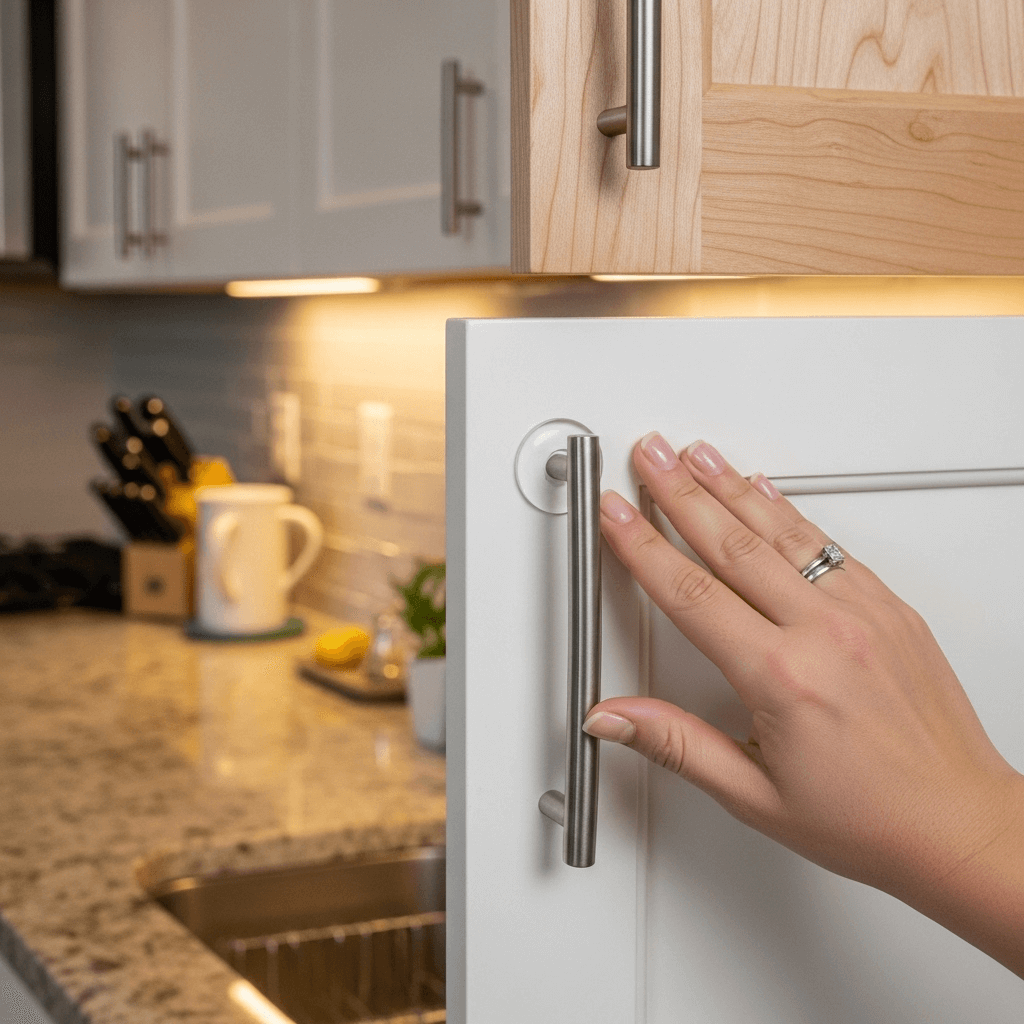
How to stop kitchen cabinet door from hitting wall
Identify The Cause
Before you can fix a kitchen cabinet door that keeps hitting the wall, you need to figure out what’s causing the problem. Identifying the cause helps you focus on the right solution without wasting time or money. Sometimes the issue is simple, but other times it could be a combination of factors.
Check Door Alignment
Look closely at how the door sits on the cabinet frame. Is it straight or slightly tilted? Misalignment often causes the door to swing wider than it should, leading to wall contact.
Try closing the door slowly while watching the gap between the door and the frame. Uneven gaps usually mean the door needs adjustment. You might find that tightening or loosening screws can realign the door perfectly.
Inspect Hinges
Hinges play a key role in controlling the door’s movement. Over time, screws can loosen or hinges can wear out, making the door swing incorrectly.
Check if any screws are loose or missing. Also, see if the hinges are bent or damaged. Sometimes replacing a hinge can stop the door from hitting the wall immediately.
Assess Wall Impact Point
Identify exactly where the door hits the wall. Is it a sharp corner, a light switch, or maybe a countertop edge? Knowing the impact point can guide you to the best fix.
Think about how often you use that door and how much force it hits the wall. You might need to add a buffer like a bumper or adjust the door’s stopping point to protect both the wall and your door.

Credit: www.reddit.com
Adjust Hinges
Adjusting the hinges is a simple way to stop your kitchen cabinet door from hitting the wall. Hinges control how the door moves and fits. Small changes to them can fix alignment problems and prevent damage to your walls.
Check the hinges carefully to see if they are loose or misaligned. Tightening screws or realigning the door position often solves the issue quickly. Sometimes, replacing damaged hinges is necessary for a lasting fix.
Tighten Loose Screws
Loose screws make the door wobble and swing too far. Use a screwdriver to tighten all the hinge screws on the cabinet frame and door. Make sure each screw is snug but do not overtighten. This simple step often stops the door from hitting the wall.
Realign Door Position
Doors can shift out of place over time. Adjust the hinge settings to move the door slightly away from the wall. Some hinges have small screws for fine-tuning the door’s position. Turn these screws a little until the door no longer hits the wall.
Replace Damaged Hinges
Hinges can wear out or bend, causing poor door movement. Inspect each hinge for cracks, rust, or bending. Replace any damaged hinge with a new one that matches the size and style. New hinges restore smooth door operation and protect your walls.
Install Door Stops
Installing door stops is a straightforward way to protect your kitchen walls from damage caused by cabinet doors swinging open. These small devices act as a buffer, preventing the door from hitting and leaving marks or dents on your wall. Understanding how to choose and place the right door stops can save you time and money on repairs.
Choose Suitable Door Stops
There are various types of door stops available, including rubber, magnetic, spring, and hinge-mounted stops. Rubber door stops are ideal if you want a soft cushion that absorbs impact quietly. Magnetic stops hold the door open and prevent it from swinging too far, which is great for busy kitchens.
Consider your kitchen’s style and cabinet design. For example, if you have modern cabinets, sleek magnetic stops might blend in better than bulky rubber ones. What kind of door stop fits your kitchen’s look and function best?
Placement Options
Door stops can be installed in several places depending on the type you choose and the layout of your kitchen. Wall-mounted stops protect the wall by catching the door before it hits. These are perfect if your cabinet doors open towards a narrow space.
Hinge-mounted stops limit how far the door swings by adjusting the door’s movement at the hinge. This option keeps your walls safe without adding anything to the surface. You can also use floor-mounted stops if your cabinet doors swing wide and hit lower parts of the wall.
Diy Installation Tips
Installing door stops yourself is easier than you might think. Start by marking the spot where the door touches the wall or frame. Use a pencil to mark this area clearly—accuracy here makes a big difference.
For wall-mounted stops, drill small pilot holes to avoid cracking the wall, then screw the stop in place. If you’re using hinge-mounted stops, loosen the hinge screws slightly, fit the stop, and tighten back securely. Always test the door’s movement after installation to make sure the stop works perfectly.
Add Bumpers Or Pads
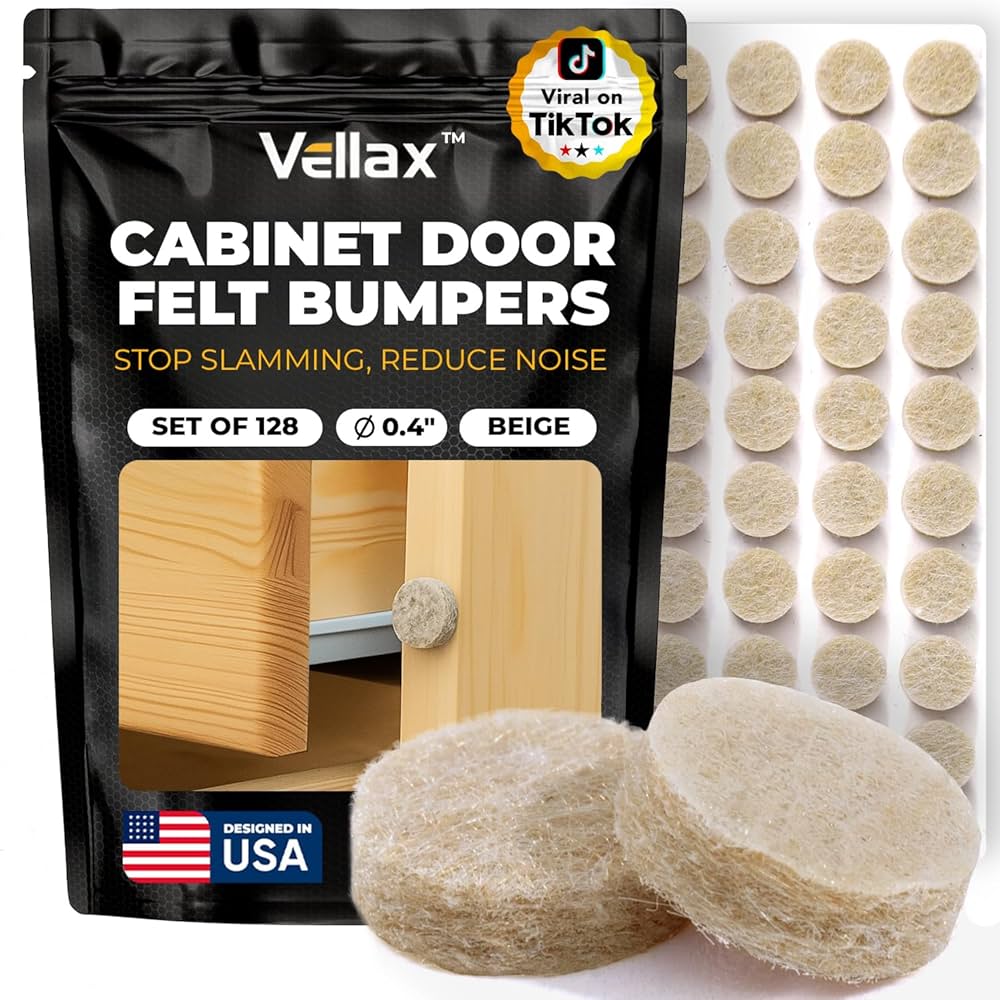
Adding bumpers or pads is a simple way to stop kitchen cabinet doors from hitting the wall. These small cushions absorb the impact and protect both the door and the wall. They reduce noise and prevent damage over time. Bumpers are easy to install and come in different materials and shapes to fit your needs.
Types Of Bumpers
- Rubber bumpers:Soft and flexible, they absorb shock well.
- Foam pads:Lightweight and easy to cut to size.
- Silicone bumpers:Durable and resistant to wear.
- Cork pads:Natural material, gentle on surfaces.
- Adhesive felt pads:Thin and quiet, perfect for light impact.
Correct Placement
Place bumpers on the inside edge of the cabinet door. Focus on the areas that touch the wall. Usually, the top corner or side edge needs protection. Test the door by gently closing it to find the exact spot. Stick the bumper securely to prevent it from falling off.
Maintaining Bumpers
Check bumpers regularly for wear or peeling. Clean them with a damp cloth to keep them sticky. Replace any that are flattened or damaged. Proper maintenance ensures long-lasting protection for your walls and cabinets.
Use Magnetic Catches
If your kitchen cabinet door keeps banging against the wall, magnetic catches offer a simple and effective solution. These small devices hold the door securely in place, preventing it from swinging open too far and causing damage. Installing magnetic catches is a quick fix that can save you from unsightly marks and noisy slams.
Benefits Of Magnetic Catches
Magnetic catches are easy to install and require no special tools. They provide a gentle but firm hold, which means your cabinet doors close smoothly without force. You’ll also find they are durable, lasting for years without needing replacement.
Another plus is that magnetic catches don’t interfere with the cabinet’s appearance. They are small and often hidden inside the door frame, keeping your kitchen looking neat. Plus, they reduce wear and tear on both the door and the wall, saving you money on repairs.
Installation Steps
- Start by closing the cabinet door and marking where it hits the wall.
- Attach the metal plate part of the catch on the wall or cabinet frame opposite the door edge.
- Fix the magnet component inside the cabinet door, aligning it with the metal plate.
- Use screws provided with the catch, making sure both parts line up perfectly when the door closes.
- Test the door to ensure it holds firmly without hitting the wall.
Adjusting Magnetic Strength
Not all magnetic catches have the same holding power. If your cabinet door doesn’t stay closed or is hard to open, adjusting the magnet’s position can help. Moving the magnet closer or further from the metal plate changes the strength of the hold.
Some magnetic catches allow you to swap magnets for stronger or weaker ones. Think about how often you open the door—stronger magnets keep it shut better but might be harder to open. Experiment with placement and magnet strength until you find the perfect balance for your kitchen.
Consider Door Replacement
When your kitchen cabinet door keeps hitting the wall, replacing the door might be the best fix. Sometimes, the existing door is warped, too large, or simply worn out. Instead of constant adjustments or repairs, a new door can offer a clean and lasting solution.
Signs You Need A New Door
Look closely at your cabinet door. Is it cracked, warped, or swollen from moisture? These issues cause the door to misalign and hit the wall repeatedly.
Another sign is loose or damaged hinges that don’t hold the door properly. If tightening the screws doesn’t help, the door might no longer fit well.
Also, consider if the door style feels outdated or doesn’t match your kitchen anymore. Sometimes replacing the door is about both function and fresh looks.
Choosing The Right Door
Pick a door that fits the exact dimensions of your cabinet frame. Measure carefully to avoid another door that sticks or hits the wall.
Think about the door material too. Solid wood offers durability but can expand with humidity. MDF or laminate doors resist moisture better and stay stable.
Don’t forget style and finish—your new door should blend with your kitchen’s overall design. Whether modern flat panels or classic raised panels, choose what feels right for you.
Professional Vs Diy Replacement
Replacing a cabinet door yourself saves money and can be satisfying if you have basic tools and skills. You’ll need a drill, screwdriver, and possibly a level to get it right.
However, if the door requires precise fitting or hinge adjustments, a professional can ensure a perfect job without trial and error.
Ask yourself: do you have the time and patience for careful measuring and installation? If not, hiring a pro might save frustration and avoid mistakes that lead to more wall damage.
Prevent Future Damage
Preventing future damage to your kitchen walls and cabinets extends the life of your kitchen. Small efforts can stop dents and marks from forming. This protects both function and looks of your space.
Regular care keeps cabinets working smoothly. Gentle handling avoids sudden hits that harm walls. Adding simple protective layers can block damage. These steps together keep your kitchen neat and safe.
Regular Maintenance
Check cabinet doors often for loose hinges or screws. Tighten any parts that feel weak or wobbly. Clean hinges with a dry cloth to remove dust. Apply a small amount of lubricant to hinges to keep doors moving easily. Well-maintained doors close softly and reduce wall contact.
Avoiding Forceful Closing
Close cabinet doors gently instead of slamming. Teach family members to handle doors with care. Install soft-close hinges that slow the door before it shuts. These hinges protect both the door and the wall. Avoid pushing doors hard to stop damage over time.
Protective Wall Coverings
Use wall guards behind cabinet doors to absorb impact. Materials like clear plastic bumpers or foam strips work well. Stick these guards on the wall where the door hits. They prevent paint chips and dents. Wall coverings are easy to install and replace.
Credit: www.amazon.com
Frequently Asked Questions
How Can I Prevent Cabinet Doors From Hitting The Wall?
Install bumpers or adhesive pads on the cabinet door edges to absorb impact. Alternatively, use a doorstop or adjust the hinges for better clearance.
What Materials Work Best To Stop Door Damage?
Soft rubber or silicone bumpers are ideal because they cushion the door and prevent marks or dents on walls effectively.
Can Hinge Adjustments Fix Cabinet Door Collisions?
Yes, tightening or loosening hinges can realign doors and increase space between the door and the wall, reducing collisions.
Are Magnetic Catches Useful For Cabinet Doors?
Magnetic catches hold cabinet doors closed firmly, preventing them from swinging open forcefully and hitting the wall.
Conclusion
Stopping kitchen cabinet doors from hitting the wall is easy. Use door stoppers or cushions. These solutions are affordable and simple. They protect your walls from damage. Plus, they keep your kitchen looking neat. You can install them quickly without any hassle.
Regular maintenance also helps. Check hinges and fix loose screws. With these tips, you can enjoy a quieter kitchen. No more loud bangs or wall marks. Try these solutions today for a peaceful kitchen environment.
