

Are you ready to give your kitchen a fresh, stylish look without spending a fortune? Putting a backsplash on your kitchen wall is one of the easiest and most effective ways to transform your space.
Whether you want to protect your walls from spills or add a splash of personality, this simple upgrade can make a big difference. In this guide, you’ll discover step-by-step how to install a backsplash yourself, even if you’ve never done it before.
Keep reading, and by the end, you’ll have the confidence to tackle this project and enjoy a kitchen that looks both beautiful and functional.

Credit: carlaaston.com
Choose The Right Backsplash
Choosing the right backsplash sets the tone for your kitchen’s look. It protects walls from splashes and stains while adding style. The right choice balances durability, appearance, and budget. Understanding material types and design helps make the best decision.
Types Of Backsplash Materials
Backsplashes come in many materials. Each offers unique benefits and looks.
- Tile:Ceramic and porcelain tiles are popular. They resist water and are easy to clean.
- Glass:Glass backsplashes reflect light and brighten kitchens. They need gentle cleaning.
- Stone:Marble, granite, and slate add natural texture. Stone is durable but may need sealing.
- Metal:Stainless steel or copper bring a modern or rustic feel. They resist heat well.
- Peel-and-Stick:Easy to install and budget-friendly. Not as durable as other types.
Consider Your Kitchen Style
Your backsplash should match your kitchen’s style. Modern kitchens suit sleek glass or metal backsplashes. Traditional kitchens look great with classic tile or stone. Rustic kitchens pair well with natural stone or copper. Think about colors and patterns that blend with cabinets and countertops.
Budgeting For Your Project
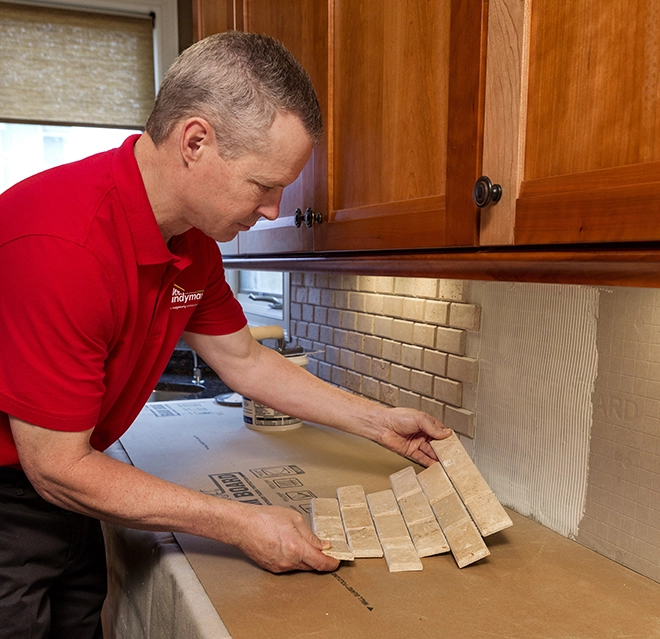
Backsplash costs vary by material and size. Tiles and peel-and-stick options fit smaller budgets. Stone and metal may cost more but last longer. Don’t forget to include costs for grout, adhesive, and tools. Plan for labor costs if hiring a professional. Setting a clear budget avoids surprises during installation.
Credit: www.mrhandyman.com
Prepare The Wall Surface
Preparing the wall surface is a key step before installing a kitchen backsplash. A clean and smooth wall ensures the backsplash sticks well and looks great. Skipping preparation can cause tiles to fall off or the backsplash to look uneven. Take time to get the wall ready for the best results.
Clean And Dry The Wall
Start by wiping the wall to remove dust, grease, and dirt. Use a mild detergent with water for tough stains. Rinse with clean water and let the wall dry completely. A dry wall helps the adhesive bond better with the backsplash.
Remove Old Backsplash Or Paint
Take off any old backsplash materials carefully. Use a scraper or putty knife to lift tiles or panels. If the wall has peeling paint, scrape it off too. A smooth, bare surface is easier to work with and improves adhesion.
Repair Any Wall Damage
Check the wall for holes, cracks, or uneven spots. Fill small holes and cracks with spackling compound. Sand the repaired areas until smooth once dry. Fixing damage creates a flat surface for the backsplash and prevents future problems.
Measure And Plan Layout
Measuring and planning your backsplash layout is crucial to ensure a smooth installation. Accurate measurements help you avoid costly mistakes and reduce waste. Planning the layout in advance lets you visualize how the tiles will look on your kitchen wall, making the entire process less stressful and more efficient.
Take Accurate Measurements
Start by measuring the width and height of the wall space where you want to place the backsplash. Use a tape measure and write down the dimensions carefully. Don’t forget to account for any outlets, windows, or corners that might affect your tile placement.
Measure twice to avoid errors—it’s easy to misread or drop a number. Double-check the measurements at different points along the wall to catch any unevenness. This step saves you from ordering too many or too few tiles.
Create A Tile Layout Plan
Once you have your measurements, sketch a simple layout on paper or use a digital tool. Mark where each tile will go, including any cuts needed around edges or obstacles. This plan helps you see how tiles will fit and where to place full tiles versus partial ones.
Think about the pattern you want—straight rows, diagonal, or something more creative. Decide if you want a centered design or if tiles should start flush with one side. Planning your layout reduces surprises and keeps your project on track.
Cut Tiles To Fit Edges
Not all tiles will fit perfectly at the edges of your backsplash area, so you’ll need to cut some. Use a tile cutter or a wet saw to trim tiles to the right size. Take your time with cuts to ensure clean edges and a professional finish.
Mark the tiles clearly before cutting, and wear safety gear to protect yourself. If you’re unsure about cutting, practice on a spare tile first. Properly fitting tiles at edges make your backsplash look polished and seamless.
Gather Tools And Materials
Before you begin putting a backsplash on your kitchen wall, gathering the right tools and materials is crucial. Having everything organized will save you time and reduce frustration. It also ensures your backsplash looks professional and lasts for years.
Essential Tools Needed
You’ll need a few basic tools to get started. These include a tape measure to get accurate dimensions and a level to keep your backsplash straight. A tile cutter or wet saw is essential if you’re working with tiles that need trimming.
Other helpful tools are a notched trowel for spreading adhesive evenly, a rubber float for applying grout, and a sponge for cleaning excess grout. Don’t forget a pencil for marking cuts and a utility knife for trimming any backing material.
Choosing The Right Adhesive
Not all adhesives are made equal. The type you choose depends on the backsplash material and the wall surface. For ceramic or glass tiles, thin-set mortar works well and provides a strong hold.
For peel-and-stick tiles or lighter materials, a strong construction adhesive or double-sided tape may be sufficient. Ask yourself: will your adhesive hold up against kitchen heat and moisture? Selecting the right one prevents future peeling or damage.
Safety Equipment
Safety is often overlooked but essential. Protect your eyes with safety goggles, especially when cutting tiles or mixing adhesives. Gloves will shield your hands from sharp edges and harsh chemicals.
Consider wearing a dust mask if you’re cutting tiles to avoid inhaling dust particles. Have good ventilation in your workspace to keep the air fresh. Taking these precautions keeps your project safe and stress-free.
Apply Adhesive And Install Tiles
Applying adhesive and installing tiles is a key step for a strong backsplash. The right approach keeps tiles in place and ensures a smooth look. Careful work here saves time and prevents future repairs.
Spread Adhesive Evenly
Use a notched trowel to spread adhesive on the wall. Apply a thin, even layer for good tile bonding. Work in small sections to prevent the adhesive from drying too fast. Check for coverage and avoid thick spots that cause lumps.
Place Tiles Carefully
Press each tile firmly onto the adhesive. Align tiles with the guide marks or pencil lines on the wall. Press gently but firmly to remove air pockets. Adjust tiles before the adhesive sets to keep a straight line. Use a level to confirm tiles stay even.
Use Spacers For Even Gaps
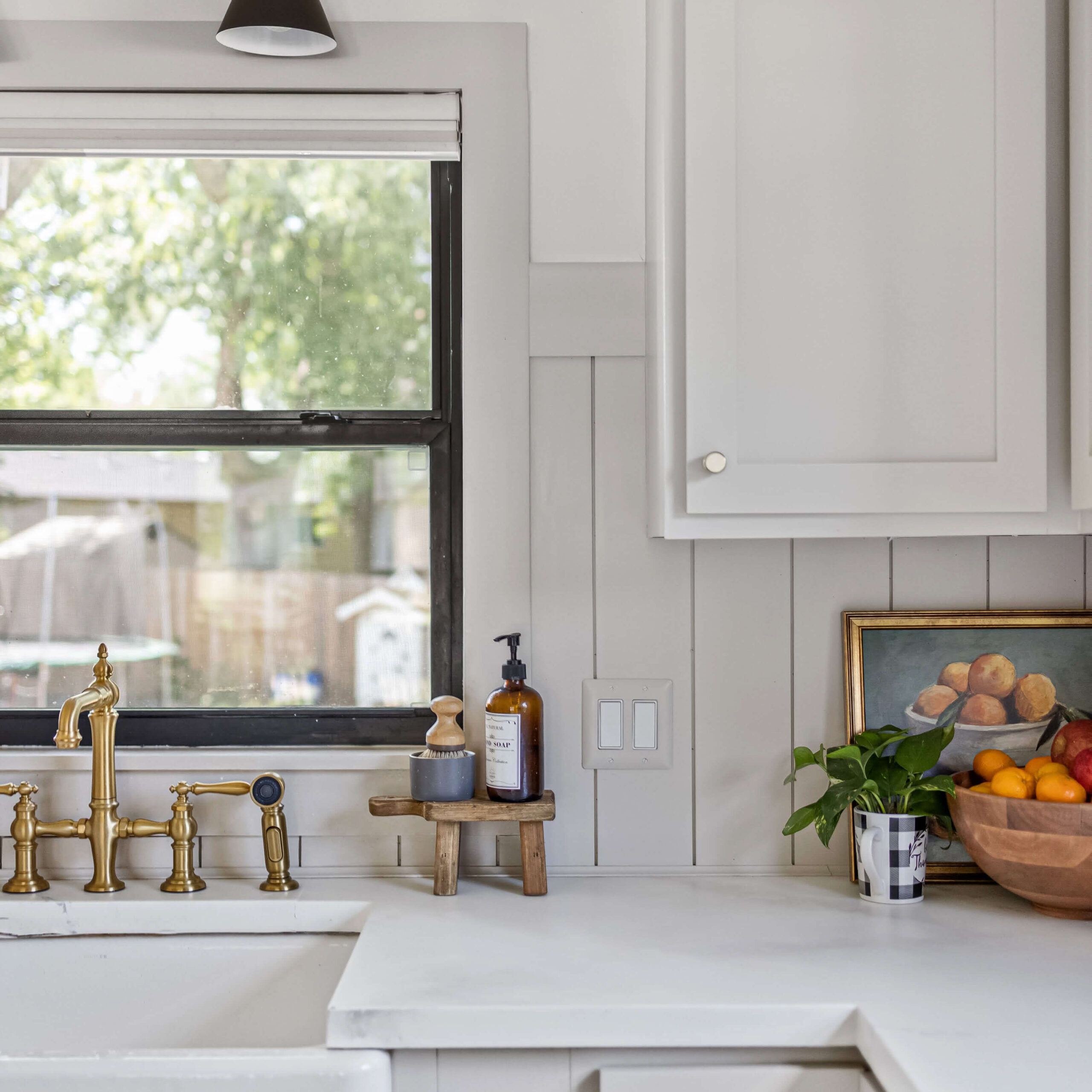
Insert tile spacers between each tile to keep gaps uniform. Consistent spacing helps grout flow evenly later. Choose spacer size based on your grout width preference. Remove spacers after the adhesive hardens but before grouting. Even gaps improve the backsplash’s overall look and durability.
Credit: crystelmontenegrohome.com
Grout The Tiles
Grouting the tiles is a vital step in installing a kitchen backsplash. It fills the gaps between tiles, giving a clean and finished look. Grout also seals the spaces, preventing water and dirt from getting behind the tiles. Proper grouting improves the durability and appearance of your backsplash.
Mix Grout Properly
Start by preparing the grout mix. Use a clean bucket and add grout powder. Slowly pour water while stirring. Mix until the texture is smooth and thick, like peanut butter. Avoid lumps or dry spots. Let the grout sit for a few minutes to thicken slightly before applying.
Apply Grout Between Tiles
Use a rubber grout float to spread the grout. Hold the float at a 45-degree angle. Press grout firmly into the gaps between tiles. Work in small sections to keep grout from drying too fast. Make sure all spaces are fully filled without gaps or air bubbles.
Clean Excess Grout
After applying, wait about 10 to 15 minutes. Use a damp sponge to wipe off grout from tile surfaces. Rinse the sponge often to avoid smearing grout. Be gentle to avoid pulling grout out of the joints. Let the grout cure for 24 hours before using the backsplash area.
Finishing Touches
Finishing touches are what transform your backsplash from a simple installation into a polished, professional-looking feature. These final steps protect your work and ensure it lasts for years. Taking the time to properly finish your backsplash pays off in durability and style.
Seal The Grout
Sealing the grout is essential to prevent stains and moisture from seeping in. After the grout has dried completely, apply a grout sealer with a small brush or applicator. This step helps keep your backsplash clean and reduces the chance of mold or mildew forming in the grout lines.
Think about how often your kitchen walls get splashed—without sealing, grout can absorb oils, sauces, and water. Sealing creates a barrier that saves you time on cleaning and keeps your backsplash looking fresh.
Install Edging Or Trim
Adding edging or trim gives your backsplash a neat, finished look and hides any rough tile edges. You can use metal, wood, or plastic trim strips designed for tile edges. Choose a style that complements your kitchen’s design for a seamless appearance.
In my own kitchen, I added a slim stainless steel trim that perfectly matched the appliances and gave the backsplash a sleek outline. This small addition made a big difference in the overall look and feel of the space.
Allow Proper Drying Time
Patience is key after installation. Let your backsplash dry thoroughly before exposing it to water or heavy use. This drying period ensures that grout, sealer, and adhesive fully set, preventing damage or weakening of the tiles.
Rushing this step can lead to tiles loosening or grout cracking. Think about how a cake needs time to cool before frosting—your backsplash needs time to settle before you test it with daily kitchen activity.
Maintenance Tips
Keeping your kitchen backsplash looking fresh and new requires regular care. Maintenance isn’t just about appearances; it protects your investment and keeps your kitchen hygienic. The key is to stay consistent with cleaning and address issues before they grow.
Regular Cleaning Methods
Use a soft cloth or sponge with warm, soapy water to wipe down your backsplash daily. Avoid harsh chemicals that can damage tile glaze or grout. For tougher spots, a mixture of baking soda and water creates a gentle scrub that removes grime without scratching.
Try to clean spills immediately to prevent buildup. Have you noticed how grease can settle quickly if not wiped away? Staying on top of this makes a big difference.
Preventing Mold And Stains
Moisture is the enemy of your backsplash, especially in grout lines. Ensure your kitchen is well-ventilated to reduce humidity. After cooking, wipe down the backsplash with a dry cloth to remove excess moisture.
Sealing your grout every six months creates a waterproof barrier that stops stains and mold from taking hold. You don’t want to wait until you see black spots to act. Prevention is easier than scrubbing away stubborn mold.
When To Repair Or Replace
Cracks or missing grout are signs you need to repair quickly to avoid water damage behind the tiles. Small chips can be fixed with epoxy or grout repair kits available at hardware stores.
If tiles are loose or extensively cracked, replacement might be necessary. Consider if the damage affects the backsplash’s function or if it just looks bad. Sometimes, replacing a few tiles can give your kitchen a fresh look without a full remodel.
Frequently Asked Questions
How Do I Prepare The Kitchen Wall For A Backsplash?
Clean the wall thoroughly and remove any grease or dust. Repair holes or uneven surfaces. Use a primer if necessary for better tile adhesion.
What Materials Are Best For Kitchen Backsplash Installation?
Popular materials include ceramic tiles, glass, stainless steel, and natural stone. Choose based on style, durability, and ease of cleaning.
How Long Does It Take To Install A Kitchen Backsplash?
Installation typically takes 1 to 3 days, depending on wall size and material complexity. Allow extra drying time for adhesives and grout.
Can I Install A Backsplash Myself Or Hire A Professional?
DIY installation is possible for simple designs with basic tools. Complex patterns or materials may require professional skills for best results.
Conclusion
Transforming your kitchen with a backsplash is simple and rewarding. Follow the steps carefully, and you’ll have a stunning result. Choose the right materials for your style and needs. Measure your space accurately to avoid mistakes. Prepare your wall thoroughly before installing.
Use quality adhesive for long-lasting results. Align tiles properly for a professional look. Seal the edges to prevent water damage. Enjoy the fresh, updated look of your kitchen. With patience and attention to detail, your backsplash project will succeed. Your kitchen will shine with new elegance and charm.
