

Are you tired of scrubbing your kitchen walls every time you cook? Grease stains can turn your beautiful kitchen into a messy, sticky nightmare.
But what if you could stop the grease before it even reaches your walls? You’ll discover simple and effective ways to protect your kitchen walls from grease buildup. By following these easy steps, you’ll save time, keep your kitchen looking fresh, and enjoy cooking without worrying about the mess.
Keep reading to find out how you can make your kitchen cleaner and more enjoyable every day.

Credit: www.amazon.com
Causes Of Kitchen Grease Buildup
Kitchen grease buildup on walls happens due to several common causes. Understanding these causes helps keep your kitchen clean and fresh. Grease sticks to walls easily and can be tough to remove. It comes from cooking activities and the way you handle food preparation.
Common Sources Of Grease
Grease often comes from frying and cooking with oil. Hot oil splatters onto nearby walls during cooking. Steam carries tiny grease particles that settle on surfaces. Smoke from grilled or fried food also leaves a greasy residue. These sources combine and create visible stains on kitchen walls.
How Cooking Habits Affect Walls
Frequent frying or cooking with a lot of oil increases grease buildup. Cooking without using lids or splatter screens spreads grease further. Not cleaning kitchen walls regularly lets grease accumulate over time. Using high heat can cause more oil to vaporize and stick to surfaces. Ventilation also plays a role; poor airflow traps grease in the kitchen.
Credit: www.amazon.com
Choosing The Right Wall Materials
Choosing the right wall materials helps keep your kitchen clean and fresh. Grease can stick to many surfaces and cause stains and odors. Picking materials that resist grease makes cleaning easier and protects your walls. This choice saves time and keeps your kitchen looking good.
Grease-resistant Paints
Grease-resistant paints create a smooth, sealed surface on walls. They stop oil and grease from soaking in. These paints also allow easy wiping with a cloth. Look for paints labeled as washable or scrubbable. They keep walls bright and clean for longer.
Tiles And Backsplashes
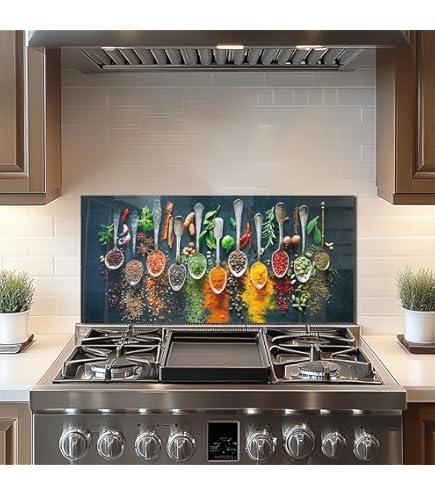
Tiles are a top choice for kitchens. They come in many colors and styles. Tiles do not absorb grease. Wiping them is quick and simple. Backsplashes protect walls near the stove and sink. They prevent grease from reaching the wall and reduce damage.
Easy-to-clean Surfaces
Choose surfaces that clean with little effort. Smooth materials like glass or stainless steel work well. They do not trap grease or dirt. Surfaces with fewer grooves or textures are best. Cleaning becomes faster and more effective, saving effort every day.
Effective Ventilation Solutions
Effective ventilation plays a crucial role in keeping your kitchen walls free from stubborn grease buildup. Without proper airflow, cooking fumes settle on surfaces, creating a sticky, hard-to-clean layer. Tackling this with smart ventilation solutions not only protects your walls but also improves the overall air quality in your kitchen.
Installing Range Hoods
Range hoods are powerful tools that capture grease and smoke right at the source. Installing one above your stove can drastically reduce airborne grease particles. Look for models with a high extraction rate and easy-to-clean filters to maintain efficiency over time.
Have you noticed how some kitchens smell fresher even after heavy cooking? That’s often thanks to a well-chosen range hood doing its job. Opt for a hood that vents outside rather than recirculating air to prevent grease from settling back on your walls.
Using Exhaust Fans
Exhaust fans help draw out heat, moisture, and grease-laden air from your kitchen. Placing them near cooking areas or windows ensures grease doesn’t linger and settle on your walls. A quiet, energy-efficient model encourages regular use, which is key to preventing buildup.
Consider the size of your kitchen when choosing an exhaust fan. Too small, and it won’t remove enough air; too large, and it could create uncomfortable drafts. Have you tried running your exhaust fan a few minutes before and after cooking? That little habit can make a big difference.
Natural Ventilation Tips
Opening windows and doors during and after cooking helps grease particles escape naturally. Cross-ventilation—where air flows in through one opening and out another—can speed up the clearing of kitchen air. Even simple actions like using a fan to push air outside can reduce grease buildup.
Think about your kitchen layout: Can you create a breeze that sweeps through while you cook? If you live in a place with fresh air outside, use it to your advantage. How often do you let your kitchen air out after cooking?
Daily Cleaning Practices
Keeping your kitchen walls free from grease can feel like a constant battle. However, daily cleaning practices can make a huge difference in maintaining a fresh and clean cooking space. Simple habits, done consistently, prevent grease from building up and turning into stubborn stains.
Wiping Down After Cooking
One of the easiest ways to keep grease off your kitchen walls is to wipe them down right after cooking. When oil splatters while you’re frying or sautéing, it’s still fresh and easier to remove. Waiting until the next day makes the grease sticky and harder to clean.
Keep a microfiber cloth or sponge handy near your stove. Use it to gently wipe the walls where grease tends to settle. You’ll notice your kitchen stays cleaner and smells fresher without much extra effort.
Using The Right Cleaning Agents
Not all cleaners work the same on grease. You want something that breaks down oil without damaging your paint or wallpaper. A mixture of warm water and mild dish soap often does the trick.
For tougher spots, try a vinegar-water solution or a baking soda paste. These options are safe, affordable, and effective. Avoid harsh chemicals that can harm your walls or leave behind toxic residues, especially if you have kids or pets.
Preventing Stains Before They Set
What if you could stop stains before they even start? Spraying a light coat of water or a vinegar solution on the walls before cooking can create a barrier that reduces grease sticking. It’s a simple trick that many overlook.
Also, using range hoods or exhaust fans during cooking helps trap grease particles in the air. This means fewer droplets landing on your walls. Have you tried setting a reminder to turn on your exhaust fan every time you cook? It’s a small step that pays off big.
Preventive Cooking Tips
Preventing grease buildup on kitchen walls starts with smart cooking habits. Small changes during cooking can reduce splatters and keep walls clean. Following simple tips saves time and effort in cleaning later.
Managing Oil Splatter
Use less oil to reduce splatter. Pour oil slowly and spread it evenly in the pan. Avoid overcrowding the pan; food releases water that causes splatter. Dry ingredients well before cooking to limit moisture. Clean spills immediately to stop grease from spreading.
Using Lids And Splatter Guards
Cover pans with lids or splatter guards while cooking. They block grease from reaching walls and counters. Choose lids that fit well to trap steam and grease. Splatter guards let steam escape but catch oil drops. Use mesh or silicone guards for easy cleaning.
Adjusting Cooking Temperatures
Cook at medium or low heat to control splatter. High heat makes oil pop and splatter more. Heat oil slowly before adding food for better control. If food sizzles too much, lower the heat quickly. Keeping stable temperatures reduces grease flying around.

Credit: www.amazon.com
Regular Maintenance Checks
Regular maintenance checks keep kitchen walls free from stubborn grease build-up. These checks catch problems early before they worsen. Consistent care ensures your kitchen stays clean and fresh. Follow simple steps to maintain your walls effectively.
Inspecting Walls For Early Signs
Look closely at kitchen walls for any grease spots or stains. Check corners and areas behind the stove carefully. Early detection stops grease from spreading and hardening. Clean small spots immediately to prevent long-term damage.
Scheduling Deep Cleaning
Set a routine for deep cleaning kitchen walls every few weeks. Use gentle, grease-cutting cleaners to avoid wall damage. Focus on areas near cooking zones where grease builds up fastest. Deep cleaning removes hidden grease and keeps walls bright.
Maintaining Ventilation Systems
Keep kitchen vents and exhaust fans clean and working well. Grease and dust block airflow and reduce ventilation efficiency. Clean or replace filters regularly to improve air quality. Good ventilation lowers grease accumulation on walls and ceilings.
Frequently Asked Questions
How Can I Stop Grease From Sticking To Kitchen Walls?
Use a high-quality kitchen backsplash to protect walls. Regularly clean walls with degreasing agents. Ensure proper ventilation to reduce grease buildup.
What Materials Prevent Grease Stains On Kitchen Walls?
Materials like glass, stainless steel, ceramic tiles, and washable paint resist grease. These surfaces are easy to clean and maintain.
How Often Should I Clean Kitchen Walls To Prevent Grease?
Clean kitchen walls weekly to prevent grease buildup. Wipe splatters immediately after cooking. Regular cleaning keeps walls fresh and grease-free.
Can Ventilation Reduce Kitchen Wall Grease?
Yes, good ventilation reduces airborne grease particles. Use exhaust fans or range hoods to remove smoke and grease. Proper airflow minimizes grease deposition on walls.
Conclusion
Keeping kitchen walls grease-free enhances cleanliness and hygiene. Regular cleaning helps maintain a fresh look. Use splatter guards while cooking to reduce mess. Wipe surfaces immediately after spills to prevent build-up. Choose washable paint or easy-to-clean wallpaper for lasting protection.
These tips make cleaning easier and more effective. A tidy kitchen feels welcoming and pleasant. Maintaining your kitchen walls saves time and effort. Enjoy cooking without worrying about stubborn grease stains. Happy cooking!
