

Are you tired of staring at the same dull kitchen walls every day? Imagine transforming your kitchen into a vibrant, welcoming space that reflects your personality and style.
Painting your kitchen walls is one of the easiest and most cost-effective ways to breathe new life into your home. You don’t need to be a professional artist to achieve a stunning result. With the right tools, a splash of creativity, and a few expert tips, you can turn this DIY project into a fun and rewarding experience.
Stick around, and discover how you can effortlessly elevate your kitchen’s ambiance with a fresh coat of paint. Your dream kitchen is just a brushstroke away!
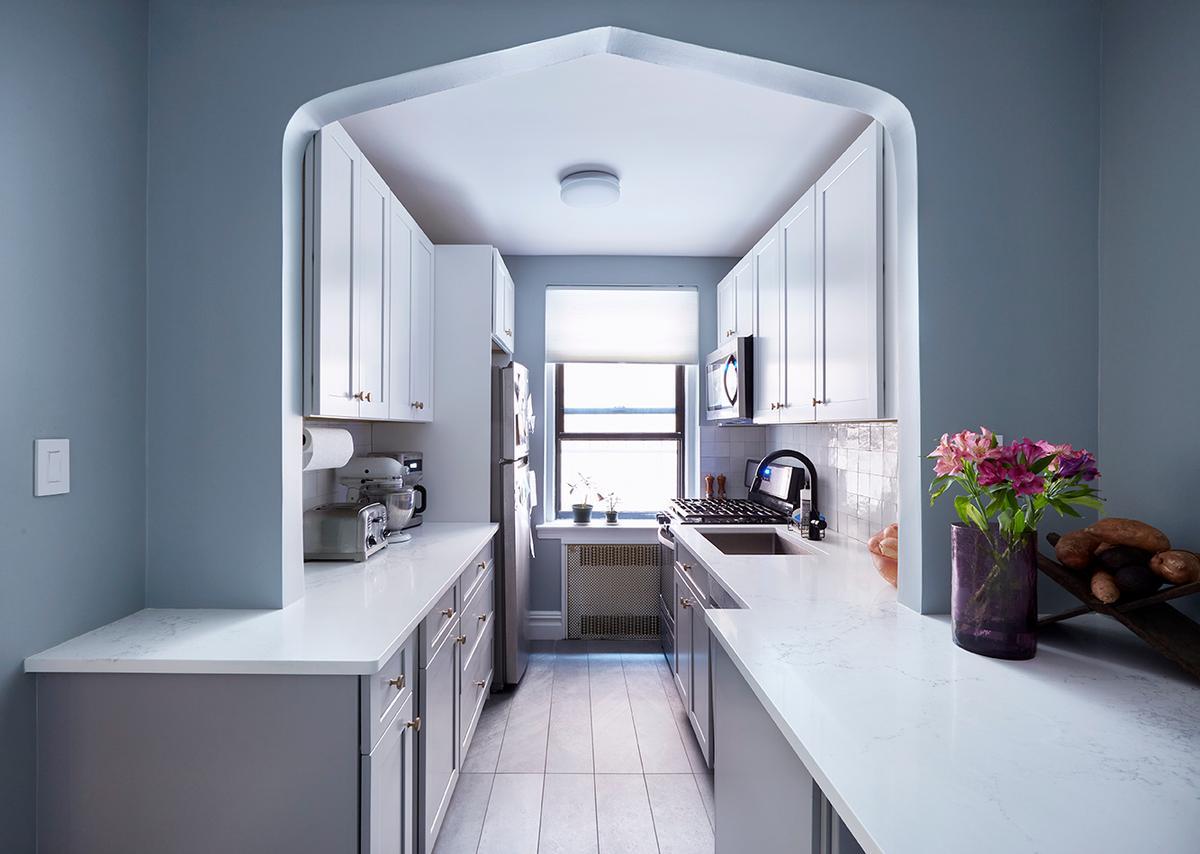
Credit: www.blockrenovation.com
Choosing The Right Paint
Choosing the right paint is essential for a beautiful and lasting kitchen finish. Paint affects not only the look but also the durability of your walls. The kitchen faces moisture, heat, and frequent cleaning. These factors need paint that can handle them well. Picking the correct type and color ensures your kitchen stays fresh and inviting.
Types Of Paint Finishes
Paint finishes affect the shine and durability of your kitchen walls. Common finishes include:
- Matte:No shine, hides wall imperfections well.
- Eggshell:Slight sheen, easy to clean, good for kitchens.
- Satin:Smooth finish, durable, resists moisture.
- Semi-gloss:Shiny, very durable, great for high-traffic areas.
- Gloss:Very shiny, easy to wipe, best for cabinets and trim.
Satin and semi-gloss finishes are popular for kitchen walls. They balance shine and durability.
Selecting Kitchen-friendly Paint
Kitchen paint must resist stains, moisture, and heat. Look for paints labeled “kitchen” or “bathroom” paint. These contain special ingredients to prevent mold and mildew. Choose paints with low or zero VOC (volatile organic compounds). They are safer for indoor air quality. Durable paints reduce the need for frequent repainting.
Color Selection Tips
Colors set the mood and style of your kitchen. Light colors make the space feel larger and cleaner. Dark colors add warmth and depth but may show stains more easily. Neutral tones like beige, gray, or soft white blend well with many designs. Test paint samples on your walls. Observe them in different lights before deciding. Consider your cabinets, countertops, and flooring to match colors.
:max_bytes(150000):strip_icc()/GettyImages-1648288633-b274a52a3b414606b8837cf39b4e70be.jpg "How to Paint Your Kitchen Walls: Expert Tips for a Stunning Makeover 2")
Credit: www.thespruce.com
Preparing The Walls
Preparing your kitchen walls before painting is a crucial step that sets the foundation for a smooth, long-lasting finish. Skipping this part can lead to uneven coverage, peeling paint, or visible imperfections. Taking time to properly prep ensures your hard work shines through in the final look.
Cleaning And Repairing Surfaces
Start by cleaning your walls thoroughly to remove grease, dirt, and dust. Kitchen walls often have stubborn grease spots that regular soap might not tackle effectively. Use a mixture of warm water and mild detergent, or a grease-cutting cleaner for tough stains.
After cleaning, inspect the walls for cracks, holes, or peeling paint. Patch small holes with spackle and larger imperfections with joint compound. Sand these areas smooth once dry to create an even surface that your paint will adhere to better.
Priming For Better Coverage
Priming your walls can dramatically improve paint adhesion and coverage, especially if you’re painting over dark colors or stained surfaces. A good primer blocks stains and prevents the old color from showing through your new paint.
Choose a primer suited to your wall type—latex primers work well for drywall, while oil-based primers are better for wood or metal surfaces. Applying primer may feel like an extra step, but it saves time and paint in the long run.
Protecting Fixtures And Floors
Protecting your kitchen fixtures and floors is key to avoiding costly cleanups. Use painter’s tape to cover edges around cabinets, countertops, and outlets. Drop cloths or old sheets can shield your floors from drips and spills.
Take a moment to remove any switch plates or outlet covers before taping. This small effort helps you paint closer to edges without leaving uneven lines. Have you ever painted a wall only to find paint splattered on your floor? Taking these precautions prevents that frustration.
Essential Tools And Materials
Painting your kitchen walls needs the right tools and materials. These help you get smooth, clean results. Using good quality items also saves time and effort. Preparing before you start makes the job easier and more fun.
Gather all necessary supplies to avoid interruptions. Proper tools protect surfaces and help you paint neatly. Below are essential tools you will need for a successful kitchen wall painting project.
Brushes And Rollers
Choose brushes and rollers based on your paint type and wall texture. Use angled brushes for edges and corners. Rollers cover large areas quickly and evenly. Select roller nap length according to wall surface:
- Short nap for smooth walls
- Medium nap for lightly textured walls
- Long nap for rough or bumpy surfaces
High-quality brushes and rollers reduce streaks and paint drips. Clean them properly after use to keep them in good condition.
Painter’s Tape And Drop Cloths
Painter’s tape protects trims, cabinets, and countertops from paint marks. Apply tape firmly for sharp, clean lines. Remove tape while paint is still slightly wet to avoid peeling.
Drop cloths shield your floor and furniture from paint spills. Use plastic or fabric drop cloths depending on your needs. Cover all areas that could get paint splashes or dust.
Ladders And Other Equipment
A sturdy ladder helps you reach high walls and ceilings safely. Choose a ladder size that fits your kitchen space. Keep tools like paint trays, stir sticks, and paint can openers close by.
Wear gloves and old clothes to protect your skin and garments. Have rags or paper towels ready for quick cleanups of spills or drips.

Credit: rustoleumcolours.co.uk
Step-by-step Painting Process
Painting your kitchen walls can transform the entire space, but it requires a clear plan to get a smooth, professional look. Taking your time with each stage ensures the paint goes on evenly and lasts longer. Let’s walk through the painting process step-by-step, so you feel confident in your approach.
Cutting In Edges
Start by painting the edges where rollers can’t reach easily—around cabinets, windows, and door frames. Use a high-quality angled brush to get clean lines without paint bleeding onto trim or ceilings.
Hold the brush like a pencil for better control, and work slowly to avoid drips. Think of this as framing your work; neat edges make the entire wall look sharp and well-done.
Rolling Large Areas
Once the edges are cut in, grab your roller to cover the large wall spaces quickly and evenly. Use a roller with the right nap length based on your wall texture—smooth walls need a shorter nap, while textured ones require a thicker roller.
Roll in a “W” or “M” pattern to spread paint evenly, then fill in the gaps without lifting the roller. This technique helps prevent streaks and keeps your finish consistent across the whole surface.
Applying Multiple Coats
Expect to apply at least two coats for full coverage and vibrant color. Let the first coat dry completely before adding another; this avoids peeling and uneven texture.
Are you rushing to finish quickly? Resist the urge. Patience here pays off with a rich, lasting finish that makes your kitchen walls look freshly painted for years.
Troubleshooting Common Issues
Painting kitchen walls can bring fresh life to your space. Yet, common issues like drips, streaks, and uneven coverage can spoil the look. Knowing how to fix these problems saves time and effort.
Dealing With Drips And Streaks
Drips happen when too much paint collects on the brush or roller. To stop drips:
- Use a high-quality roller or brush.
- Apply thin, even coats of paint.
- Keep a wet edge while painting.
- Slow down and watch for drips as you paint.
If drips appear, gently smooth them out with a brush or roller before drying. Streaks often result from uneven pressure or poor paint quality. Roll in one direction with steady pressure. Choose paint designed for kitchens to reduce streaks.
Fixing Uneven Coverage
Uneven coverage can make walls look patchy. This happens when paint dries too fast or is applied too thinly. To fix it:
- Apply a primer before painting to create a smooth base.
- Use multiple light coats instead of one thick coat.
- Wait for the first coat to dry fully before adding another.
- Use a consistent rolling pattern to cover all areas.
Check walls under good lighting to spot missed spots or thin areas. Touch these up carefully.
Handling Paint Smells
Paint smells can linger and cause discomfort. Kitchens need good airflow during and after painting. Follow these tips:
- Open windows and doors to create cross-ventilation.
- Use fans to push fresh air into the room.
- Choose low-VOC or zero-VOC paints to reduce odors.
- Keep pets and children away until the smell fades.
Place bowls of baking soda or activated charcoal in the room to absorb smells faster. Allow enough time for paint to dry and odors to clear before using the kitchen fully.
Final Touches And Cleanup
After painting your kitchen walls, the final touches and cleanup make the space look fresh and tidy. This stage protects your work and prepares your kitchen for everyday use. Taking time here ensures your paint job lasts longer and looks professional.
Removing Tape Neatly
Peel off painter’s tape slowly while paint is still slightly wet. Pull tape back at a 45-degree angle to avoid peeling paint. Use a sharp blade to cut along edges if paint has dried. Removing tape carefully keeps clean, sharp lines on your walls.
Cleaning Brushes And Rollers
Rinse brushes and rollers immediately with warm water for latex paint. Use paint thinner for oil-based paints to remove residue. Clean tools thoroughly to prevent hardened paint and extend their life. Let brushes dry flat or hang them to keep their shape.
Ventilating The Kitchen
Open windows and doors to let fresh air circulate. Use fans to speed up drying and clear paint fumes. Keep ventilation on for a few hours after painting. This step helps maintain air quality and speeds up paint curing.
Frequently Asked Questions
What Type Of Paint Is Best For Kitchen Walls?
Use semi-gloss or satin paint for kitchen walls. These finishes resist moisture and are easy to clean. They also provide a smooth, durable surface ideal for high-traffic areas like kitchens.
How Do I Prepare Kitchen Walls Before Painting?
Clean walls thoroughly to remove grease and dirt. Patch holes and sand rough spots for a smooth finish. Use painter’s tape to protect trim and countertops before painting.
How Many Coats Of Paint Should I Apply?
Apply two coats of paint for even coverage and durability. Let the first coat dry completely before applying the second. This ensures a smooth, long-lasting finish on your kitchen walls.
Can I Paint Kitchen Walls Myself Or Hire A Professional?
You can paint kitchen walls yourself with proper tools and preparation. However, hiring a professional saves time and ensures a flawless finish, especially for large or complex spaces.
Conclusion
Painting your kitchen walls can refresh your entire space quickly. Choose the right color and tools for best results. Take your time to prep surfaces well before painting. Apply paint in smooth, even strokes for a clean finish. Clean up as soon as you finish to keep things neat.
Enjoy your bright, new kitchen look every day. Simple steps lead to big changes in your home. Ready to start? Grab your brush and create a fresh kitchen today.
