

Are you dreaming of a kitchen makeover that doesn’t break the bank? Installing wall tiles can transform your cooking space into a stunning haven of style and functionality.
But where do you start? Whether you’re a DIY newbie or a seasoned home improvement enthusiast, mastering the art of wall tile installation in your kitchen can seem daunting. Don’t worry, though—you’re about to discover how simple and rewarding it can be! Imagine the satisfaction of stepping back to admire your handiwork, knowing you’ve added a personal touch to your home.
Ready to roll up your sleeves and give your kitchen the makeover it deserves? Keep reading to learn the step-by-step process that will turn your kitchen walls from bland to beautiful, without the stress.
Tools And Materials Needed
Before you start tiling your kitchen wall, gathering the right tools and materials is crucial. Having everything on hand makes the process smoother and helps you avoid frustrating interruptions. Let’s look at what you need to prepare for a successful tile installation.
Essential Tools
Your toolkit plays a big role in how well the tiles go up and how clean the final look will be. Here are the must-have tools:
- Tile cutter or wet saw:For precise cuts that fit around outlets and edges.
- Notched trowel:To spread adhesive evenly on the wall.
- Tile spacers:These keep the gaps between tiles consistent for a professional finish.
- Level:Ensures your tiles stay straight and aligned.
- Rubber grout float:For applying grout smoothly between tiles.
- Sponge and bucket:Needed for cleaning excess grout and adhesive.
- Measuring tape and pencil:Essential for accurate measurements and marking cuts.
Missing even one of these tools can slow you down or affect the quality of your work. Have you ever started a project only to realize you don’t have the right tool? Avoid that by preparing ahead.
Choosing The Right Tiles
Picking tiles isn’t just about looks. You need to consider durability and maintenance, especially in a kitchen where moisture and heat are constant.
- Ceramic tiles:Great for beginners, easy to clean, and budget-friendly.
- Porcelain tiles:Denser and more water-resistant, perfect for a long-lasting backsplash.
- Glass tiles:Add shine and color but can be trickier to install and maintain.
Think about your kitchen’s style and how much wear the tiles will face. Would a matte finish hide stains better, or do you prefer glossy for easier cleaning?
Adhesives And Grout
The right adhesive and grout are just as important as the tiles themselves. They hold everything in place and protect your wall.
- Thin-set mortar:The most common adhesive, available in pre-mixed or powder form.
- Epoxy adhesive:Ideal for areas exposed to water, but harder to work with.
- Grout types:Sanded grout is good for wider joints, while unsanded grout suits narrow gaps.
- Sealer:Applying a grout sealer prevents stains and prolongs the grout’s life.
Have you checked the labels for drying time and compatibility with your chosen tiles? These details can save you a lot of headaches later on.

Credit: www.create-enjoy.com
Preparing The Wall Surface
Preparing the wall surface is essential before installing kitchen wall tiles. A smooth, clean, and well-marked wall helps tiles stick better and look perfect. Skipping this step can cause tiles to fall or look uneven. This section covers the key tasks to get your wall ready.
Cleaning And Repairing
Remove dirt, grease, and dust using a mild detergent and water. Let the wall dry completely before moving on.
Fill holes, cracks, and dents with spackle or filler. Use sandpaper to smooth the repaired areas until flat. A smooth surface helps tiles stick firmly and look neat.
Measuring And Marking
Measure the wall height and width carefully. Mark the center point with a pencil to balance your tile layout.
Draw horizontal and vertical guidelines using a level and a pencil. These lines act as a guide to keep tiles straight and aligned.
Protecting Surrounding Areas
Cover counters, cabinets, and floors with drop cloths or plastic sheets. Tape off edges with painter’s tape to avoid damage.
Remove or cover electrical outlet covers and switches. This prevents grout or adhesive from getting inside and causing issues.
Planning Tile Layout
Planning your tile layout is a key step before installing wall tiles in your kitchen. It helps avoid mistakes and ensures the tiles look balanced. A good plan saves time and gives a neat finish.
Start by finding the center point of your wall. This creates a natural focus for your tiles. Then, dry lay tiles to see how they fit and look. Adjust for cuts and spacing to keep everything even and tidy. Careful planning makes your tile work look professional and lasting.
Finding The Center Point
Measure the width and height of the wall. Divide each by two to find the center. Mark the center point lightly with a pencil. This point is your starting guide. It helps place tiles evenly on both sides.
Dry Laying Tiles
Lay tiles on the wall without adhesive. Arrange them from the center point outward. Check how many full tiles fit and where cuts are needed. This step shows the tile pattern and spacing clearly. It also helps spot any alignment issues early.
Adjusting For Cuts And Spacing
Plan tile cuts so small pieces are less visible. Avoid placing tiny slivers at edges or corners. Use tile spacers to keep gaps consistent between tiles. These gaps allow for grout and slight tile movement. Proper spacing gives a clean and even look.
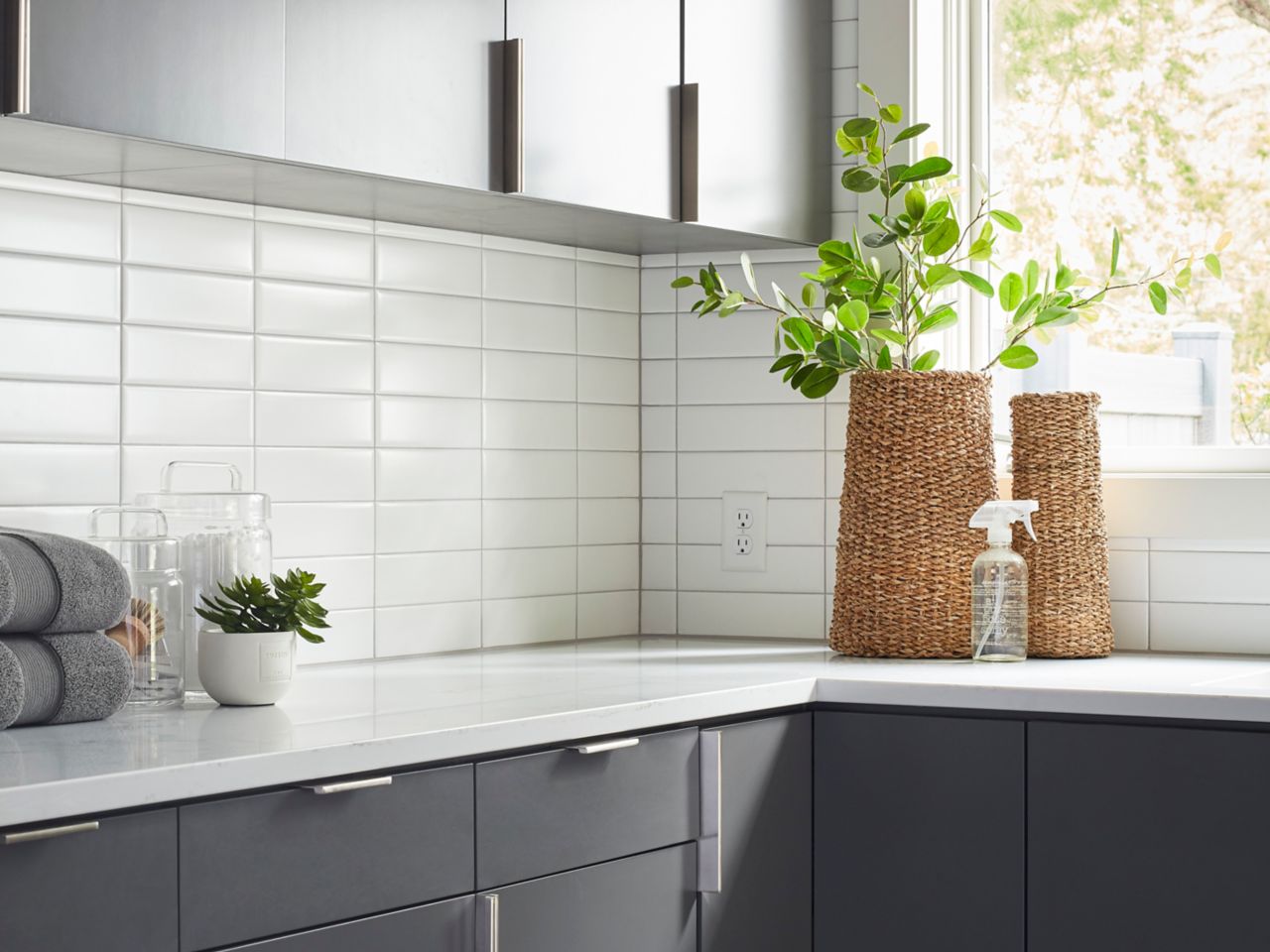
Credit: www.tileshop.com
Applying Adhesive And Setting Tiles
Applying adhesive and setting tiles is a key part of installing kitchen wall tiles. This process ensures tiles stay firmly in place and create a smooth, attractive surface. It requires careful preparation and steady hands. The right technique helps avoid gaps, uneven tiles, or tiles falling off later.
Mixing And Applying Adhesive
Use a high-quality tile adhesive made for kitchen walls. Follow package instructions for mixing the adhesive with water. Mix until smooth and free of lumps. Prepare only enough adhesive that can be used within 30 minutes to avoid drying out.
Apply adhesive to the wall using a notched trowel. Spread it evenly in small sections. Hold the trowel at a 45-degree angle. This creates ridges that help tiles stick better. Do not apply too much adhesive, or it will squeeze out between tiles.
Placing Tiles Correctly
Start placing tiles from the bottom center of the wall. Press each tile firmly into the adhesive. Move it slightly back and forth to spread the adhesive underneath. Check that tiles are flat and aligned with the wall surface. Use a level to keep tiles straight horizontally and vertically.
Cut tiles to fit edges and corners as needed. Use a tile cutter or wet saw for clean cuts. Avoid gaps or uneven edges that make the wall look unfinished.
Using Spacers For Even Gaps
Place plastic spacers between tiles to keep grout lines even. Choose spacer size based on your desired grout width, usually 1/8 or 1/4 inch. Insert spacers at every corner where tiles meet.
Spacers help maintain consistent gaps for grout later. Remove spacers once adhesive sets but before grouting. This ensures neat, professional-looking joints between tiles.
Cutting Tiles To Fit
Cutting tiles to fit is a key part of installing wall tiles in your kitchen. Tiles often need trimming to fit around edges, outlets, or corners. Proper cutting ensures a clean, professional look and reduces tile waste. Precise measurements and careful cutting help the tile layout stay neat and balanced.
Marking Cut Lines
Start by measuring the space where the tile will go. Use a pencil or a marker to draw the cut lines on the tile. Draw clear, straight lines for easier cutting. Double-check your measurements to avoid mistakes. Mark the tile on the glazed side for better visibility.
Using Tile Cutters
Use a manual tile cutter for straight cuts on ceramic or porcelain tiles. Score the tile along the marked line, then snap it gently. For curved or irregular cuts, use a wet saw or tile nippers. Tile nippers help remove small pieces for detailed shapes. Keep the tile steady during cutting to avoid cracks.
Safety Tips
- Always wear safety goggles to protect your eyes from shards.
- Use gloves to protect your hands from sharp edges.
- Work in a well-ventilated area to avoid dust buildup.
- Keep your workspace clean to prevent slipping or accidents.
- Handle tools carefully and follow manufacturer instructions.
Grouting The Tiles
Grouting the tiles is a vital step in kitchen wall tile installation. It fills the gaps between tiles, securing them and preventing dirt buildup. Proper grouting ensures a clean, finished look and protects the wall from moisture damage.
Mixing Grout
Start by choosing the right grout color and type for your tiles. Use a clean bucket and mix grout powder with water. Stir continuously until the mixture is smooth and thick, like peanut butter. Let it sit for five minutes, then stir again before applying.
Applying And Smoothing Grout
Use a rubber grout float to spread grout over the tiles. Hold the float at a 45-degree angle and press grout into the gaps. Work in small sections to keep grout from drying too fast. After filling gaps, move the float diagonally across the tiles to smooth the surface.
Cleaning Excess Grout
Wait about 10 to 15 minutes for grout to set slightly. Use a damp sponge to wipe off grout from the tile surfaces. Rinse the sponge often and work gently to avoid pulling grout from gaps. After grout dries, buff tiles with a soft cloth to remove haze and enhance shine.
Finishing Touches
After carefully installing your kitchen wall tiles, the finishing touches are what truly bring the project to life. These steps ensure your tile looks great and lasts longer. Taking a little extra time here will protect your investment and keep your kitchen wall stunning.
Sealing Grout
Sealing the grout is essential to prevent stains and moisture from seeping in. Choose a high-quality grout sealer suitable for your tile type. Apply it evenly with a small brush or sponge, making sure to cover all grout lines.
Allow the sealer to dry completely before touching the tiles. This step not only extends the life of your grout but also makes cleaning easier down the road. Have you noticed how sealed grout stays looking fresh compared to unsealed grout?
Cleaning The Tiles
Once the grout is sealed, clean your tiles thoroughly to remove any leftover haze or dirt. Use a mild, non-abrasive cleaner and a soft cloth or sponge. Avoid harsh chemicals that could damage the tile surface.
Regular cleaning keeps your tiles shiny and vibrant. I once skipped this step after tiling my kitchen, and the leftover grout residue dulled the tiles for weeks. Taking a few minutes here saves frustration later.
Maintaining Your Kitchen Wall
Maintaining your tiled kitchen wall is easier than you think. Wipe down the tiles regularly with a damp cloth and mild detergent. For tougher spots, a soft brush works well without scratching the surface.
Watch out for cracked grout or loose tiles and fix them promptly to avoid bigger problems. Keeping an eye on these small details ensures your kitchen stays beautiful for years. What small maintenance habit could you start today to protect your tiled wall?

Credit: www.youtube.com
Frequently Asked Questions
What Tools Are Needed To Install Kitchen Wall Tiles?
You need a tile cutter, notched trowel, level, spacers, grout float, and adhesive. These tools ensure precise cutting and proper tile placement. Safety gear like gloves and goggles is also important for protection during installation.
How To Prepare Kitchen Walls Before Tiling?
Clean the wall thoroughly to remove grease and dust. Repair any holes or cracks. Apply a primer or tile backer board if necessary. A smooth, dry surface ensures better tile adhesion and a long-lasting finish.
What Adhesive Is Best For Kitchen Wall Tiles?
Use a high-quality, water-resistant tile adhesive designed for kitchen walls. Thin-set mortar is common and effective. It provides strong bonding and withstands kitchen moisture. Avoid using regular glue or non-waterproof adhesives.
How Long Does Kitchen Wall Tile Installation Take?
Installation time depends on wall size and tile type. Generally, it takes 1-3 days, including preparation, tiling, and grout drying. Larger or complex patterns may require more time. Patience ensures a neat, professional-looking result.
Conclusion
Installing wall tile in your kitchen can be simple and rewarding. Take your time to measure and cut tiles carefully. Use the right tools and adhesive for strong, lasting results. Clean the tiles well after installation to keep them bright.
A neat tile job adds beauty and value to your kitchen. With patience, anyone can do this project at home. Enjoy your new kitchen look and the effort you put in.
