

Revamping your kitchen can feel like a daunting task, but installing mosaic wall tiles can transform it into a stylish and modern space with ease. Imagine walking into your kitchen and being greeted by a vibrant backsplash that reflects your unique style and taste.
It’s not just about aesthetics—mosaic tiles are durable, easy to clean, and can add significant value to your home. Whether you’re a seasoned DIY enthusiast or a first-time renovator, this guide will walk you through the steps of installing mosaic wall tiles in your kitchen.
By the end of this article, you’ll feel confident in your ability to tackle this rewarding project, turning your kitchen into the heart of your home. So, are you ready to add a touch of elegance and functionality to your kitchen? Let’s dive in!
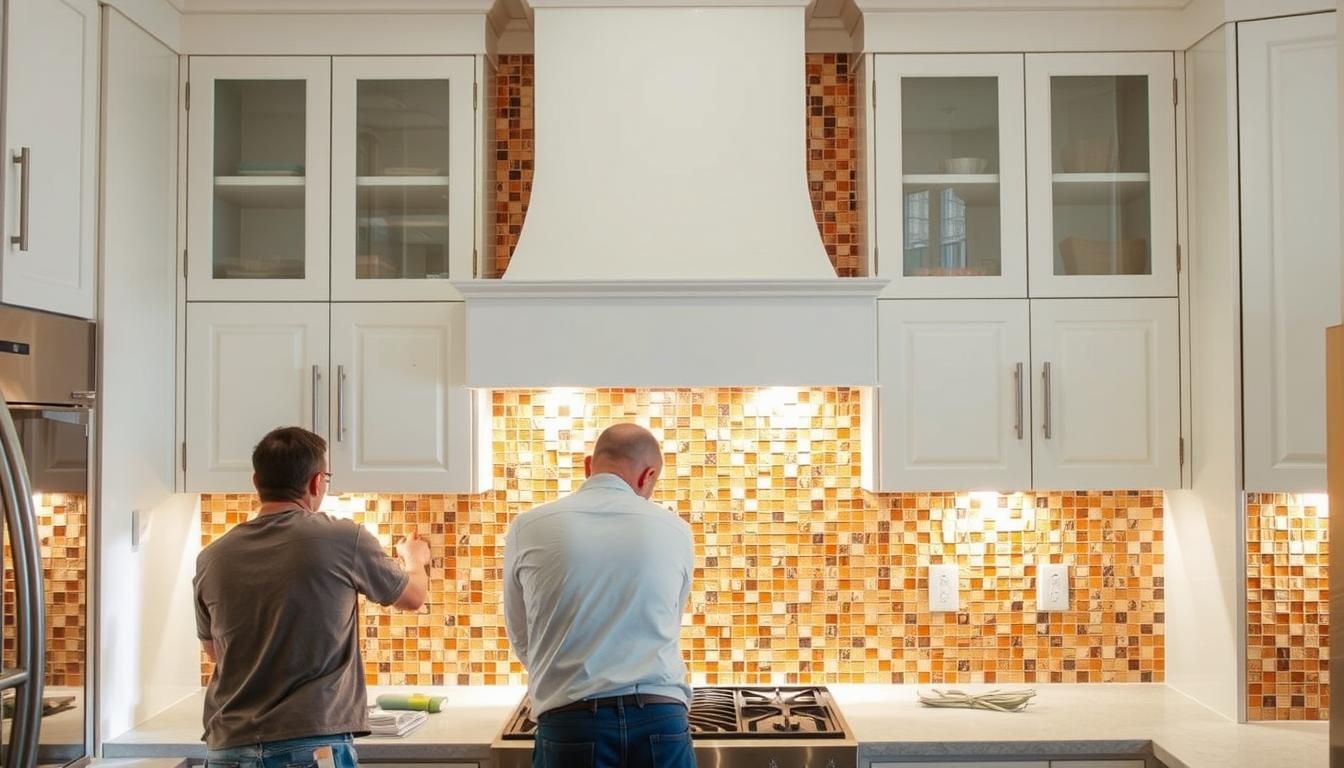
Credit: www.elevatedtileandremodelingcoloradosprings.com
Choosing The Right Mosaic Tiles
Choosing the right mosaic tiles sets the foundation for a stunning kitchen wall. The perfect tiles blend style, durability, and ease of installation. Consider the kitchen’s overall look and daily use. Pick tiles that fit your taste and practical needs. This ensures your kitchen stays beautiful for years.
Types Of Mosaic Tiles
Mosaic tiles come in various materials and finishes. Glass tiles add shine and reflect light well. Ceramic tiles offer durability and many color choices. Natural stone tiles bring texture and a classic feel. Metal tiles give a modern, sleek look. Each type suits different kitchen styles and cleaning needs.
Selecting Colors And Patterns
Colors affect the kitchen’s mood and size perception. Light colors make small kitchens look larger. Dark colors add depth and drama. Patterns create visual interest and style. Simple patterns suit modern kitchens. Complex patterns fit traditional or eclectic designs. Match tile colors with cabinets and countertops for harmony.
Measuring Your Wall Space
Accurate measurements prevent tile waste and extra costs. Measure the height and width of the wall precisely. Note any windows, outlets, or switches to cut tiles correctly. Calculate the total square footage for the tiles needed. Buy a little extra tile to cover mistakes or future repairs.
Gathering Tools And Materials
Before installing mosaic wall tiles in your kitchen, gather all necessary tools and materials. Having everything ready makes the process smoother and faster. It helps avoid interruptions and mistakes. Proper preparation ensures better results and a professional look. Below are key items you need to collect for a successful tile installation.
Essential Tools For Installation
- Measuring tape to mark tile placement accurately
- Tile cutter or nippers for precise tile shaping
- Notched trowel to spread adhesive evenly
- Rubber float for applying grout smoothly
- Level to keep tiles straight and even
- Sponge and bucket for cleaning excess grout
- Pencil for marking cut lines on tiles
- Utility knife to trim backing or mesh
Adhesives And Grouts
- Thinset mortar designed for wall tile installations
- Pre-mixed or powdered grout suitable for mosaic tiles
- Sealer to protect grout and tiles from stains
- Mixing bucket and paddle for preparing adhesives
Safety Equipment
- Safety goggles to protect eyes from dust and debris
- Gloves to shield hands from sharp edges and chemicals
- Dust mask to avoid inhaling fine particles
- Knee pads for comfort during floor work or low wall areas
Preparing The Wall Surface
Preparing the wall surface is essential before installing mosaic wall tiles in your kitchen. A clean, smooth, and well-prepared wall ensures the tiles stick properly and look great. This step helps the adhesive bond better and prevents future problems like tiles falling off or uneven surfaces.
Cleaning And Smoothing The Wall
Start by removing dirt, grease, and dust from the wall. Use a mild detergent and water to clean the surface thoroughly. Rinse with clean water and let the wall dry completely. Smooth out any rough patches by sanding the wall lightly with fine-grit sandpaper. This creates a better surface for the tiles to stick to.
Repairing Imperfections
Check the wall for cracks, holes, or dents. Use a wall filler or spackle to fill these imperfections. Apply the filler with a putty knife and smooth it out evenly. Let the filler dry according to the product instructions. Sand the repaired spots until they are flush with the rest of the wall. A flat wall surface is key to a professional tile finish.
Priming For Adhesion
Apply a primer designed for tile installation to the wall. Primer improves the adhesive grip and prevents moisture problems. Use a paintbrush or roller to spread the primer evenly. Allow the primer to dry fully before applying tile adhesive. This step helps your mosaic tiles stay in place longer and look perfect.

Credit: www.create-enjoy.com
Planning The Tile Layout
Planning the tile layout is a key step for a smooth installation. It helps avoid mistakes and wasted materials. Taking time to prepare ensures the mosaic tiles look balanced and neat on your kitchen wall.
Start by measuring the wall area carefully. Think about how the tiles will fit around edges, corners, and obstacles. Good planning saves time and gives a professional finish to your project.
Marking Guidelines
Use a pencil and a level to draw straight lines on the wall. These lines act as guides for placing your tiles evenly. Mark a centerline both horizontally and vertically to keep your pattern balanced.
Double-check the lines for accuracy before starting the installation. Clear guidelines help prevent crooked tiles and uneven spacing.
Dry Fitting Tiles
Lay out the mosaic tiles on a flat surface without adhesive. Arrange them as they will appear on the wall. This step shows how the pattern fits and where cuts might be necessary.
Move tiles around to avoid small slivers at edges. Dry fitting helps visualize the final look and avoid surprises during installation.
Adjusting For Outlets And Fixtures
Measure the position of electrical outlets, switches, and plumbing fixtures. Mark these points on the wall guidelines. Plan tile cuts to fit neatly around these obstacles.
Use a tile cutter or nippers to make precise cuts. Proper adjustments create a clean, professional appearance without gaps or overlaps.
Applying Adhesive And Setting Tiles
Applying adhesive and setting mosaic wall tiles in the kitchen is a crucial step. This process ensures the tiles stick well and stay in place for years. Proper technique helps avoid common issues like uneven tiles or loose pieces.
Take your time spreading the adhesive evenly. This creates a strong bond and a smooth surface for the tiles. Correct placement of the tiles follows, aligning each piece carefully. Using spacers helps keep gaps uniform for a neat finish.
Spreading The Adhesive
Start with a clean, dry wall surface. Use a notched trowel to spread the adhesive. Hold the trowel at a 45-degree angle for even coverage. Spread only a small area at a time to prevent drying out. Make sure the adhesive layer is thick enough to hold the tiles firmly.
Placing The Mosaic Tiles
Press each tile sheet gently into the adhesive. Align the tiles straight for a professional look. Push lightly to ensure good contact with the adhesive. Avoid sliding the tiles, which can cause the adhesive to smear. Check that all tiles are level and flush with each other.
Using Spacers For Even Gaps
Insert spacers between tile sheets to keep gaps consistent. This helps grout lines look clean and even. Choose spacer size based on your tile and grout preference. Remove spacers only after the adhesive fully dries. Even gaps improve the overall appearance of your kitchen backsplash.
Cutting Tiles To Fit
Cutting mosaic wall tiles to fit your kitchen space can seem tricky, but with the right approach, it becomes manageable and even satisfying. Precise cuts ensure your tiles fit snugly around edges, outlets, and corners, giving your kitchen a polished look. Let’s break down the tools, techniques, and safety tips that will make your tile cutting experience smooth and accurate.
Tools For Cutting Tiles
Having the right tools makes all the difference when cutting mosaic tiles. A tile cutter is perfect for straight cuts on ceramic or porcelain tiles. For more intricate cuts, like curves or small shapes, a wet saw or a tile nipper works better.
- Manual tile cutter:Great for quick, straight cuts on thin tiles.
- Wet saw:Ideal for thicker tiles and precise cuts with water cooling to reduce dust.
- Tile nippers:Useful for small, curved cuts and trimming pieces.
- Glass cutter:Sometimes needed for glass mosaic tiles.
Having a ruler, pencil, and safety glasses nearby also helps you mark and protect yourself efficiently.
Techniques For Straight And Curved Cuts
Mark your tiles clearly before cutting. For straight cuts, score the tile firmly with a manual cutter, then snap it along the scored line. Using a wet saw, guide the tile slowly to avoid chipping.
Curved cuts require patience. Use tile nippers to gradually nibble away small bits, shaping the tile to fit your space. For glass mosaics, score lightly with a glass cutter and then carefully break the tile along the line.
Have you noticed how small adjustments in pressure can change the cut outcome? Practicing on spare tiles helps you build the right touch and avoid costly mistakes.
Safety Tips For Cutting
Tile cutting creates sharp edges and dust that can harm your eyes and lungs. Always wear safety glasses and a dust mask, even if your tool has a water-cooling system. Gloves protect your hands from sharp tile fragments.
Keep your workspace clean and well-lit to avoid slips or misjudging cuts. Secure the tile firmly before cutting to prevent sudden movements.
Do you feel confident enough to cut your tiles now? Taking these safety steps seriously protects you and helps you focus on getting the perfect fit every time.
Grouting The Tiles
Grouting mosaic wall tiles is a crucial step that holds your entire kitchen backsplash together, both visually and structurally. It fills the gaps between tiles, preventing dirt buildup and water damage. Proper grouting not only enhances the look but also increases the durability of your tile installation.
Mixing The Grout
Start by choosing the right grout type—unsanded grout works best for narrow gaps typical in mosaic tiles. Use clean water and a mixing bucket to blend the grout powder.
Stir the grout slowly until you get a smooth, peanut butter-like consistency. Avoid making it too runny or too thick; the right texture helps the grout fill gaps evenly.
Let the grout sit for about 5 minutes, then stir again before applying. This resting time improves adhesion and workability.
Applying And Smoothing Grout
Use a rubber float held at a 45-degree angle to spread grout over the tiles. Press firmly to push grout into every crevice between the mosaic pieces.
Work in small sections to prevent grout from drying out too quickly. After filling gaps, hold the float flat and scrape diagonally across the tiles to remove excess grout.
Smoothing grout lines with your finger or a damp sponge can create cleaner edges. But be gentle—you don’t want to pull grout out of the joints.
Cleaning Excess Grout
Once grout starts to set but remains tacky (usually after 15-30 minutes), wipe tiles with a damp sponge in circular motions. This removes the grout haze without disturbing the grout lines.
Rinse the sponge frequently in clean water to avoid spreading grout residue. If haze remains after drying, use a soft cloth to buff it off.
Have you noticed how a clean grout finish instantly lifts the entire kitchen look? Taking your time with cleanup can make a surprising difference in the final result.
Sealing And Finishing
Sealing and finishing your mosaic wall tile is essential for long-lasting beauty and protection. This step guards tiles and grout from stains, moisture, and dirt. Proper sealing also makes cleaning easier and maintains the tile’s shine.
Take time to choose the best sealant and apply it carefully. A neat finish ensures your kitchen looks polished and fresh.
Choosing The Right Sealant
Select a sealant that fits your tile type and kitchen use. For natural stone tiles, use a penetrating sealant. It soaks in and protects without changing the tile’s look. For glass or ceramic tiles, a surface sealant works well to add a glossy finish.
Check if the sealant is water-resistant and heat-proof. This helps it last longer in a kitchen setting. Pick a sealant that is easy to apply and dries quickly.
Applying Sealant
Start with clean, dry tiles. Shake the sealant bottle well before use. Use a small brush or foam applicator for even coverage.
- Apply sealant in thin, smooth layers.
- Cover all grout lines thoroughly.
- Avoid puddles or drips on the tile surface.
Let the sealant soak in for the time the label suggests. Wipe off any excess with a soft cloth. For extra protection, apply a second coat after the first one dries.
Final Touches And Cleanup
Inspect the tiles for missed spots or uneven sealant. Touch up areas as needed. Remove any haze or residue with a clean, dry cloth.
Clean your tools with water or the recommended cleaner before the sealant dries. Keep the kitchen well ventilated during and after sealing.
Let the sealant cure fully before using the kitchen. This ensures the best protection and durability for your mosaic wall tile.
Maintaining Your Mosaic Wall
Maintaining your mosaic wall tile keeps your kitchen looking fresh and beautiful. Dirt and grease can build up over time, dulling the shine of the tiles. Regular care helps preserve the color and texture of the mosaic. Small damages can worsen if not fixed early. Proper maintenance extends the life of your mosaic wall and keeps it safe from damage.
Regular Cleaning Tips
Use a soft cloth or sponge for cleaning. Avoid abrasive tools that can scratch the tiles. Warm water mixed with a mild detergent works well. Wipe gently to remove grease and stains. Rinse with clean water to avoid soap residue. Dry the surface with a soft towel to prevent water spots. Clean spills immediately to stop stains from setting. Avoid harsh chemicals like bleach or ammonia that can damage grout and tiles.
Handling Repairs And Replacements
Inspect your mosaic wall regularly for cracks or loose tiles. Small cracks in grout can be repaired with grout filler. Remove damaged tiles carefully using a grout saw or scraper. Clean the area before applying new adhesive. Match new tiles to your existing mosaic for a uniform look. Press new tiles firmly into place and let the adhesive dry. Re-grout around replaced tiles to seal gaps. Address damage early to avoid bigger repairs later.

Credit: archipro.com.au
Frequently Asked Questions
How Do I Prepare The Kitchen Wall For Mosaic Tile?
Clean the wall thoroughly to remove grease and dirt. Repair any holes or cracks. Ensure the surface is dry and smooth before tiling.
What Tools Are Needed To Install Mosaic Wall Tile?
You need tile adhesive, a notched trowel, tile spacers, a tile cutter, grout, a sponge, and a level for proper installation.
How Long Does It Take To Install Mosaic Tiles In Kitchen?
Installation time depends on wall size and tile complexity. Typically, it takes 1 to 3 days including drying and grouting.
Can I Install Mosaic Tiles Myself Or Hire A Professional?
DIY installation is possible with basic skills and tools. For complex patterns or large areas, hiring a professional ensures quality results.
Conclusion
Installing mosaic wall tile in your kitchen adds charm and style. Follow each step carefully for best results. Take your time to measure and cut tiles precisely. Use the right tools and adhesive for a strong hold. Clean the tiles well before grouting to avoid mess.
Enjoy the new look that brightens your cooking space. Small effort brings big changes in your kitchen’s feel. Ready to create your beautiful backsplash? You can do it!
