

Are you ready to transform your kitchen or living space with stunning wall cabinets but worried about the challenges of hanging them on drywall? You’re not alone.
Many homeowners feel the same hesitation, wondering if they can achieve a professional look without calling in the pros. The good news is, you can! Imagine the satisfaction of securely mounting your cabinets, creating an organized and stylish environment that makes you feel proud every time you walk into the room.
In this guide, you’ll discover step-by-step instructions that demystify the process of hanging wall cabinets on drywall. We’ll equip you with the knowledge and confidence you need, turning what might seem like a daunting task into a rewarding DIY project. Whether you’re revamping your kitchen, bathroom, or any space that could use a little extra storage, this article will be your go-to resource. Get ready to unlock the secrets to a flawless installation, ensuring your cabinets are as sturdy as they are beautiful. Let’s dive in and turn your vision into reality!

Credit: www.familyhandyman.com
Tools And Materials Needed
Hanging wall cabinets on drywall requires more than just a steady hand and a good eye. Having the right tools and materials on hand can make the process smoother and ensure your cabinets stay secure for years. Before you start, it’s important to gather everything you need so you won’t get stuck halfway through the project.
Essential Tools
- Stud Finder:Locating studs behind drywall is crucial for a strong hold. A reliable stud finder helps you avoid drilling into weak spots.
- Drill and Drill Bits:You’ll need a drill with various bit sizes for pilot holes and screws. A cordless drill gives you flexibility around tight spaces.
- Level:A level ensures your cabinets hang straight. Even a slight tilt can cause problems down the line.
- Measuring Tape:Accuracy is key. Measuring tape helps you mark precise spots for mounting.
- Screwdriver:Sometimes a manual screwdriver helps with final adjustments or tricky angles.
- Clamps:These hold the cabinet in place while you secure it to the wall, making installation easier.
Recommended Hardware
- Mounting Screws:Use heavy-duty screws designed for cabinet installation—ideally 2.5 to 3 inches long to reach studs securely.
- Wall Anchors:If you cannot find studs, choose strong wall anchors rated for the cabinet’s weight.
- Toggle Bolts:These provide extra support on drywall without studs and are great for heavier cabinets.
- Brackets:Optional, but can offer extra support, especially in kitchens where cabinets hold heavy items.
Safety Equipment
- Safety Glasses:Protect your eyes from dust and debris while drilling or hammering.
- Work Gloves:Keep your hands safe from splinters and sharp edges on cabinets or tools.
- Dust Mask:If you’re drilling into drywall, a dust mask helps prevent inhaling harmful particles.
Have you ever started a project only to realize you’re missing the right tool halfway through? Getting everything ready beforehand saves time and frustration. Which tool do you think is most critical for your setup? Sometimes the simplest tools make the biggest difference.
Preparing The Wall
Preparing the wall is a key step before hanging wall cabinets on drywall. It ensures the cabinets stay secure and safe. Proper preparation helps avoid damage and makes installation easier. Focus on finding strong points on the wall and marking them clearly. Also, check the wall for any obstacles that may block the cabinet placement.
Locating Studs
Studs provide the main support for heavy cabinets. Use a stud finder to locate them behind the drywall. Move the finder slowly across the wall and mark each stud edge. Studs are usually spaced 16 or 24 inches apart. Confirm the exact center of each stud for the best hold.
Marking Mounting Points
Mark the wall where the cabinet will hang. Measure the cabinet height and mark the top and bottom edges on the wall. Align these marks with the stud locations found earlier. Use a pencil to draw light, visible lines. These marks guide the screw placement during installation.
Checking For Obstacles
Look for pipes, wires, and other hidden items inside the wall. Avoid drilling into electrical wires or plumbing. Use a wire detector or check blueprints if available. Clear space ensures safe and smooth cabinet mounting. Adjust cabinet position if you find obstacles in the way.
Choosing The Right Mounting Method
Choosing the right mounting method is key to hanging wall cabinets securely on drywall. The method depends on the cabinet weight and the wall structure. Proper mounting prevents accidents and protects your walls. Select a method that offers strong support and fits your tools and skills.
Using Studs For Support
Studs provide the strongest support for wall cabinets. They are vertical wooden beams behind drywall. Locate studs using a stud finder or by tapping the wall. Screwing directly into studs ensures the cabinet holds heavy items safely. Use long screws that go deep into the stud for firm grip.
Anchors For Drywall
Drywall anchors work when no studs are available. They expand behind the drywall to hold weight. Choose anchors rated for the cabinet’s weight. Plastic anchors suit light cabinets. Metal anchors offer better strength for medium loads. Always follow anchor instructions for best results.
When To Use Toggle Bolts
Toggle bolts are best for heavy cabinets without stud access. They have spring-loaded wings that open behind the drywall. This spreads the weight over a larger area. Toggle bolts provide strong support on drywall alone. Use bolts sized to the cabinet weight and thickness of drywall.
Credit: www.royalcrownrenos.ca
Step-by-step Hanging Process
Hanging wall cabinets on drywall can seem tricky, but breaking the task into clear steps makes it manageable. Knowing exactly what to do at each stage keeps you confident and efficient. Let’s walk through the process to help you get sturdy cabinets mounted perfectly every time.
Measuring And Leveling
Start by measuring the wall space where your cabinet will hang. Use a tape measure to mark the height and width carefully.
Next, use a level to draw a straight horizontal line at the height you want the cabinet. This line acts as your guide to keep the cabinet perfectly straight. Are your walls uneven? Consider using a laser level for extra precision.
Drilling Pilot Holes
Once your marks are ready, drill pilot holes into the studs behind the drywall. Securing cabinets only to drywall won’t hold up—they need to anchor into studs for safety.
Use a stud finder to locate studs and mark these spots. Drill small pilot holes through the drywall and into the studs to prevent wood from splitting when you screw in the cabinet.
Attaching The Cabinet
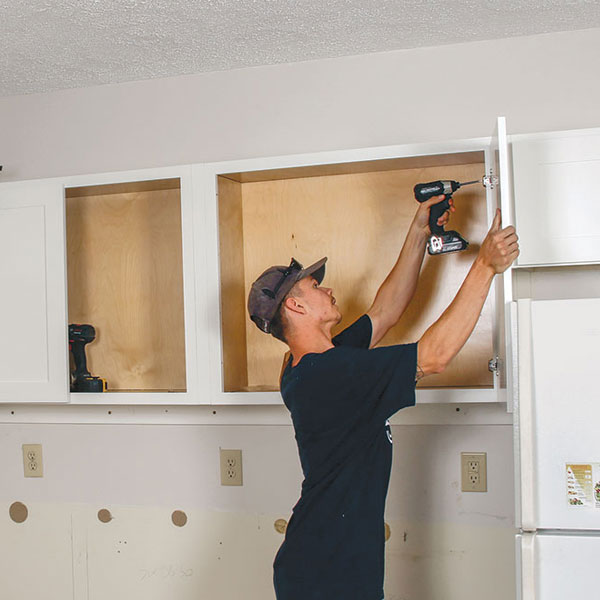
With help, lift the cabinet onto the wall, aligning it with your level line and pilot holes. Hold it steady while you drive screws through the cabinet back panel into the studs.
Start with the top screws to keep the cabinet from slipping. If the cabinet has adjustable shelves or doors, leave them open to avoid damage during installation.
Securing The Cabinet
After attaching the cabinet, double-check its level and adjust if needed before tightening all screws fully. Add extra screws at the bottom for added support if the cabinet is heavy.
Consider using cabinet shims behind the cabinet if you notice any gaps or unevenness. These small tweaks prevent long-term issues like sagging or warping.
Troubleshooting Common Issues
Hanging wall cabinets on drywall can sometimes lead to common problems. These issues may affect the cabinet’s stability and appearance. Knowing how to troubleshoot helps keep your cabinets secure and looking good. Below are solutions for typical challenges faced during installation.
Dealing With Uneven Walls
Uneven walls make cabinets sit crooked or leave gaps. Use shims to level the cabinet before securing it. Shims are thin pieces of wood or plastic that fill gaps between the wall and cabinet. Check the cabinet with a level to ensure it is straight. Sand or adjust the wall surface if needed to improve fit.
Fixing Loose Cabinets
Loose cabinets can pull away from the wall and become unsafe. First, check if screws are tightened properly. Use longer screws to reach wall studs for better support. Add extra mounting brackets if the cabinet feels unstable. Inspect wall anchors; replace weak ones with stronger types designed for drywall.
Handling Heavy Cabinets
Heavy cabinets need strong support to prevent damage or falling. Always locate wall studs before hanging heavy cabinets. Use heavy-duty screws and anchors rated for the cabinet’s weight. Consider adding a ledger board temporarily to hold the cabinet during installation. Secure multiple points along the cabinet frame for even weight distribution.
Maintaining Wall Cabinets
Maintaining your wall cabinets is essential to keep them sturdy and looking good over time. Regular care not only extends their lifespan but also ensures safety in your home. Small efforts like tightening screws or cleaning can prevent bigger problems later.
Regular Inspections
Check your cabinets every few months for signs of wear or damage. Look for loose screws, cracks, or sagging that might indicate stress on the drywall or cabinet structure. Catching issues early can save you from costly repairs and keep your cabinets secure.
Ask yourself: do your cabinets feel stable when you open and close the doors? If not, it’s time to inspect the mounting points carefully. Don’t ignore minor wobbles—they often signal bigger problems.
Tightening Hardware
Over time, screws and bolts can loosen due to daily use or changes in temperature and humidity. Use a screwdriver or drill to tighten all visible hardware, including hinges and mounting brackets. This simple step improves cabinet stability and prevents accidents.
Pay attention to the type of screws used. If you notice stripped or rusted screws, replace them with high-quality ones designed for drywall and heavy loads. This upgrade keeps your cabinets firmly anchored and safe.
Cleaning Tips
Keep your cabinets clean by wiping them regularly with a soft, damp cloth. Avoid harsh chemicals that can damage finishes or weaken wood over time. Mild soap and water usually do the trick.
Don’t forget to clean inside the cabinets and around hardware. Dust and grime buildup can interfere with door movement and hardware function. Keeping these areas clean helps your cabinets work smoothly and last longer.

Credit: www.youtube.com
Frequently Asked Questions
How Do You Find Studs Behind Drywall For Cabinets?
Use a stud finder to locate wooden studs behind drywall. Mark the stud positions with a pencil. Studs are typically 16 or 24 inches apart. Securing cabinets to studs ensures strong support and prevents damage.
What Type Of Screws Work Best For Drywall Cabinets?
Use 3-inch wood screws designed for cabinet installation. Screws must penetrate studs for maximum strength. Avoid drywall anchors alone, as they won’t support heavy cabinets. Pre-drill holes to prevent wood splitting.
Can You Hang Cabinets On Drywall Without Studs?
Hanging cabinets only on drywall is unsafe. Drywall cannot support heavy cabinet weight. Always anchor cabinets to studs or use proper heavy-duty wall anchors. This prevents accidents and ensures long-term stability.
How High Should Wall Cabinets Be Installed?
Wall cabinets are typically installed 54 inches from floor to bottom. This height aligns with standard countertop height of 36 inches. Adjust height based on user preference and ceiling height for comfort.
Conclusion
Hanging wall cabinets on drywall takes care and patience. Find the studs first for strong support. Use the right tools and screws to avoid damage. Measure twice, drill once, and keep cabinets level. Secure cabinets firmly to prevent accidents later.
Taking these simple steps ensures your cabinets stay safe and look great. Enjoy your new storage space with confidence.
