

Are your kitchen walls looking dull and sticky because of stubborn grease stains? You’re not alone.
Grease buildup can make your kitchen feel dirty and hard to clean. But don’t worry—you don’t have to spend hours scrubbing or buy expensive cleaners to fix it. You’ll discover simple, effective ways to get kitchen grease off your walls quickly and easily.
Keep reading, and you’ll have your kitchen walls looking fresh and spotless in no time.
Sources Of Kitchen Grease
Understanding where kitchen grease comes from is key to tackling those stubborn stains on your walls. Grease can sneak in from several everyday cooking activities, making your kitchen look dull and dirty over time. Let’s break down the common causes and types of grease stains you might encounter.
Common Causes
Grease usually comes from cooking oils, fats, and food splatters. When you fry, sauté, or grill, hot oil often splashes onto nearby surfaces, including your walls.
Steam and smoke carry tiny grease particles that settle on walls and cabinets. Over time, this creates a sticky film that traps dust and makes cleaning harder.
Even toaster ovens and microwaves can release grease if they’re used frequently without proper ventilation. Have you noticed how your kitchen feels oily even after a quick meal prep? That’s the grease buildup at work.
Types Of Grease Stains
Not all grease stains look the same. Some are fresh and shiny, while others are old and darkened.
- Fresh grease stainsare usually wet or sticky. They come from recent cooking and are easier to wipe off.
- Dried grease spotshave hardened and may appear yellow or brown. These require more effort to remove.
- Layered grease builduphappens over weeks or months. It often combines with dust and smoke residue, creating a tough, grimy surface.
Knowing what type of grease you’re dealing with helps you choose the right cleaning method. Which type do you see most in your kitchen walls?
Preparation Before Cleaning
Preparing your kitchen walls before cleaning grease makes the job easier. It helps protect your space and ensures you have all needed tools. Proper preparation saves time and effort during the cleaning process.
Gathering Supplies
Collect all items before starting. This keeps you from stopping mid-clean. You will need:
- Warm water
- Mild dish soap or degreaser
- Soft sponges or microfiber cloths
- Bucket or spray bottle
- Protective gloves
- Old towels or rags
Having these ready ensures smooth cleaning without interruptions.
Protecting Surrounding Areas
Cover surfaces near the walls to avoid damage. Use old newspapers or plastic sheets. Protect countertops, floors, and cabinets from drips or splashes. Tape the edges if needed to keep covers in place. This step keeps your kitchen clean and safe.
Diy Cleaning Solutions
Dealing with kitchen grease on walls can feel frustrating, but you don’t need harsh chemicals to tackle the problem. Simple ingredients found in your home can often do the trick effectively. These DIY cleaning solutions are easy to prepare, safe for most wall surfaces, and budget-friendly.
Vinegar And Water Mix
Vinegar is a natural degreaser that breaks down oily residues without damaging paint or wallpaper. Mix equal parts of white vinegar and warm water in a spray bottle for a quick and gentle cleaner.
Spray the solution onto the greasy spots and let it sit for a few minutes. Then, wipe with a clean cloth or sponge in circular motions. You might be surprised how well this simple mix lifts grease without scrubbing hard.
Baking Soda Paste
Baking soda is mildly abrasive, making it perfect for scrubbing stubborn grease without scratching your walls. Create a paste by combining baking soda with a little water until it reaches a spreadable consistency.
Apply the paste directly to greasy areas and let it rest for 10 to 15 minutes. Use a damp cloth to gently scrub and then wipe away any residue. This method works well if you want a deeper clean without harsh chemicals.
Dish Soap Method
Dish soap is designed to cut through grease on dishes, so it naturally works on kitchen walls too. Mix a few drops of dish soap with warm water in a bucket or bowl.
Dip a sponge or cloth into the soapy water and wipe down the greasy patches. Rinse with a clean damp cloth afterward to avoid any soap film. This method is especially handy for quick touch-ups after cooking splatters.
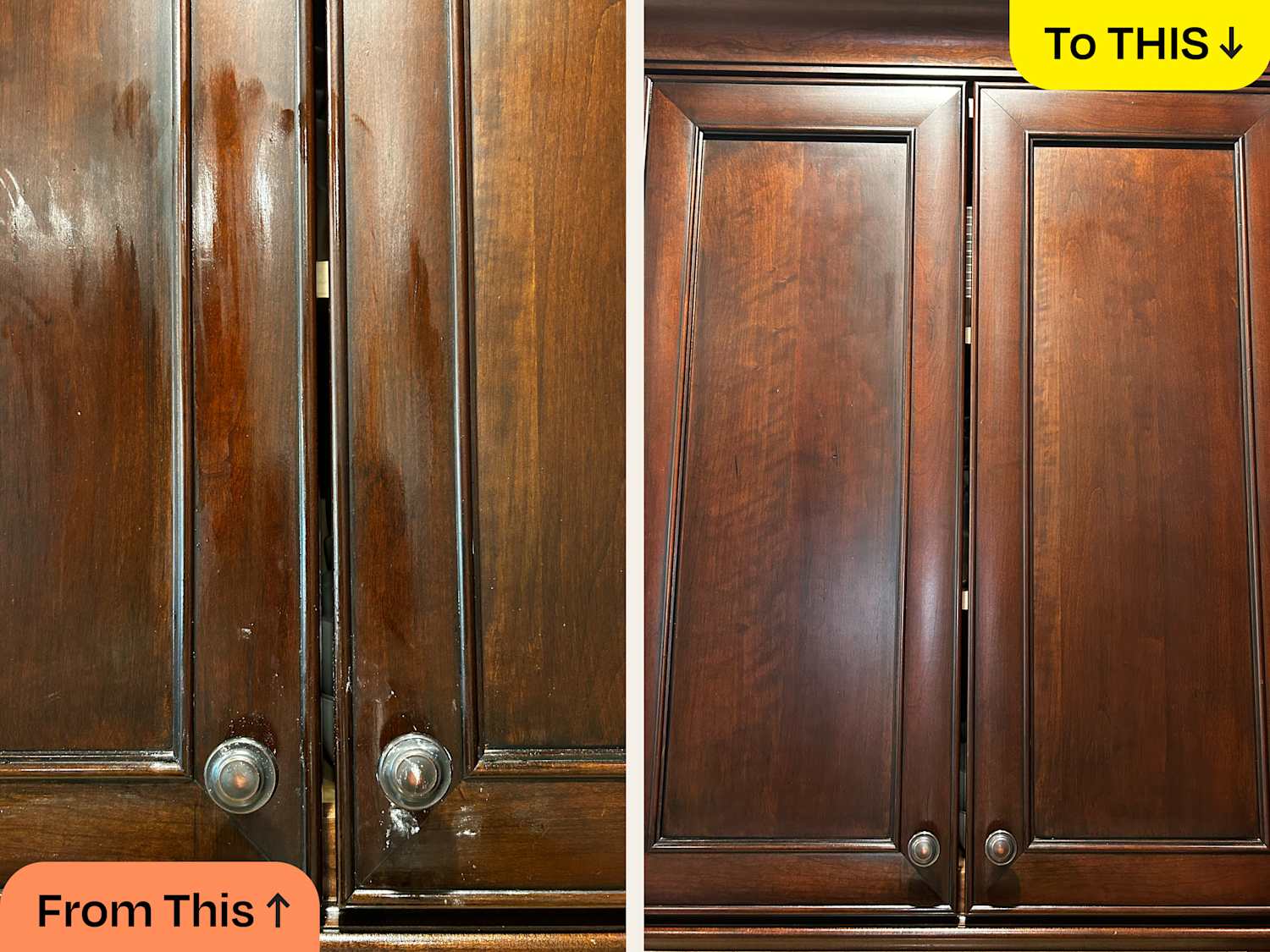
Credit: www.thekitchn.com
Step-by-step Cleaning Process
Getting kitchen grease off walls can seem tough, but breaking down the cleaning into clear steps makes it manageable. The key is to use the right cleaner, apply it properly, and then work the grime loose without damaging the paint or wallpaper. Let’s go through the process carefully so your kitchen walls look fresh and grease-free.
Applying The Cleaner
Start by choosing a cleaner that suits your wall surface. A mix of warm water and dish soap works well on most painted walls, while stronger degreasers may be needed for stubborn spots.
Use a spray bottle to apply the cleaner evenly. Avoid soaking the wall—too much moisture can cause damage. Let the cleaner sit for a few minutes to loosen the grease.
Scrubbing Techniques
Grab a soft sponge or a microfiber cloth to scrub gently. Circular motions help break down the grease without scratching the surface.
If the grease is thick, try using a soft-bristle brush to reach into crevices or textured areas. Remember, pressing too hard can remove paint, so keep your strokes light but firm.
Rinsing And Drying
After scrubbing, rinse the wall with a clean cloth dipped in plain water. This removes any leftover cleaner that might attract more dirt.
Dry the wall immediately with a towel or microfiber cloth to prevent streaks and moisture damage. Have you noticed how much cleaner your kitchen feels after this simple step?
Using Commercial Cleaners
Using commercial cleaners is a quick way to remove kitchen grease from walls. These products are designed to break down stubborn grease and dirt. They save time and effort compared to natural remedies. Many commercial cleaners come in spray or liquid form for easy application.
Choosing the right cleaner makes a big difference. Some products work better on certain surfaces and types of grease. Understanding which cleaner suits your kitchen walls helps avoid damage. Follow the product instructions closely for best results.
Choosing The Right Product
- Pick a cleaner labeled for grease removal or kitchen use.
- Check if it is safe for painted walls or wallpaper.
- Use non-abrasive cleaners to protect delicate surfaces.
- Consider eco-friendly options for a safer home environment.
- Read customer reviews to find effective and gentle products.
Safety Precautions
- Wear gloves to protect your skin from harsh chemicals.
- Open windows or use fans for proper ventilation.
- Avoid mixing different cleaning products to prevent harmful fumes.
- Test the cleaner on a small hidden area before full use.
- Store cleaners out of reach of children and pets.
Credit: www.realhomes.com
Preventing Future Grease Buildup
Preventing grease buildup on your kitchen walls saves you time and effort in cleaning later. It also keeps your kitchen looking fresh and inviting. Simple habits and small changes can make a big difference in how much grease accumulates over time.
Regular Cleaning Habits
Cleaning your kitchen walls regularly is key to stopping grease from sticking around. Even wiping down walls with a damp cloth after cooking can prevent grease from turning into a stubborn layer.
Try to use mild soap or a vinegar-water mix to break down grease gently without damaging your paint. Make it a habit to clean walls near the stove at least once a week to avoid buildup.
Have you noticed how quickly grease can harden if left unattended? Catching it early makes your cleaning easier and your kitchen healthier.
Improving Kitchen Ventilation
Good ventilation reduces grease settling on your walls by carrying it away before it sticks. Make sure your range hood or exhaust fan is powerful enough and clean it regularly to keep it working well.
If your kitchen doesn’t have a fan, consider adding one or opening windows while cooking to let steam and grease escape. This simple step can cut down grease buildup dramatically.
Think about your kitchen’s airflow—could better ventilation help you spend less time scrubbing walls? Fresh air is not just for comfort; it’s a grease fighter too.
Tips For Tough Grease Stains
Tough grease stains on kitchen walls need strong and careful treatment. Simple soap might not remove these stubborn marks. Use the right approach to restore your walls without damage.
Using Degreasers
Degreasers are made to break down heavy grease quickly. Choose a product safe for painted or wallpapered walls. Always read instructions before use.
- Test the degreaser on a small hidden spot first.
- Apply it gently with a soft cloth or sponge.
- Let it sit for a few minutes to work on the grease.
- Wipe the area clean with warm water afterward.
Repeat the process if grease remains. Avoid scrubbing hard to protect wall surfaces.
When To Seek Professional Help
Some grease stains resist home cleaning efforts. Deep or old stains might need expert care.
- Contact professional cleaners for safe removal.
- They use tools and chemicals not available to the public.
- Professionals can prevent damage to paint and wallpaper.
- Consider this option if stains cover large areas.
Professionals save time and ensure your kitchen walls look fresh again.

Credit: maggymaid.com
Frequently Asked Questions
What Is The Best Way To Remove Kitchen Grease From Walls?
The best way is to use warm water mixed with dish soap. Apply with a soft sponge and scrub gently. Rinse with clean water and dry. This method effectively breaks down grease without damaging paint or wallpaper.
Can Natural Ingredients Clean Grease Off Kitchen Walls?
Yes, natural ingredients like vinegar and baking soda work well. Vinegar cuts through grease, while baking soda acts as a mild abrasive. Mix and apply carefully to avoid wall damage. Always test on a small area first.
How Often Should I Clean Grease From Kitchen Walls?
Clean kitchen walls every 1-2 weeks to prevent grease buildup. Regular cleaning keeps walls fresh and reduces tough stains. Prompt action makes grease removal easier and maintains kitchen hygiene.
Are Commercial Grease Removers Safe For Painted Walls?
Most commercial grease removers are safe if used as directed. Choose products labeled safe for painted surfaces. Test on a small, hidden area before full application to prevent damage or discoloration.
Conclusion
Cleaning kitchen grease off walls doesn’t have to be hard. Start with mild soap and warm water. This approach is safe and effective. Use a sponge to gently scrub the area. Stubborn spots? Try vinegar or baking soda. Both are natural cleaners.
Always test on a small area first. Regular cleaning helps prevent build-up. Keep your kitchen walls fresh and clean. A clean kitchen feels welcoming and healthy. Remember, consistency is key. Make cleaning a regular habit. Your kitchen will thank you.
Enjoy your clean and grease-free space.
