

Oil stains on your kitchen walls can be stubborn and frustrating. They make your cooking space look greasy and dirty, even when you’ve just cleaned.
But don’t worry—removing those stains is easier than you think. You’ll discover simple, effective ways to get your walls looking fresh again. Keep reading, and you’ll learn quick tips that save you time and effort, so your kitchen feels clean and welcoming once more.
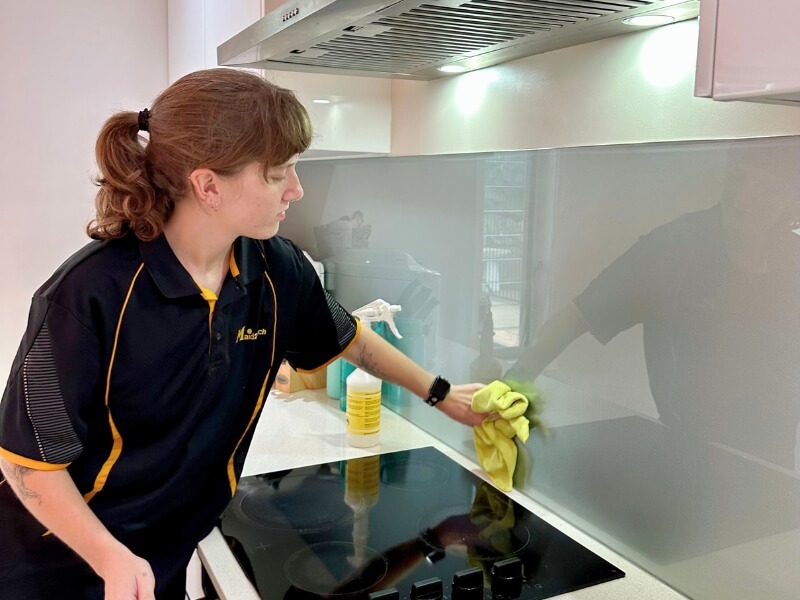
Credit: www.maid2match.com.au
Causes Of Oil Stains On Kitchen Walls
Oil stains on kitchen walls are a common annoyance that many home cooks face. These stains don’t just appear out of nowhere; they result from everyday cooking habits and the environment of your kitchen. Understanding what causes these stains can help you prevent them and tackle existing marks more effectively.
Common Sources Of Oil Splatter
Oil splatter often happens during frying, sautéing, or grilling. Hot oil droplets can jump from pans and settle on nearby walls, especially if you’re cooking without a splatter guard.
Other sources include greasy hands touching walls while cooking or wiping utensils. Even steam mixed with oil vapor can leave a thin layer on surfaces over time, turning into stubborn stains.
- Cooking without lids or covers
- Using high heat that causes oil to pop
- Close proximity of pans to walls
- Handling oily ingredients with bare hands
Why Oil Stains Are Hard To Remove
Oil stains bond tightly to kitchen wall surfaces because oil is hydrophobic—it repels water and sticks stubbornly to surfaces. This makes regular cleaning with water alone ineffective.
Over time, the oil attracts dust and grime, creating a sticky layer that is even harder to wipe off. If you’ve ever scrubbed and found the stains still linger, you know how frustrating it can be.
Do you notice that some cleaning products just smear the stain instead of removing it? That happens because not all cleaners can break down the oil molecules effectively. You need products or methods that can cut through grease to truly clean your walls.

Credit: www.youtube.com
Essential Tools And Materials
Cleaning oil stains from kitchen walls requires the right tools and materials to be effective without damaging the surface. Having these essentials ready can save you time and frustration. It also ensures the stain disappears completely, leaving your kitchen looking fresh and spotless.
Cleaning Agents To Use
Choosing the right cleaning agent is crucial. Dish soap is a simple but powerful option because it cuts through grease easily. You can mix a few drops with warm water for a gentle yet effective cleaner.
For tougher stains, white vinegar works well. Its acidity breaks down oil without harsh chemicals. Another option is baking soda, which acts as a mild abrasive and deodorizer when mixed with water into a paste.
Have you tried a commercial degreaser? These are designed specifically for kitchen grease and can save you scrubbing time. Just make sure to read the label to avoid damage to painted or delicate surfaces.
Tools For Scrubbing And Wiping
Soft sponges or microfiber cloths are your best friends here. They clean thoroughly without scratching the wall. Avoid steel wool or abrasive pads that might strip paint or leave marks.
A spray bottle helps you apply cleaning solutions evenly and prevents soaking the wall. You’ll also need a bucket for rinsing your cloth or sponge frequently to avoid spreading grease around.
For stubborn spots, a soft-bristle brush can add extra scrubbing power. But always test a small hidden area first to ensure it won’t damage the paint or wallpaper.
Preparation Before Cleaning
Preparing your kitchen walls before cleaning oil stains is essential for effective results. Proper preparation saves time and prevents damage to other surfaces. Taking a few simple steps ensures a smooth cleaning process.
Protecting Surrounding Areas
Cover nearby countertops, cabinets, and appliances with old towels or plastic sheets. This prevents cleaning solutions from causing stains or damage. Tape the edges of the covers to keep them in place. Remove any fragile or valuable items from the cleaning area. Protecting these areas helps keep your kitchen safe and tidy.
Ventilation And Safety Tips
Open windows and doors to allow fresh air to circulate. Good ventilation helps reduce strong smells from cleaning products. Wear rubber gloves to protect your hands from harsh chemicals. Avoid mixing different cleaning agents to prevent harmful fumes. Keep pets and children away from the cleaning zone for safety. These steps create a safer environment for cleaning oil stains.
Step-by-step Cleaning Methods
Cleaning oil stains from kitchen walls can feel like a tough job, but with the right approach, it becomes manageable. The key is using effective, easy-to-find ingredients and following simple steps that target grease without damaging your paint or wallpaper. Let’s dive into practical cleaning methods that you can try today.
Using Dish Soap And Warm Water
Dish soap is designed to cut through grease, making it a perfect first choice. Mix a few drops of dish soap in warm water to create a gentle cleaning solution.
Dip a soft cloth or sponge into the solution and gently scrub the stained area. You’ll often see the stain lifting after just a few passes. Rinse the wall with clean water and dry with a towel to avoid streaks.
Have you noticed how often simple soap can outperform fancy cleaners? Give this a try before moving on to stronger options.
Applying Baking Soda Paste
Baking soda is a natural mild abrasive that can help lift stubborn grease. Make a paste by mixing baking soda with a little water until it forms a spreadable consistency.
Apply the paste directly to the oil stain and let it sit for 10–15 minutes. Then, use a damp cloth to scrub gently in circular motions. Baking soda’s texture helps break down the oil without harming your wall.
This method is especially handy if you want to avoid harsh chemicals but still need extra scrubbing power.
Vinegar Solutions For Tough Stains
White vinegar is acidic, which helps dissolve grease effectively. Mix equal parts of white vinegar and water in a spray bottle for easy application.
Spray the solution on the stained area and let it sit for about 5 minutes. Wipe clean with a soft cloth, then rinse with water to prevent vinegar smell lingering.
Does vinegar surprise you by how well it tackles kitchen mess? It’s a favorite in my own cleaning routine for its power and simplicity.
Commercial Degreasers
If the stain refuses to budge, commercial degreasers can be your best friend. Choose a product labeled safe for painted surfaces to avoid damage.
- Apply the degreaser as directed on the package.
- Allow it to sit for the recommended time.
- Wipe away with a clean cloth and rinse the area thoroughly.
Remember to wear gloves and ensure good ventilation when using these products. Have you ever struggled to find a degreaser that works without harming your walls? Testing on a small spot first can save you headaches.
Handling Stubborn Or Old Oil Stains
Stubborn or old oil stains on kitchen walls can be frustrating. They often soak deep into the paint or wall material, making them harder to remove with simple cleaning. But don’t lose hope—there are effective ways to tackle these tough spots and restore your kitchen’s fresh look.
Techniques For Deep Cleaning
Start by mixing a strong yet safe cleaning solution. Combine warm water with a few drops of dish soap and a splash of white vinegar or baking soda. These ingredients break down grease without damaging paint.
Use a soft sponge or cloth to scrub the stained area gently but firmly. Avoid abrasive tools that might scratch the wall. If the stain persists, try a paste made from baking soda and water—apply it directly, let it sit for 15 minutes, then wipe off.
For very stubborn stains, a degreaser designed for kitchen use can help. Always test it on a small, hidden spot first to ensure it won’t discolor your paint. Patience is key; sometimes multiple cleanings are necessary to lift deep-set oil marks.
When To Repaint Or Replace Wall Sections
Ask yourself: does the stain fade after cleaning, or does it remain visible? If it won’t budge and leaves a shadow or discoloration, repainting might be the best option.
Before repainting, clean the wall thoroughly to remove any residue. Use a primer that blocks stains to prevent the oil from bleeding through the new paint. This step saves you from future frustration and keeps your kitchen looking spotless.
If the wall material itself is damaged—peeling paint, bubbling, or warping—consider replacing that section. Sometimes, fixing the surface is more cost-effective and visually pleasing than endless cleaning or repainting. What’s more important to you: preserving the wall or achieving a flawless finish?

Credit: en.brilio.net
Preventing Future Oil Stains
Preventing future oil stains on kitchen walls saves time and effort. A clean kitchen looks fresh and inviting. Simple steps can protect walls from greasy splashes. Setting up barriers and regular cleaning habits helps keep walls spotless.
Installing Splash Guards
Splash guards stop oil from reaching walls during cooking. They come in various materials like glass, metal, or plastic. Place them behind stoves and near frying pans. Splash guards are easy to clean and maintain. They reduce the need for frequent wall scrubbing.
Regular Maintenance Tips
- Wipe kitchen walls with a damp cloth after cooking.
- Use mild soap and warm water for cleaning stains.
- Clean grease spots immediately to prevent buildup.
- Ventilate the kitchen well to reduce oil particles in the air.
- Keep a small spray bottle of vinegar solution for quick cleans.
These habits keep walls fresh and reduce tough stains. Consistency is key to a clean kitchen environment.
Frequently Asked Questions
How Do I Remove Oil Stains From Kitchen Walls?
To remove oil stains, mix warm water with dish soap. Use a sponge to scrub gently. Rinse with clean water and dry with a soft cloth to avoid streaks.
What Household Items Clean Kitchen Wall Grease Effectively?
Common items like baking soda, vinegar, and dish soap clean grease. Baking soda acts as a mild abrasive. Vinegar cuts through oil, making stains easier to remove.
Can I Use Commercial Cleaners On Painted Kitchen Walls?
Yes, but choose non-abrasive, gentle cleaners. Test on a small area first to avoid damage. Follow product instructions to ensure safe and effective cleaning.
How Often Should I Clean Oil Stains On Kitchen Walls?
Clean oil stains as soon as possible. Regular cleaning every few weeks prevents buildup. Prompt action keeps walls looking fresh and reduces stubborn stains.
Conclusion
Cleaning oil stains from kitchen walls can seem difficult. But with the right steps, it’s simple. Regularly wipe walls to prevent buildup. Use mild detergents for stubborn stains. Always test cleaning solutions on small areas first. This avoids damage. Keep your kitchen fresh and clean.
A clean kitchen is inviting and healthy. Remember, consistency is key. Regular cleaning saves time and effort. Make it a routine for best results. Happy cleaning!

Sophia Martinez is a culinary lifestyle writer and product reviewer for DiningGadgets.com. Passionate about blending style with functionality, she explores the latest dining essentials, kitchen décor, and cleaning hacks that transform everyday cooking spaces. With a background in home organization and design, Sophia brings readers expert advice on creating beautiful, practical kitchens that truly feel like the heart of the home.