

Your kitchen tiles are more than just a backdrop—they show the heart of your home. But over time, grease, grime, and stains can dull their shine and make your kitchen feel less inviting.
If you’ve been wondering how to clean kitchen tiles on the wall quickly and effectively, you’re in the right place. You’ll discover simple, proven methods to restore your tiles’ sparkle without harsh chemicals or endless scrubbing. Ready to transform your kitchen walls and impress everyone who walks in?
Let’s get started!
:max_bytes(150000):strip_icc()/GettyImages-1543972551-262a8d8a3129466c9c1a98e6cda506c7.jpg "How to Clean Kitchen Tiles on Wall: Easy Tips for a Sparkling Shine 1")
Credit: www.marthastewart.com
Choosing The Right Cleaning Supplies
Choosing the right cleaning supplies is key to keeping your kitchen tiles spotless without damaging them. The right products make your job easier and protect your tile’s finish and grout. It’s not just about grabbing any cleaner from the shelf; understanding what works best for your tile type saves time and effort.
Types Of Cleaners For Kitchen Tiles
There are several types of cleaners designed specifically for kitchen tiles. You’ll find:
- All-purpose tile cleanersthat work on most tile surfaces and are easy to use.
- Grout cleanersthat target the often-neglected grout lines and remove stubborn stains.
- Degreasersperfect for cutting through the grease and food splatters common in kitchens.
Choosing the right type depends on your tile material and the kind of dirt you face daily. What kind of stains bother you the most on your kitchen walls?
Tools You’ll Need
Having the right tools is just as important as the cleaner you pick. Basic tools include:
- A soft-bristle brush or old toothbrush to scrub grout without scratching.
- A microfiber cloth or sponge for wiping tiles clean.
- A spray bottle to apply liquid cleaners evenly.
- A bucket for mixing solutions and rinsing.
Using harsh scrubbers can damage your tiles or grout, so choose tools that are gentle yet effective. Have you checked if your current cleaning tools are doing more harm than good?
Natural Vs Chemical Cleaners
Many people hesitate between natural and chemical cleaners. Natural options like vinegar, baking soda, and lemon juice are eco-friendly and safe for families with pets or children.
Chemical cleaners, on the other hand, often work faster and can tackle tougher stains but may contain harsh ingredients that irritate skin or damage certain tile finishes.
Try testing a small hidden area first to see how your tiles react. What’s more important to you — quick results or a gentler, natural approach?
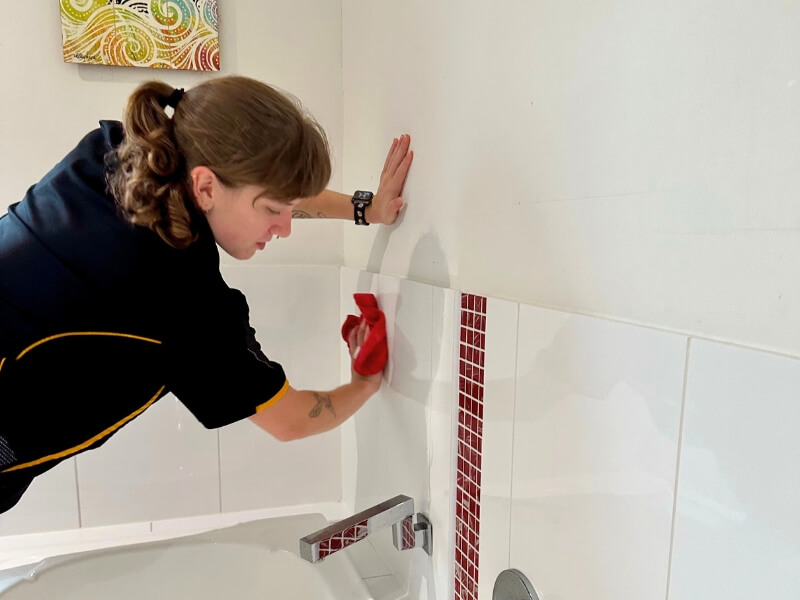
Credit: www.maid2match.com.au
Preparing The Kitchen Tiles
Preparing your kitchen tiles before cleaning sets the foundation for a successful and efficient process. It’s about more than just grabbing a sponge and some cleaner—you need to clear away loose dust and grease, and protect the surrounding areas to avoid unnecessary mess. Taking these steps ensures you tackle dirt effectively without damaging walls or countertops.
Removing Surface Dust And Grease
Start by wiping down the tiles with a dry microfiber cloth or a soft brush. This removes loose dust and particles that can scratch the surface during cleaning. Next, target grease spots using a gentle degreaser or a mix of warm water and dish soap.
Spray the solution onto the tiles and let it sit for a minute before scrubbing lightly with a non-abrasive sponge. You’ll notice how much easier the grime comes off when the surface is prepped this way. Have you ever skipped this step and ended up spreading grease around instead of removing it?
Protecting Surrounding Areas
Before applying any cleaning liquids, cover nearby surfaces like countertops, cabinets, and appliances. Use painter’s tape and plastic sheets or old towels to shield these areas from drips and splashes. This small step saves you from extra cleanup and potential damage.
Also, remove any loose items such as magnets, pictures, or hooks on the tiled wall. Protecting the grout lines by applying masking tape can help prevent discoloration or damage from harsh cleaners. Preparing your space thoughtfully makes the actual cleaning faster and less stressful.
Step-by-step Cleaning Process
Cleaning kitchen wall tiles can seem tedious, but a clear process makes it manageable and even satisfying. You’ll find that tackling it step-by-step ensures every tile shines without damage. Let’s break down the essential actions you need to take for sparkling results.
Applying The Cleaner
Start by choosing a cleaner suitable for your tile type. You can use a commercial tile cleaner or a simple mix of warm water and mild detergent. Spray or apply the cleaner evenly across the tiles, focusing on grout lines where grime tends to build up.
Let the cleaner sit for a few minutes. This pause helps loosen dirt and grease, making scrubbing easier. Resist the urge to rush this part—patience here saves time later.
Scrubbing Techniques
Use a soft-bristled brush or a sponge for scrubbing. Apply gentle pressure and move in circular motions to lift dirt without scratching the surface. Pay special attention to grout, which may need a bit more effort or a toothbrush for precise cleaning.
If stubborn stains persist, try a paste of baking soda and water. Apply it directly and scrub again. Have you noticed how some grout turns dull over time? Regular scrubbing prevents that and keeps tiles looking fresh.
Rinsing And Drying
After scrubbing, rinse the tiles thoroughly with clean water to remove any residue. Leftover cleaner can attract dirt, so don’t skip this step. Use a damp cloth or sponge to wipe down the surface.
Finally, dry the tiles with a microfiber cloth to avoid water spots. Drying also helps you spot any missed areas. Have you ever seen streaks after cleaning? This simple drying step eliminates that problem.
Tackling Stubborn Stains
Stubborn stains on kitchen wall tiles can feel like a tough challenge. These marks often resist regular cleaning and spoil the look of your kitchen. Tackling them effectively requires some simple but targeted techniques that you can try right away.
Using Baking Soda Paste
Baking soda is a natural cleaner that works wonders on tough stains. Make a thick paste by mixing baking soda with a little water.
Apply the paste directly to the stained areas and let it sit for about 10-15 minutes. Then, scrub gently with a soft brush or sponge. You’ll often see the stain lift without harsh chemicals.
Have you ever noticed how baking soda also neutralizes odors? This makes it a great choice for kitchen tiles where food splashes happen frequently.
Dealing With Mold And Mildew
Mold and mildew can hide in tile grout and cause discoloration. To fight this, mix equal parts white vinegar and water in a spray bottle.
Spray the solution on the affected areas and allow it to sit for 10 minutes before scrubbing with an old toothbrush. Vinegar kills mold spores and helps prevent their return.
If the mold is stubborn, you can sprinkle some baking soda on the grout before spraying the vinegar. This creates a fizzing action that deep-cleans those hidden spots.
Maintaining Sparkling Kitchen Tiles
Maintaining sparkling kitchen tiles is essential to keep your kitchen looking fresh and inviting. Clean tiles not only improve the overall appearance but also prevent the buildup of grease and grime that can damage surfaces over time. By adopting simple habits and cleaning routines, you can enjoy a bright and spotless kitchen wall every day.
Regular Cleaning Schedule
Consistency is key to keeping your kitchen tiles shiny. Wiping down your tiles after cooking helps remove splashes and spills before they set in. Aim to clean your tiles at least once a week with a mild detergent and warm water to break down grease and food residue effectively.
Don’t forget the grout lines—they often collect dirt and can discolor quickly. Using a soft brush with a baking soda paste can restore grout brightness. Have you ever noticed how much cleaner your kitchen feels after just a quick wipe?
Preventive Tips For Long-lasting Shine
Prevent stains before they start by addressing spills immediately. Using a squeegee or microfiber cloth after cooking can reduce water spots and soap scum. Avoid harsh chemicals that can dull your tiles; instead, choose gentle, tile-friendly cleaners.
Consider sealing your grout annually to keep moisture and dirt out. This simple step makes cleaning easier and protects against mold growth. What small change could you make today to keep your tiles shining longer?
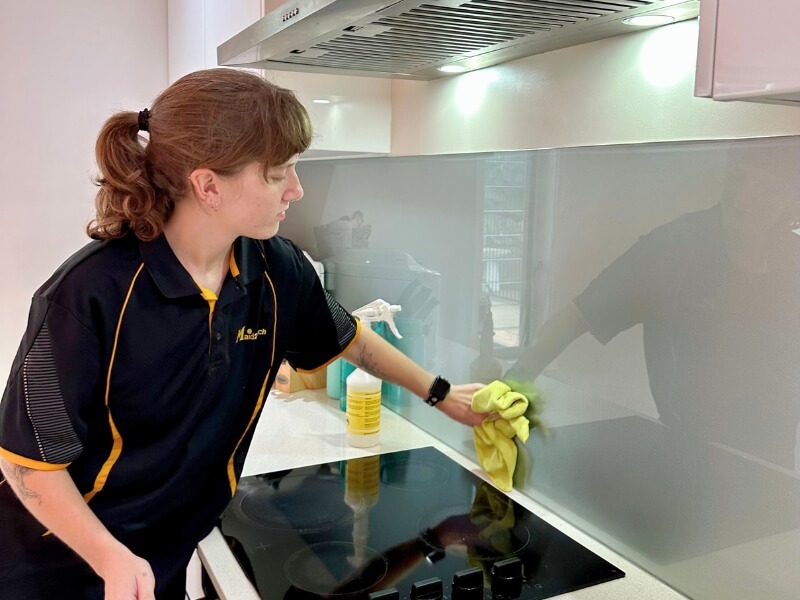
Credit: www.maid2match.com.au
Frequently Asked Questions
How Often Should I Clean Kitchen Wall Tiles?
Clean kitchen wall tiles at least once a week. Regular cleaning prevents grease and grime buildup. For heavy stains, deep clean monthly to maintain shine and hygiene.
What Is The Best Cleaner For Kitchen Wall Tiles?
Use a mild detergent or vinegar-water mix for regular cleaning. Avoid harsh chemicals to protect tile surfaces. For tough stains, baking soda paste works effectively without damage.
How Do I Remove Grease From Kitchen Tiles?
Apply a mixture of warm water and dish soap. Scrub gently with a soft brush or sponge. Rinse well and dry to prevent residue and streaks.
Can I Use Bleach On Kitchen Wall Tiles?
Yes, but use diluted bleach carefully on grout only. Avoid prolonged contact with tiles to prevent discoloration. Always rinse thoroughly and ventilate the area well.
Conclusion
Cleaning kitchen tiles on the wall need not be hard. With simple steps, your tiles will shine. Regular cleaning keeps dirt and grime away. Use gentle cleaners to protect tile surfaces. A soft brush can reach tricky spots. Always dry tiles to avoid water spots.
Consistent care preserves the tile’s beauty. Your kitchen will look fresh and inviting. Clean tiles can also improve hygiene. Enjoy a pleasant kitchen space every day. Keep these tips in mind for a cleaner kitchen. A tidy kitchen makes cooking more enjoyable.
So, start cleaning today!
