

Your kitchen is the heart of your home, and adding an accent wall can completely transform its look. But how do you choose the right one?
Picking the perfect accent wall isn’t just about color or design—it’s about creating a space that feels warm, inviting, and truly yours. You’ll discover simple tips and creative ideas to help you select an accent wall that highlights your kitchen’s best features and matches your style.
Keep reading, and you’ll find the inspiration and confidence to make a choice you’ll love every day.
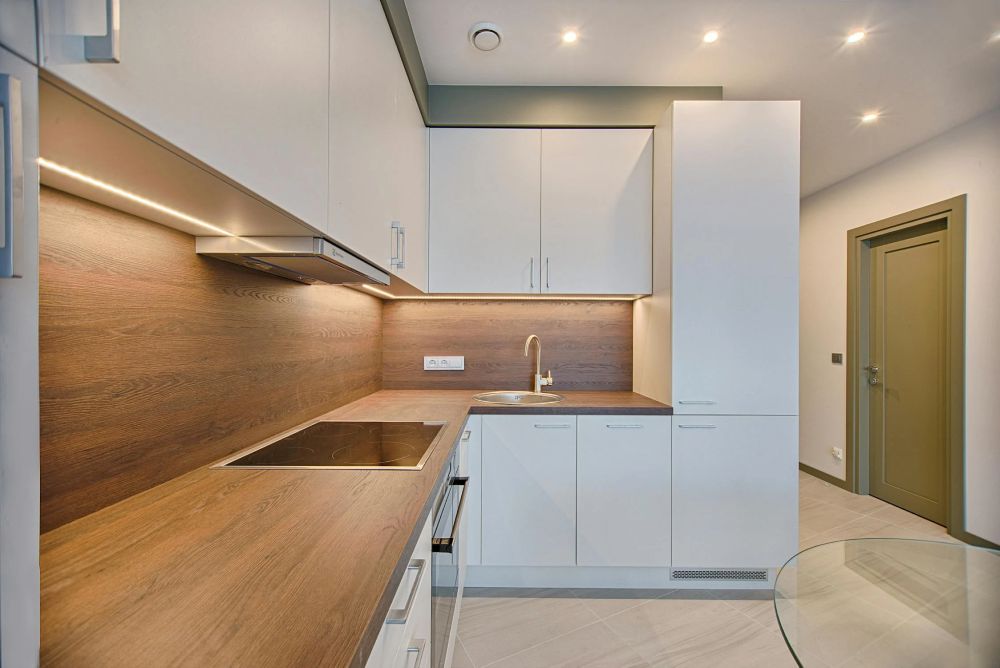
Credit: woodywalls.com
Benefits Of An Accent Wall In Kitchen
Adding an accent wall in your kitchen can transform the entire space without a complete overhaul. It creates a focal point that draws attention and adds personality to the room. Beyond aesthetics, accent walls offer practical benefits that can enhance your kitchen experience.
Enhances Visual Interest And Depth
An accent wall breaks the monotony of plain walls by introducing color, texture, or patterns. This contrast makes your kitchen feel more dynamic and inviting. Have you noticed how a splash of color can instantly lift your mood while cooking or dining?
Defines Separate Areas
In open-plan kitchens, an accent wall can help define different zones, such as the cooking area or dining space. This subtle separation improves the flow without adding physical barriers. It’s a smart way to organize your kitchen without sacrificing openness.
Cost-effective Makeover
Changing one wall is budget-friendly compared to repainting or remodeling the entire kitchen. You can experiment with bold colors or trendy materials like tiles or wood panels without a big investment. This approach lets you update your space frequently to match your evolving style.
Highlights Architectural Features
If your kitchen has unique elements like a fireplace, built-in shelves, or a window nook, an accent wall can highlight them. Painting or decorating the wall behind these features makes them stand out naturally. How often do you find yourself admiring details you didn’t notice before?
Personalizes Your Kitchen
Your kitchen reflects your lifestyle, and an accent wall is a perfect way to express that. Whether you prefer a bold splash of color or a subtle textured finish, the wall becomes your signature. This personal touch makes your kitchen feel truly yours every time you step inside.
Popular Accent Wall Styles
Choosing the right style for your kitchen’s accent wall can transform the entire space. Popular accent wall styles offer a mix of colors, textures, and patterns that can match your personality and kitchen design. Let’s look at some styles that stand out and see how they can elevate your kitchen’s look.
Bold Colors
Bold colors grab attention immediately. A deep navy blue or vibrant red can bring energy to your kitchen. If you want to make a statement, paint one wall in a striking shade that contrasts with your cabinets and countertops.
Think about how a bold color makes you feel every time you enter the kitchen. Does it inspire creativity or calm you down? Choose a color that fits your mood and complements your kitchen’s lighting.
Textured Surfaces
Adding texture creates a tactile experience that plain paint can’t match. Consider materials like brick, stone, or plaster for your accent wall. These surfaces add depth and character, making your kitchen feel cozier and more inviting.
Have you ever touched a textured wall and noticed how it changes the room’s vibe? Textures can hide small imperfections too, which is a bonus if your walls aren’t perfectly smooth.
Patterned Tiles
Patterned tiles offer endless design possibilities. From Moroccan motifs to geometric shapes, tiles can bring color and pattern in a way that’s easy to clean and maintain. They work especially well behind a kitchen sink or stove area.
Consider mixing different tile patterns or colors for a personalized touch. This style also allows you to add subtle cultural or vintage flair to your kitchen without overwhelming the space.
Wood Paneling
Wood paneling introduces warmth and natural beauty to your kitchen. Whether you choose reclaimed wood or sleek, modern panels, wood adds an organic feel that softens hard surfaces. It pairs well with both rustic and contemporary kitchens.
Think about how wood tones can coordinate with your flooring or furniture. Wood paneling can also be painted or stained to match your color scheme, giving you plenty of flexibility.
Choosing The Right Wall
Choosing the right wall for an accent in the kitchen sets the tone for the entire space. This choice shapes the room’s mood and highlights key features. Focus on walls that naturally draw the eye. Consider the size and shape of the kitchen. Select a wall that offers enough space to showcase the accent without overwhelming.
Focal Point Selection
Pick a wall that already acts as a focal point in the kitchen. This could be the wall behind the stove or sink. These areas often have less clutter and more visibility. An accent wall here will enhance the kitchen’s natural flow. It will also make the space feel more inviting and organized.
Avoiding Cluttered Walls
Steer clear of walls crowded with cabinets, appliances, or decorations. Cluttered walls can distract from the accent’s impact. Instead, choose a clear, open wall. This allows the accent color or design to stand out. A simple wall helps maintain a clean and fresh kitchen look.
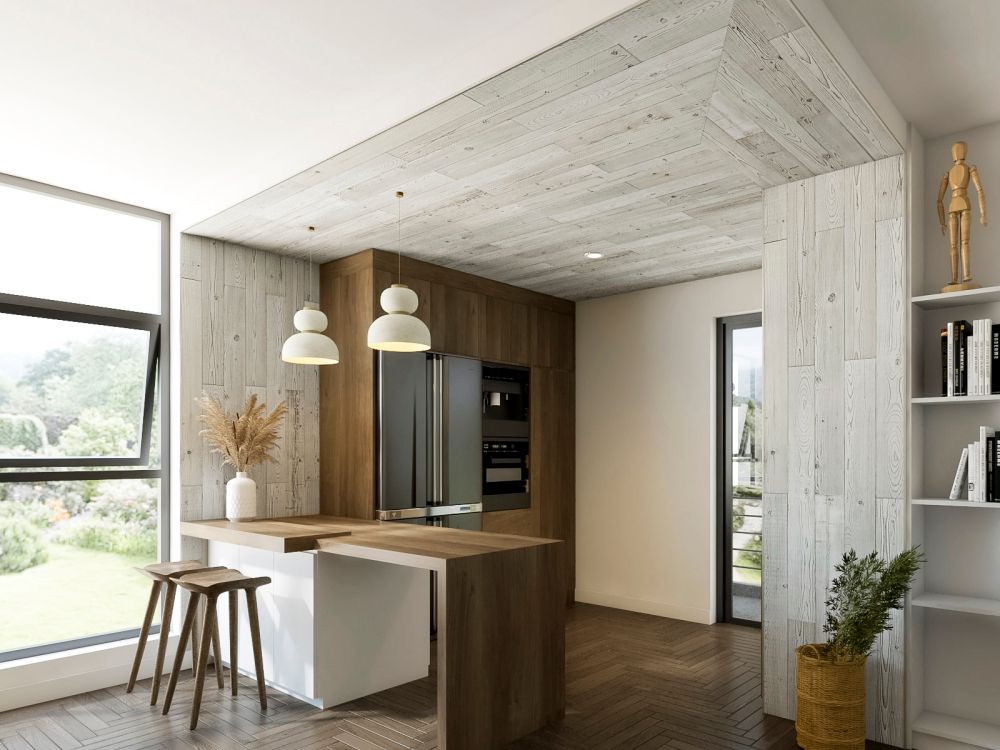
Credit: woodywalls.com
Color Selection Tips
Choosing the right color for your kitchen’s accent wall can completely change the vibe of the space. The color you pick should not only stand out but also blend smoothly with the rest of your kitchen elements. Here are some practical tips to help you select a color that makes your kitchen pop without clashing.
Complementing Cabinets And Countertops
Start by looking at the colors of your cabinets and countertops. These are the main elements that your accent wall should either contrast with or complement.
If your cabinets are light-colored, like white or cream, a bold color such as navy blue or forest green can create a stunning contrast. On the other hand, if your cabinets are dark wood or black, softer hues like pale gray or muted pastels can balance the space.
Think about the undertones in your countertops too. Are they warm like beige or cool like gray? Matching your accent wall color to these undertones can tie everything together. Have you ever chosen a color that didn’t match and felt it threw off the whole room?
Using Color Theory
Color theory can guide you in choosing a shade that feels right. Complementary colors, which sit opposite each other on the color wheel, can make your accent wall stand out dramatically.
For example, if your kitchen has a lot of green elements, a red or coral accent wall might bring energy without overwhelming the space. Analogous colors, which are next to each other on the wheel, create harmony. So, pairing blue cabinets with a teal accent wall is a safe bet.
Try to avoid clashing colors that fight for attention. Ask yourself: Does the color you’re considering make you feel calm or energized? Your kitchen should reflect the mood you want to create.
Considering Lighting
Lighting dramatically affects how a color looks on your wall. Natural daylight shows the truest color, so test your paint samples near windows before committing.
In kitchens with limited natural light, lighter colors can brighten the space, while darker colors might make it feel cramped. Artificial lighting—whether warm or cool—also shifts how colors appear. Warm light can make colors look softer, while cool light sharpens them.
Think about how you use your kitchen throughout the day. Do you want a cozy feel for evening meals or a bright, lively atmosphere for morning coffee? Testing colors at different times can reveal surprising changes.
Materials And Finishes
Choosing the right materials and finishes for your kitchen accent wall can transform the entire space. Each option brings a unique texture, color, and vibe that can make your kitchen feel cozy, modern, or vibrant. Think about how the material will interact with your kitchen’s lighting and overall style before making a decision.
Paint Types
Paint is the easiest and most flexible choice for an accent wall. You can pick from matte, satin, semi-gloss, or high-gloss finishes, each offering different levels of shine and durability. Matte hides imperfections well but can be harder to clean, while semi-gloss and high-gloss are more resistant to moisture and stains—perfect for kitchen walls.
Consider bold colors to make a strong statement or subtle shades to add warmth. Have you thought about combining colors with stencils or geometric patterns? That can add depth without overwhelming the space.
Wallpapers
Wallpaper has come a long way and offers endless patterns and textures. From floral prints to metallic finishes, wallpapers can give your kitchen an artistic touch. Peel-and-stick options make it easier to change your look without damage.
Keep in mind, kitchens get steamy, so choose wallpapers designed to handle moisture. Textured or washable wallpaper adds personality and is practical. What pattern would make you smile every time you walk in?
Tile Options
Tiles bring durability and style to a kitchen accent wall. Ceramic, porcelain, glass, or even mosaic tiles offer different textures and colors that can stand up to heat and moisture. A glossy tile can reflect light, making your kitchen feel larger and brighter.
Try mixing tile sizes or using patterned tiles to create visual interest. Tiles can double as a backsplash, making them both functional and beautiful. How could tile shapes or colors complement your existing kitchen elements?
Wood And Stone
Wood and stone add natural warmth and texture to your kitchen. Wood panels create a rustic or modern farmhouse feel, while stone can make the space look elegant and grounded. Both materials can be sealed to resist kitchen moisture and stains.
Reclaimed wood offers a sustainable choice with character, while slate or marble stone can bring in luxury. Would a wood feature wall balance your sleek appliances or add contrast to a minimalist kitchen?
Decor Ideas To Enhance Accent Walls
Decorating an accent wall in your kitchen can completely transform the space and make it feel more inviting. The right decor not only highlights the wall but also adds personality and charm. Think about what items can create a balance between function and style, while bringing out the colors and textures you’ve chosen for your accent wall.
Artwork And Shelves
Artwork instantly grabs attention and gives your accent wall a focal point. Choose pieces that complement the wall’s color and style—bold prints work well on neutral walls, while subtle art can balance brighter backgrounds.
Shelves add both storage and style. Floating shelves let you display cookbooks, ceramics, or unique kitchenware without cluttering the space. Try mixing framed photos with small decorative items to keep it interesting.
Lighting Fixtures
Good lighting can make your accent wall pop at any time of day. Consider installing pendant lights or wall sconces that draw the eye and add warmth. Adjustable lighting lets you highlight specific decor or create a cozy atmosphere.
Think about the materials and colors of the fixtures too. A matte black or brushed gold fixture can enhance the wall’s texture and color palette, making the whole kitchen feel more polished.
Plants And Greenery
Plants bring freshness and life to your accent wall. Small potted herbs are perfect for kitchens—they’re practical and add a touch of green. Hanging planters or wall-mounted pots can create a vertical garden effect without taking up counter space.
Try mixing different plant sizes and types to add depth and interest. Ever noticed how a bit of greenery can soften a bold wall and make the room feel more welcoming?
Common Mistakes To Avoid
Choosing an accent wall in the kitchen can transform your space. Avoiding common mistakes ensures the accent wall enhances your kitchen’s look. Poor choices can make the room feel unbalanced or overwhelming.
Picking The Wrong Wall
Not every wall suits an accent. Avoid walls with many cabinets or appliances. Choose a wall that naturally draws attention. A clear, visible wall works best for an accent.
Using Too Many Colors
Stick to one bold color or pattern. Multiple colors confuse the eye and clutter the space. A simple, strong accent color makes a bigger impact.
Ignoring Kitchen Lighting
Lighting changes how colors appear. Dark walls in a dim kitchen look dull. Test paint samples in different light before deciding.
Neglecting Kitchen Style
Match the accent wall to your kitchen’s style. A modern kitchen needs modern colors or textures. Traditional kitchens suit classic or warm tones.
Overlooking Wall Texture And Material
Texture affects the wall’s appeal. Smooth paint differs from brick or tile accents. Choose materials that fit your kitchen’s theme and are easy to clean.
Forgetting About Balance
An accent wall should balance with other walls. Too dark or bright can overpower the room. Keep harmony for a cozy and inviting kitchen.
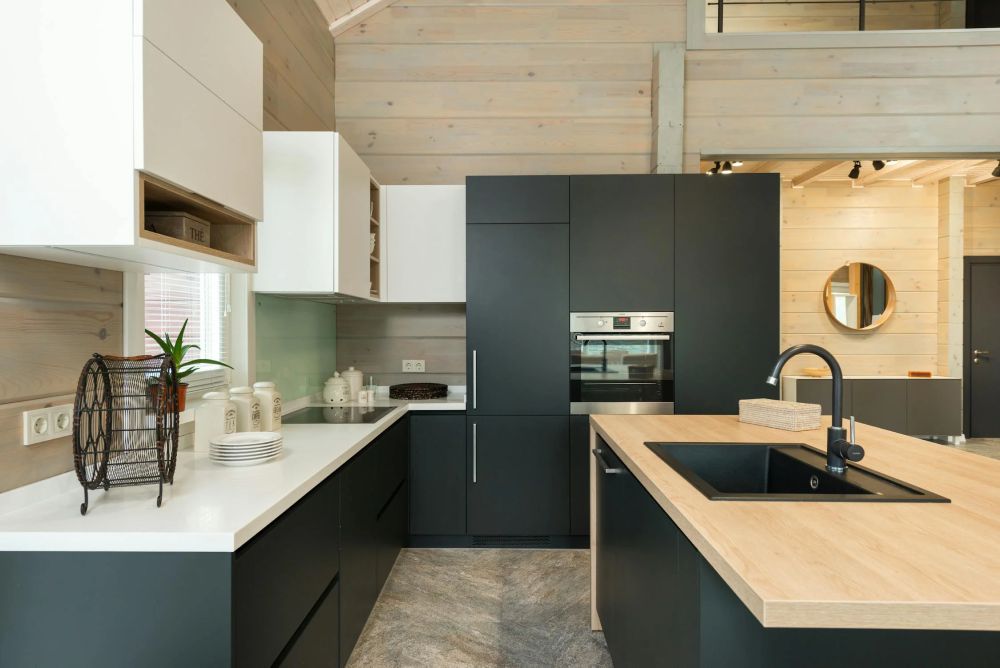
Credit: woodywalls.com
Maintenance And Durability
Choosing an accent wall in your kitchen means thinking beyond just looks. Maintenance and durability play a huge role in keeping that wall fresh and functional over time. Your choice should stand up to spills, heat, and daily wear without constant repairs or cleaning headaches.
Material Matters For Lasting Beauty
Not all materials handle kitchen conditions equally. Paint is easy to clean but can chip or stain quickly if you pick the wrong finish. Tiles or stone offer more toughness, resisting moisture and heat much better.
I once painted a kitchen accent wall with bright red paint. It looked amazing, but after a few months of cooking splashes, it needed repainting. Switching to glazed ceramic tiles next time would save me that trouble.
Cleaning Ease Affects Your Daily Routine
How often will you need to clean the wall? Smooth, non-porous surfaces wipe down easily with a damp cloth. Textured or porous walls trap grease and dust, requiring stronger cleaners or scrubbing.
Consider your lifestyle—if you cook frequently, a wipe-clean surface can save you time and frustration. Would you rather spend your evenings scrubbing or relaxing?
Resistance To Heat And Moisture
Kitchens are hotspots for steam, heat, and splashes. Your accent wall should handle these without warping, peeling, or discoloring. Materials like metal panels or heat-resistant tiles excel here.
Think about the wall’s location too. Is it near the stove or sink? Those spots demand extra durability. Choosing the right material can prevent costly repairs down the road.
Long-term Durability Vs. Initial Cost
Sometimes spending more upfront means saving later. Durable materials might cost more initially but reduce maintenance expenses and replacements. Cheaper options often wear out faster, costing you time and money.
Ask yourself: Would you prefer a quick fix or a long-lasting feature? Investing in sturdy materials can keep your kitchen looking great for years.
Frequently Asked Questions
What Color Is Best For A Kitchen Accent Wall?
Choose a color that complements your kitchen’s palette. Bold colors like navy or emerald add depth. Soft pastels create a subtle highlight. Consider your kitchen’s lighting and overall style for the perfect match.
How Do I Pick The Right Accent Wall Material?
Select materials that suit your kitchen’s function and style. Popular options include paint, tile, wood, or wallpaper. Tiles offer durability and easy cleaning. Wood adds warmth, while wallpaper provides patterns and texture.
Where Should I Place An Accent Wall In The Kitchen?
Place the accent wall behind a focal point like the stove or sink. This draws attention and enhances kitchen features. Avoid walls cluttered with cabinets or appliances for a cleaner look.
Can An Accent Wall Improve Kitchen Space Perception?
Yes, a well-chosen accent wall can make your kitchen feel larger or cozier. Light colors open up space, while dark shades add intimacy. Use texture and color wisely to influence room perception.
Conclusion
Choosing the right kitchen accent wall transforms your space beautifully. Consider colors that match your kitchen’s theme. Patterns can add a unique touch. Textures bring depth and interest. Think about the natural light in your kitchen. It affects color perception.
Use samples to visualize the final look. Trust your taste and personal style. Balance is key in design. An accent wall should enhance, not overpower. A well-chosen wall makes your kitchen inviting and lively. Experiment, have fun, and create a space you love.
Your kitchen reflects your personality. Enjoy the process of making it truly yours.
