

Are you dreaming of a kitchen that combines style and functionality? A pony wall for your kitchen island might be the perfect solution.
Imagine a space that not only defines your kitchen area but also provides extra seating or storage. This simple yet effective addition can transform your kitchen into a more organized and inviting space. And the best part? You can build it yourself! In this guide, we’ll show you how to construct a pony wall that suits your kitchen’s style and needs.
Whether you’re a DIY enthusiast or a beginner, you’ll find our step-by-step instructions easy to follow. By the end of this article, you’ll not only have a clear understanding of the process but also the confidence to start your project. So, are you ready to elevate your kitchen’s charm and functionality with a pony wall? Let’s dive in!

Credit: www.reddit.com
Planning Your Pony Wall
Planning your pony wall carefully sets the foundation for a smooth build and a finished product that fits perfectly in your kitchen. This stage is about making smart choices and preparing well before you start cutting or nailing anything. Taking time here saves you from costly mistakes and ensures your pony wall adds both function and style to your kitchen island.
Choosing The Right Location
Think about how you use your kitchen. Where will the pony wall support your island best without blocking movement or light?
Consider proximity to plumbing or electrical outlets if your island will include a sink or appliances. Also, check the floor level—uneven floors can complicate installation and may require extra adjustments.
Ask yourself: Does this spot complement the kitchen’s flow and make cooking or entertaining easier?
Measuring And Marking
Measure twice, mark once. Use a tape measure and a pencil to outline the exact dimensions of your pony wall on the floor and adjoining walls.
Mark the height clearly; most pony walls range between 36 to 42 inches tall, matching typical countertop height. Double-check these marks with a level to ensure straight, even lines.
Accurate measurements help avoid gaps or misalignments that can throw off your entire build.
Selecting Materials And Tools
Choose materials that match your kitchen’s style and durability needs. Common options include 2×4 lumber for framing and plywood or drywall for the surface.
Gather essential tools such as a saw, drill, level, hammer, nails or screws, and a stud finder. Having the right tools ready will keep your project moving without frustrating delays.
Think about finishing touches too—will you paint, add trim, or use tile? Planning these details early helps you pick compatible materials now.

Credit: www.contractortalk.com
Preparing The Workspace
Preparing the workspace sets the foundation for building a pony wall. A clean and organized area helps work flow smoothly. It also prevents accidents and damage to your kitchen. Taking time to prepare ensures the project starts right.
Clearing And Cleaning The Area
Remove all furniture and items near the kitchen island space. Clear countertops, cabinets, and floors to create room. Sweep or vacuum the floor to remove dust and debris. Wipe down surfaces to avoid dirt mixing with construction materials. A clean workspace makes building easier and safer.
Protecting Floors And Surroundings
Cover floors with drop cloths or plastic sheets to guard against scratches and spills. Use painter’s tape to secure coverings and prevent slipping. Shield cabinets and appliances with protective film or cardboard sheets. Protecting the area saves time on cleanup and prevents costly damage.
Building The Frame
Building the frame is the foundation of your pony wall. It shapes the entire structure and ensures stability. A strong frame supports the countertop and any attached fixtures. Precise cutting and secure assembly create a durable kitchen island base.
Cutting Lumber To Size
Start with quality lumber like 2x4s for strength. Measure the wall height and length carefully. Mark the wood clearly using a pencil and square. Use a saw to cut each piece straight. Keep all cuts clean for easy assembly.
Assembling The Wall Frame
Lay out the cut lumber on a flat surface. Arrange the bottom and top plates parallel to each other. Place vertical studs evenly between the plates, usually 16 inches apart. Use a drill and screws to fasten the studs to the plates. Check for square corners to keep the frame even.
Securing The Frame To The Floor
Move the assembled frame into position. Use a level to ensure it stands perfectly vertical. Mark the floor through the bottom plate holes. Drill pilot holes into the floor at marked spots. Secure the frame with heavy-duty screws or anchors. Double-check stability before continuing your build.
Installing Drywall And Finishing
Installing drywall and finishing your pony wall is where your kitchen island truly starts to take shape. This process transforms the rough frame into a clean, polished surface ready for paint or tile. Handling drywall correctly ensures durability and a professional look, making the effort well worth it.
Cutting And Attaching Drywall
Measure your pony wall carefully before cutting drywall sheets. Use a utility knife to score and snap drywall along your marked lines for clean edges.
Attach the drywall to the frame using drywall screws, spaced about 12 inches apart. Make sure the screws are just below the surface without tearing the paper.
Taping And Mudding Seams
Apply drywall tape over all the seams between drywall sheets. This prevents cracks from appearing later.
Use a drywall knife to spread a thin layer of joint compound (mud) over the taped seams. Feather the edges to blend smoothly with the drywall surface.
Let the mud dry completely before applying additional coats. Two or three layers usually create the best finish.
Sanding For A Smooth Surface
Once the joint compound is dry, sand the surface gently with fine-grit sandpaper. Focus on smoothing out ridges and blending edges.
Wear a dust mask to protect yourself from drywall dust. After sanding, wipe the wall with a damp cloth to remove dust for a clean finish.
Ask yourself: Is the surface perfectly smooth to the touch? Any bumps or rough patches can show through paint, so take your time with this step.
Adding Trim And Paint
Adding trim and paint to your pony wall transforms it from a simple structure into a polished centerpiece for your kitchen island. This step not only enhances the wall’s appearance but also protects the surface from everyday wear and tear. Paying attention to detail here can elevate the entire look of your kitchen, making your hard work truly stand out.
Installing Baseboards And Moldings
Start by selecting baseboards and moldings that match your kitchen’s style. Whether you prefer a sleek modern look or a classic touch, the right trim sets the tone for the whole space.
Measure the length of each wall section carefully before cutting your trim pieces. Use a miter saw for clean, angled cuts that fit perfectly at corners. Don’t rush this step; precise cuts make installation smoother and the final look more professional.
Attach the baseboards and moldings using finishing nails or a nail gun. If you don’t have a nail gun, small finishing nails hammered gently will do the job. Fill any nail holes with wood filler and sand smooth once dry — this creates a flawless surface for painting.
Priming And Painting The Wall
Priming your pony wall is crucial, especially if you’re painting over raw wood or drywall. Primer seals the surface, helping paint stick better and last longer. It also prevents stains or knots in the wood from bleeding through the paint.
Use a high-quality primer suitable for your wall material. Apply with a brush or roller in smooth, even strokes. Let the primer dry completely before moving on to paint.
Choose a paint color that complements your kitchen design. Semi-gloss or satin finishes work well here because they’re easy to clean and resist moisture. Apply at least two coats of paint for full coverage, allowing each coat to dry fully.
Have you noticed how a fresh coat of paint can brighten a room instantly? Imagine the pride you’ll feel every time you walk into your kitchen island area, knowing you built that beautiful pony wall yourself.
Installing The Countertop
Installing the countertop on your pony wall is a crucial step that transforms the structure into a functional kitchen island. It requires careful selection of materials and precise securing to ensure durability and style. Let’s look at how you can make this part of your project smooth and successful.
Choosing A Countertop Material
Your countertop choice affects both the look and function of your kitchen island. Think about how you use your kitchen: do you need a surface that can withstand heavy chopping or one that resists stains from frequent cooking?
Popular materials include:
- Granite:Durable and heat-resistant, but heavier and more expensive.
- Butcher Block:Warm and inviting, perfect if you like a natural wood look, but requires regular sealing.
- Quartz:Low maintenance and strong, with a wide variety of colors and patterns.
- Laminate:Budget-friendly and versatile, though less durable than stone options.
Consider your budget, maintenance willingness, and kitchen style. Have you thought about how each material will wear over time in your daily routine?
Securing The Countertop To The Wall
Once you have your countertop, it’s time to attach it securely to the pony wall. A loose countertop can cause accidents and damage.
Start by placing the countertop on the wall to check the fit. Use shims if needed to level the surface perfectly.
Attach the countertop with these steps:
- Use construction adhesive on the top edge of the pony wall for strong bonding.
- Secure with screws from underneath the wall into the countertop frame, making sure to pre-drill holes to avoid splitting.
- Double-check for any movement and adjust if necessary before the adhesive sets.
Have you ever experienced a countertop shift or wobble? Securing it right the first time saves you from costly repairs later.
Final Touches And Cleanup
After building your pony wall, the final touches and cleanup are crucial. These steps ensure your kitchen island looks perfect and ready to use. Taking time to inspect and clean up will protect your work and space.
Inspecting For Flaws
Carefully check the pony wall for any imperfections. Look for uneven surfaces, gaps, or loose nails. Make sure all joints are tight and secure. Sand any rough spots to create a smooth finish. Fill holes or cracks with wood filler. Allow the filler to dry before sanding again. Inspect paint or stain for even coverage. Touch up any areas that look patchy or thin.
Cleaning The Work Area
Remove all tools and materials from the site. Sweep or vacuum dust and debris from the floor. Wipe down surfaces with a damp cloth to remove dust. Dispose of any scraps or waste properly. Store leftover materials safely for future use. Keep the area tidy to avoid accidents and clutter. A clean workspace improves safety and the room’s appearance.
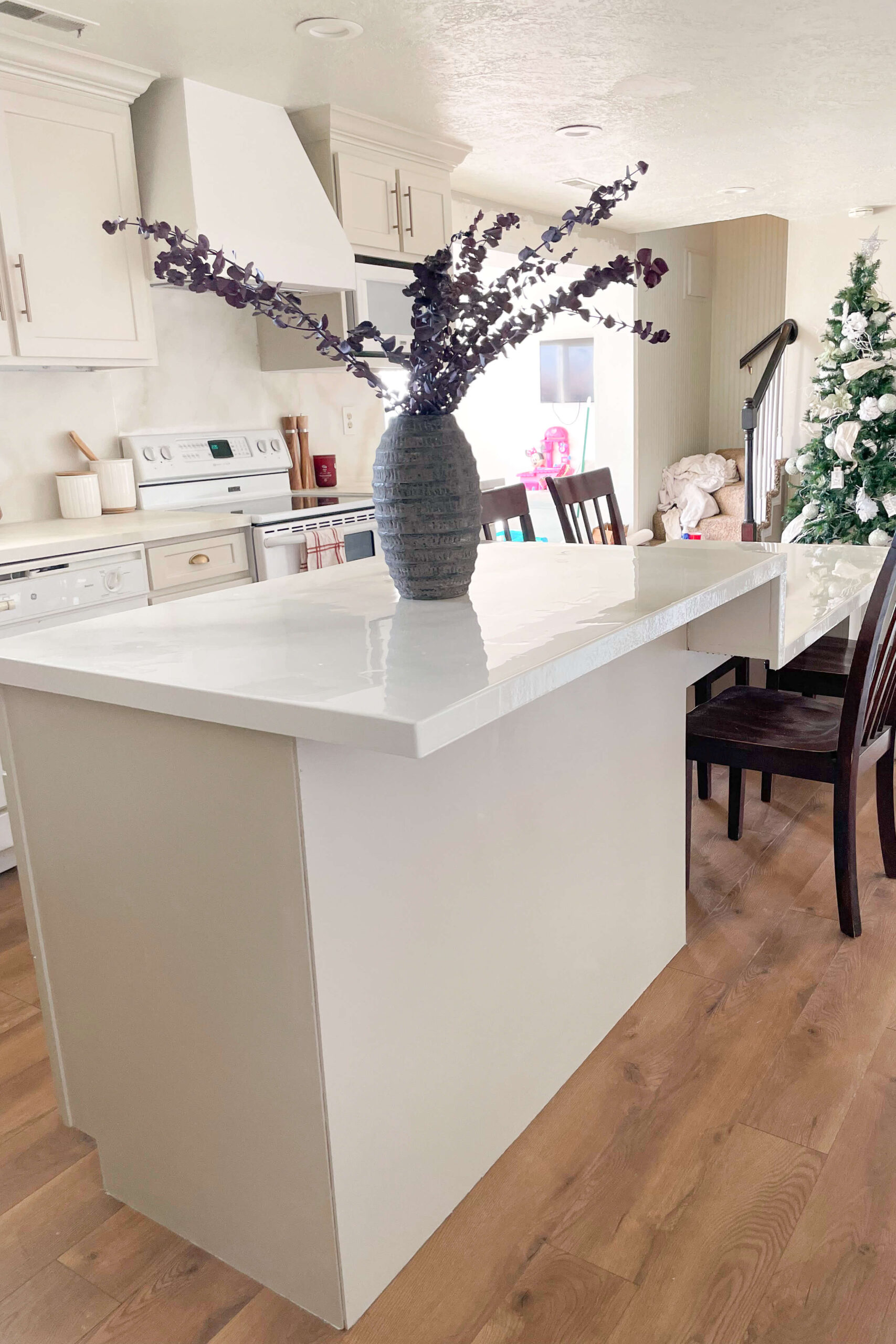
Credit: crystelmontenegrohome.com
Frequently Asked Questions
What Materials Are Needed For Building A Pony Wall?
To build a pony wall, you’ll need lumber, drywall, screws, nails, joint compound, and paint. Basic tools like a saw, drill, level, and measuring tape are essential. These materials ensure a sturdy, finished wall for your kitchen island.
How Long Does It Take To Build A Pony Wall?
Building a pony wall typically takes one to two days. This depends on your experience and drying time for paint or compound. Proper planning and preparation help speed up the process.
Can A Pony Wall Support A Kitchen Countertop?
Yes, a pony wall can support a kitchen countertop if built with sturdy framing. Use strong lumber and secure anchoring for stability. This makes the wall both functional and visually appealing.
Is Building A Pony Wall A Diy Project?
Building a pony wall is a manageable DIY project for those with basic carpentry skills. Follow step-by-step instructions and safety guidelines. It saves money and adds a custom touch to your kitchen.
Conclusion
Building a pony wall for your kitchen island adds style and function. It creates a clear space without blocking sightlines. You can customize it to fit your kitchen’s size and design. The steps are simple and tools easy to find.
Take your time and measure carefully for best results. This project gives your kitchen a fresh, modern look. Enjoy your new space for cooking and gathering. A pony wall is a smart, practical choice for any kitchen.
