

Thinking about tiling your kitchen wall but wondering how hard it really is? You’re not alone.
Many people hesitate because they imagine it’s a tough, messy job only pros can handle. But what if you could learn exactly what’s involved and decide for yourself? You’ll discover the real challenges and easy tips to make tiling your kitchen wall doable—even if you’re a beginner.
By the end, you’ll feel confident about whether this project is right for you. Keep reading, and let’s break down the process step by step.

Credit: www.tilemountain.co.uk
Preparing The Wall
Preparing the wall is a crucial first step before tiling a kitchen wall. It ensures tiles stick well and last long. Proper preparation saves time and avoids problems later. Attention to detail here makes the tiling process smoother and the finish more professional.
Cleaning And Repairing Surface
Remove dirt, grease, and old paint from the wall surface. Use a cleaner or mild detergent for best results. Check for cracks, holes, or uneven spots. Fill holes with suitable filler and sand smooth. A clean, flat surface helps tiles adhere properly.
Measuring And Marking
Measure the wall height and width carefully. Mark the center point and draw level lines with a pencil. These lines guide tile placement and keep rows straight. Accurate measuring avoids tile cuts and gaps at edges.
Choosing The Right Materials
Select tiles that fit your kitchen style and size. Pick the right adhesive based on wall type and tile material. Use a suitable grout color to match the tiles. Quality materials improve durability and enhance the wall’s appearance.
Tools And Supplies Needed
Tiling a kitchen wall requires the right tools and supplies. Having these ready makes the job easier and neater. The quality of tools affects the final look of your tiled wall. Understanding the types of tiles and adhesives helps you choose what fits your kitchen best. Below are the main items you need to get started.
Essential Tools
- Tile cutter or wet saw for precise cuts
- Notched trowel to spread adhesive evenly
- Tile spacers to keep gaps uniform
- Level to ensure tiles are straight
- Rubber grout float for applying grout
- Bucket and sponge for cleaning excess grout
- Measuring tape for accurate measurements
- Pencil for marking tile cuts
- Safety glasses and gloves for protection
Types Of Tiles
Choose tiles based on style and durability. Ceramic tiles are common, affordable, and easy to install. Porcelain tiles are stronger and water-resistant. Glass tiles add shine and reflect light well. Natural stone tiles offer a unique and rustic look but need sealing. Each tile type requires slightly different handling during installation.
Adhesives And Grout
Use the right adhesive for your tile type. Thin-set mortar works well for most ceramic and porcelain tiles. Mastic adhesive suits smaller tiles and dry areas. Grout fills gaps and holds tiles in place. Cement-based grout is standard for most jobs. Epoxy grout is stronger and resists stains but can be harder to apply. Choose grout color to match or contrast your tiles for the best effect.
Step-by-step Tiling Process
Getting your kitchen wall tiled might seem tricky at first, but breaking it down into clear steps makes the job manageable. Each part of the process has its own challenges, but with patience and attention, you can achieve a professional look. Let’s walk through the key stages to help you understand what’s involved and how to handle them confidently.
Applying Adhesive
Start with a clean, dry wall to ensure the adhesive sticks well. Use a notched trowel to spread the adhesive evenly across a small section of the wall. Don’t cover too large an area at once; the adhesive can dry out before you place the tiles.
Applying the right amount of adhesive is crucial. Too little and your tiles won’t stick properly; too much and it will ooze out between tiles, creating a mess. Have you ever noticed how uneven adhesive leads to wobbly tiles? That’s why this step deserves your full attention.
Placing Tiles Correctly
Press each tile firmly into the adhesive, using spacers to keep gaps even between them. Check your alignment frequently with a level—small deviations can add up quickly. It’s tempting to rush here, but steady placement helps avoid costly mistakes later.
Don’t forget to step back regularly and look at the whole wall. Are your tiles straight? Are the gaps consistent? This visual check saves you from surprises once the adhesive sets.
Cutting Tiles To Fit
Every kitchen wall has edges, corners, or outlets that need custom-shaped tiles. Use a tile cutter or wet saw to trim tiles precisely. Take your time measuring twice before cutting once—it’s easy to make mistakes with tile cuts.
Think about how you’ll position cut tiles so visible edges look neat. If you’ve never cut tiles before, practice on a spare piece first. This hands-on experience can boost your confidence and improve your accuracy.
Grouting And Sealing
Once tiles are set and adhesive is dry, fill the gaps with grout using a rubber float. Push grout into spaces, then wipe off excess with a damp sponge. Don’t rush this—clean grout lines make a big difference in the final look.
After grout dries, apply a sealer to protect against moisture and stains. Sealing extends your wall’s life and keeps it looking fresh. How often do you think about maintaining your tiled walls? A little care now prevents bigger problems later.
Common Challenges
Tiling a kitchen wall is not always simple. Several challenges can make the job tricky for beginners and even some experienced DIYers. Knowing these common problems helps prepare and avoid mistakes.
Dealing With Uneven Walls
Kitchen walls often have bumps, dips, or uneven surfaces. Tiles need a flat base to stick properly. Uneven walls cause tiles to sit crooked or fall off over time. You must check the wall first. Use a level tool to find high and low spots.
Filling holes or sanding down bumps can create a smoother surface. Sometimes, applying a special backer board fixes major unevenness. Taking time here makes tiling easier and results neater.
Handling Tile Breakage
Tiles can break during cutting or installation. They are fragile and need careful handling. Using the wrong tools or too much force can cause cracks. Always use a proper tile cutter or wet saw. Wear safety glasses to protect eyes from sharp pieces.
Keep extra tiles on hand for replacements. Broken tiles slow down work and increase costs. Patience and gentle handling reduce breakage risks.
Ensuring Proper Alignment
Keeping tiles straight and evenly spaced is tough. Misaligned tiles look unprofessional and cause grout issues. Use tile spacers to keep gaps consistent. Start from the center or a corner and work outwards.
Check alignment often with a level or straight edge. Adjust tiles before adhesive dries. Proper alignment improves the kitchen’s overall look and makes cleaning easier.
Expert Tips For Success
Tiling a kitchen wall needs patience and careful planning. Following expert tips helps avoid common mistakes and keeps the work smooth.
Small details make a big difference in the final look and durability of the tiles. Focus on the process, stay organized, and use the right tools.
Time Management
Set aside enough time for each step in the tiling process. Rushing leads to errors and uneven tiles. Plan breaks to keep your hands steady and your mind sharp.
Allow extra time for drying and setting. This helps tiles stick well and prevents future problems.
Maintaining Clean Work Area
Keep the workspace tidy to avoid accidents and tile damage. Clean off excess adhesive quickly before it dries hard. Use a damp cloth often during the job.
Organize tools and materials nearby for easy access. A clean area helps focus and speeds up tiling.
Using Spacers For Even Gaps
Tile spacers create uniform gaps between tiles. This ensures a neat, professional finish. Place spacers at every corner of each tile.
Even gaps make grouting easier and improve the wall’s appearance. Remove spacers only after the adhesive dries completely.
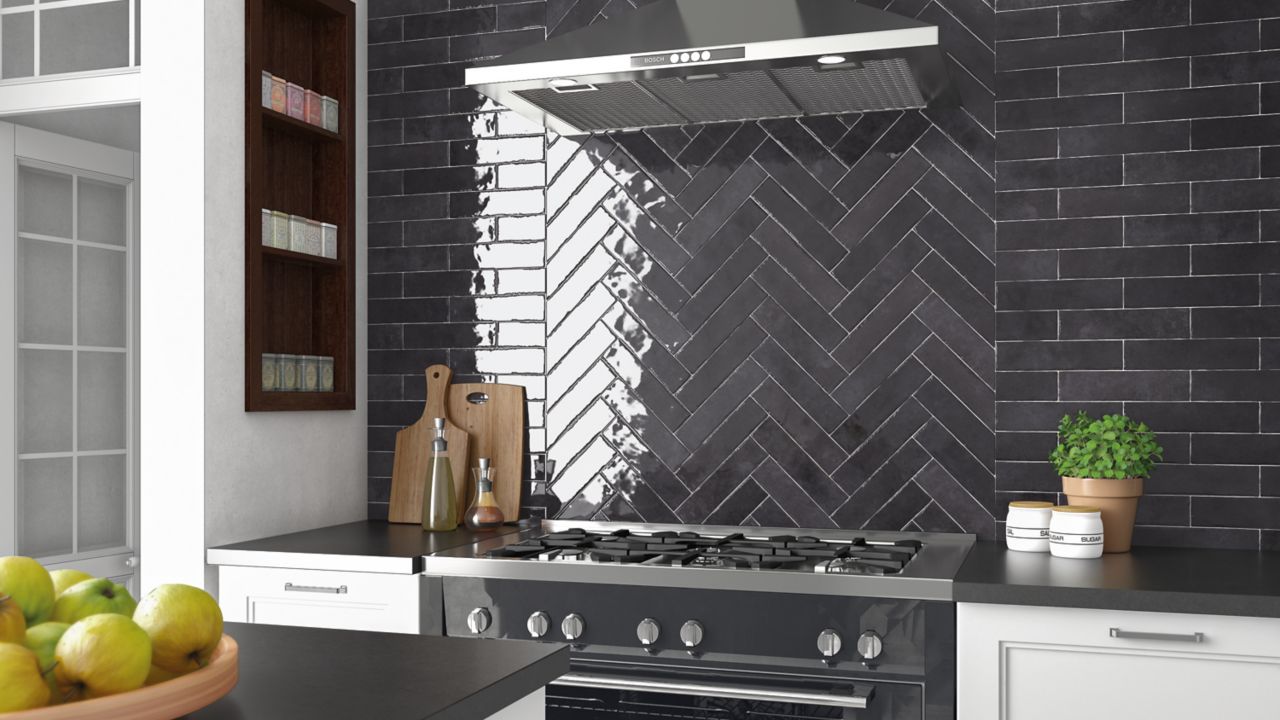
Credit: www.tileshop.com
Cost And Time Considerations
Understanding the cost and time involved in tiling a kitchen wall helps you avoid surprises and keeps your project on track. Both factors depend on choices you make, from materials to whether you hire help or do it yourself. Knowing what to expect can make the process smoother and your budget realistic.
Budget Planning
Start by listing all the materials you need: tiles, adhesive, grout, and tools. Prices vary widely depending on tile quality and style. For example, ceramic tiles might cost around $1 to $5 per square foot, while natural stone can run $10 or more.
Don’t forget to add extra for mistakes or cutting tiles, usually 10-15% more than your measured area. Also, consider small costs like sealant and tile spacers. Setting a clear budget upfront helps you choose materials without overspending or settling for less than you want.
Project Timeline
Tiling a kitchen wall usually takes between two to four days, depending on the wall size and your experience. Preparation, like cleaning and priming the surface, takes time but is crucial for a lasting finish.
After laying tiles, grout needs at least 24 hours to dry properly before you can use the kitchen fully. Planning for these drying times avoids rushing and reduces the chance of errors. Have you thought about how your daily routine might be affected during this period?
Hiring Professionals Vs Diy
Hiring a professional can save time and reduce stress, especially if you want a perfect finish. Professionals usually charge $5 to $15 per square foot, including labor and materials. This might seem costly but can be worth it if you lack experience.
Doing it yourself cuts labor costs but requires patience and learning. Mistakes can lead to extra expenses or redoing parts of the wall. If you enjoy hands-on projects and have the time, DIY can be rewarding and budget-friendly. What’s more important to you: saving money or saving time and effort?
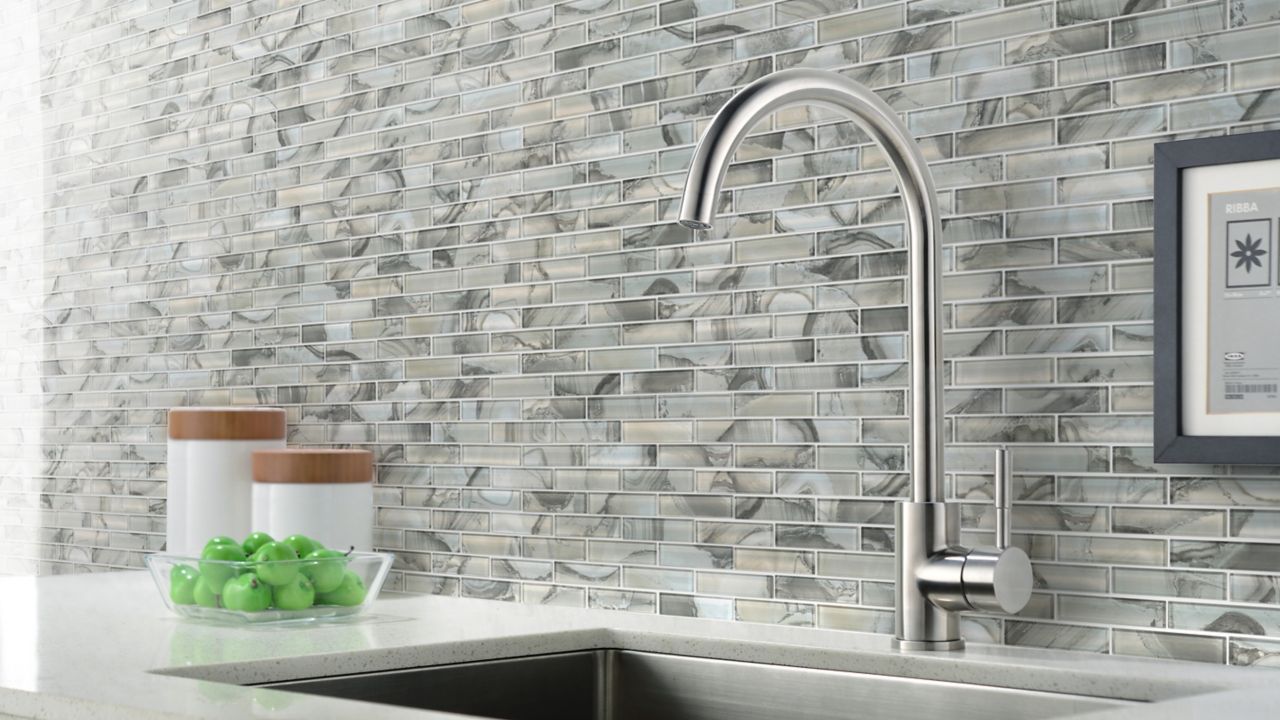
Credit: www.tileshop.com
Frequently Asked Questions
How Difficult Is Tiling A Kitchen Wall For Beginners?
Tiling a kitchen wall can be moderately challenging for beginners. It requires precise measuring, cutting, and applying adhesive evenly. With proper tools and patience, beginners can achieve good results. Watching tutorials and practicing first helps build confidence before starting the actual wall.
What Tools Are Essential For Kitchen Wall Tiling?
Essential tools include a tile cutter, notched trowel, spacers, level, tape measure, and grout float. These tools ensure accurate cuts, even adhesive application, and proper tile alignment. Having the right tools simplifies the tiling process and improves the final appearance.
How Long Does It Take To Tile A Kitchen Wall?
Tiling a kitchen wall typically takes 1 to 3 days depending on wall size and skill level. Preparation, cutting tiles, adhesive drying, and grouting all add to the total time. Rushing can cause mistakes, so allow enough time for a quality finish.
Can I Tile Over Existing Kitchen Wall Tiles?
Yes, you can tile over existing tiles if they are firmly attached and clean. The surface must be roughened and primed for better adhesion. However, removing old tiles is often recommended for a smoother, longer-lasting result.
Conclusion
Tiling a kitchen wall can seem challenging at first. With patience and practice, it becomes manageable. Gather the right tools and materials before starting. Follow a step-by-step guide for best results. Mistakes may happen, but they offer learning opportunities. Take your time, and don’t rush the process.
Consult tutorials or ask for advice if needed. Completing the task yourself brings satisfaction. Enjoy the new look of your kitchen wall. Every effort counts towards creating a beautiful space. Tiling is a skill worth learning for home improvements.
