

Grease stains on your kitchen walls are more than just an eyesore. They can make your kitchen feel grimy and uninviting.
You’ve probably tried scrubbing them away, only to find that the stubborn marks refuse to budge. Frustrating, right? But don’t worry, you’re not alone in this struggle. Many people like you are looking for effective ways to restore their kitchen walls to their former glory.
This article will guide you step-by-step on how to tackle those pesky grease stains with ease. By the end, you’ll not only have sparkling clean walls but also a kitchen that feels fresh and welcoming once more. Ready to transform your space? Let’s dive in and discover the secret to a grease-free kitchen!

Credit: www.youtube.com
Causes Of Grease Buildup
Grease buildup on kitchen walls is a common nuisance that many home cooks face. Understanding what causes this buildup can help you tackle the problem more effectively. It’s not just about cooking habits; the environment and your kitchen setup also play a big role.
Common Kitchen Sources
Grease mainly comes from cooking oils and fats that vaporize during frying, sautéing, or grilling. These tiny droplets float in the air and settle on nearby surfaces, including your walls.
Some typical sources include:
- Frying pans and deep fryers releasing oil splatters.
- Grills and ovens producing smoke mixed with fat particles.
- Cooking with butter or oil that heats beyond its smoke point.
Even your exhaust fan or range hood might not capture all the grease, allowing residues to cling to walls. Think about how often you cook greasy meals and where your kitchen ventilation directs the airflow.
Effects On Wall Surfaces
Grease stains are not just unsightly; they can damage your walls over time. The oily film attracts dust and dirt, making your kitchen look grimy and harder to clean.
Some impacts include:
- Discoloration and yellowing of paint or wallpaper.
- Sticky or tacky surfaces that trap more grime.
- Potential breakdown of wall finishes due to prolonged exposure to oils.
Have you noticed how some walls near your stove feel different to the touch? That’s the grease buildup changing their texture, and it often means deeper cleaning is needed.
Essential Cleaning Supplies
Cleaning grease off kitchen walls requires specific supplies. Having the right ingredients and tools helps remove tough stains effectively. Using common household items and proper cleaning equipment makes the job easier and faster.
Household Ingredients
- White vinegar: Cuts through grease with natural acidity.
- Baking soda: Acts as a gentle abrasive for scrubbing.
- Dish soap: Breaks down oily residues on surfaces.
- Lemon juice: Offers natural grease-fighting properties and fresh scent.
- Warm water: Helps dissolve and rinse away grime.
Recommended Tools
- Soft sponge: Avoids scratching walls while cleaning.
- Microfiber cloth: Absorbs grease and cleans without streaks.
- Spray bottle: Distributes cleaning solution evenly on walls.
- Bucket: Holds warm water and mixes cleaning ingredients.
- Scrub brush: Removes stubborn grease spots gently.
- Rubber gloves: Protect hands from harsh cleaning agents.
Preparation Steps
Before cleaning grease off kitchen walls, proper preparation is essential. It helps protect your kitchen and ensures safety during the process. Preparing the area correctly makes the cleaning easier and more effective.
Protecting Surrounding Areas
Cover counters, appliances, and floors near the walls. Use plastic sheets or old towels to catch drips and spills. Remove or move fragile items away from the cleaning zone. Tape protective coverings to keep them in place. This prevents damage and keeps your kitchen tidy.
Safety Precautions
Open windows or turn on a fan for good ventilation. Wear rubber gloves to protect your hands from cleaning agents. Use goggles if splashing is possible. Avoid mixing different cleaners to prevent harmful fumes. Keep cleaning products away from children and pets for safety.

Credit: www.youtube.com
Effective Cleaning Methods
Removing grease from kitchen walls requires effective cleaning methods. Grease stains can stick and harden quickly. Using the right technique saves time and effort. These methods use simple ingredients and tools available at home or nearby stores. Try each approach to find what suits your needs best.
Using Dish Soap And Warm Water
Dish soap is designed to cut through grease. Mix a few drops of dish soap with warm water. Dip a soft cloth or sponge into the solution. Gently scrub the greasy areas on the wall. Rinse the cloth often to avoid spreading grease. After cleaning, wipe the wall with a damp cloth. Dry the surface with a clean towel to prevent streaks.
Baking Soda Paste Technique
Baking soda is a natural, mild abrasive. It helps lift grease without scratching surfaces. Make a paste by mixing baking soda and water. Apply the paste to the greasy spots on the wall. Let it sit for 10 to 15 minutes. Use a soft cloth or sponge to scrub gently. Rinse with clean water and dry the wall thoroughly.
Vinegar Solution Approach
Vinegar is acidic and breaks down grease effectively. Combine equal parts white vinegar and water in a spray bottle. Spray the solution on greasy areas. Allow it to sit for 5 to 10 minutes. Wipe the wall with a soft cloth or sponge. Rinse with plain water to remove vinegar smell. Dry the surface completely to avoid moisture damage.
Commercial Degreasers
Commercial degreasers are made for tough grease stains. Choose a product safe for painted or wallpapered walls. Follow the instructions on the label carefully. Apply the degreaser on the greasy spots using a cloth or sponge. Let it work for the recommended time. Wipe clean with a damp cloth and dry the area well. Test the product on a small area first to avoid damage.
Tackling Stubborn Grease Spots
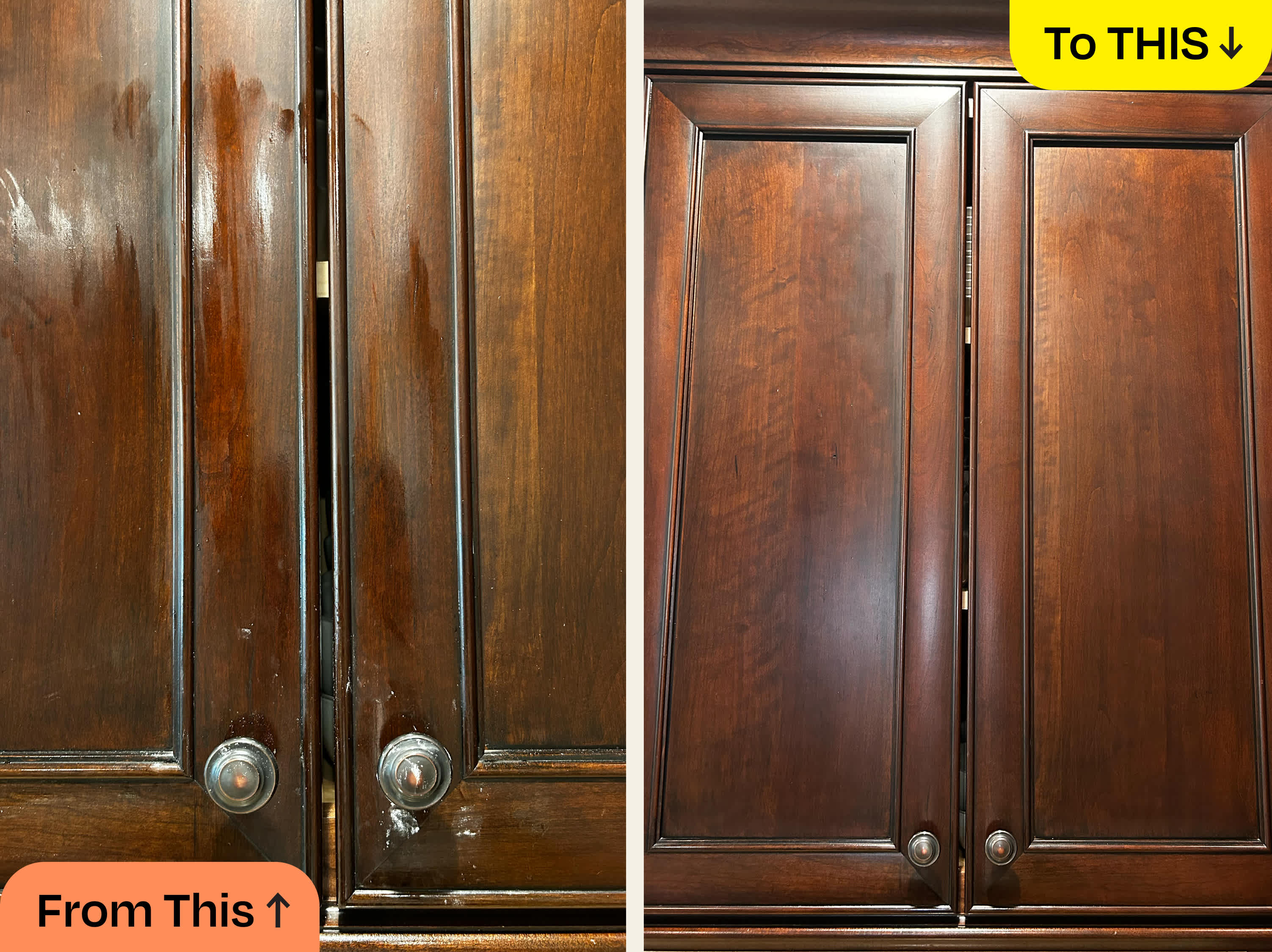
Stubborn grease spots on kitchen walls are more than just an eyesore—they can be tough to remove and often resist quick cleanups. Tackling these spots requires patience and the right techniques to avoid damaging your paint or wallpaper. You might feel frustrated after scrubbing once with no results, but there are ways to approach the problem that can make a big difference.
Scrubbing Tips
Start by using a soft sponge or cloth instead of a harsh scrubber to protect your wall’s surface. Apply a gentle cleaning solution like warm water mixed with dish soap or a vinegar-water blend. Let the solution sit on the grease spot for a few minutes before you begin scrubbing.
Use circular motions to break down the grease without spreading it. If the grease is thick, try using a baking soda paste—mix baking soda with water to form a thick paste and apply it directly to the spot. This acts as a mild abrasive without scratching your wall.
Multiple Cleaning Sessions
Sometimes one cleaning session isn’t enough, especially for older or thicker grease stains. You might need to repeat the cleaning process several times to fully lift the grease.
After each session, allow the wall to dry completely. This helps you see what’s left and prevents adding moisture that could damage the wall. How often do you find yourself giving up too soon on tough stains? Giving it another go with patience can save you from repainting or costly repairs later.
Credit: www.thekitchn.com
Preventing Future Grease Buildup
Preventing future grease buildup on kitchen walls saves time and keeps your space clean. Grease forms fast, especially near the stove. A good routine and better airflow reduce the chance of sticky residues. Keeping walls clean means less scrubbing later. Use simple habits that fit your daily cooking and cleaning.
Regular Maintenance Routines
Clean kitchen walls often to stop grease from hardening. Wipe walls after cooking with a damp cloth and mild soap. Use warm water to break down grease quickly. Spot clean spills or splatters as soon as you see them. Set a weekly schedule for a deeper clean to remove buildup. Regular care makes big cleaning easier and faster.
Ventilation Improvements
Improve kitchen airflow to reduce grease particles in the air. Use an exhaust fan or range hood during cooking. Keep fans running for a few minutes after cooking ends. Open windows to let fresh air in and push grease out. Better ventilation lowers grease sticking on walls and ceilings. It also helps keep your kitchen fresh and healthy.
When To Seek Professional Help
Sometimes, grease on your kitchen walls goes beyond a simple wipe down. Knowing when to call in professional help can save you time, frustration, and even damage to your walls. If you’ve tried your usual cleaning tricks but the grease remains stubborn, it might be time to seek expert assistance.
Signs Of Deep Stains
Deep grease stains often look dark and sticky, not just a light film you can wipe away. If the grease has seeped into the paint or wallpaper, cleaning becomes more difficult. You might notice that the area feels greasy to the touch even after cleaning or that the walls have a persistent odor.
Another sign is discoloration that doesn’t fade no matter how much you scrub. If you see peeling paint or bubbling wallpaper around greasy spots, this indicates that the grease has affected the wall material beneath the surface. At this point, regular cleaning products won’t be enough to restore your walls.
Specialized Cleaning Services
Professionals use specialized cleaning agents and tools designed to tackle tough grease stains without harming your walls. They know how to assess the damage and choose the right method, whether it’s steam cleaning, chemical treatments, or repainting.
Hiring experts also means you get a thorough job done quickly and efficiently, saving you from hours of scrubbing. Plus, they can advise you on how to prevent future grease buildup, protecting your kitchen walls long-term.
Have you ever spent hours trying to clean a grease stain only to get frustrated and give up? Sometimes, professional help is the smartest choice to keep your kitchen looking fresh and clean.
Frequently Asked Questions
How Do You Remove Kitchen Grease From Walls Effectively?
To remove kitchen grease, use warm water mixed with dish soap. Apply with a sponge, scrub gently, and rinse with clean water. For tough spots, a vinegar and baking soda paste works well.
What Household Items Clean Grease Off Kitchen Walls?
Common household items like dish soap, white vinegar, baking soda, and lemon juice effectively clean grease from walls. These items break down grease and are safe for most wall surfaces.
Can Vinegar Remove Grease Stains On Kitchen Walls?
Yes, vinegar’s acidity helps break down grease. Mix equal parts vinegar and water, spray on the wall, let sit for 10 minutes, then wipe clean with a cloth.
How Often Should I Clean Kitchen Walls To Prevent Grease Buildup?
Clean kitchen walls weekly or after heavy cooking sessions. Regular cleaning prevents grease buildup, making it easier to maintain and keep your kitchen fresh.
Conclusion
Grease on kitchen walls can be tough to remove. Using common household items like vinegar or baking soda helps break it down. Scrubbing gently prevents damage to your paint or wallpaper. Regular cleaning stops grease from building up over time.
Clean walls make your kitchen look fresh and bright. Keep these simple tips in mind for a cleaner kitchen space. Small efforts bring big results in maintaining your kitchen walls.
