

Have you ever stood in your kitchen, wondering if your wall cabinets are deep enough to hold everything you need? Knowing the right depth of a kitchen wall cabinet can change how you organize your space and make cooking easier.
If you’ve struggled with cramped shelves or awkward storage, this article is for you. Keep reading to discover the ideal cabinet depth that fits your kitchen perfectly and helps you get the most out of every inch. Your kitchen storage game is about to get a serious upgrade.
Standard Depths Of Kitchen Wall Cabinets
Understanding the standard depths of kitchen wall cabinets is key to designing a functional and visually balanced kitchen. The depth affects not only the storage space but also how the cabinets fit with your appliances and countertops. Knowing the common sizes helps you pick the right cabinets that suit your kitchen layout perfectly.
Common Sizes In Inches
Most kitchen wall cabinets come in standard depths to fit typical kitchen setups. The usual depth is 12 inches, providing enough room for dishes, glasses, and pantry items without sticking out too far. Some cabinets offer 15-inch or 18-inch depths, which can be useful if you need extra storage or want to match a deeper countertop.
- 12 inches:The most common depth, ideal for most kitchens.
- 15 inches:Offers extra storage space, often used for larger kitchens.
- 18 inches:Rare but useful for specific needs or design choices.
Choosing a deeper cabinet might seem like a good way to add storage, but it can also interfere with your kitchen’s flow. Have you noticed how some kitchens feel cramped when cabinets stick out too far? Balancing depth with accessibility is crucial.
Metric Measurements
If you’re working with metric units or ordering cabinets internationally, standard depths usually convert to these sizes:
| Depth (Inches) | Depth (Centimeters) |
|---|---|
| 12″ | 30.5 cm |
| 15″ | 38 cm |
| 18″ | 45.7 cm |
Knowing these measurements makes it easier to communicate with suppliers or designers who use metric units. Are you planning a kitchen remodel where precision matters? Having these figures at your fingertips can prevent costly mistakes.
Factors Influencing Cabinet Depth
Understanding the factors that influence the depth of your kitchen wall cabinets can help you make smarter design choices. Cabinet depth isn’t just about aesthetics—it impacts how much you can store and how your kitchen functions daily. Let’s look at the key elements that shape this important dimension.
Kitchen Layout And Design
Your kitchen’s layout plays a big role in deciding cabinet depth. In smaller kitchens, shallower cabinets might free up space and keep things from feeling cramped. Meanwhile, larger kitchens allow for deeper cabinets, which can hold more items without overcrowding your counters.
Think about the style you want too. Modern kitchens often feature sleek, shallow cabinets for a clean look. Traditional kitchens tend to use deeper cabinets to maximize storage.
Storage Needs
What you plan to store affects cabinet depth significantly. If you have lots of bulky pots and pans, deeper cabinets give you more room to organize them. On the other hand, if you mostly keep plates and glasses, shallower cabinets might be enough and easier to reach.
Ask yourself: do you need space for large containers or small spice jars? Your storage habits should guide your choice. It’s easy to overlook how cabinet depth influences accessibility until you’re constantly struggling to reach items.
Appliance Clearance
Clearance around appliances is crucial when determining cabinet depth. Cabinets that are too deep might block ventilation or make it hard to open oven doors and microwaves. You want enough room for appliances to function safely and comfortably.
Measure the space between appliances and walls carefully. Even a few extra inches in cabinet depth can interfere with appliance use or create awkward gaps. Planning these clearances early saves headaches later.
Custom Cabinet Depth Options
Custom cabinet depth options allow you to tailor your kitchen wall cabinets to fit your unique space and storage needs. Standard depths often won’t cut it, especially if your kitchen has unusual dimensions or you need specific storage solutions. Adjusting the depth can make a big difference in both the look and functionality of your cabinets.
Adjusting For Small Spaces
In tight kitchens, every inch matters. Choosing shallower cabinets can prevent your space from feeling cramped and improve movement around your kitchen.
Shallower cabinets, typically around 9 to 12 inches deep, keep your countertops clear and maintain an open feel. They’re perfect for storing lightweight items like spices, dishes, or small appliances without overwhelming the room.
Have you noticed how bulky cabinets can make your kitchen look crowded? Opting for custom shallow cabinets can solve that problem without sacrificing storage.
Deep Cabinets For Extra Storage
If you need to maximize storage, deep cabinets can be a game-changer. Depths of 15 to 24 inches provide ample room for larger pots, pans, and bulkier kitchen gear.
Deep cabinets are especially useful in kitchens where countertop space is limited, helping you store items you don’t use daily out of sight. However, keep in mind the reach—too deep, and you might struggle to access items at the back.
You might want to add pull-out shelves or organizers to make deeper cabinets more user-friendly. Have you tried customizing your cabinet depth to fit a specific kitchen gadget or appliance? It’s a smart way to keep everything handy without cluttering your counters.

Credit: aaadistributor.com
Impact Of Depth On Kitchen Functionality
The depth of your kitchen wall cabinet plays a crucial role in how functional your kitchen feels every day. It affects how easily you can grab what you need, how your kitchen looks, and even how comfortable it is to use. Small changes in depth can make a big difference in your cooking experience and storage efficiency.
Ease Of Access
Deeper cabinets might seem like a good idea for extra storage, but they can hide items at the back, making them hard to reach. Shallower cabinets bring everything closer to you, so you spend less time digging around. Think about how often you struggle to find spices or small jars — would a shallower depth save you time and frustration?
Visual Balance
The cabinet depth affects the overall look of your kitchen. Cabinets that stick out too far can make the space feel cramped and cluttered. On the other hand, cabinets that are too shallow may look out of place or underutilized. Striking the right balance helps your kitchen feel open and inviting while maintaining enough storage.
Ergonomics
Your kitchen should work with your body, not against it. Cabinets that are too deep force you to lean forward or stretch uncomfortably, which adds strain over time. Keeping cabinets at a manageable depth supports better posture and smoother movements, making your time in the kitchen less tiring.
Measuring For Kitchen Wall Cabinets
Measuring for kitchen wall cabinets is essential for a perfect fit. Accurate measurements help avoid costly mistakes and ensure your cabinets look balanced. Knowing the right depth and size creates a functional kitchen space. Follow these guidelines to measure your wall cabinets properly.
Tools Needed
- Tape measure
- Level
- Pencil
- Notepad or paper
- Step stool or ladder (if needed)
Step-by-step Measurement Tips
- Measure the width of the wall where cabinets will hang.
- Measure the height from the countertop to the ceiling or upper limit.
- Check for any obstructions like light switches or vents.
- Measure the depth of existing cabinets or the space available.
- Use a level to ensure measurements are straight and even.
- Write down all measurements clearly and double-check for accuracy.
- Consider the standard depth, usually 12 inches, but confirm your space.

Credit: enthrallinggumption.com
Popular Cabinet Depths By Style
Popular cabinet depths vary by kitchen style and function. Choosing the right depth helps balance storage and aesthetics. Different designs favor specific cabinet dimensions to fit their look and utility. Understanding these depths can guide your kitchen renovation or new build.
Modern Vs Traditional Designs
Modern kitchens often use shallow wall cabinets. Depths between 12 to 15 inches keep the space sleek and open. Slim cabinets avoid crowding and highlight clean lines. Traditional kitchens prefer deeper cabinets. Depths of 15 to 18 inches provide more storage space. These cabinets create a fuller, classic look. Both styles prioritize usability but differ in depth preferences.
Open Shelving Vs Closed Cabinets
Open shelving usually has shallower depths. Around 10 to 12 inches deep to keep items visible and accessible. This depth prevents shelves from looking bulky. Closed cabinets tend to be deeper. Typically 12 to 18 inches deep for storing various kitchen items. Deeper cabinets hide clutter and offer more storage. Depth choice affects the kitchen’s overall feel and function.
Tips For Choosing The Right Depth
Choosing the right depth for your kitchen wall cabinets is more than just picking a number. It affects how much storage you get, how your kitchen feels, and even how your appliances fit. Getting this detail right can make daily tasks easier and your space look balanced.
Matching Base And Wall Cabinets
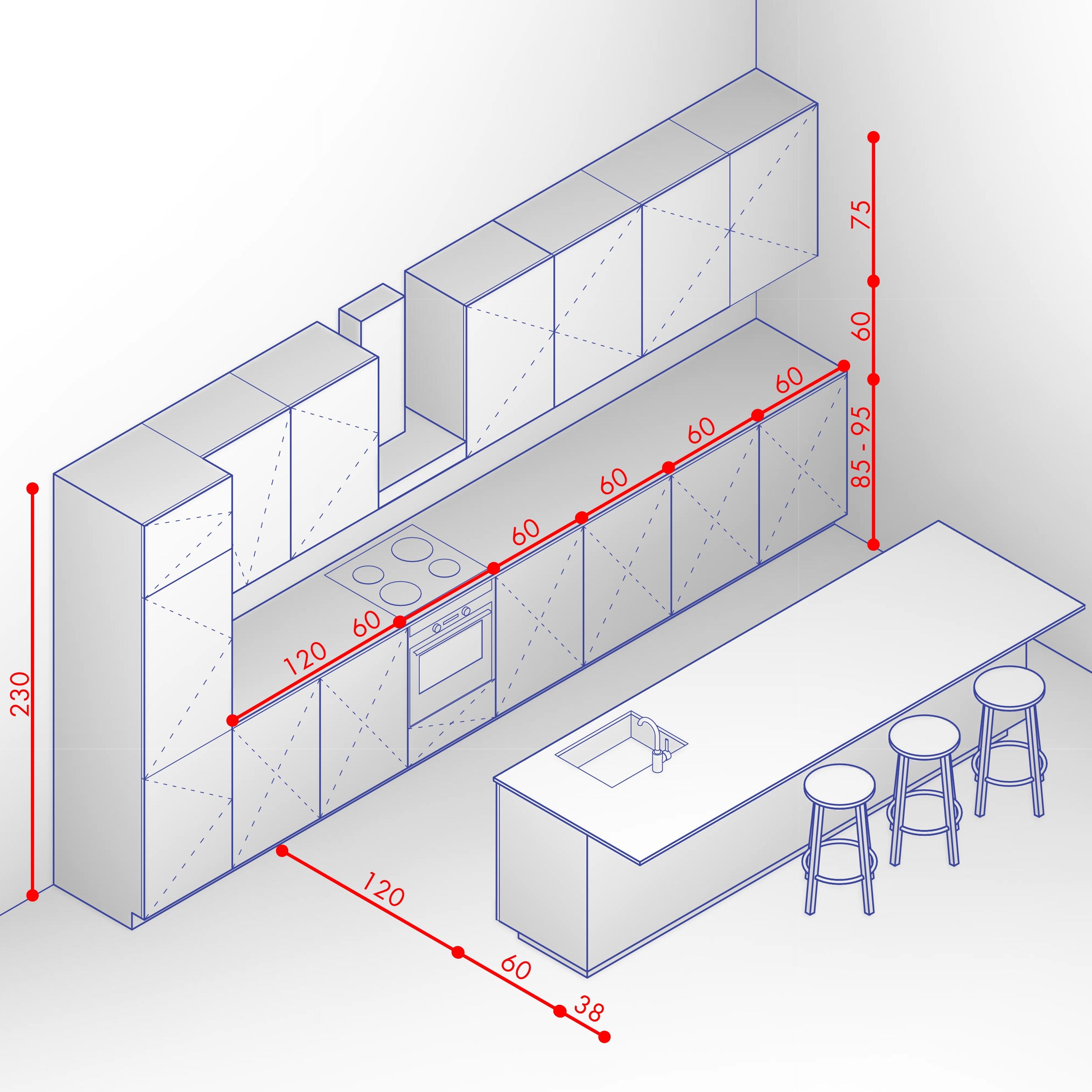
Wall cabinets typically come in depths ranging from 12 to 24 inches. Your base cabinets are usually deeper, around 24 inches. If your wall cabinets are too shallow, they may look out of place next to your base cabinets.
Try to align the depth of your wall cabinets so they complement the base cabinets without overpowering them. A common choice is 12 or 15 inches for wall cabinets when base cabinets are 24 inches deep. This creates a neat visual flow and keeps your kitchen feeling open.
Considering Countertop Overhang
Countertop overhang can affect how your wall cabinet depth feels in the kitchen. If your countertop extends beyond the base cabinet, deeper wall cabinets might crowd the space.
Think about how far your countertop sticks out. If it overhangs by 1-2 inches, wall cabinets that are 12-15 inches deep work well. This prevents your kitchen from feeling cramped and allows easy access to cabinets.
Have you measured how much space you have between the countertop edge and where the wall cabinets will sit? Taking this simple step can save you from an awkward setup.
Credit: postdigitalarchitecture.com
Frequently Asked Questions
What Is The Standard Depth Of A Kitchen Wall Cabinet?
The standard depth for kitchen wall cabinets is 12 inches. This size offers enough space for most kitchen items. It also keeps the kitchen looking spacious and functional.
Can Kitchen Wall Cabinets Be Deeper Than 12 Inches?
Yes, kitchen wall cabinets can be deeper than 12 inches. Some custom cabinets range from 15 to 24 inches deep. However, deeper cabinets may affect kitchen ergonomics and accessibility.
How Does Cabinet Depth Affect Kitchen Storage?
Deeper cabinets provide more storage space for large items. However, they can make items harder to reach. It’s important to balance depth with ease of use in kitchen design.
Why Are Kitchen Wall Cabinets Usually Shallower Than Base Cabinets?
Wall cabinets are usually 12 inches deep, while base cabinets are 24 inches. Shallower wall cabinets save space and prevent overcrowding near countertops. This design improves kitchen flow and safety.
Conclusion
Kitchen wall cabinet depth matters for storage and accessibility. Standard depths range from 12 to 24 inches. Consider your needs and space when choosing. Shallow cabinets save space. Deeper cabinets hold more items. Balance is key. Ensure items are easy to reach.
Measure your kitchen space first. Think about what you store most often. Choose a depth that fits your lifestyle. Custom options are available too. A well-chosen cabinet enhances kitchen function and style. Planning helps create a practical and inviting space.
Make your kitchen work for you.
