

Have you ever wondered what turns simple grape juice into the rich, flavorful wine you enjoy? The secret lies in fermentation—a natural process that transforms sugars into alcohol and shapes the unique taste of every bottle.
Understanding fermentation in wine making can change the way you appreciate your favorite glass. You’ll discover how this magical process works, why it’s crucial for quality wine, and what makes each wine distinct. Ready to unlock the science and art behind your next sip?
Keep reading to explore the fascinating world of wine fermentation.
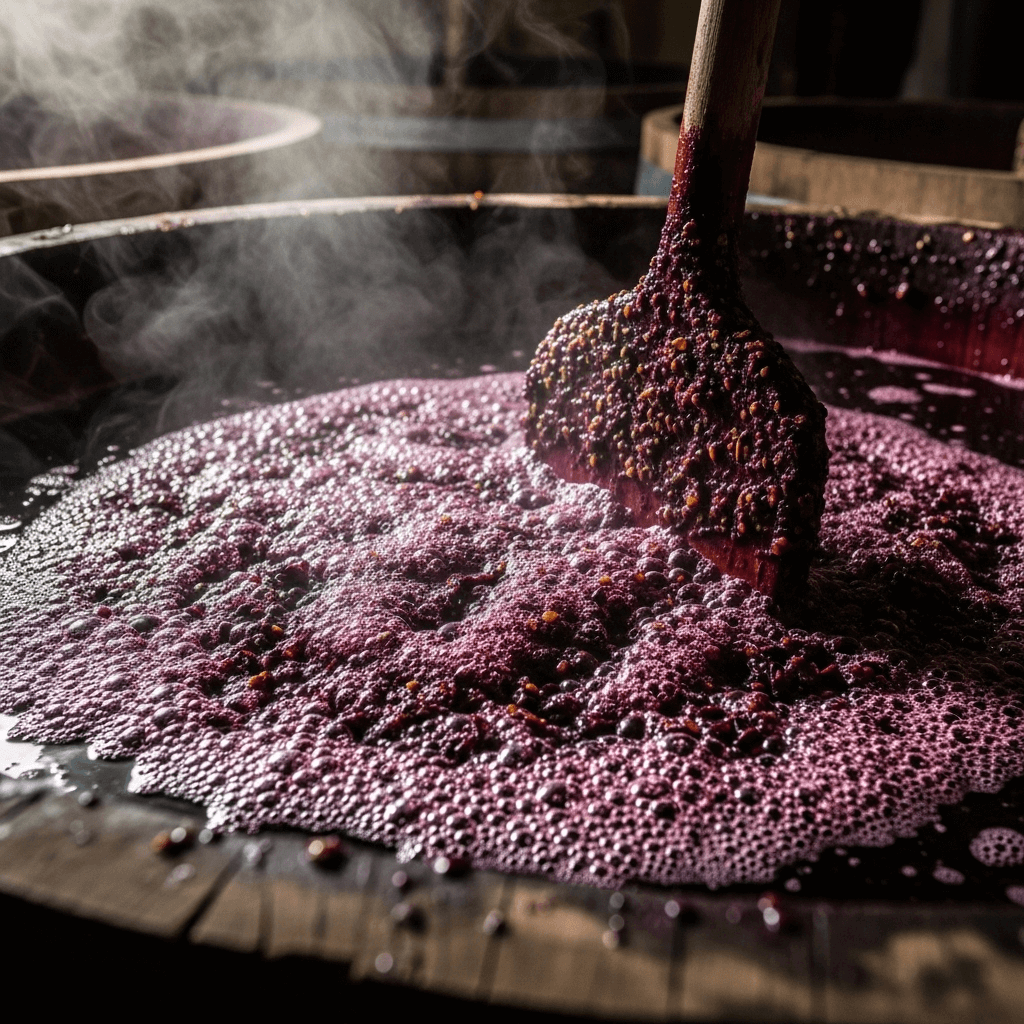
Image: Fermentation in Wine Making
Basics Of Wine Fermentation
Understanding the basics of wine fermentation is essential if you want to appreciate the craft behind every bottle. Fermentation is the heartbeat of winemaking, transforming grape juice into the complex drink you enjoy. But what exactly happens during this process? Let’s break it down so you can see the magic from a practical point of view.
Role Of Yeast
Yeast is the star player in fermentation. These tiny microorganisms consume the sugars in grape juice and produce alcohol and carbon dioxide as byproducts. Without yeast, the grape juice would never turn into wine.
There are different types of yeast, some natural and some added by winemakers. Wild yeast can add unique flavors but might be unpredictable. Commercial yeast strains give more control and consistency, which is why many winemakers prefer them.
Types Of Fermentation
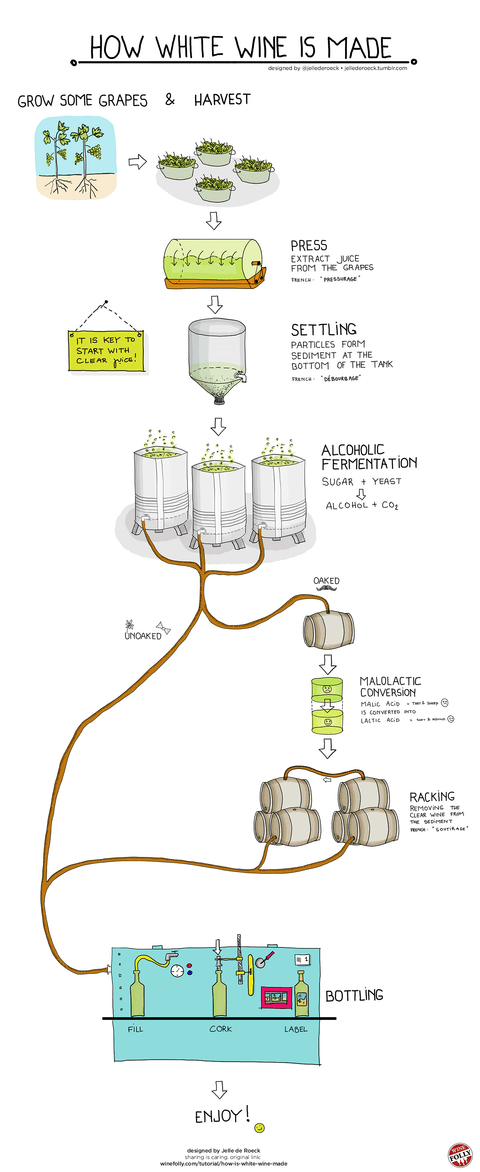
Fermentation doesn’t happen in just one way. The two main types are alcoholic fermentation and malolactic fermentation.
- Alcoholic fermentationis when yeast converts sugar into alcohol and carbon dioxide. This is the primary fermentation that creates the alcohol content in wine.
- Malolactic fermentationusually follows, where bacteria convert sharp malic acid into softer lactic acid. This process smooths the wine’s taste and adds complexity.
Have you ever tasted a wine with a buttery texture? That’s often the result of malolactic fermentation.
Fermentation Process Stages
Fermentation doesn’t happen all at once; it moves through clear stages you can observe and control.
- Lag Phase:Yeast acclimates to the juice but doesn’t multiply quickly. It’s like warming up before the main event.
- Exponential Phase:Yeast rapidly consumes sugars, producing lots of alcohol and carbon dioxide. This is the most active stage.
- Stationary Phase:Sugar levels drop, yeast activity slows, and alcohol concentration rises. The fermentation starts to wind down.
- Decline Phase:Yeast cells die off, and fermentation finishes. The wine begins to settle and mature.
Knowing these stages helps you decide when to stop fermentation for desired sweetness or dryness. Have you ever wondered how winemakers decide the perfect moment to halt this process? It’s all about timing and tasting.
Credit: medium.com
Impact On Wine Flavor
Fermentation shapes the flavor of wine in many ways. It transforms grape juice into a complex beverage full of aromas and tastes. The process creates new flavor compounds and changes the wine’s texture. Small changes during fermentation can lead to big differences in the final taste.
Flavor Compounds Created
During fermentation, yeast turns sugar into alcohol and produces many flavor compounds. These include esters, acids, and alcohols. Esters give fruity and floral notes. Acids add freshness and sharpness. Some compounds add spicy or earthy hints. The mix of these creates the wine’s unique profile.
Effect Of Fermentation Temperature
Temperature controls how fast fermentation happens. Cooler temperatures keep fruity and fresh flavors. Higher temperatures bring out richer and deeper tastes. Warm fermentation can increase spicy and bolder notes. Winemakers adjust temperature to guide flavor development.
Influence Of Yeast Strains
Different yeast strains produce different flavors. Some yeasts enhance fruitiness, while others add complexity or earthiness. Wild yeasts create unpredictable flavors and aromas. Commercial yeasts offer more control and consistency. Choosing the right yeast is key to shaping the wine’s character.
Traditional Fermentation Methods
Traditional fermentation methods form the foundation of wine making. These age-old techniques rely on natural processes passed down through generations. They shape the wine’s flavor, aroma, and texture. Winemakers use specific tools and environments to guide fermentation carefully. Such methods create unique wines with deep character and history.
Natural Vs. Cultured Yeasts
Natural yeasts live on grape skins and winery surfaces. They start fermentation without human help. This method brings unpredictable results. It adds complex flavors and reflects the vineyard’s environment.
Cultured yeasts are carefully selected strains. Winemakers add them to control fermentation speed and outcome. This leads to consistent taste and fewer risks. Both yeast types influence wine style and quality.
Use Of Oak Barrels
Oak barrels play a key role in traditional fermentation. They allow slow oxygen contact, softening the wine. Barrels add vanilla, spice, and toast notes. They also help develop smooth texture and rich color.
Different oak types and barrel ages affect the wine’s taste. New barrels give stronger flavors. Older barrels offer subtle influence. Winemakers choose barrels to match their wine goals.
Historical Practices
Historical wine fermentation used simple vessels like clay pots and wooden barrels. People relied on ambient temperatures and natural yeasts.
Some regions kept unique fermentation rituals. These include fermenting in open vats or underground cellars. These methods connect modern wine to its cultural roots.
Modern Innovations
Modern innovations in wine fermentation enhance quality and consistency. Winemakers now use precise methods to control fermentation. These advances improve flavor while reducing risks. Technology plays a key role in monitoring and managing the process. Sustainable practices also help protect the environment during fermentation.
Controlled Fermentation Techniques
Winemakers carefully control temperature and yeast strains. This control helps produce consistent wine flavors. Small changes in temperature impact taste and aroma. Selecting specific yeast strains affects alcohol levels and fruity notes. Controlled fermentation reduces spoilage and unwanted bacteria. It also shortens fermentation time for faster production.
Use Of Technology
Technology monitors fermentation in real-time. Sensors track temperature, sugar levels, and acidity. Data helps winemakers adjust conditions quickly. Automated systems maintain ideal environments for yeast activity. Software analyzes fermentation trends to predict outcomes. Drones and robots assist in vineyard management. These tools improve efficiency and reduce human error.
Sustainability In Fermentation
Sustainable fermentation minimizes energy and water use. Natural yeast and organic practices reduce chemicals. Reusing fermentation byproducts lowers waste output. Solar power and eco-friendly tanks support green production. These steps protect ecosystems and conserve resources. Consumers prefer wines made with care for the planet.
Common Challenges
Fermentation is the heart of winemaking, but it often presents a range of challenges that can affect the final product. Understanding these common issues helps you anticipate problems and keep your wine on track. Let’s look at some hurdles that frequently arise during fermentation and ways to handle them effectively.
Fermentation Failures
Fermentation failures can happen suddenly and leave you with stuck or sluggish fermentations. This often occurs when yeast cells become stressed due to poor nutrient levels or temperature fluctuations. Have you checked your temperature control lately? Keeping it steady between 20-25°C for most wines can prevent many failures.
Another cause of failure is contamination from wild yeasts or bacteria, which compete with your chosen yeast strain. Using clean, sanitized equipment and quality yeast starters reduces this risk significantly. If fermentation stops early, try gently stirring the must or adding yeast nutrients to revive it.
Managing Off-flavors
Off-flavors can ruin a batch of wine, and they often stem from unwanted microbial activity or chemical imbalances. Sulfur compounds, for example, can create rotten egg smells. Have you ever caught a whiff like that in your wine? Adding copper sulfate carefully can neutralize these odors, but use it sparingly to avoid new issues.
Oxidation is another culprit, causing stale or cooked fruit flavors. Minimizing oxygen exposure by using airlocks and filling containers properly helps maintain freshness. Regular tasting during fermentation can alert you early if off-flavors start to develop, giving you time to act.
Maintaining Consistency
Achieving the same great taste every time is a challenge many winemakers face. Variations in grape quality, yeast strains, and environmental conditions all play a role. Keeping detailed records of each batch’s conditions and ingredients can help you identify patterns and make precise adjustments.
Standardizing practices like fermentation temperature, yeast pitching rates, and nutrient additions improves reliability. Are you tracking your batches carefully enough to spot small changes? Consistency also comes from patience—rushing fermentation or skipping steps often leads to unpredictable results.
Fermentation’s Role In Wine Styles
Fermentation shapes the taste, texture, and aroma of wine. It transforms grape juice into wine by converting sugars into alcohol. Different fermentation methods create unique wine styles. The process varies between red, white, sparkling, and dessert wines. Understanding fermentation helps appreciate each wine’s character.
Red Vs. White Wine Fermentation
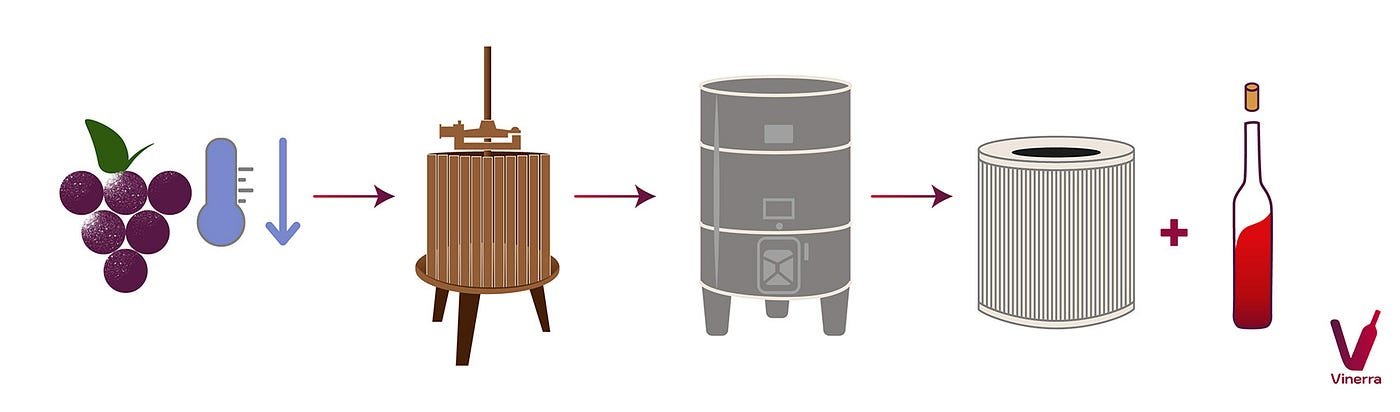
Red wine ferments with grape skins. This adds color, tannins, and flavor. The process usually takes longer and happens at higher temperatures. White wine ferments without skins. This keeps the wine light and fresh. White fermentation occurs at cooler temperatures to preserve delicate aromas.
Sparkling Wine Techniques
Sparkling wines get bubbles through a second fermentation. This can happen in the bottle or tank. The second fermentation produces carbon dioxide gas. This gas dissolves in the wine, creating bubbles. Methods like Champagne’s traditional approach add complexity and fine bubbles.
Dessert Wine Fermentation
Dessert wines often stop fermentation early. This leaves natural sugar in the wine. Some use special yeasts that tolerate high sugar levels. Others ferment slowly at low temperatures. These techniques create sweet, rich wines perfect for dessert pairing.
Credit: mclarenvalecellars.com
Frequently Asked Questions
What Is Fermentation In Wine Making?
Fermentation in wine making is the process where yeast converts grape sugars into alcohol and carbon dioxide. This natural chemical reaction creates alcohol content and develops the wine’s flavors, aromas, and texture, making it essential for producing wine.
How Long Does Wine Fermentation Usually Take?
Wine fermentation typically takes between one to two weeks. The exact time depends on grape variety, yeast strain, temperature, and desired wine style. Winemakers carefully monitor fermentation to ensure optimal alcohol levels and flavor development.
Why Is Yeast Important In Wine Fermentation?
Yeast is crucial because it converts grape sugars into alcohol during fermentation. It also produces flavor compounds that influence the wine’s aroma and taste. Different yeast strains can create unique wine profiles, affecting the final product’s quality and character.
Can Fermentation Affect Wine’s Taste And Aroma?
Yes, fermentation greatly impacts a wine’s taste and aroma. The yeast produces various byproducts that contribute fruity, floral, or spicy notes. Temperature control during fermentation also influences the intensity and balance of these sensory characteristics.
Conclusion
Fermentation transforms grape juice into delicious wine. It’s a magical process. Yeast plays a crucial role. It consumes sugars, creating alcohol and flavors. Different methods yield diverse wine styles. Winemakers carefully monitor every step. Temperature, yeast type, and time matter.
These factors influence taste and aroma. Fermentation is an art and a science. It’s essential for quality wine production. Understanding it enriches your wine experience. Next time, savor the complexity in your glass. Appreciate the journey from grape to wine.
Enjoy each sip with newfound knowledge. Cheers to the fascinating world of fermentation in winemaking!

Sophia Martinez is a culinary lifestyle writer and product reviewer for DiningGadgets.com. Passionate about blending style with functionality, she explores the latest dining essentials, kitchen décor, and cleaning hacks that transform everyday cooking spaces. With a background in home organization and design, Sophia brings readers expert advice on creating beautiful, practical kitchens that truly feel like the heart of the home.