Which Colour is Best for Kitchen Wall: Stunning Ideas to Transform Your Space
Choosing the right colour for your kitchen wall can completely change the way your space feels. You want a colour that makes your kitchen inviting, bright, and inspiring every time you step inside.
But with so many options, how do you pick the best one? This guide will help you discover the perfect shade that matches your style and enhances your kitchen’s vibe. Keep reading to find out which colour can turn your kitchen into the heart of your home.
Popular Kitchen Wall Colors
Choosing the right color for kitchen walls shapes the entire room’s mood. Colors influence how spacious, warm, or lively the kitchen feels. Some shades create a clean, fresh look, while others add personality and charm. Popular kitchen wall colors fit various styles, from modern to traditional. Here are some favorites that suit many kitchens.
Classic White And Off-white Shades
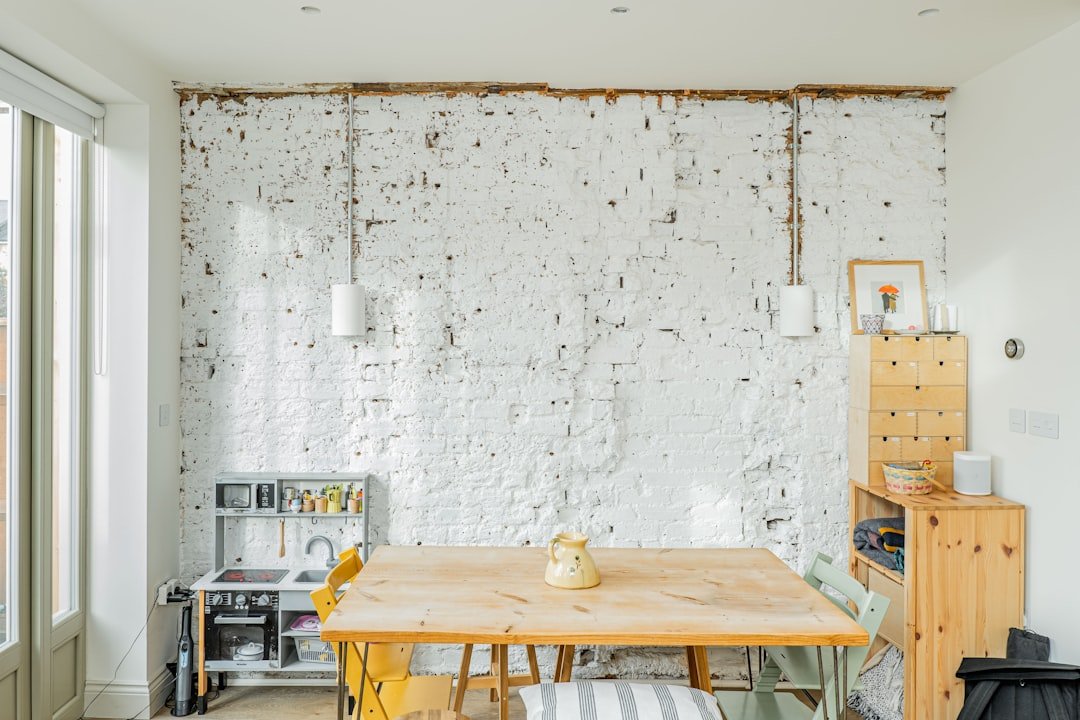
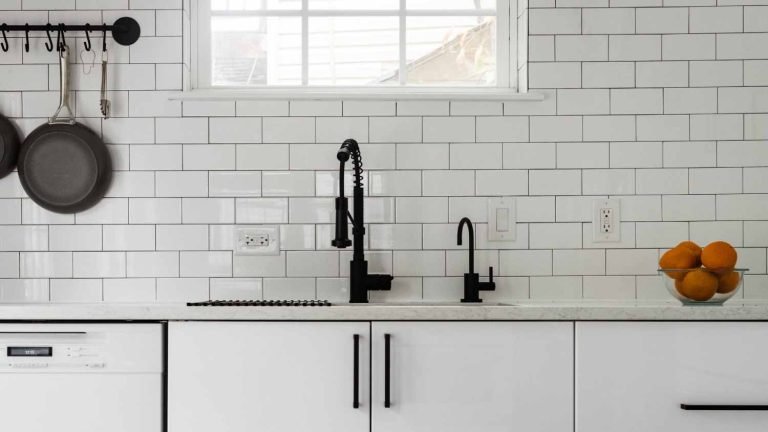
White and off-white shades remain timeless choices for kitchen walls. They brighten the space and reflect natural light well. These colors make kitchens appear larger and cleaner. Off-white tones add softness, avoiding starkness. White walls easily match any cabinet or countertop style. They offer a simple backdrop for colorful accessories.
Bold And Vibrant Hues
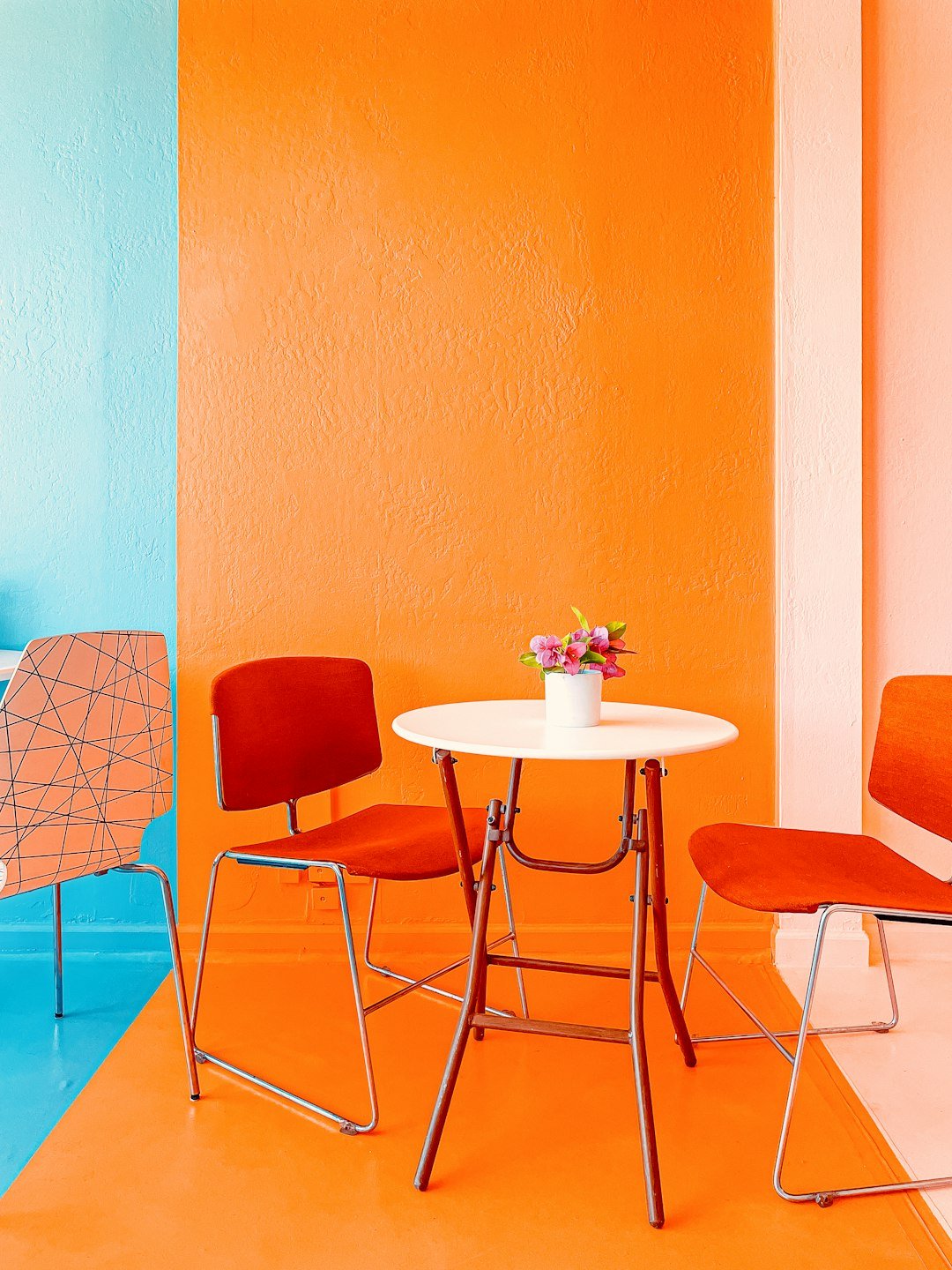
Bold colors bring energy and excitement to the kitchen. Reds, blues, and greens create lively, eye-catching walls. These hues work well in modern or eclectic kitchens. Vibrant colors can highlight a feature wall or an eating nook. They add personality and warmth, making the kitchen inviting. Balance bold walls with neutral furniture for harmony.
Soft Pastel Tones
Pastel shades offer gentle, calming vibes in the kitchen. Light pinks, blues, and greens soften the space’s look. These colors suit country and shabby-chic designs well. Pastels create a friendly, cozy atmosphere. They blend beautifully with wood and white accents. Pastel walls brighten kitchens without overwhelming them.
Earthy And Neutral Colors
Earth tones bring natural warmth and comfort to kitchens. Browns, beiges, and greys create a grounded, balanced feel. These shades pair well with wood and stone elements. Neutral colors offer a subtle, timeless appearance. Earthy walls allow flexibility in decorating styles. They make the kitchen welcoming and easy to live in.
Color Psychology In Kitchens
Choosing the right color for your kitchen walls goes beyond just aesthetics. Colors can influence your mood, energy levels, and even how much you enjoy your meals. Understanding the psychology behind colors helps you create a kitchen environment that matches your lifestyle and needs.
Energizing Colors For Activity
If your kitchen is a hub of activity where meals are prepared quickly or you like to entertain, colors like red, orange, and bright yellow can boost your energy. These shades are known to stimulate alertness and encourage movement. You might notice you feel more lively and motivated while cooking or cleaning in a kitchen painted with these vibrant hues.
Calming Shades For Relaxation
For those who view the kitchen as a place to unwind and enjoy quiet moments, soft blues, greens, and gentle neutrals work well. These colors create a serene atmosphere that can reduce stress and promote a sense of calm. Imagine sipping your morning coffee in a kitchen that feels like a peaceful retreat—how would that change your start to the day?
Appetite-stimulating Tones
Colors like warm reds, earthy browns, and rich yellows are known to stimulate appetite and conversation. If you want your kitchen to encourage hearty family dinners or lively gatherings, these tones can help set the mood. Think about your favorite restaurants and the colors they use—often, they’re chosen to make you feel comfortable and hungry.
Matching Colors With Kitchen Styles
Choosing the right color for your kitchen walls depends heavily on the style you want to achieve. Each kitchen style has colors that naturally fit and enhance its overall vibe. Think about what mood you want your kitchen to reflect and how colors can help you create that feeling.
Modern And Minimalist Palettes
Modern kitchens thrive on simplicity and clean lines. Neutral shades like crisp whites, soft grays, and cool blacks work perfectly here. These colors keep the space feeling open and uncluttered, letting sleek surfaces and smart designs stand out.
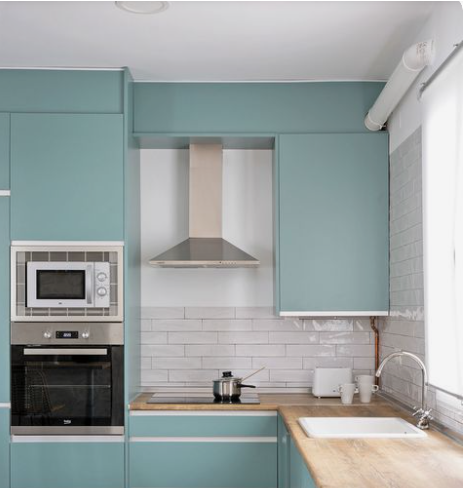
If you want to add a splash of color, consider muted blues or gentle greens. These add personality without disrupting the calm, streamlined look you want.
Rustic And Farmhouse Colors
Rustic kitchens feel warm and inviting, so earthy tones suit them best. Think about colors like warm beige, soft browns, and creamy off-whites. These shades echo natural materials like wood and stone, creating a cozy atmosphere.
Deep greens or muted reds can also add charm and highlight vintage features. Don’t shy away from textured paint finishes to enhance the rustic feel.
Industrial And Urban Shades
Industrial kitchens often feature raw materials like metal and concrete, so darker, moodier colors complement them well. Charcoal gray, slate blue, and deep browns create an edgy vibe that matches exposed pipes and bricks.
To keep the space from feeling too cold, balance these dark tones with warm accents like copper or distressed wood. You can even mix in some bold colors, like mustard yellow or burnt orange, to energize the room.
Traditional And Classic Colors
Traditional kitchens shine with timeless elegance, so classic colors like soft creams, warm taupes, and gentle pastels work beautifully. These shades add a sense of grace and sophistication without overwhelming the space.
Rich blues and deep reds can also elevate a traditional kitchen, especially when paired with white cabinetry and detailed trim. Think about how these colors can highlight your kitchen’s architectural details.
Credit: www.jswpaints.in
Tips For Choosing The Right Paint Finish
Choosing the right paint finish for kitchen walls affects the room’s look and feel. It also impacts cleaning and durability. The finish you pick can enhance colors and create the mood you want. Think about your kitchen’s use and style before deciding.
Matte Vs. Glossy Finishes
Matte finishes have no shine and hide wall imperfections well. They offer a soft, smooth look that feels calm. Glossy finishes shine and reflect light, making colors look brighter. They give a modern and clean feel. Glossy paints show smudges and scratches more easily than matte.
Durability And Cleanability
Kitchen walls need paint that stands up to moisture and stains. Glossy finishes are easier to wipe clean and resist water better. Matte finishes may stain and are harder to clean. Choose glossy or semi-gloss for busy kitchens with lots of cooking and spills.
Lighting Impact On Finish
Light changes how paint finishes appear on walls. Glossy surfaces reflect light, making rooms feel bigger and brighter. Matte surfaces absorb light, creating a cozy, soft atmosphere. Think about natural and artificial light in your kitchen before picking a finish.
Combining Wall Colors With Cabinets And Countertops
Choosing the right wall color for your kitchen isn’t just about picking a favorite shade. It’s about how that color plays with your cabinets and countertops. The walls set the backdrop, so understanding how to blend or contrast these elements can transform your kitchen’s entire vibe.
Creating Contrast
Contrast can make your kitchen pop and add a dynamic feel. If you have light-colored cabinets, consider a darker wall color to make them stand out. For example, navy blue walls paired with white cabinets create a clean yet bold look.
Dark cabinets, on the other hand, benefit from lighter walls. Soft grays or warm creams can brighten the space and prevent it from feeling heavy. Have you tried combining a charcoal cabinet with pale yellow walls? The contrast can bring warmth and sophistication.
Harmonizing With Wood Tones
Wood cabinets come in various shades, from light oak to deep walnut. Matching your wall color to these tones can create a cozy, unified space. For instance, if your cabinets are a rich cherry wood, walls in soft beige or muted greens complement the natural warmth beautifully.
Pay attention to the undertones of your wood. Cooler woods like ash or maple pair well with cool wall colors such as soft blues or gentle grays. This harmony helps the entire kitchen feel balanced without overwhelming your senses.
Coordinating With Stone Surfaces
Countertops made of granite, marble, or quartz often feature complex patterns and colors. Your wall color should either pick up a subtle shade from the stone or provide a neutral backdrop. If your countertop has flecks of blue or green, a light wall color that echoes these hues can tie the room together.
Alternatively, if the stone is busy or multicolored, choose a solid, calm wall color like off-white or taupe to avoid visual clutter. Have you noticed how a simple wall color can highlight the beauty of a dramatic countertop? It’s a smart way to keep your kitchen looking polished and intentional.

Credit: www.goodhousekeeping.com
Accent Walls And Color Blocking Ideas
Accent walls and color blocking can transform your kitchen from plain to visually exciting without overwhelming the space. They allow you to highlight specific areas, create focal points, and express your personality through color. Are you ready to bring life and energy to your kitchen walls with these creative ideas?
Using Bold Colors As Accents
Bold colors like deep navy, emerald green, or fiery red grab attention instantly. Painting one wall in a bold shade can add depth and character to your kitchen. Think about a wall behind open shelves or the backsplash area—these spots naturally draw the eye and benefit from a pop of color.
If you’re hesitant about committing to a strong color, try adding it in smaller sections like a strip of wall or around windows. This approach adds excitement without overpowering your kitchen’s overall look. What bold color have you always wanted to try but never dared?
Patterns And Textures
Patterns and textures bring a tactile element to your kitchen walls that plain paint can’t match. Geometric shapes, stripes, or even stenciled designs can create a dynamic accent wall. Textured finishes like brick veneer or wood panels add warmth and visual interest.
Imagine a textured wall behind your dining area—it invites a cozy atmosphere and sparks conversation. Don’t shy away from mixing painted patterns with textured materials; the contrast can create a stunning, layered effect. How could texture change the vibe of your kitchen?
Combining Multiple Colors
Color blocking means using multiple colors in distinct sections to create a bold, modern look. You could paint lower walls one color and upper walls another, or divide a wall horizontally or vertically with contrasting shades. This technique adds dimension and breaks monotony.
Try pairing soft pastels with richer tones for balance, or use complementary colors for a vibrant punch. Using multiple colors doesn’t have to be complicated—simple shapes or blocks of color can do the trick. Which color combinations make you feel inspired and energized?
Trends And Timeless Choices
Choosing the right color for kitchen walls blends style with lasting appeal. Trends reflect current tastes and fresh ideas. Timeless choices offer enduring charm and flexibility. Balancing both helps create a space that feels modern yet welcoming.
Current Popular Colors
Soft greens and muted blues dominate kitchen walls today. These colors bring calm and a natural vibe indoors. Warm beige and light gray also remain favorites for their neutral tone. They fit well with many kitchen styles and accessories.
Bold colors like deep navy or forest green appear in accent walls. These shades add character without overwhelming the space. Pale pink and creamy yellow show up as fresh, cheerful picks too.
Colors That Never Go Out Of Style
White tops the list for timeless kitchen walls. It brightens rooms and pairs well with all décor styles. Cream and soft taupe also hold strong appeal for their warmth and neutrality.
Earth tones such as terracotta and warm browns create cozy, inviting kitchens. Classic blue offers a steady, calming presence. These colors adapt easily to changing trends and personal tastes.
Choosing timeless colors means less repainting and more lasting satisfaction.
Practical Considerations For Kitchen Paint
Choosing the right paint for your kitchen walls goes beyond just color preference. Practical factors play a huge role in how well your kitchen paint will hold up over time. Understanding these aspects can save you from frequent touch-ups and keep your kitchen looking fresh.
Moisture And Stain Resistance
Your kitchen is a high-moisture area where steam and spills are common. Paint with good moisture resistance prevents peeling and bubbling caused by humidity. Look for paints labeled as washable or scrubbable—they handle stains better and allow you to clean splatters without ruining the finish.
Have you ever noticed how some paints get patchy after wiping off a spill? That’s a sign you need a more durable option designed for kitchens and bathrooms. Satin or semi-gloss finishes often perform best in these environments.
Ease Of Maintenance
Think about how often you clean your kitchen walls. Paint that is easy to maintain can save you time and stress. Smooth finishes that resist dirt and grease make wiping down walls quick and simple.
Matte finishes might look trendy but can be harder to clean. Semi-gloss or satin finishes strike a balance by hiding imperfections yet allowing easy cleaning. If you have kids or cook frequently, prioritizing maintenance ease will pay off.
Budget-friendly Options
You don’t need to spend a fortune to get good kitchen paint. Many affordable brands offer moisture-resistant, washable paints suitable for kitchen walls. It’s worth checking out local hardware stores for budget-friendly lines with good reviews.
Sometimes, spending a little more upfront on quality paint reduces repainting costs down the line. Would you rather repaint every couple of years or invest in a paint that lasts longer? Balancing cost and durability is key to making a smart choice.

Credit: www.goodhousekeeping.com
Frequently Asked Questions
What Color Makes A Kitchen Look Bigger?
Light colors like white, cream, and soft pastels make kitchens appear larger. These hues reflect more light, creating an open, airy feel. They also provide a clean and fresh backdrop, perfect for small or dark kitchens seeking more spaciousness.
Which Kitchen Wall Color Boosts Appetite?
Warm colors such as red, orange, and yellow can stimulate appetite. These vibrant shades energize the space and encourage social interaction. Use them as accents or on one wall to create a lively, inviting kitchen atmosphere without overwhelming the space.
Are Neutral Kitchen Wall Colors A Good Choice?
Yes, neutral colors like beige, gray, and taupe offer timeless appeal. They blend well with various styles and decor. Neutrals create a calm, versatile backdrop that allows appliances and accessories to stand out while keeping the kitchen elegant and balanced.
How Do Dark Kitchen Wall Colors Affect Mood?
Dark colors like navy, charcoal, or forest green add depth and sophistication. They create a cozy, intimate environment but may make small kitchens feel cramped. Pair dark walls with ample lighting and light cabinetry to maintain balance and avoid gloominess.
Conclusion
Choosing the best color for your kitchen walls matters. It influences mood and atmosphere. Light colors make spaces feel bigger and brighter. Warm tones create a cozy vibe. Bold colors add energy and character. Neutral shades offer timeless elegance. Consider lighting, kitchen size, and personal taste.
Each color has its unique charm. Test a few samples before deciding. See how they look at different times of the day. Trust your instincts and pick what makes you happy. Your kitchen should reflect your style and comfort. Enjoy the process.
Make your kitchen a place you love.