How to Remove Kitchen Grease from Walls: Easy & Effective Tips
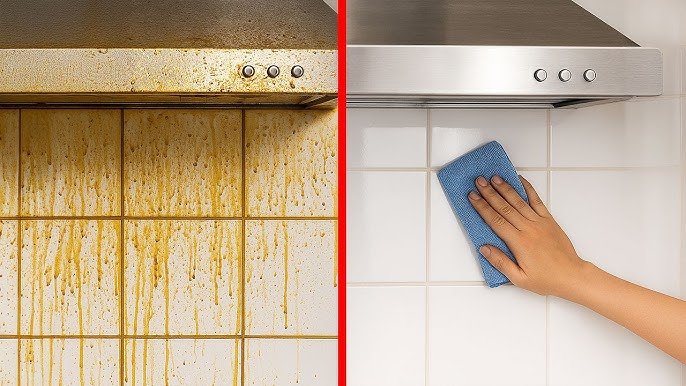
Grease on kitchen walls can be a real eyesore, not to mention a magnet for grime and dust. It’s that stubborn, sticky residue that seems to appear out of nowhere, making your kitchen feel less than fresh.
You might have tried scrubbing it away with little success, leading to frustration and wasted time. But worry not—there is a way to tackle this pesky problem effectively. Imagine finally having spotless walls that not only look clean but also make you feel proud of your kitchen space.
In this guide, you’ll discover simple, effective methods to remove kitchen grease from your walls, using items you probably already have at home. Get ready to transform your kitchen and enjoy a space that feels just as good as it looks!
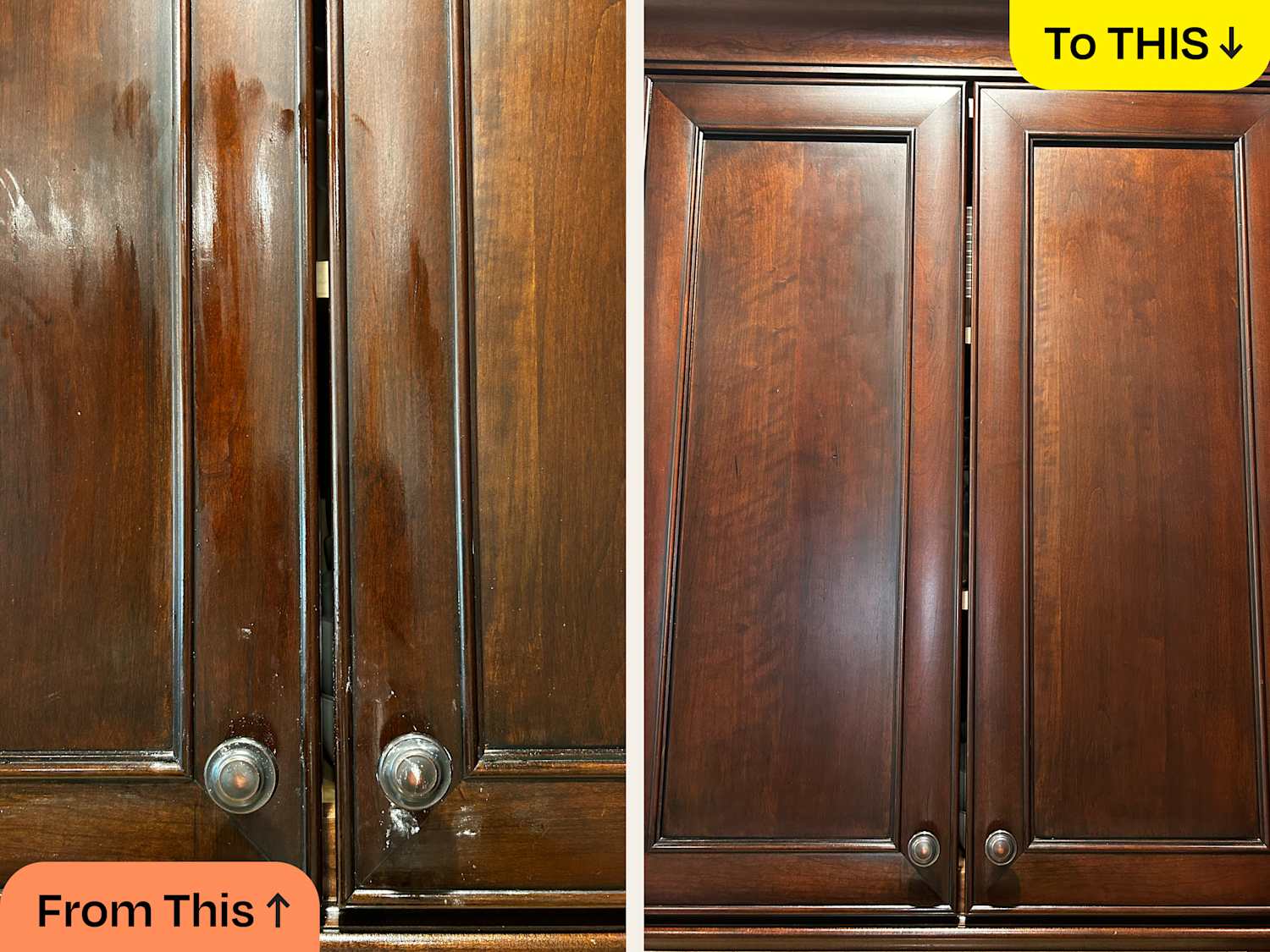
Credit: www.thekitchn.com
Causes Of Kitchen Grease Buildup
Kitchen grease buildup on walls can sneak up on you, turning your cooking space from fresh to grimy without much notice. Understanding what causes this buildup helps you tackle it before it becomes a stubborn problem. Let’s look at the main reasons grease collects on your kitchen walls and why it sticks around.
Common Sources Of Grease
Grease usually comes from cooking oils and fats that vaporize during frying, sautéing, or grilling. As you cook, tiny droplets float into the air and settle on nearby surfaces, including your walls.
- Frying foods in oil releases airborne grease particles.
- Using butter or animal fats adds to the oily residue in the air.
- Grilling indoors or on a stovetop creates smoke mixed with grease.
- Steam from cooking can carry grease particles further than you might expect.
Have you noticed grease spots near your stove or above your oven? These areas are often hotspots because they’re closest to where the cooking action happens.
How Grease Affects Walls
Grease doesn’t just sit on your walls quietly—it changes their appearance and texture. Over time, it creates a sticky film that attracts dust and dirt, making the walls look dull and dirty.
This buildup can also cause paint to peel or discolor, leading to expensive repairs if ignored. Plus, greasy walls can trap odors, leaving your kitchen smelling less fresh than it should.
Think about how often you clean your kitchen walls. Could a little attention here prevent long-term damage and keep your kitchen looking bright and clean?

Credit: www.youtube.com
Essential Tools And Supplies
Removing kitchen grease from walls requires more than just elbow grease. Having the right tools and supplies can make the process faster and more effective. Knowing what to use helps you avoid damage and ensures your walls look fresh and clean again.
Cleaning Agents To Use
Choosing the right cleaning agent is crucial for tackling kitchen grease without harming your paint or wallpaper. You might already have some effective options at home, such as dish soap, which breaks down grease gently and safely.
If the grease is stubborn, consider a mixture of white vinegar and water. This solution cuts through grime and deodorizes the area. For tougher jobs, a commercial degreaser designed for kitchens works well but always test it on a small spot first.
- Dish soap mixed with warm water
- White vinegar diluted with water (1:1 ratio)
- Baking soda paste for scrubbing
- Commercial kitchen degreasers (check label for wall safety)
Recommended Tools For Scrubbing
Having the right tools for scrubbing can save your walls from scratches and make cleaning easier. Soft sponges or microfiber cloths are gentle yet effective at removing grease without damaging surfaces.
A nylon scrub brush can handle tougher spots, especially on textured walls. Avoid steel wool or harsh abrasive pads, as they can strip paint or leave marks. A spray bottle helps apply cleaning solutions evenly, reducing waste and mess.
- Soft sponges or microfiber cloths
- Nylon scrub brush for stubborn grease
- Spray bottle for even application of cleaning agents
- Bucket for mixing cleaning solutions
What cleaning tools have you tried that either worked well or made the job harder? Sometimes the simplest tools make the biggest difference in how clean your kitchen walls look.
Preparation Before Cleaning
Before you dive into scrubbing away kitchen grease from your walls, setting up the right environment can make a huge difference. Preparation ensures you protect your kitchen and get the best results without extra mess or damage. Taking a few moments now saves you frustration later.
Protecting Surrounding Areas
Grease cleaning often involves water, soap, and sometimes strong cleaners. Protect your countertops, appliances, and floor by covering them with old towels, plastic sheets, or newspapers. This simple step prevents accidental spills or drips from causing more cleaning headaches.
Don’t forget to remove or cover any delicate items like wall art or electrical outlets nearby. You want to avoid damage or electrical hazards while working with liquids. Have a small bucket or container handy to keep your cleaning cloths or sponges within reach but off surfaces.
Ventilation Tips
Cleaning products can release strong fumes, especially if you use degreasers or vinegar solutions. Open windows and doors to create airflow that keeps your kitchen fresh and safe. If your kitchen has an exhaust fan, switch it on to help draw out odors and moisture.
Think about your comfort too. Good ventilation prevents dizziness or irritation as you scrub away stubborn grease. Have you noticed how much easier it is to focus and finish the job when the air feels clean and fresh?

Credit: m.youtube.com
Step-by-step Cleaning Process
Removing kitchen grease from walls requires a clear and careful cleaning process. Follow these simple steps to restore your walls to their clean, fresh state. Each step prepares the surface for the next, ensuring effective grease removal without damage.
Initial Wipe Down
Start by wiping the walls with a dry cloth or paper towel. This removes loose dirt and dust. Next, use a damp cloth with warm water to soften the grease. Avoid soaking the wall to prevent damage. This step helps reduce the grease layer and makes the next steps easier.
Applying Degreasers
Choose a gentle kitchen degreaser or make a natural solution using dish soap and warm water. Spray or apply the degreaser evenly over the greasy areas. Let it sit for 5 to 10 minutes. This breaks down the grease and prepares it for scrubbing. Avoid harsh chemicals on painted or wallpapered walls.
Scrubbing Techniques
Use a soft sponge or cloth to scrub the treated areas. Move in small circles to lift the grease without damaging the paint. For stubborn spots, apply a little more degreaser and scrub gently. Avoid abrasive tools that can scratch or remove paint. Patience is key to avoid wall damage.
Rinsing And Drying
Rinse the walls with a clean damp cloth to remove leftover degreaser and grease. Change the cloth often to avoid spreading dirt. Dry the walls with a soft towel or microfiber cloth. Proper drying prevents water stains and mold growth. Your walls should now look fresh and clean.
Natural Remedies For Grease Removal
Natural remedies offer a safe and effective way to remove kitchen grease from walls. These solutions use common household ingredients that break down grease without harsh chemicals. They are easy to prepare and gentle on surfaces, making them ideal for regular kitchen cleaning.
Using natural ingredients also reduces the risk of allergies or skin irritation. Plus, these remedies are eco-friendly and budget-friendly. The following sections explain how to use vinegar, baking soda, and lemon for grease removal.
Using Vinegar And Baking Soda
Vinegar and baking soda work together to cut through tough grease. Vinegar’s acidity dissolves grease, while baking soda acts as a mild abrasive.
- Mix equal parts white vinegar and water in a spray bottle.
- Sprinkle baking soda on the greasy wall areas.
- Spray the vinegar solution over the baking soda.
- Let the mixture fizz and sit for 5-10 minutes.
- Wipe the wall with a damp cloth or sponge.
- Repeat if grease remains.
This method cleans without leaving residue or damaging paint.
Lemon-based Solutions
Lemon juice naturally cuts grease with its acidity and fresh scent. It also disinfects and brightens surfaces.
- Extract fresh lemon juice or use bottled lemon juice.
- Mix lemon juice with an equal amount of water.
- Apply the mixture to greasy spots with a cloth or sponge.
- Let it sit for 5 minutes to dissolve grease.
- Scrub gently with a soft brush or cloth.
- Rinse with clean water and dry the wall.
Lemon works well for light grease and leaves a pleasant smell behind.
Preventing Future Grease Buildup
Preventing future grease buildup on your kitchen walls is essential to keep your cooking space fresh and clean. Grease not only looks unpleasant but can also attract dirt and cause long-term damage to your paint or wallpaper. Taking proactive steps can save you time and effort in deep cleaning later.
Regular Maintenance Tips
Wipe down your kitchen walls regularly with a mild detergent or vinegar solution. Even a quick once-a-week wipe can stop grease from settling and becoming stubborn over time.
Keep a microfiber cloth or sponge handy near your cooking area. This makes it easy to clean up small splatters immediately, preventing buildup.
Also, consider using washable or semi-gloss paint in your kitchen. These surfaces are easier to clean and resist grease better than flat paints.
Effective Ventilation Practices
Good ventilation is your best defense against grease buildup. Always turn on your exhaust fan or range hood while cooking to capture smoke and grease particles before they settle.
If your kitchen lacks a built-in vent, try opening windows or using a portable fan to improve airflow. The more you reduce airborne grease, the less will stick to your walls.
Think about how often you clean your exhaust filters. Clogged filters reduce airflow and trap grease inside your kitchen instead of removing it.
Have you noticed how grease seems to accumulate faster in poorly ventilated kitchens? Improving airflow can drastically reduce the amount of cleaning you need to do.
When To Call Professional Cleaners
Knowing when to call professional cleaners for kitchen grease removal saves time and effort. Some grease stains are tough and need expert tools and skills. Calling professionals ensures walls are cleaned deeply and safely.
Signs You Need Expert Help
- Grease stains cover large wall areas and won’t come off.
- Strong, unpleasant odors stay after cleaning attempts.
- Grease buildup has caused paint to peel or discolor.
- DIY cleaning causes damage or leaves sticky residue.
- Allergy or respiratory issues worsen due to grease and dirt.
Choosing A Cleaning Service
Look for cleaners who specialize in kitchen and grease removal. Check reviews and ask for before-and-after photos. Confirm they use safe, eco-friendly products. Compare prices but avoid very cheap services. Reliable cleaners offer a satisfaction guarantee. Clear communication about timing and process matters too.
Frequently Asked Questions
How Do I Remove Kitchen Grease From Walls Naturally?
Use a mixture of white vinegar and warm water. Spray on the grease, wait 10 minutes, then wipe with a cloth. Vinegar cuts through grease without harsh chemicals, making it safe and eco-friendly for your kitchen walls.
What Household Items Effectively Clean Grease Off Walls?
Common items like baking soda, dish soap, and vinegar work well. Baking soda scrubs gently, dish soap breaks down grease, and vinegar dissolves it. These are affordable, safe, and easy to find for quick kitchen wall cleaning.
Can I Use Commercial Cleaners On Painted Walls?
Yes, but choose mild, non-abrasive cleaners. Test on a small area first to avoid damage. Avoid harsh chemicals that can strip paint or discolor walls while removing kitchen grease effectively.
How Often Should I Clean Kitchen Grease From Walls?
Clean grease build-up every 1 to 3 months. Frequent cleaning prevents stains and keeps your kitchen looking fresh. Regular maintenance makes grease removal easier and protects wall surfaces from damage.
Conclusion
Cleaning kitchen grease from walls keeps your space fresh and bright. Use gentle cleaners and soft cloths for best results. Regular wiping stops grease from building up again. Try simple household items like vinegar or baking soda first. Take your time and be patient during cleaning.
Clean walls make cooking areas healthier and more inviting. Keep these tips in mind for easy grease removal. Your kitchen will look cleaner and feel nicer every day. Simple steps can make a big difference in your home.