How to Insulate a Kitchen Wall: Easy Steps for Maximum Energy Savings
Are your kitchen walls letting in cold drafts or making your space feel noisy and uncomfortable? Insulating your kitchen wall might be the simple fix you need.
Imagine cooking in a warmer, quieter kitchen that saves you money on energy bills. In this guide, you’ll discover easy steps to insulate your kitchen wall effectively—even if you’re not a DIY expert. Keep reading to learn how you can transform your kitchen into a cozy, energy-efficient space starting today.

Credit: www.bunnings.com.au
Benefits Of Kitchen Wall Insulation
Insulating your kitchen walls offers more than just temperature control. It creates a better living environment, saves money, and even enhances your daily comfort. Understanding the benefits can help you decide why this upgrade is worth your time and investment.
Energy Efficiency Gains
Insulation helps keep warm air inside during winter and blocks heat in summer. This means your heating and cooling systems don’t have to work as hard. Over time, this leads to noticeable savings on your energy bills.
Think about those months when your kitchen feels chilly despite the heater running. Proper insulation can fix that, reducing energy waste and lowering costs without sacrificing comfort.
Improved Comfort
Insulated walls maintain a steady temperature, making your kitchen a more pleasant place to cook and gather. You won’t have to deal with cold drafts or overheated rooms anymore.
Imagine preparing meals without shivering or sweating—this consistent comfort can improve your overall kitchen experience. It’s a simple change that makes a big difference in how you feel day to day.
Noise Reduction
Kitchen activities can be noisy, especially in open floor plans or busy households. Insulation absorbs sound, cutting down on echoes and external noise.
This means less distraction and a quieter atmosphere, whether you’re enjoying a meal or chatting with family. Have you noticed how much noise leaks through your walls? Adding insulation can keep your kitchen calm and peaceful.
Choosing The Right Insulation Material
Choosing the right insulation material for your kitchen wall improves energy efficiency and comfort. Each insulation type offers unique benefits and fits different budgets. Consider factors like moisture resistance, ease of installation, and thermal performance. This helps you pick the best option for your kitchen’s needs.
Fiberglass Batts
Fiberglass batts are common and affordable. They fit between wall studs easily. This material offers good thermal resistance and soundproofing. Fiberglass is fire-resistant and does not absorb moisture. Wear protective gear during installation to avoid skin irritation.
Spray Foam
Spray foam expands to fill gaps and cracks tightly. It creates a strong air seal that blocks drafts well. This insulation type has a high R-value per inch. It also resists moisture and mold growth. Spray foam requires professional installation for best results.
Rigid Foam Boards
Rigid foam boards are durable and moisture-resistant. They provide high insulation value in thin layers. These boards work well behind kitchen walls and under cabinets. Cutting and fitting them is simple with a utility knife. Use foam boards to reduce heat loss efficiently.
Natural Insulation Options
Natural insulation includes materials like wool, cotton, and cellulose. These options are eco-friendly and biodegradable. They offer good thermal and sound insulation. Natural materials absorb moisture less than fiberglass. Choose natural insulation for a green, healthy kitchen environment.
Tools And Materials Needed
Preparing to insulate a kitchen wall requires gathering the right tools and materials first. Having everything on hand not only speeds up the process but also ensures a smoother and safer installation. Let’s break down what you’ll need to get the job done effectively.
Measuring And Cutting Tools
Accurate measurements are key to a perfect fit for your insulation. You’ll want a reliable tape measure to get precise dimensions of your wall space. A utility knife with sharp blades is essential for cutting insulation materials cleanly without tearing.
Consider having a straight edge or a carpenter’s square to guide your cuts, especially if you’re working with rigid foam boards. These tools help maintain straight lines, which make installation easier and more efficient. Have you ever tried cutting insulation freehand? It rarely ends well.
Safety Equipment
Insulating involves handling materials that can irritate your skin and lungs. Gloves protect your hands from fiberglass or foam particles, while safety goggles shield your eyes from dust and debris. A dust mask or respirator is crucial to avoid inhaling tiny fibers that can cause breathing issues.
Don’t overlook wearing long sleeves and pants to minimize skin exposure. It might seem like extra hassle, but your comfort during and after the job is worth it. How often do we forget safety gear until it’s too late?
Installation Supplies
You’ll need insulation materials suitable for kitchen walls, such as fiberglass batts, foam board, or spray foam. To secure these, get some insulation supports or fasteners like staples or adhesive sprays, depending on the material you choose.
Additionally, vapor barriers help prevent moisture buildup, which is especially important in kitchens. Make sure you have plastic sheeting or foil-faced barriers ready. Don’t forget a caulking gun and sealant to close gaps around windows or outlets for a tight seal.
Preparing The Kitchen Wall
Preparing your kitchen wall properly sets the foundation for effective insulation. It’s not just about putting up material; it’s about creating a clean, damage-free surface that will maximize insulation benefits. Taking time here saves you from future problems and boosts energy efficiency.
Clearing The Area
Start by removing everything from the wall. Take down shelves, pictures, and appliances close to the wall. Clearing the space helps you work freely and spot any hidden issues.
Don’t forget to cover your countertops and floor with a drop cloth. This keeps your kitchen clean and protects surfaces from dust and debris. A tidy workspace makes the job smoother and faster.
Inspecting For Damage
Look closely for cracks, holes, or signs of moisture on the wall. These problems can reduce insulation effectiveness and cause mold later. Even small cracks can let cold air sneak in.
If you find damp spots or mold, address these before insulating. Moisture can ruin insulation and damage your wall structure. Have you checked behind your cabinets or appliances where damage often hides?
Sealing Gaps And Cracks
Use caulk or expanding foam to seal any gaps around windows, outlets, or pipes. These tiny openings are common heat loss points. Sealing them keeps your insulation working better and lowers energy bills.
Pay special attention to corners and edges where walls meet the ceiling or floor. These spots often get overlooked but can leak a lot of air. Sealing gaps is a simple step that makes a big difference in your kitchen’s comfort.
Step-by-step Insulation Process
Insulating a kitchen wall improves energy efficiency and comfort. The process involves careful measuring, fitting, and sealing of insulation material. Each step ensures the wall holds the insulation tightly and prevents air leaks. Follow this clear guide to insulate your kitchen wall properly.
Measuring And Cutting Insulation
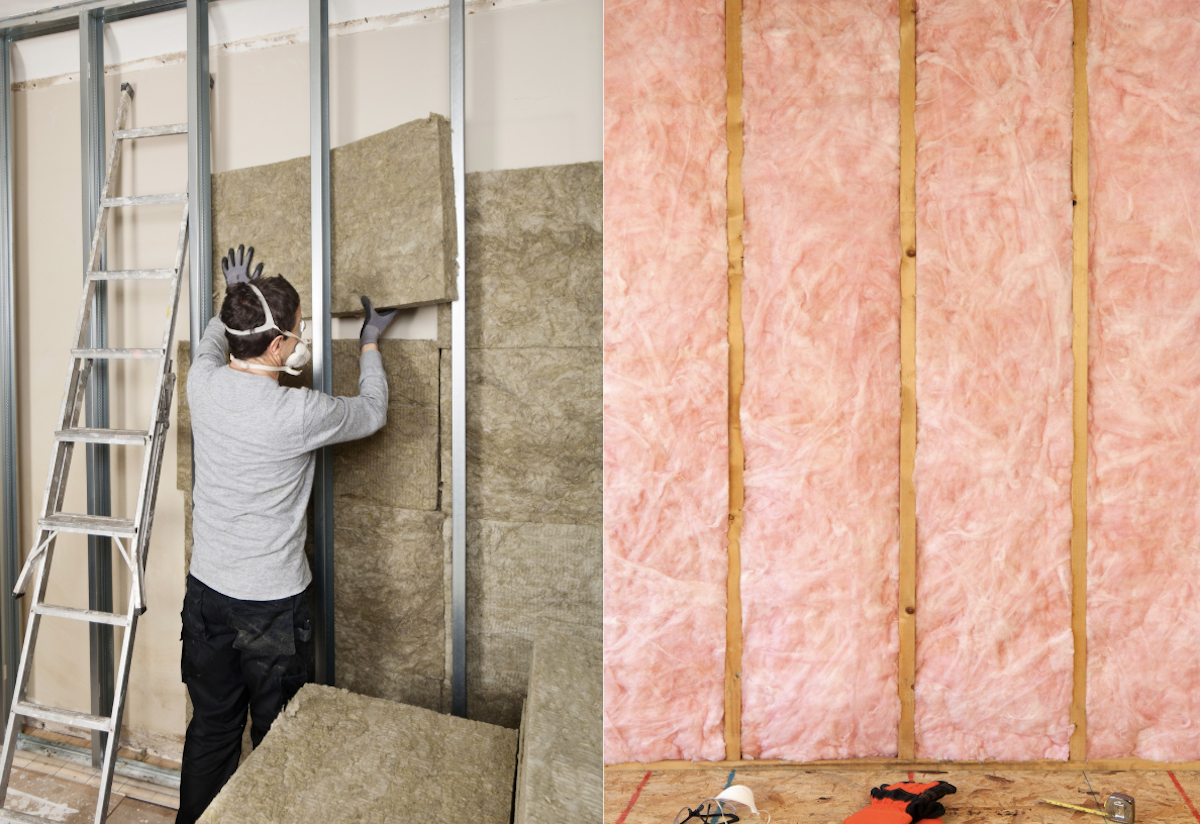
Measure the height and width of the wall cavities accurately. Use a tape measure for precise dimensions. Mark the insulation material with a pencil or marker. Cut the insulation slightly larger than the cavity size. This helps the material fit snugly without gaps. Use a sharp utility knife or insulation saw for clean cuts.
Fitting Insulation Into Wall Cavities
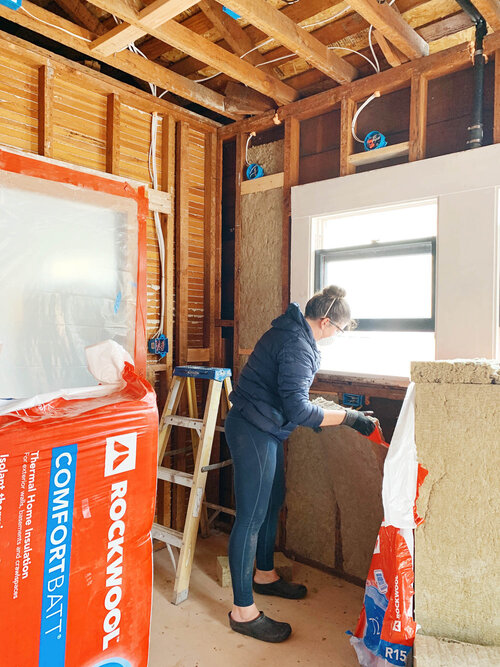
Place the cut insulation carefully inside each wall cavity. Push it gently to fill the entire space. Avoid compressing the insulation too much as it reduces effectiveness. Check for any gaps or spaces around edges. Fill these small spaces with extra insulation pieces. Make sure the insulation lies flat and even within the cavity.
Securing And Sealing Insulation
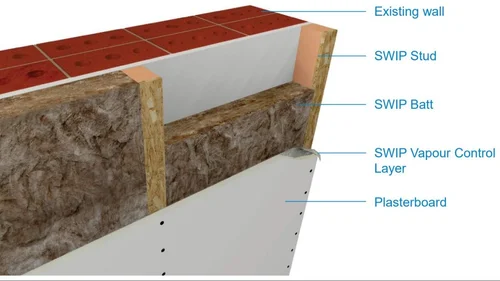
Secure the insulation using staples or insulation supports if needed. Attach a vapor barrier over the insulation to block moisture. Seal all seams and edges with appropriate tape or caulk. This prevents air leaks and improves insulation performance. Double-check all corners and joints for proper sealing. Proper sealing keeps the kitchen warm and energy costs low.
Finishing Touches
Finishing touches are what transform a simple insulated kitchen wall into a polished and functional part of your home. This phase ensures that your efforts not only improve energy efficiency but also maintain the room’s aesthetic appeal. Paying attention to details now saves you from costly fixes and keeps your kitchen looking great for years.
Installing Vapor Barriers
Adding a vapor barrier is crucial to protect your insulation from moisture damage. Without it, trapped moisture can lead to mold growth and reduce the insulation’s effectiveness. Choose a vapor barrier material suitable for kitchens, such as polyethylene sheets, and carefully seal all seams and edges.
Think about how often your kitchen experiences steam from cooking. Installing a vapor barrier helps keep that moisture from penetrating your walls. It’s a simple step that makes a big difference in durability and indoor air quality.
Replacing Drywall Or Wall Coverings
After the vapor barrier is in place, it’s time to replace the drywall or other wall coverings. Use moisture-resistant drywall if you expect high humidity levels. Cut and fit the panels precisely, securing them firmly to avoid future cracking or sagging.
If you prefer a different wall finish, like beadboard or tile backer board, make sure it’s compatible with your insulation and vapor barrier setup. This step is your chance to customize the look and feel of your kitchen while protecting your investment.
Painting And Decorating
Once the walls are up, choose paint that withstands kitchen conditions—look for washable, mold-resistant formulas. Applying a primer before painting improves adhesion and durability. Consider light colors to brighten the space, especially if your kitchen lacks natural light.
Decorating your newly insulated wall adds personality and style. Whether you hang artwork, install shelves, or add a backsplash, make sure your choices don’t compromise the insulation’s protection. How can you make your kitchen wall both practical and beautiful?
Maintaining Insulated Kitchen Walls
Maintaining insulated kitchen walls is crucial to keep your kitchen comfortable and energy-efficient year-round. Proper care helps your insulation last longer and prevents common problems like mold and heat loss. Taking small, regular steps can save you from costly repairs down the line.
Regular Inspections
Checking your kitchen walls often helps catch issues early. Look for signs like cracks, peeling paint, or unusual cold spots that might indicate damaged insulation. Make it a habit to inspect your walls every few months, especially after extreme weather.
Using a thermal camera or even a simple touch test can reveal hidden cold drafts. Have you noticed any areas that feel colder than others? Addressing these early keeps your insulation working efficiently.
Addressing Moisture Issues
Moisture is one of the biggest enemies of insulated walls. Damp walls can cause insulation to lose its effectiveness and promote mold growth. If you spot water stains or a musty smell, find the source quickly.
Check for leaks around windows, plumbing, or the roof. Installing a vapor barrier or improving ventilation can also help keep your walls dry. How often do you check for hidden leaks behind cabinets or appliances?
Upgrading Insulation Over Time
Insulation materials and standards improve constantly. Even if your kitchen walls are insulated now, upgrading them can boost comfort and reduce energy bills. Consider adding foam panels or blown-in insulation during renovations.
Before you upgrade, evaluate your current insulation’s condition and R-value. Sometimes a simple layer of spray foam can make a huge difference. Are you prepared to invest in insulation that pays off in energy savings?
Credit: www.thegoldhive.com
Credit: www.bobvila.com
Frequently Asked Questions
How Do I Prepare A Kitchen Wall For Insulation?
First, clear the wall of cabinets and appliances. Remove old drywall or paneling carefully. Check for moisture or mold and fix any issues. Clean the surface thoroughly before installing insulation materials. Proper preparation ensures effective insulation and a smooth installation process.
What Insulation Materials Work Best For Kitchen Walls?
Fiberglass batts, foam boards, and spray foam are top choices. Fiberglass is affordable and easy to install. Foam boards provide high R-values and moisture resistance. Spray foam seals gaps effectively, preventing air leaks. Choose based on your budget, wall structure, and moisture concerns.
How Thick Should Kitchen Wall Insulation Be?
Typically, 3 to 4 inches of insulation is sufficient. This thickness balances thermal resistance and available wall space. Thicker insulation improves energy efficiency but may require adjustments to cabinetry. Always check local building codes for minimum R-value requirements.
Can I Insulate Kitchen Walls Without Removing Drywall?
Yes, using spray foam or blown-in cellulose insulation is possible. These methods fill wall cavities through small holes drilled in the drywall. It’s less invasive and quicker but may cost more. Consult a professional to ensure proper application and safety.
Conclusion
Insulating your kitchen wall boosts comfort and efficiency. It keeps heat in during winter. Keeps heat out during summer. Energy bills reduce. Your home feels cozier. Start with a plan. Choose the right materials for your wall. Follow safety guidelines.
Work step-by-step. Take breaks if needed. After you finish, enjoy a more comfortable kitchen. It’s worth the effort. A well-insulated kitchen is a smart choice. Your future self will thank you.