How Do You Make a Lunch Box: Easy Steps for a Perfect Meal
Are you tired of the same old lunch routine? Looking to add a splash of creativity and nutrition to your midday meal?
Making your own lunch box is not just a chore; it’s an opportunity to transform your lunch hour into a delightful experience. Imagine opening a box filled with vibrant colors, mouth-watering aromas, and flavors that dance on your taste buds.
Crafting the perfect lunch box can boost your mood, enhance your focus, and even make you the envy of your colleagues or classmates. Intrigued? Let’s dive into the simple steps that will turn your lunch box from drab to fab!
Choosing The Right Container
Choosing the right container is a key step in making a lunch box that keeps your food fresh, organized, and easy to carry. The container you pick affects how much you can pack, how well your food stays separated, and how simple it is to take your lunch on the go. Let’s look closely at what to consider when selecting your lunch box container.
Material Options
Lunch box containers come in various materials, each with its own benefits. Plastic containers are lightweight and often affordable but check if they are BPA-free for safety. Stainless steel is durable and doesn’t retain odors, which is great if you pack different meals daily.
Glass containers are another option; they’re microwave safe and don’t stain, but they can be heavier and breakable. Think about what fits your lifestyle: do you need something tough for a busy day, or lightweight for easy carrying?
Size And Compartments
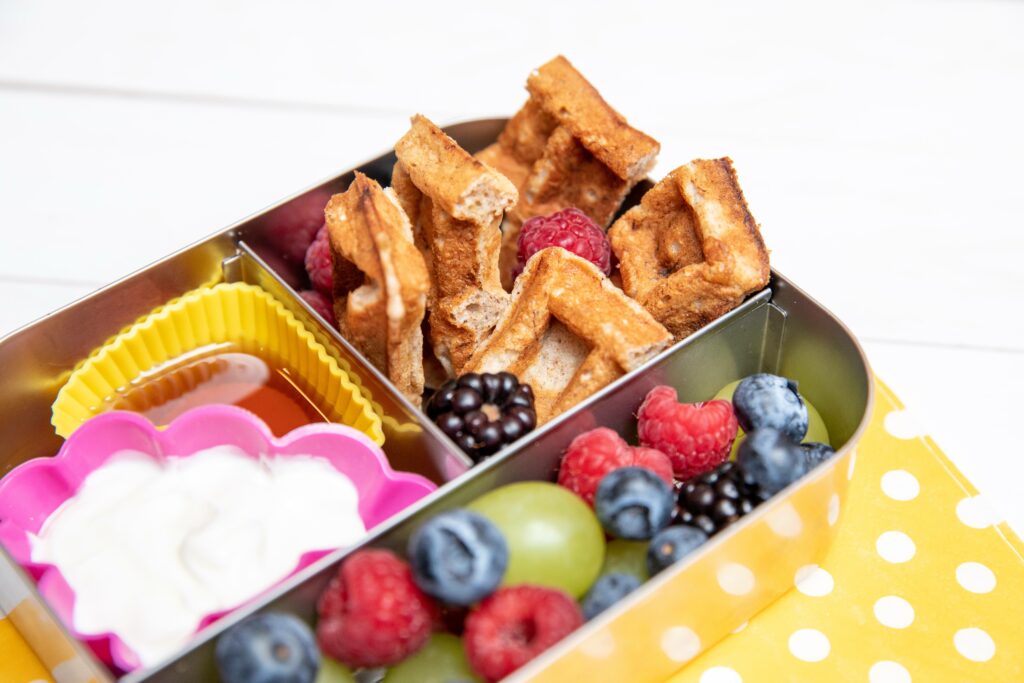
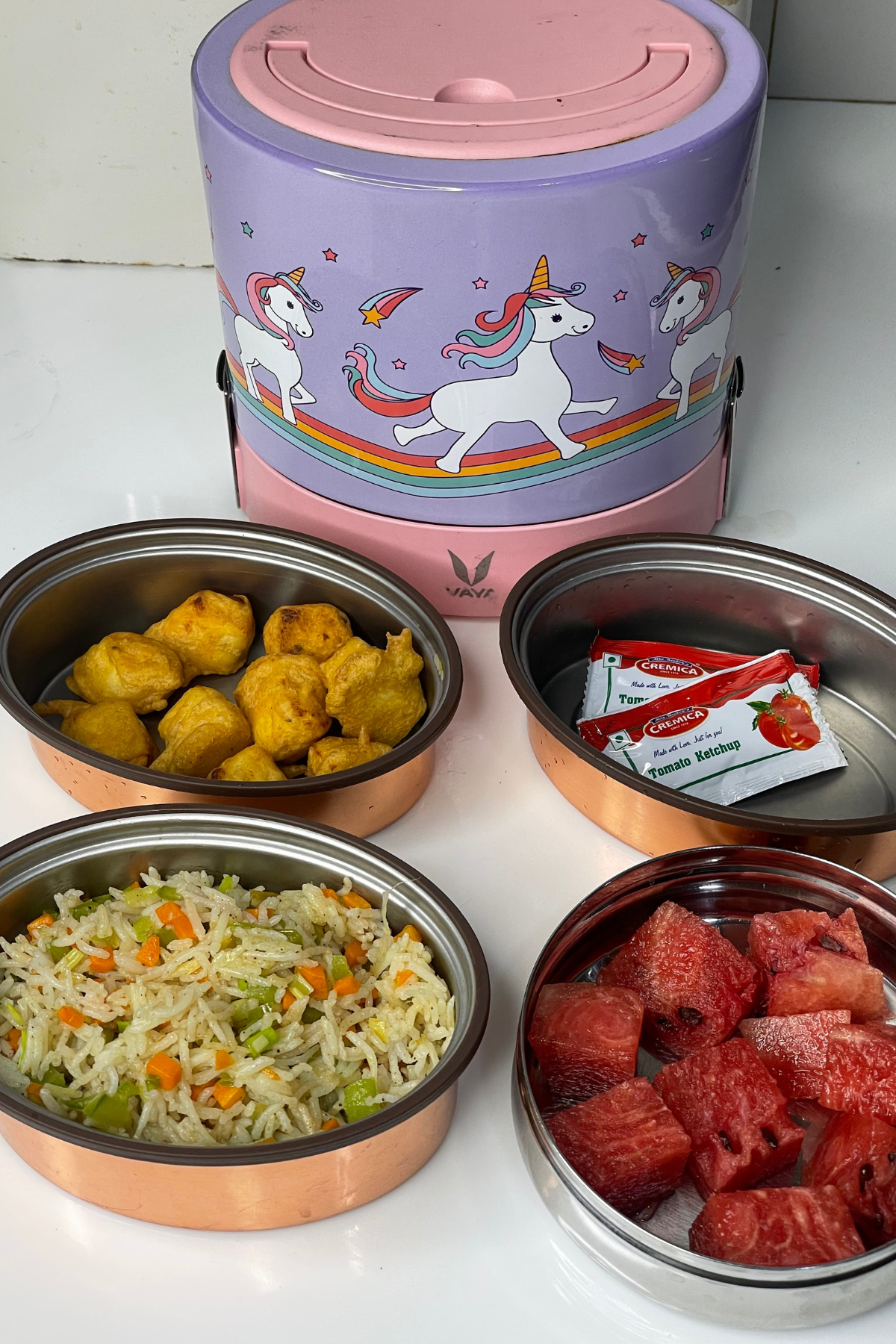
Consider how much food you usually eat and whether you like different foods separated. Containers with multiple compartments help keep flavors from mixing and make your lunch more visually appealing. You can pack a salad, main dish, and dessert all in one box without worry.
Choosing the right size matters too. If your container is too big, your food might get squished or lose freshness. Too small, and you might feel hungry later. Try a few sizes to find what matches your appetite best.
Portability Features
Look for containers with secure lids and locks to avoid spills during your commute or school day. Some lunch boxes come with handles or straps, making them easier to carry. If you often carry your lunch in a bag, check if the container fits well and stays stable.
Does your lunch box stay cool or warm enough? Some containers have insulation or can fit inside insulated bags. Think about how you travel with your lunch and what features will make your day easier.
Credit: sarahremmer.com
Selecting Balanced Ingredients
Selecting balanced ingredients is key to making a lunch box that fuels your day and satisfies your taste buds. The right mix of nutrients keeps energy steady and mood positive. How do you choose ingredients that work together to create a well-rounded meal?
Protein Choices
Protein helps build and repair your body. It also keeps you feeling full longer. Think beyond just meat—try boiled eggs, chickpeas, or Greek yogurt.
For a quick protein boost, pack some nuts or seeds. They’re easy to carry and add a nice crunch. If you eat meat, lean options like grilled chicken or turkey are excellent.
Vegetables And Fruits
Colors make your lunch box inviting and nutritious. Fresh veggies like carrot sticks, cucumber slices, or cherry tomatoes add crunch and vitamins. Fruits such as apple wedges, berries, or orange segments bring natural sweetness and fiber.
Have you ever noticed how adding a small container of hummus or yogurt dip makes veggies more appealing? It’s a simple way to encourage healthier snacking. Don’t forget frozen or steamed vegetables—they can be just as nutritious and easy to pack.
Carbohydrates And Grains
Carbs give you energy to power through your afternoon. Choose whole grains like brown rice, quinoa, or whole wheat bread to keep your energy steady. They also add fiber, which helps digestion.
Try swapping white bread for whole grain wraps or pita pockets. They make sandwiches more interesting and nutritious. Ever tried mixing cooked grains with diced veggies and a light dressing? It’s a tasty and filling option that travels well.
Simple Preparation Techniques
Simple preparation techniques can transform the way you pack your lunch box. These techniques save time, reduce stress, and keep your meals fresh and tasty. You don’t need fancy tools or complicated recipes to make your lunchbox stand out.
Quick Cooking Tips
Speed up your lunch prep by choosing ingredients that cook fast. Vegetables like spinach, bell peppers, and cherry tomatoes only take minutes to sauté or steam. Proteins such as eggs, chicken strips, or tofu can be quickly grilled or boiled while you prepare other parts of your meal.
Try multitasking: boil pasta while chopping veggies or cook rice in a rice cooker to free up your stove. This way, you get more done in less time. Have you noticed how a few smart cooking choices can cut your kitchen time in half?
Batch Prep Strategies
Batch prepping is a game changer for busy days. Cook large portions of staples like quinoa, roasted chicken, or mixed veggies on the weekend. Store them in containers so you can mix and match through the week.
Chop fruits and veggies ahead and portion them into snack bags or small containers. This makes grabbing a healthy bite effortless. What if you had your entire week’s lunch ready in under an hour?
Safe Food Handling
Keeping your lunch fresh and safe is crucial. Always wash your hands before handling food and clean your cutting boards after raw meat. Use airtight containers to prevent spills and contamination.
Keep perishable items like dairy or meats in an insulated lunch box with an ice pack. This prevents food spoilage and keeps your meal tasty until lunchtime. How often do you check that your lunch stays cool and safe?
Assembling The Lunch Box
Assembling the lunch box carefully helps keep food fresh and tasty. It also makes sure meals look inviting and stay organized. Proper assembly prevents spills and mixing of flavors. A well-packed lunch box is easier to carry and enjoy later.
Layering For Freshness
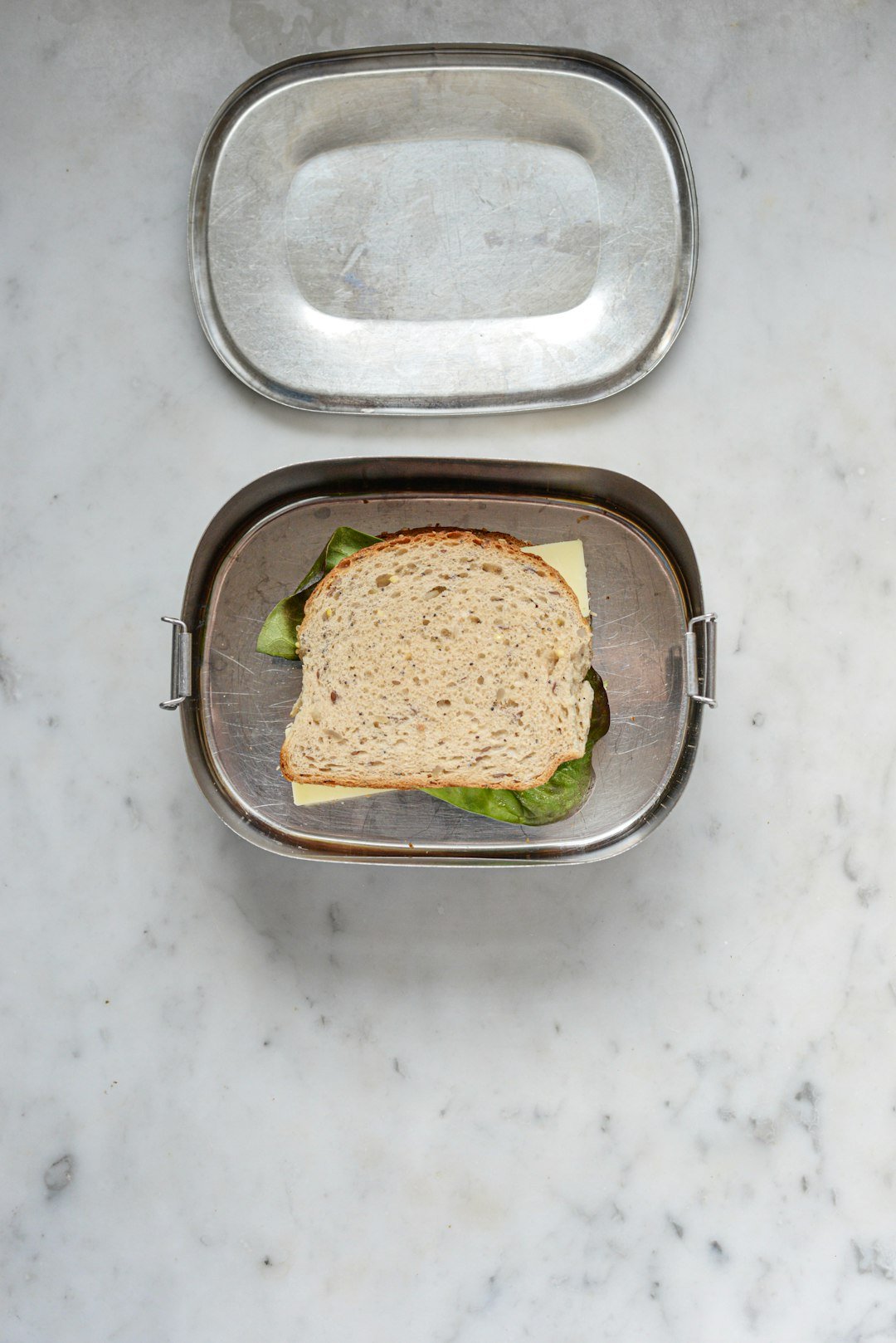
Place heavier items at the bottom. This stops softer foods from getting crushed. Use fresh greens or lettuce as a barrier between wet and dry foods. Keep fruits and vegetables separate to avoid sogginess. Layering helps maintain texture and flavor until lunchtime.
Using Dividers And Wraps
Use small containers or silicone cups to separate different foods. Wrap sandwiches or snacks tightly in foil or plastic wrap. Dividers prevent flavors from mixing and keep foods neat. Wraps also help keep moisture in or out as needed. This approach makes the lunch box cleaner and more appealing.
Portion Control
Fill containers with the right amount of food for one meal. Avoid overfilling to prevent spills and waste. Use smaller containers for snacks and larger ones for main dishes. Balanced portions help maintain energy and avoid overeating. Portion control supports healthy eating habits.
Adding Extras And Snacks
Adding extras and snacks to a lunch box makes meals more fun and satisfying. Small treats and healthy bites keep energy up throughout the day. They also add variety and help avoid hunger between meals.
Choosing the right extras can boost nutrition without adding too much sugar or fat. Think about balance and colors to make the lunch box inviting. A good mix of flavors and textures keeps kids interested and excited.
Healthy Snack Ideas
- Fresh fruit slices like apple, pear, or berries
- Vegetable sticks such as carrot, cucumber, or bell pepper
- Whole grain crackers or rice cakes
- Small portions of nuts or seeds (check for allergies)
- Yogurt cups or cheese cubes
Including Treats
- A small cookie or biscuit for a sweet touch
- Dark chocolate squares in moderation
- Homemade muffins with natural ingredients
- Fruit leather or dried fruit strips
- A spoonful of nut butter with apple slices
Beverage Options
- Water is the best choice for hydration
- Milk or plant-based milk for calcium
- 100% fruit juice in small amounts
- Herbal teas served cold or warm
- A smoothie with fruits and veggies
Credit: www.yummytummyaarthi.com
Storing And Transporting
Storing and transporting a lunch box correctly keeps food safe and tasty. Proper handling stops spills and keeps freshness. It also helps avoid food waste and bad smells.
Keeping Food Fresh
Use airtight containers to block air and moisture. Pack food in small portions to cool faster. Wrap sandwiches in parchment paper to keep bread soft. Store fruits and veggies separately to avoid sogginess. Choose containers that fit snugly inside the lunch box.
Using Ice Packs
Ice packs keep food cold and fresh longer. Freeze packs overnight before placing them in the lunch box. Place ice packs near perishable items like dairy or meat. Use reusable gel packs for convenience and less mess. Avoid direct contact between ice packs and food to prevent freezing.
Safe Carrying Tips
- Choose a sturdy lunch box with a secure lid.
- Use a lunch bag with insulation for extra protection.
- Keep the lunch box upright to avoid spills.
- Carry it in a backpack or handle it carefully.
- Clean the lunch box daily to prevent germs.
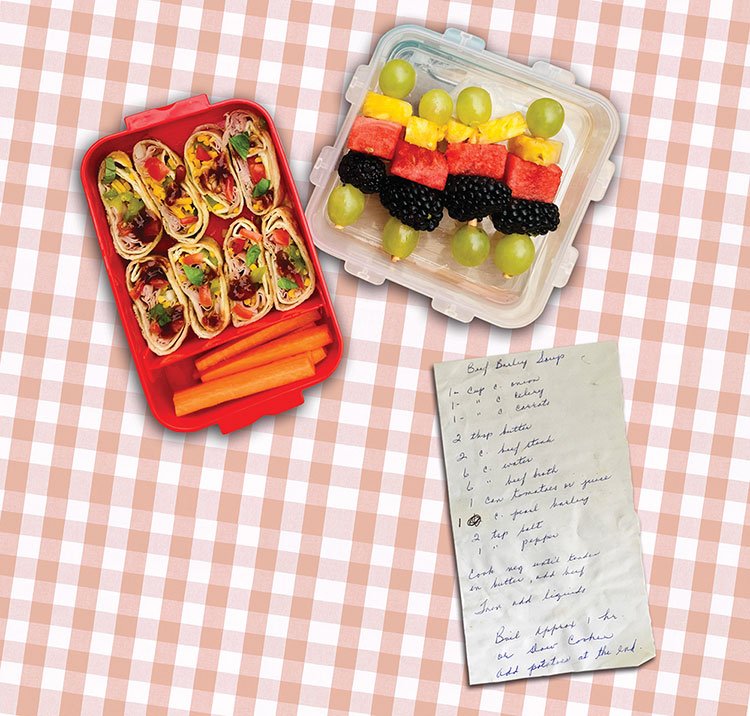
Credit: thetomato.ca
Frequently Asked Questions
What Are The Basic Steps To Make A Lunch Box?
Start by selecting a balanced mix of protein, carbs, and veggies. Pack fresh fruits and a healthy snack. Use airtight containers to keep food fresh and avoid spills.
How Can I Make A Lunch Box More Nutritious?
Include whole grains, lean proteins, and colorful vegetables. Add fruits rich in vitamins and healthy fats like nuts or seeds. Avoid processed foods and sugary snacks.
What Are Easy Lunch Box Ideas For Busy Mornings?
Prepare overnight oats, sandwiches, or wraps the night before. Use pre-cut veggies and fruits. Keep simple snacks like nuts or yogurt ready for quick packing.
How To Keep Lunch Box Food Fresh And Safe?
Use insulated containers or ice packs to maintain temperature. Pack foods in airtight containers and refrigerate if possible. Avoid perishable items without proper cooling.
Conclusion
Making a lunch box is simple and fun. Choose healthy foods you enjoy. Pack different colors and textures for interest. Keep portions just right to avoid waste. Use containers that keep food fresh and safe. A good lunch box saves time and keeps you full.
Try new recipes to keep meals exciting. Enjoy your homemade lunch every day.

Sophia Martinez is a culinary lifestyle writer and product reviewer for DiningGadgets.com. Passionate about blending style with functionality, she explores the latest dining essentials, kitchen décor, and cleaning hacks that transform everyday cooking spaces. With a background in home organization and design, Sophia brings readers expert advice on creating beautiful, practical kitchens that truly feel like the heart of the home.