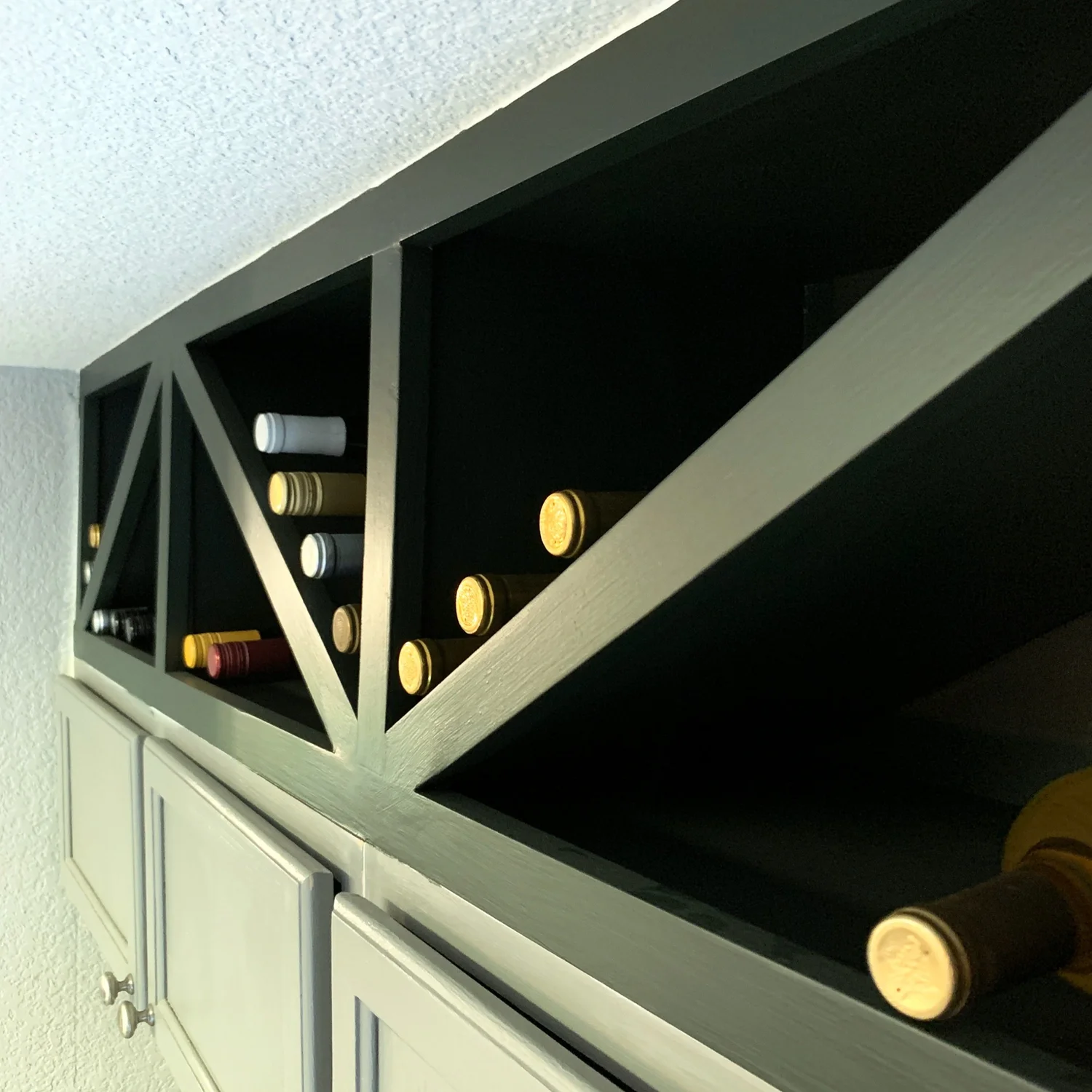
How to Make a Wine Rack Cabinet: Easy Steps for Stunning Storage
Are you tired of your wine bottles lying around without a proper place? Imagine having a stylish wine rack cabinet that not only stores your collection but also adds charm to your space.
Building your own wine rack cabinet is easier than you think, and you’ll enjoy the pride of creating something useful with your own hands. In this guide, you’ll discover simple steps and tips to make a wine rack cabinet that fits your style and needs perfectly.
Ready to turn your wine storage into a beautiful centerpiece? Let’s get started!
Choosing The Right Materials
Choosing the right materials makes your wine rack cabinet strong and beautiful. The wood type affects the look and durability. The hardware and tools you use help build it smoothly. Picking good materials ensures your project lasts long.
Selecting Wood Types
Hardwoods work best for wine racks. They are strong and resist damage. Oak, maple, and cherry are popular choices. Softwoods like pine are cheaper but less durable. Consider the wood color and grain for style. Make sure the wood is dry and free of cracks.
Hardware And Tools Needed
Good hardware keeps the wine rack sturdy. Use screws, wood glue, and brackets for assembly. Sandpaper smooths the wood surface. A saw cuts the wood to size. A drill makes holes for screws. Clamps hold pieces in place while glue dries. Measuring tape and pencil help with accuracy.

Credit: www.reddit.com
Designing Your Wine Rack Cabinet
Designing your wine rack cabinet is the foundation of a project that balances style, function, and space. It’s more than just building a storage unit; it’s about creating a piece that fits your lifestyle and enhances your home’s character. Before you pick up any tools, planning your design carefully saves you time, money, and frustration.
Measuring Space And Capacity
Start by measuring the exact area where you want your wine rack cabinet. Use a tape measure to get the height, width, and depth. Don’t forget to check for obstacles like electrical outlets, vents, or light switches that could affect placement.
Next, think about how many bottles you want to store. Are you a casual drinker with a small collection or a serious connoisseur with dozens of bottles? This will determine the size and number of shelves or cubbies your cabinet needs.
Consider the types of bottles too. Will you store standard 750ml bottles only, or do you need room for larger magnums or oddly shaped bottles? Planning for variety now avoids awkward fits later.
Sketching The Layout
Once you have your measurements and capacity in mind, sketch a rough layout on paper or use free design software. Visualizing your ideas helps you spot design flaws before building begins.
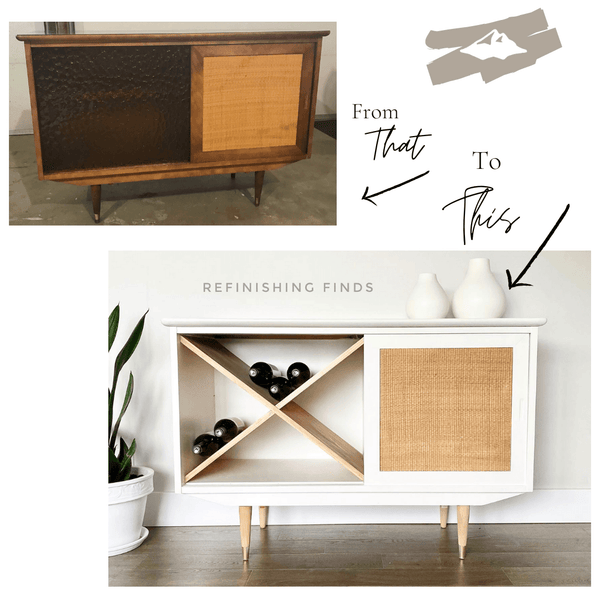
Try different configurations like horizontal racks, diamond-shaped compartments, or vertical slots. Each style affects how bottles rest and how much space you’ll use.
Think about accessibility. Will you want to reach all bottles easily? Maybe design a cabinet with pull-out shelves or doors that swing wide open. Small details like these make a big difference in everyday use.
Cutting And Preparing Wood Pieces
Cutting and preparing wood pieces is a crucial stage in building your wine rack cabinet. This phase sets the foundation for a sturdy and visually appealing piece. Taking your time here ensures every part fits perfectly and the final product looks professional.
Marking And Measuring Cuts
Accurate measurements are your best friend. Use a reliable tape measure and a sharp pencil to mark the wood precisely where each cut will go. Double-check your measurements before cutting to avoid wasting wood or ending up with ill-fitting parts.
Try laying out all your pieces on a flat surface before marking. This helps you visualize the final assembly and catch any measurement errors early. Have you ever cut a piece too short and wished you’d measured twice? This step saves you from that frustration.
Consider using a carpenter’s square or a combination square for marking straight, square lines. This small tool makes a big difference in keeping your cuts clean and accurate. Remember, uneven cuts can cause gaps and weaken the structure.
Sanding And Finishing
After cutting, your wood edges will likely be rough and splintered. Sanding smooths these edges and prepares the surface for finishing. Use medium-grit sandpaper to start, then switch to fine-grit for a polished feel.
Don’t skip sanding the faces of your wood pieces too. A smooth surface not only looks better but also helps paint or stain adhere evenly. Have you noticed how rough wood ruins the finish on your furniture? Sanding prevents that.
Take your time here; rushing can leave scratches or uneven spots. If you want a natural look, apply a clear wood finish or oil after sanding to protect and enhance the grain. For painted cabinets, a primer before the paint will give you a cleaner, longer-lasting finish.

Credit: m.youtube.com
Assembling The Frame
Assembling the frame is the foundation of your wine rack cabinet. This step requires precision and care to ensure the structure holds up well over time. A solid frame not only supports the weight of your wine bottles but also sets the tone for the entire build.
Joining Techniques
Choosing the right joining technique can make a big difference in the strength and appearance of your frame. You can use screws, dowels, or wood glue, depending on the tools and materials available to you.
Screws are quick and reliable, especially if you pre-drill holes to avoid splitting the wood. Dowels offer a cleaner look without visible fasteners, but they demand accurate drilling to ensure tight joints. Wood glue alone can be strong, but combining it with screws or clamps will give extra durability.
Think about how often you might need to move or adjust your rack. Would detachable joints help, or should you aim for a permanent bond? Your choice here affects both assembly time and long-term maintenance.
Ensuring Stability
Stability is key when your frame will hold multiple heavy wine bottles. Make sure all corners meet at right angles; using a carpenter’s square can help you check this quickly. Uneven joints can cause wobbling and stress on the frame.
Adding corner braces or support blocks inside the frame can significantly increase rigidity. These small reinforcements might seem minor, but they prevent wobble and extend the life of your cabinet. Remember, a stable frame means safer storage for your wine collection.
Also, consider the type of wood you use. Hardwoods like oak or maple offer more strength but can be tougher to work with. Softer woods are easier to shape but may require more support. Which type matches your skill level and the look you want?
Creating Wine Storage Compartments
Creating wine storage compartments is key to making a functional and attractive wine rack cabinet. The goal is to design spaces that hold your bottles securely while allowing easy access and a neat display. Whether you prefer individual slots or shelves, the design should suit your wine collection and storage space.
Building Individual Slots
Individual slots provide a snug fit for each wine bottle, preventing movement and reducing the risk of damage. You can create these by cutting square or diamond-shaped compartments from wood pieces and assembling them inside your cabinet frame. A simple way is to use thin wooden slats to form grids, allowing you to customize the slot size based on your bottle dimensions.
Remember to sand all edges to avoid scratches on your bottles. Also, think about the bottle orientation—storing wine horizontally keeps the cork moist and air-tight. Have you considered how many bottles you want to store before deciding on slot size and number?
Adding Shelves Or Racks
Shelves or racks offer more flexibility and can accommodate different bottle shapes and sizes. You can install flat shelves with small lips to prevent bottles from rolling off or angled racks that hold bottles at a slight tilt. This design is easier to build if you want a simple structure or plan to store wine glasses alongside your bottles.
Use sturdy wood or metal brackets to support the shelves, ensuring they hold the weight of multiple bottles. If you want a decorative touch, try staining or painting the shelves to match your room’s decor. How might adjusting the shelf height help you store larger bottles or wine accessories?
Finishing Touches
The finishing touches on your wine rack cabinet are what truly bring the project to life. These final steps not only protect the wood but also add personality and functionality to your creation. Paying attention to these details can elevate a simple storage solution into a stunning centerpiece for your home.
Applying Stain Or Paint
Choosing the right stain or paint can transform your wine rack cabinet’s appearance. Stain enhances the natural wood grain, giving it warmth and depth, while paint allows you to match your cabinet to your room’s color scheme.
Before applying, lightly sand the surface to ensure smoothness. Use a brush or cloth to apply the stain evenly, wiping off excess to avoid blotches. If painting, apply a primer first, then two thin coats of your chosen color for a crisp finish.
Consider the environment where your cabinet will live. Will it face sunlight or humidity? Picking a finish that resists fading or moisture can keep your cabinet looking fresh for years.
Installing Cabinet Doors And Handles
Adding doors and handles gives your wine rack cabinet a polished, functional look. Doors protect your bottles from dust and can add style, whether you choose glass for display or solid wood for a sleek look.
Attach hinges carefully to ensure doors open smoothly without sagging. Align handles so they feel comfortable and look balanced—small details here impact usability and aesthetics.
Have you thought about soft-close hinges? They prevent slamming and add a touch of luxury. Installing them might take a little extra time but can make daily use more enjoyable.
Maintaining Your Wine Rack Cabinet
Maintaining your wine rack cabinet is essential to keep it looking great and functioning well over time. A clean and well-protected cabinet not only preserves your wine collection but also enhances the overall ambiance of your space. Simple care routines can prevent costly repairs and keep your wine rack cabinet as inviting as the first day you built it.
Cleaning Tips
Dust your wine rack cabinet regularly using a soft cloth or microfiber duster. This prevents dust buildup, which can dull the wood and affect the finish.
For deeper cleaning, use a mild soap mixed with water. Dampen a cloth with the solution and wipe down the surfaces gently, then dry immediately with a clean cloth to avoid moisture damage.
Avoid harsh chemicals or abrasive cleaners. They can strip the finish and damage the wood or metal components of your cabinet.
Preventing Damage
Place your wine rack cabinet away from direct sunlight and heat sources. Excessive heat or UV rays can warp wood and fade finishes.
Consider using felt pads under the cabinet legs if it sits on hardwood floors. This prevents scratches and helps keep the cabinet stable.
Check for any loose screws or joints regularly. Tightening them early prevents wobbling and structural damage.
Have you ever noticed how a small scratch can turn into a bigger problem if ignored? Catching these issues early saves you time and money in the long run.
Credit: www.bbfrosch.com
Frequently Asked Questions
What Materials Are Needed For A Wine Rack Cabinet?
To build a wine rack cabinet, you’ll need wood, screws, nails, and wood glue. Additionally, have a saw, drill, and sandpaper ready. These tools and materials ensure a sturdy and long-lasting wine rack cabinet. Select quality wood for aesthetics and durability.
How Do I Measure Space For A Wine Rack?
Measure the space where you plan to place the wine rack. Use a tape measure for accurate dimensions. Consider the number of bottles you plan to store. Ensure there’s enough room for ease of access and ventilation. Proper measurements ensure your wine rack fits perfectly.
Can I Customize My Wine Rack Design?
Yes, customizing your wine rack design is possible. Choose dimensions, materials, and finishes according to your preferences. Personalize it to match your home decor and storage needs. Customization allows you to create a unique piece that fits your style and functionality.
How To Maintain A Wine Rack Cabinet?
To maintain a wine rack cabinet, regularly dust and clean it with a damp cloth. Avoid harsh chemicals that can damage the wood. Inspect for any structural issues or loose screws. Proper maintenance keeps your wine rack in excellent condition and extends its lifespan.
Conclusion
Building a wine rack cabinet can be simple and fun. You only need basic tools and materials. Follow clear steps to create a sturdy rack. It saves money compared to buying one. Plus, you get a custom design for your space.
Store your wine bottles safely and neatly. Enjoy the satisfaction of your own handmade cabinet. Give it a try and see how easy it is!

Ethan Cole is a kitchen innovation enthusiast and food technology writer at DiningGadgets.com. With over 8 years of experience reviewing cookware, smart kitchen tools, and design trends, he helps readers discover gadgets that make cooking easier and dining more enjoyable. When he’s not testing the latest kitchen appliances, Ethan enjoys experimenting with recipes and sharing practical tips for modern homes.