What Type of Paint to Use on Glassware: Ultimate Guide for Stunning Results
Painting on glassware is a fun way to make your items special. You can turn plain glass into colorful art. But, not all paints work well on glass. So, you need to choose the right paint. This guide will help you find the best paint for glassware.
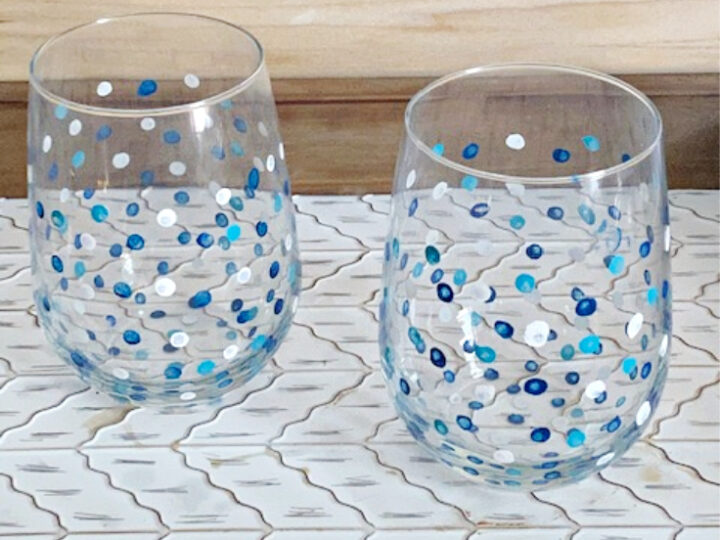
Credit: ourcraftymom.com

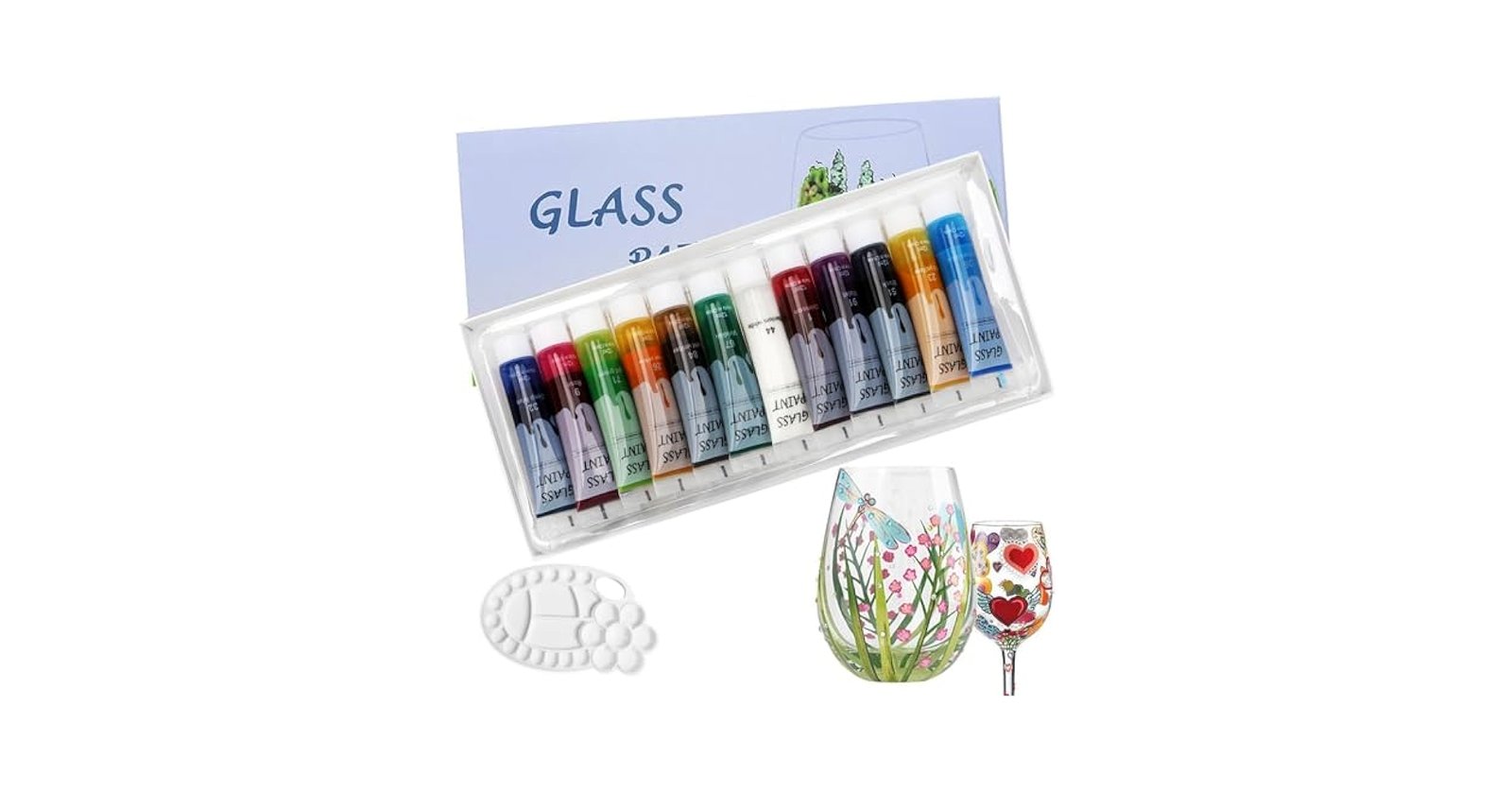
Credit: www.amazon.com.au
Why Paint on Glassware?
Painting glass can be for many reasons. Some people want to decorate cups, jars, or bottles. Others want to make gifts or home decorations. Painted glassware looks nice and can be very personal.
But glass is smooth and shiny. This makes it hard for paint to stick. Normal paint can peel or wash off easily. So, you need special paint made for glass.
Types of Paint for Glassware
There are many types of paint you can use. Each type has good and bad points. Here are the most popular paints for glass:
1. Acrylic Paint For Glass
Acrylic paint is easy to find and use. It is water-based, so it is safe and easy to clean. But plain acrylic paint does not stick well to glass. You need acrylic paint made for glass or use a special glass primer.
Pros:
- Dries fast
- Many colors available
- Non-toxic and safe
Cons:
- Needs primer or sealant
- May not be dishwasher safe
2. Enamel Paint
Enamel paint is strong and glossy. It sticks well to glass and can last a long time. Some enamel paints need baking in an oven to set. This makes the paint harder and more durable.
Pros:
- Very durable
- Glossy finish
- Good for glass and ceramics
Cons:
- May need oven baking
- Strong smell during use
- Can be toxic if not used carefully
3. Glass Paint Markers
These markers are easy to use. They have paint inside and a fine tip for drawing. They work well for small designs or writing on glass. Many glass paint markers dry fast and can be baked for better hold.
Pros:
- Easy to control
- Good for detail work
- Fast drying
Cons:
- Limited color choices
- May need baking
- Not good for large areas
4. Oil-based Paints
Oil-based paints can stick well to glass. They give a rich color and shiny finish. But they take a long time to dry. Also, cleaning brushes needs special solvents. They are not best for beginners.
Pros:
- Rich, bright colors
- Good adhesion
- Glossy finish
Cons:
- Long drying time
- Needs solvents for cleanup
- Strong smell
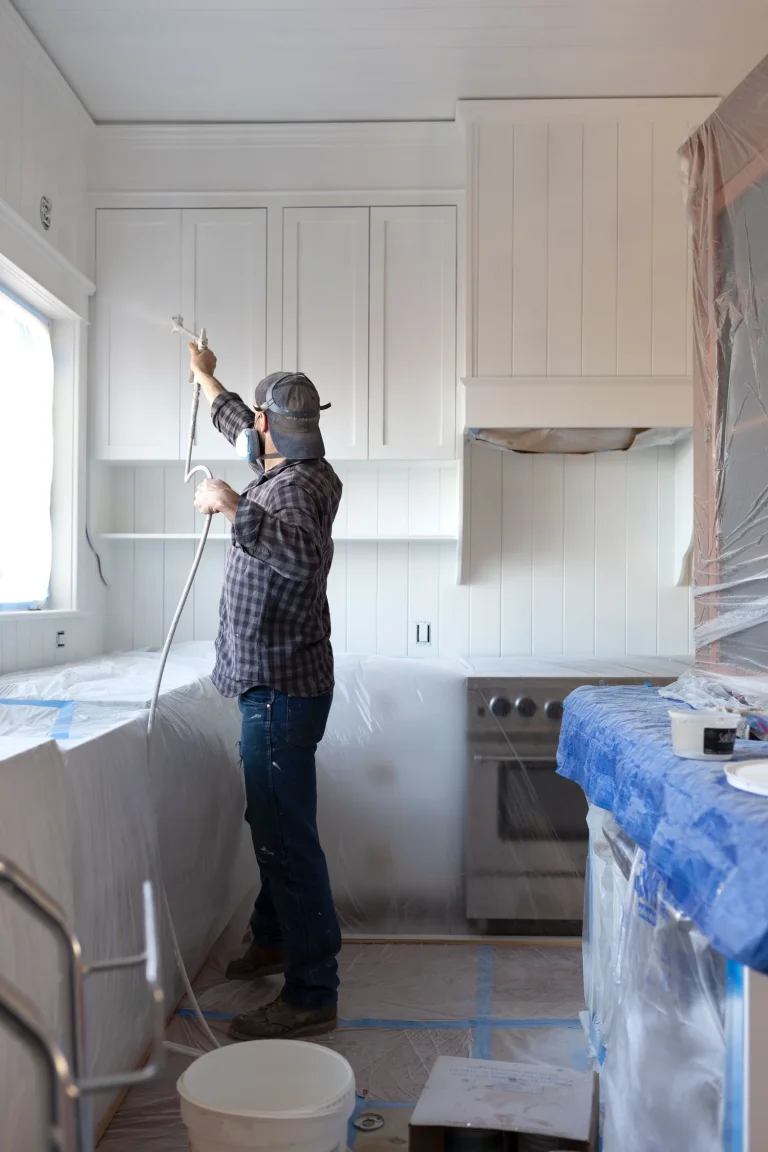
5. Spray Paint For Glass
Spray paint can cover glass quickly. It works well for large items. Some spray paints are made for glass and plastic. They dry fast and give smooth coverage. But it can be hard to control the paint.
Pros:
- Fast and easy for big surfaces
- Even coverage
- Many colors
Cons:
- Hard to do small details
- Needs well-ventilated area
- Can be messy
How to Choose Paint for Your Glassware
Choosing paint depends on your project. Here are some things to think about:
- Use of the glassware: Will you use it for drinks? Or just decoration?
- Durability: Do you want the paint to last a long time?
- Ease of use: Are you a beginner or have painting experience?
- Drying time: How fast do you want the paint to dry?
- Finish: Do you want shiny, matte, or frosted look?
Steps to Paint on Glassware
Once you choose the paint, follow these steps for best results:
Step 1: Clean The Glass
Wash the glass with soap and water. Remove all dirt and grease. You can also wipe it with rubbing alcohol. This helps paint stick better.
Step 2: Prepare Your Work Area
Work in a clean, dry place. Cover the surface with newspaper or plastic. Use gloves if needed.
Step 3: Apply The Paint
Use a brush, marker, or spray paint. Apply thin layers. Let each layer dry before adding the next.
Step 4: Let Paint Dry Or Bake
Some paints dry by air. Others need baking in an oven. Follow the paint instructions. Baking makes paint last longer.
Step 5: Seal The Paint (optional)
You can use a clear sealer for extra protection. This helps paint stay on when washing.
Tips for Painting on Glassware
- Always read paint instructions carefully.
- Test paint on a small glass piece first.
- Use painters tape for clean edges.
- Be patient; let paint dry fully.
- Hand wash painted glassware gently.
Table of Paint Types and Features
| Paint Type | Best Use | Durability | Drying Time | Special Care |
|---|---|---|---|---|
| Acrylic (Glass Formulated) | Decorative glassware | Medium | Fast | Needs primer or sealer |
| Enamel | Long-lasting decoration | High | Medium (with baking) | Oven baking required |
| Glass Paint Markers | Small details, writing | Medium | Fast | May need baking |
| Oil-Based Paint | Rich colors, art pieces | High | Slow | Solvents needed for cleanup |
| Spray Paint | Large surfaces | Medium to High | Fast | Use in ventilated area |
Final Thoughts
Choosing the right paint for glassware is important. It can make your project easier and more beautiful. Acrylic, enamel, and glass markers are good choices. Think about how you will use your glassware. Also, follow all steps for the best results.
Painting on glass can be fun and rewarding. Take your time and enjoy the process. Soon, you will have beautiful glassware with your own design.
Frequently Asked Questions
What Type Of Paint Sticks Best To Glassware?
Enamel and acrylic paints work well. They bond tightly and resist chipping on glass.
Can I Use Regular Acrylic Paint On Glass?
Regular acrylic paint may peel off. Use special glass paint for long-lasting results.
How Long Does Glass Paint Take To Dry?
Glass paint usually dries in 24 to 48 hours for full curing.
Is It Safe To Use Painted Glassware For Drinking?
Use non-toxic, food-safe glass paint to ensure safety for drinking purposes.

Sophia Martinez is a culinary lifestyle writer and product reviewer for DiningGadgets.com. Passionate about blending style with functionality, she explores the latest dining essentials, kitchen décor, and cleaning hacks that transform everyday cooking spaces. With a background in home organization and design, Sophia brings readers expert advice on creating beautiful, practical kitchens that truly feel like the heart of the home.